UAE Construction Pipeline 2027: Emerging Sectors Creating New Demand for Steel & Fittings
Ask anyone who buys steel in the Gulf what next year looks like, and you will hear the same answer. Busy, but different. The UAE construction pipeline in 2027 is less about one big wave of towers and more about many sectors needing steel at the same time.
That shift matters if you source pipes, plates, sections or fittings. This guide looks at which sectors are creating new demand, what suppliers can do about it and what could change the picture along the way.
UAE Construction Outlook for 2027: What Does the Project Pipeline Look Like?
The UAE construction outlook is still positive, though it carries fewer certainties than it did a year ago. GlobalData's latest industry report expects growth to average about 3.8% a year from 2027 to 2030, which is steady rather than explosive.
Then there is the regional conflict that began in late February. MEED reported in August that the regional pipeline strengthened again in June, with the UAE leading the recovery, while ADCB's chief economist said some tenders had been delayed by higher shipping, fuel and insurance costs. For steel buyers, that means UAE construction trends in 2027 will be shaped by timing and cost as much as by the number of projects.
7 Emerging Sectors Driving Construction Demand in the UAE
Demand for steel is spreading across more sectors than it did a few years ago. Some are new to the UAE's construction story, and others are simply scaling up fast.
Here is where UAE construction projects in 2027 will pull in the most steel and fittings.
1. Data Centres and Digital Infrastructure
Stargate UAE is planned as a 1GW AI cluster inside a 5GW campus in Abu Dhabi, with the first 200MW targeted for 2026, according to The National. S&P expects the UAE and Saudi Arabia to account for more than 80% of the region's data centre capacity by 2030. Behind every one of those halls sit steel frames, cable and equipment supports, and large volumes of cooling pipework with fittings to match.
2. Manufacturing and Industrial Facilities
The UAE's Operation 300bn strategy aims to lift industry's contribution to GDP from AED133 billion to AED300 billion by 2031. That needs factories, plants and fabrication yards built first. Expect steady demand for structural sections, plate for equipment bases and process piping.
3. Logistics, Warehousing and Distribution Infrastructure
More trade means more places to store and move goods. Warehouses, cold stores and free zone distribution hubs are steel-framed buildings, and many are going up near the ports and airports that are growing fastest. Al Maktoum International alone is planned for 12 million tonnes of air cargo capacity a year, which tells you the scale of what is coming around it.
4. Transport and Infrastructure Projects
Al Maktoum International Airport is the standout, with more than AED55 billion of contracts due for award by the end of 2026 on top of AED13 billion already under way. Etihad Rail's high-speed link, planned for 2030, will also add a station beside the airport. Together, UAE infrastructure projects like these use huge volumes of structural steel, reinforcement and piping.
5. Energy and Power Infrastructure
Power takes around 7% of the national pipeline, according to Knight Frank, and demand keeps climbing as data centres and new districts come online. Substations, transmission structures and plant all need sections, plate and heavy fittings. ADNOC has also announced plans for a new offshore-to-onshore oil transport pipeline, which adds line pipe and flanges to the mix.
6. Water, Desalination and Wastewater Infrastructure
Water is only about 5% of the pipeline, but each project is steel-hungry. DEWA's plan lifts Dubai's desalination capacity from 490 to 730 MIGD, and EWEC has invited bids for the 70 MIGD Shuweihat S4 plant in Abu Dhabi. Intake and outfall lines, high-pressure pipework and transmission mains all call for pipes, flanges and fittings that can handle saltwater.
7. Urban Development and Major Mixed-Use Projects
Apartments make up 71% of Dubai's future supply pipeline, according to Knight Frank, and developers keep launching new mixed-use districts. Nakheel's recent building award at Dubai Islands is one example. These projects use steel for frames, podiums, facades and building services, so demand tends to stay steady even when mega projects pause.
How Steel Suppliers Can Prepare for the UAE's 2027 Project Pipeline
The first job is to match stock to where demand is heading. That means carrying the sections, plates and pipe sizes these sectors actually use, along with the flanges and fittings that go with them, rather than a general range and a hope. At Alkun Steel, we think about it as a simple test: can a buyer get the right material, the right paperwork and a firm delivery date in one conversation?
Preparation also means planning for cost swings. Moody's has noted that many UAE contractors are protected in the near term by fixed-price contracts or by locking in material prices early, so they will lean on suppliers who can hold a price and confirm stock quickly. Clear lead times, test certificates ready at dispatch and honest updates on shipping delays will count for more than the lowest quote.
What Should Project Buyers Consider When Sourcing Steel and Fittings in the UAE?
Start with the specification. Confirm the grade, the standard and the size range before you ask for prices, and ask for mill test certificates that link back to heat numbers. For fittings, check that the type, pressure class and material match the pipe they will connect to. A small mismatch on paper turns into a big delay on site.
Then test the supply side. Ask whether the full quantity is in stock, how deliveries can be split and which shipping route the material will take. Check how long the quoted price is valid and who carries the risk if it moves. Buyers who settle these points early usually avoid the scramble that comes when projects start running at the same time.
What Could Affect Steel Demand and Procurement in 2027?
Cost and logistics are the biggest swing factors. MEED reported that UAE diesel jumped from AED2.72 to AED4.69 a litre in April, and higher fuel, freight and insurance costs feed straight into the price of steel on site. Moody's says contractors have absorbed much of the increase so far, but that cushion will not last forever on projects without fixed pricing.
Project timing is the other unknown. MEED has noted that the availability of capital for major new projects is unclear, and Reuters has reported that plans for the Abu Dhabi AI campus are being revised, with a network of sites across the UAE under consideration. Even so, steel demand in construction looks set to stay firm, because the pipeline is spread across so many sectors. What may change is when orders land, not whether they come.
Conclusion
The picture for next year is one of broad demand rather than a single boom. Data centres, airports, factories, water and power projects are all pulling in steel and fittings at once, and the UAE construction pipeline in 2027 rewards buyers and suppliers who plan early. Costs and timing will move around, but the need for materials is not going away.
If you are planning orders for 2027, we would suggest locking in your specifications and stock sooner rather than later. A clear brief, a confirmed delivery plan and the right test certificates will do more for your project than chasing the cheapest price.
FAQs
1. What sectors will drive UAE construction in 2027?
Data centres, manufacturing, logistics, transport, energy, water and mixed-use developments are the main drivers.
2. What are the upcoming construction projects in the UAE in 2027?
Major examples include the Al Maktoum International Airport expansion, Stargate UAE, desalination plants and new mixed-use districts such as Dubai Islands.
3. Which industries are increasing demand for steel in the UAE?
Digital infrastructure, manufacturing, logistics, aviation and rail, power and water are all adding demand.
4. How will infrastructure projects affect steel demand in the UAE?
Airports, rail and utilities use large volumes of structural steel, piping and fittings, so they keep demand steady over several years.
5. How will data centre construction affect steel demand?
Data centres need steel for building frames and supports, plus cooling pipework and fittings across each facility.
6. What steel products are used in industrial construction projects?
Structural sections, plates, hollow sections, pipes, flanges and fittings are the most common.
7. Why are logistics and manufacturing projects growing in the UAE?
Trade growth, airport and port expansion and the Operation 300bn industrial strategy are all driving new warehouses and factories.
8. What should buyers consider when sourcing steel and fittings in the UAE?
Check specifications, test certificates, confirmed stock, delivery plans and how long the quoted price stays valid.
Related Articles
ADIPEC 2026 Sourcing Checklist: Fittings, Valves & Gaskets UAE Oil & Gas Buyers Should Shortlist
Read More

The Complete Buyer's Guide to Industrial Gratings: GI vs Stainless Steel vs Aluminium vs Ductile Iron
Read More

Chequered Plate Buying Guide: MS vs GI vs Stainless Steel Checker Plates Compared
Read More
C-Channel vs U-Channel: Sizes, Uses & How to Choose the Right Structural Steel Channel
Read More

Valves Used in District Cooling Systems: Types, Functions, and Selection Criteria
Read More
Threaded vs Socket Weld vs Butt Weld Fittings: Which Is Right for Your Project?
Read More
Carbon Steel vs Stainless Steel Pipes: Cost, Performance, and Application Comparison
Read More


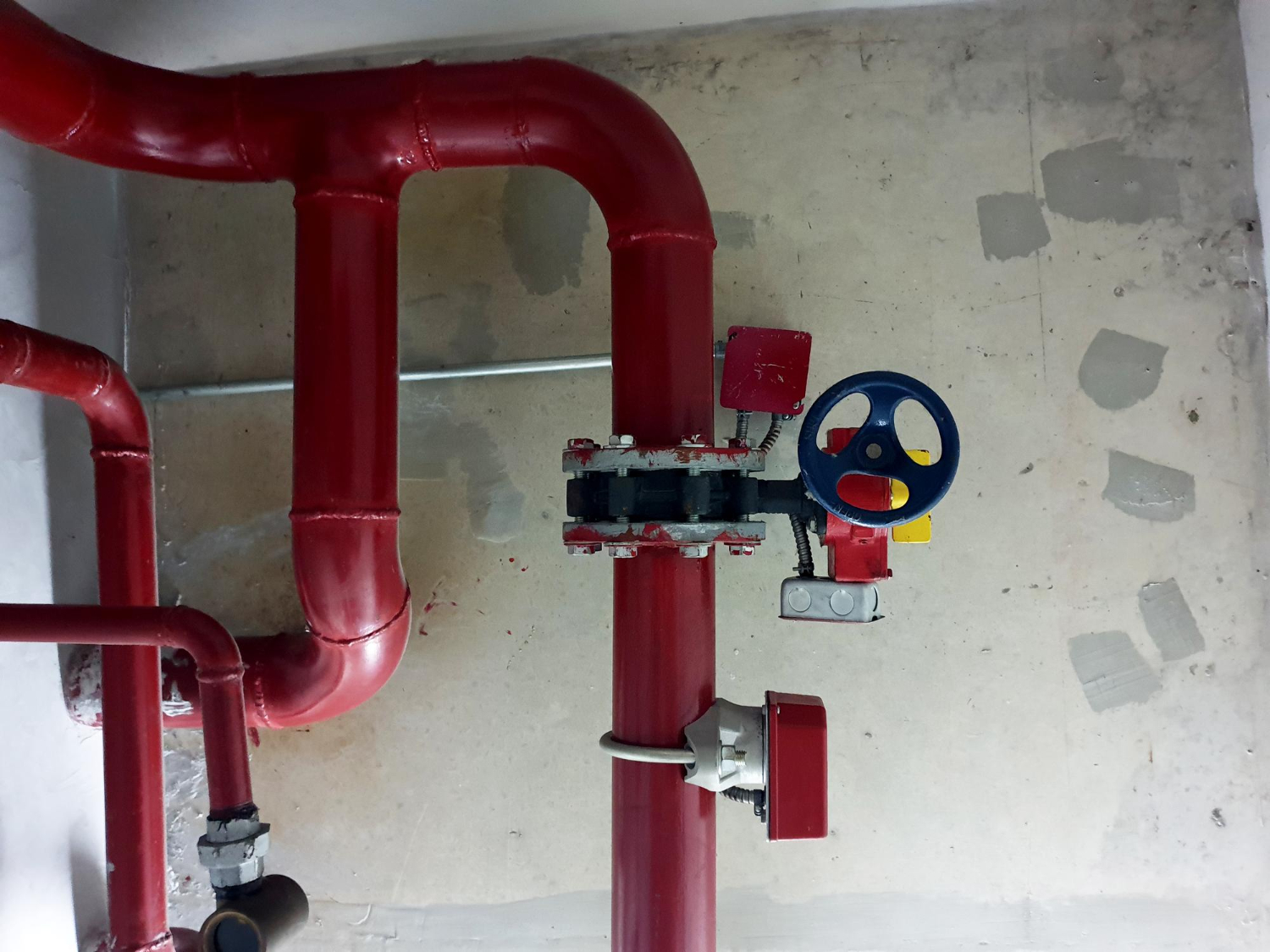
How Fire Fighting Valves Ensure Safe and Efficient High-Pressure Water Systems
Read More
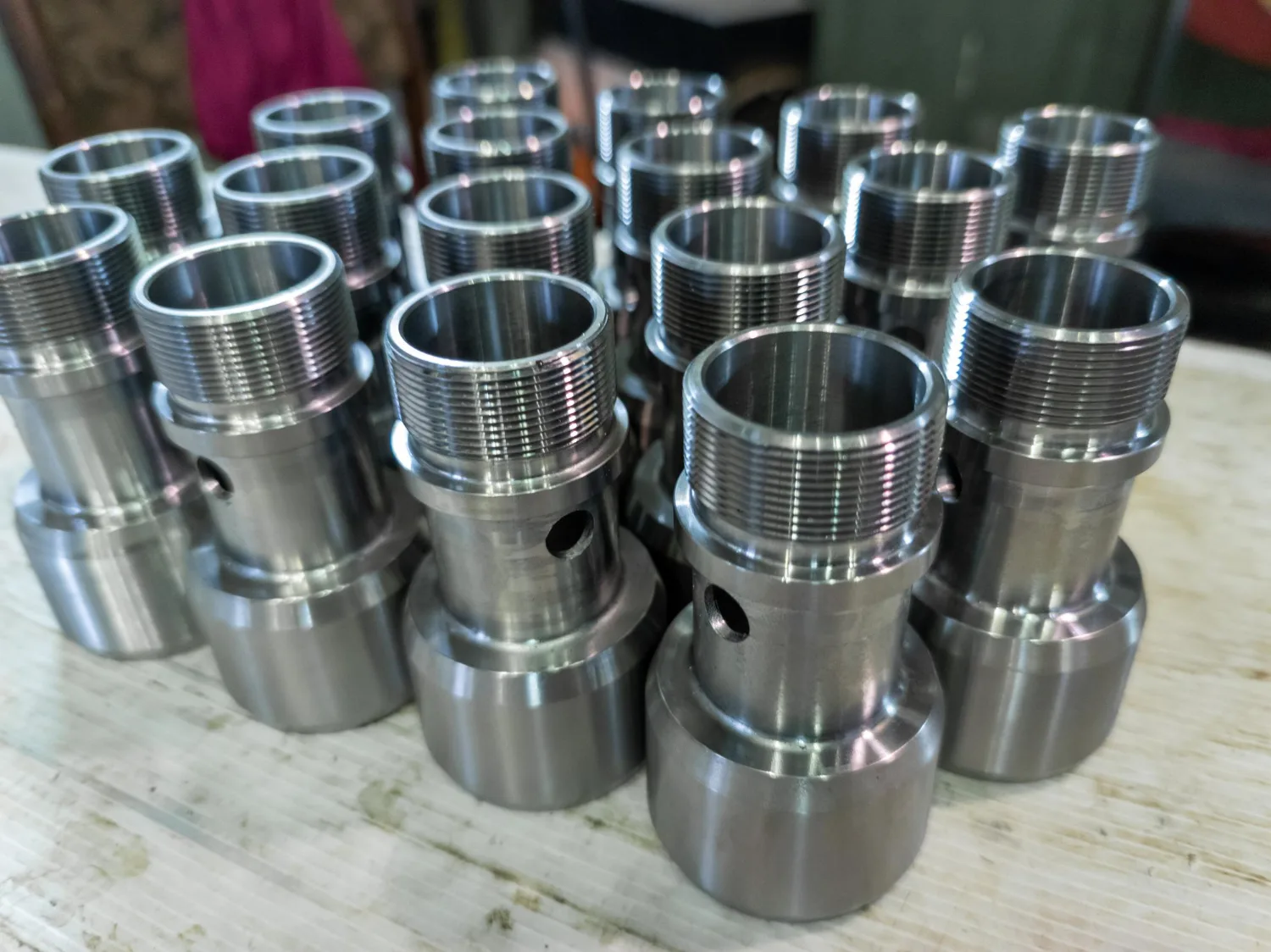



Stainless Steel Buttweld Fittings For Offshore Shipbuilding And Platform Piping
Read More
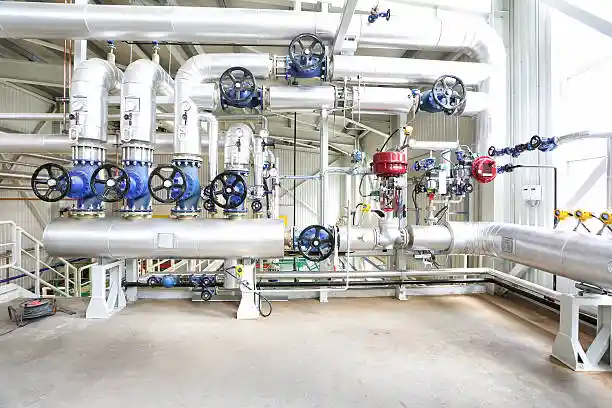
Industrial Valves, Hoses & Gaskets: Alkun Steel’s Solutions for the Tanks & Pumps Industry
Read More
Corrosion-Resistant Valves, Flanges & Joints: Alkun Steel’s Petrochemical Solutions
Read More
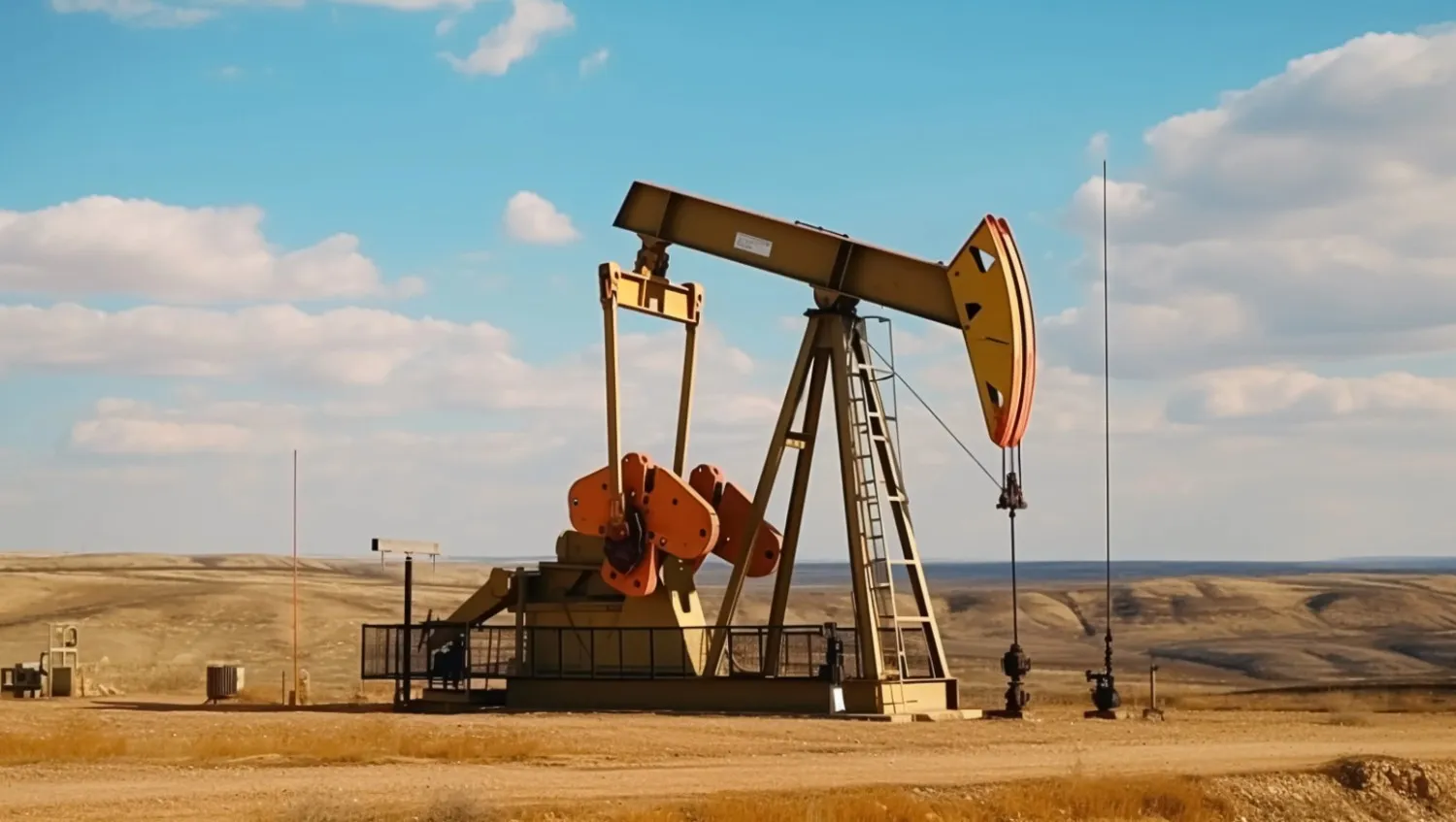
Why Alkun Steel Is A Reliable Supplier Of Essential Products In The Oil Drilling & Rig Industry
Read More
Reliable Industrial Components For Fire Fighting Applications: Alkun Steel’s Trusted Solutions
Read More
Why Alkun Steel Is A Reliable Supplier Of Essential Products In The Fabrication Industry
Read More
Industrial Valves, Hoses & Gaskets: Alkun Steel’s Solutions For Aviation Maintenance
Read More

Best Weld Neck, Slip-On, And Blind Flanges For Critical Oil & Gas Connections
Read More
Best Industrial Fasteners for Heavy Equipment Assembly and Structural Steel Projects
Read More