How to Prevent Leaks and Failures in Industrial Hose Systems
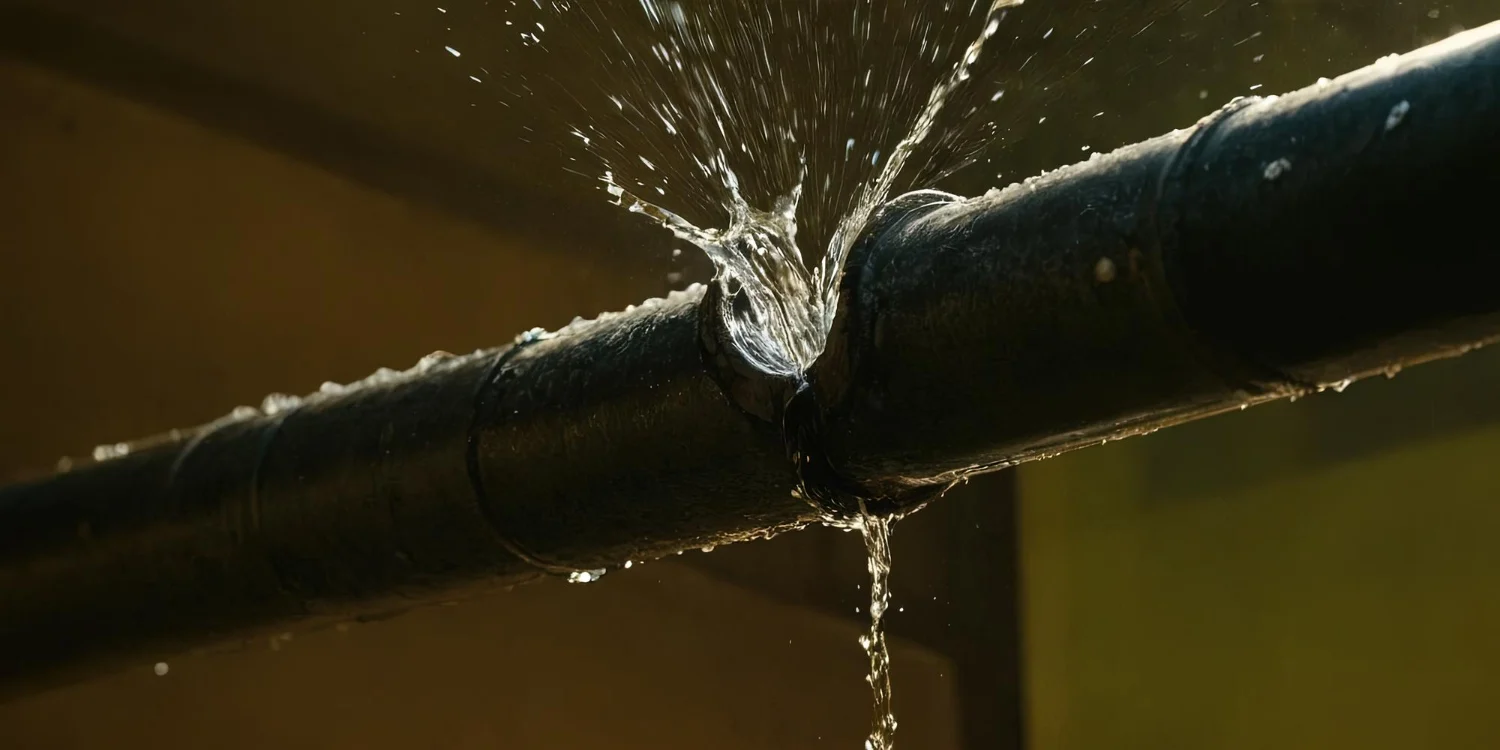
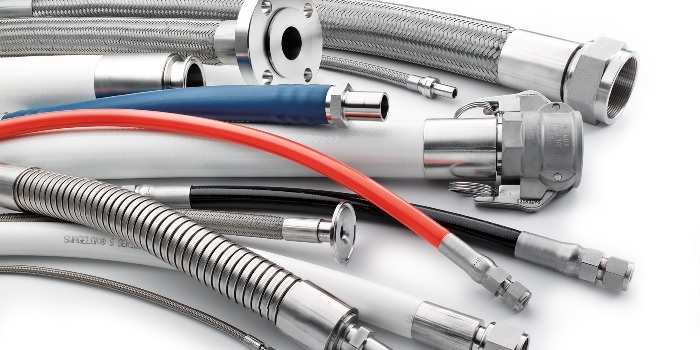
Industrial hose systems are essential in many sectors, from manufacturing and construction to marine operations and heavy engineering. These hoses carry liquids, gases, and hydraulic fluids under high pressure, making them critical components within machinery and industrial processes. When a hose begins to leak or fail, it can interrupt operations, damage equipment, and create safety concerns for workers.
At Alkun Steel, we understand how important high-quality hose systems are for industrial operations. Our team works closely with businesses that rely on strong and consistent industrial hose supply for demanding environments. By helping customers choose the right hoses and components, we aim to reduce failures and support smooth, uninterrupted operations.
Common Causes of Failure In Industrial Hose Systems
Industrial hoses operate under demanding conditions. They experience pressure fluctuations, environmental exposure, and mechanical stress during everyday use. Without proper installation and care, these conditions can lead to leaks or sudden failures. Understanding the most common hose failure causes allows technicians and maintenance teams to take preventive steps before problems develop.
Improper Installation
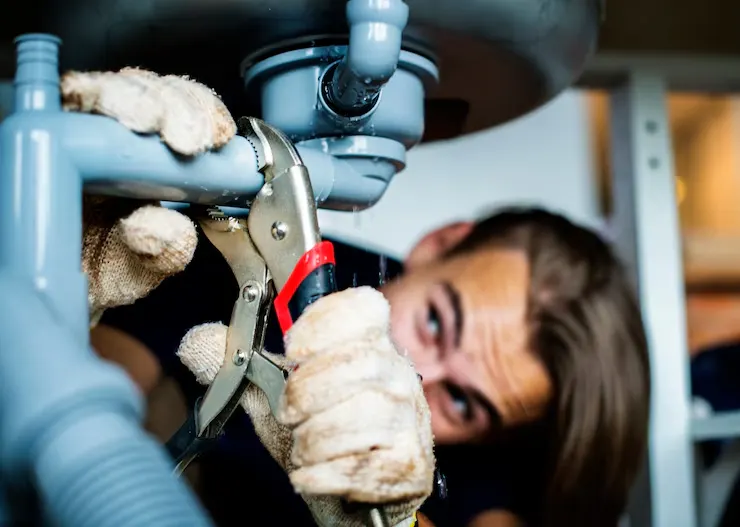
When hoses are twisted, bent beyond their limits, or connected with incompatible fittings, internal stress builds up during operation. Over time, this stress weakens the hose material and can lead to leakage at connection points. Proper alignment during installation helps maintain the natural flexibility of the hose. Ensuring that fittings match the hose type and pressure rating also prevents unnecessary strain on the system.
Excessive Pressure
Every industrial hose is designed to handle a specific pressure range. When that limit is exceeded, the internal reinforcement layers may begin to weaken. Continuous exposure to excessive pressure can eventually result in hydraulic hose failure, which often occurs suddenly and without warning. Monitoring pressure levels and using suitable pressure-rated hoses helps avoid these situations.
Environmental Damage
Industrial environments often expose hoses to extreme temperatures, chemicals, or ultraviolet radiation. Over time, these external factors can weaken the outer cover and internal materials of a hose. Cracking, hardening, or softening of the material may occur depending on the conditions. When environmental damage progresses unnoticed, leaks can develop gradually before leading to a full system failure.
Wear and Abrasion
Hoses that rub against machinery, surfaces, or other hoses during operation may experience abrasion. Continuous friction can wear away the outer protective layer, exposing the reinforcement beneath. Once this layer is compromised, the hose becomes far more vulnerable to leaks. Using protective sleeves and ensuring proper hose routing helps reduce abrasion.
How to Prevent Leaks and Failures in Hose Systems
Preventing leaks in industrial hose systems requires a combination of proper installation, regular inspection, and suitable equipment selection. Consistent industrial hose maintenance is one of the most effective ways to ensure long-term system performance.
Perform Regular Inspections
Routine inspection helps detect early signs of wear before they become serious problems. Technicians should look for visible cracks, swelling, leaks near fittings, or signs of abrasion on the hose surface. Even small irregularities can indicate that a hose is beginning to deteriorate. Frequent inspection also allows maintenance teams to monitor fittings and connections.
Use Proper Hose Routing
Correct hose routing prevents unnecessary strain and bending during operation. Hoses should follow smooth paths that avoid sharp edges, tight corners, and moving components. When hoses bend too sharply, internal reinforcement layers may weaken over time. Using clamps, guides, or protective covers helps keep hoses in the correct position.
Select the Right Hose for the Application
Not all hoses are designed for the same tasks. Temperature, pressure, chemical exposure, and fluid type all influence which hose should be used in a system. Selecting the correct hose material ensures compatibility with the environment and operating conditions. Working with experienced industrial hose suppliers helps businesses choose hoses that match their specific requirements.
Replace Worn Hoses on Time
Even high-quality hoses have a limited service life. Waiting until a hose fails completely can lead to unexpected downtime or safety hazards. Replacing hoses at the recommended intervals reduces the risk of sudden leaks. Maintenance schedules should include routine hose replacement based on operating conditions and usage levels.
Why Alkun Steel is the Best Industrial Hose Suppliers in UAE
Industrial operations require hose systems that perform consistently under demanding conditions. At Alkun Steel, we focus on supplying equipment and components that support heavy-duty applications across construction, marine, and manufacturing sectors. Our goal is to provide customers with the right hose solutions for their operational needs.
We’re an experienced industrial hose suppliers in UAE, sourcing equipment for fluid transfer and hydraulic systems, and that’s why companies across the region trust us. We aim to support these industries by offering a broad range of hose solutions, along with guidance on proper selection and usage. By helping customers understand their system requirements, we assist them in preventing costly hose failures and maintaining efficient operations.
Conclusion
Industrial hose systems play a vital role in transporting fluids and supporting mechanical processes in many industries. When these systems fail, the results can range from equipment damage to production delays and safety risks. Understanding common causes of hose failure helps maintenance teams identify potential problems before they escalate.
By focusing on correct installation, proper hose routing, regular inspection, and timely replacement, businesses can significantly reduce the chances of leaks or breakdowns. With the right approach to maintenance and equipment selection, industrial hose systems can operate efficiently for long periods while supporting the demanding tasks required in modern industrial environments.
FAQs
1. What are the most common causes of industrial hose leaks?
Industrial hose leaks usually occur due to improper installation, excessive pressure, abrasion, or environmental damage. Regular inspection helps identify these issues before they lead to major failures.
2. How often should industrial hoses be inspected?
Industrial hoses should be inspected regularly as part of routine maintenance schedules. Frequent inspections help detect cracks, loose fittings, or wear before they affect system performance.
3. What are the warning signs of a failing hydraulic hose?
Signs of a failing hose include visible cracks, swelling, fluid leaks near fittings, unusual vibrations, or reduced system pressure. These symptoms indicate that the hose may need replacement.
4. Can incorrect hose selection lead to system failure?
Yes, using a hose that is not designed for the required pressure, temperature, or fluid type can weaken the material and lead to early failure. Choosing the correct hose for the application is essential.
5. Why is hose routing important in industrial systems?
Proper hose routing prevents excessive bending, twisting, and friction against surfaces. This reduces stress on the hose and helps extend its service life.
6. How can industries extend the lifespan of their hose systems?
Regular inspection, proper installation, protective coverings, and timely replacement of worn hoses all help maintain efficient hose system performance.
Related Articles
Valves Used in District Cooling Systems: Types, Functions, and Selection Criteria
Read More
Threaded vs Socket Weld vs Butt Weld Fittings: Which Is Right for Your Project?
Read More
Carbon Steel vs Stainless Steel Pipes: Cost, Performance, and Application Comparison
Read More

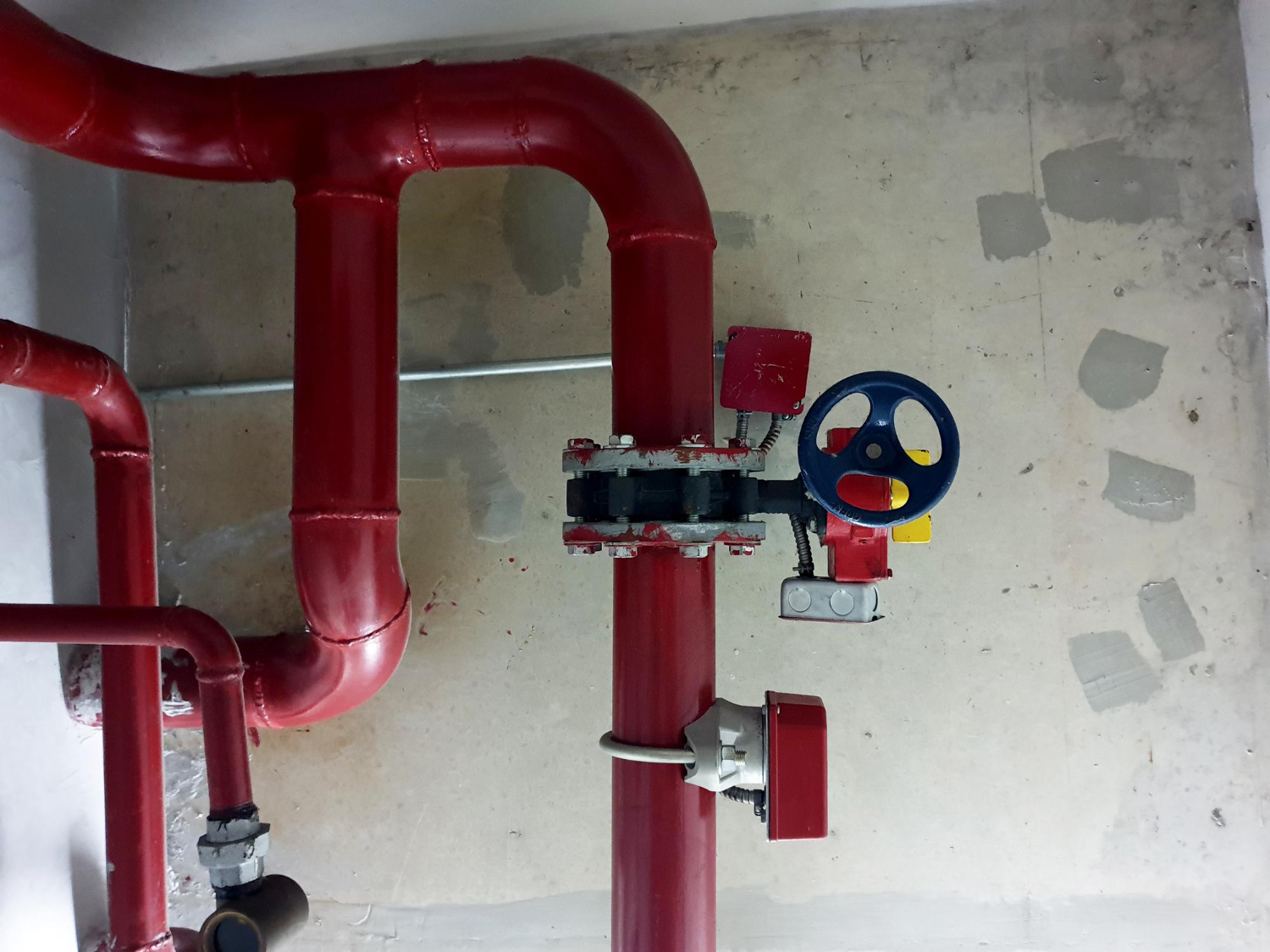
How Fire Fighting Valves Ensure Safe and Efficient High-Pressure Water Systems
Read More
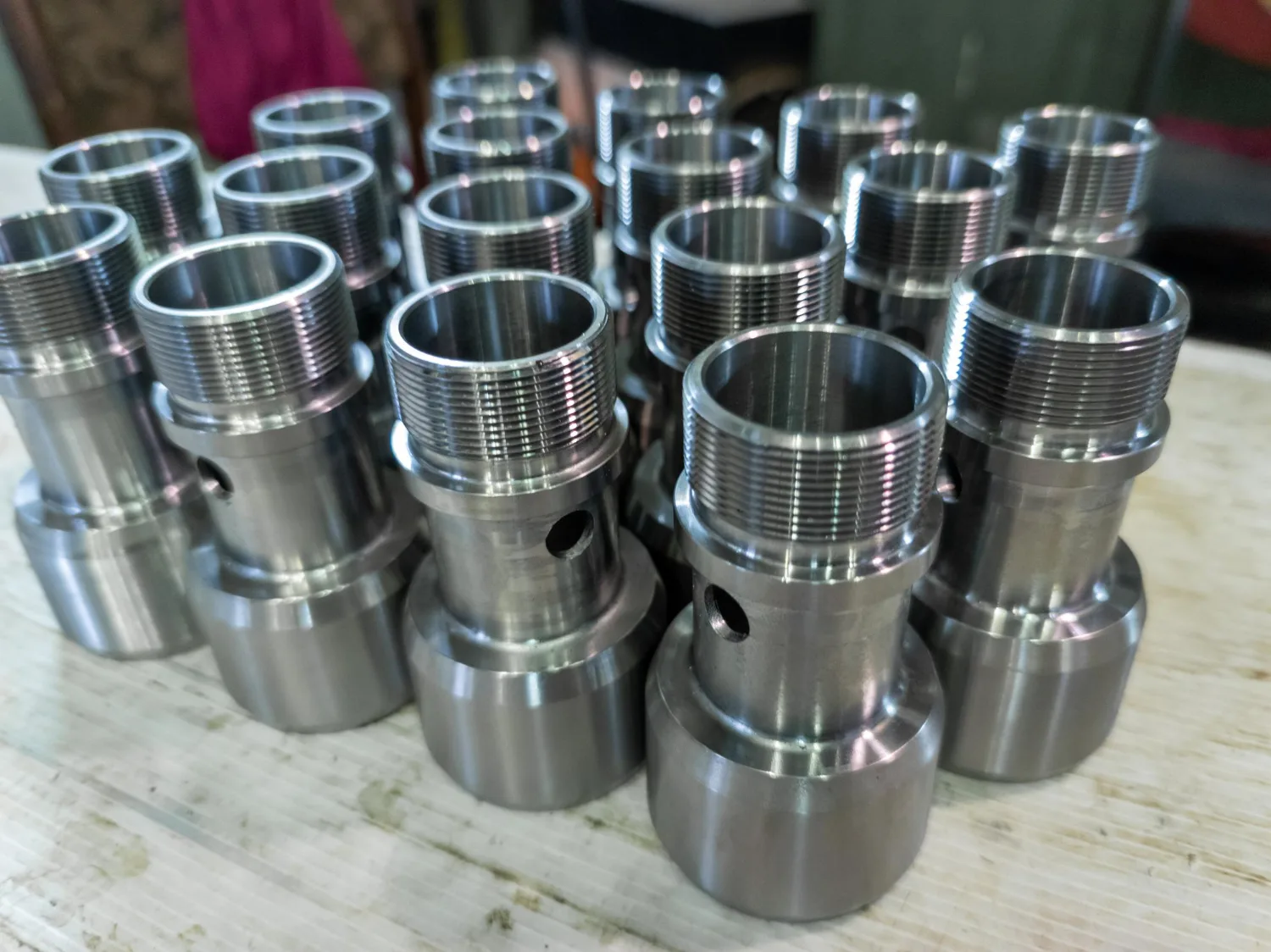



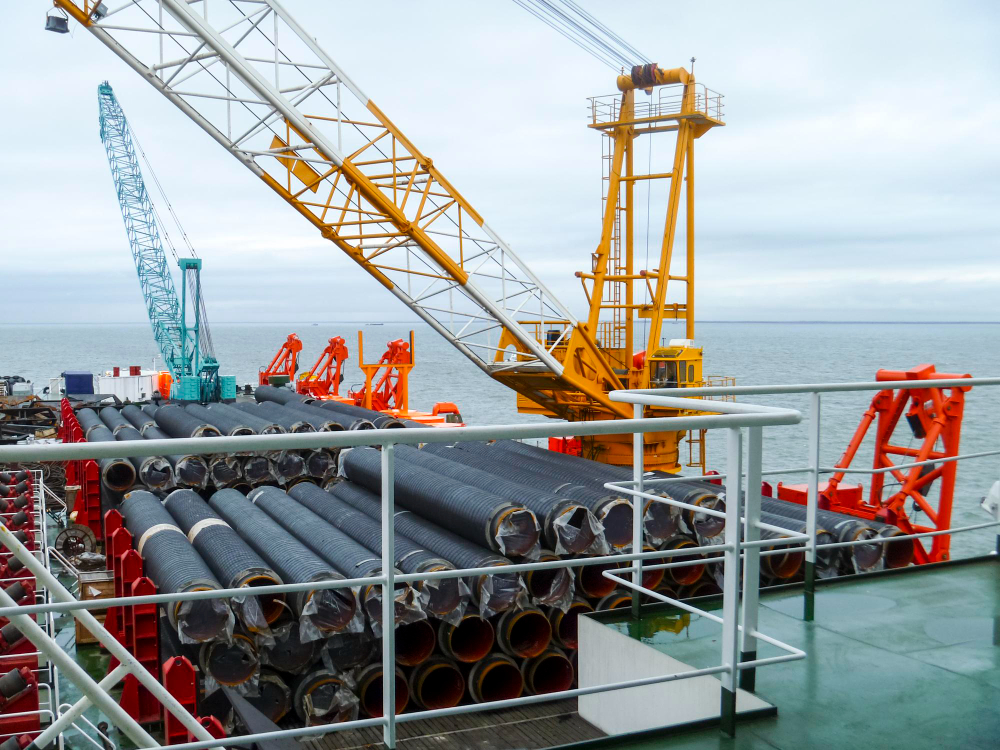
Stainless Steel Buttweld Fittings For Offshore Shipbuilding And Platform Piping
Read More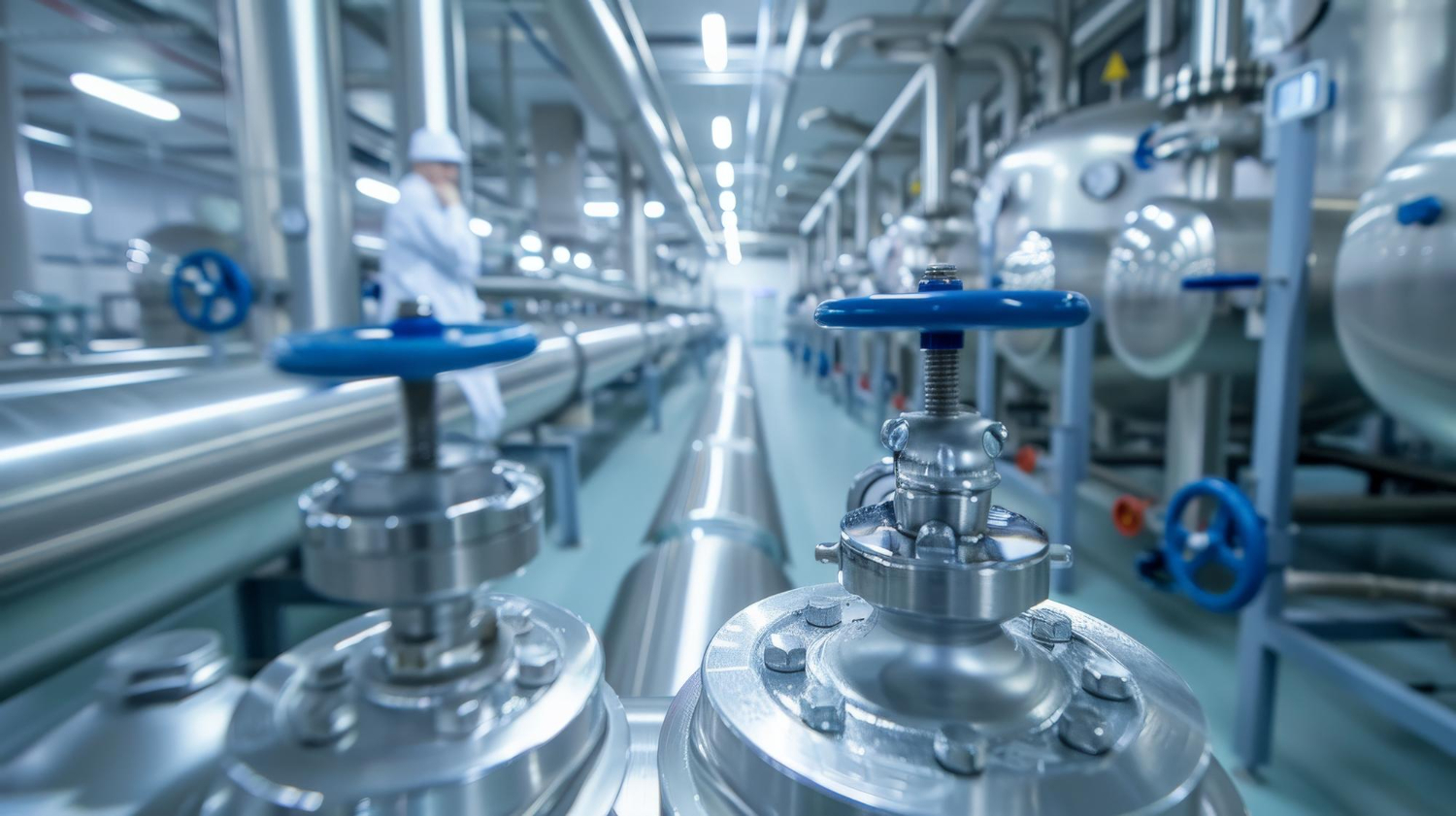
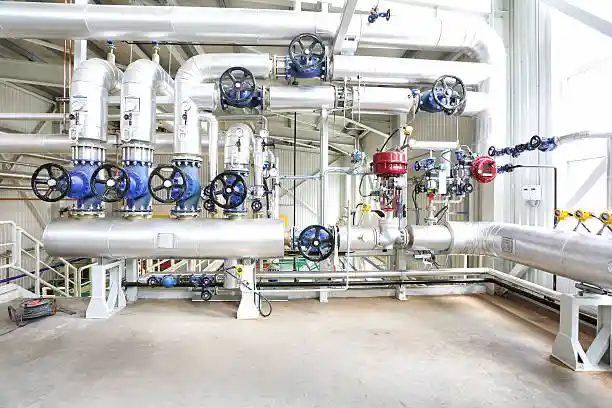
Industrial Valves, Hoses & Gaskets: Alkun Steel’s Solutions for the Tanks & Pumps Industry
Read More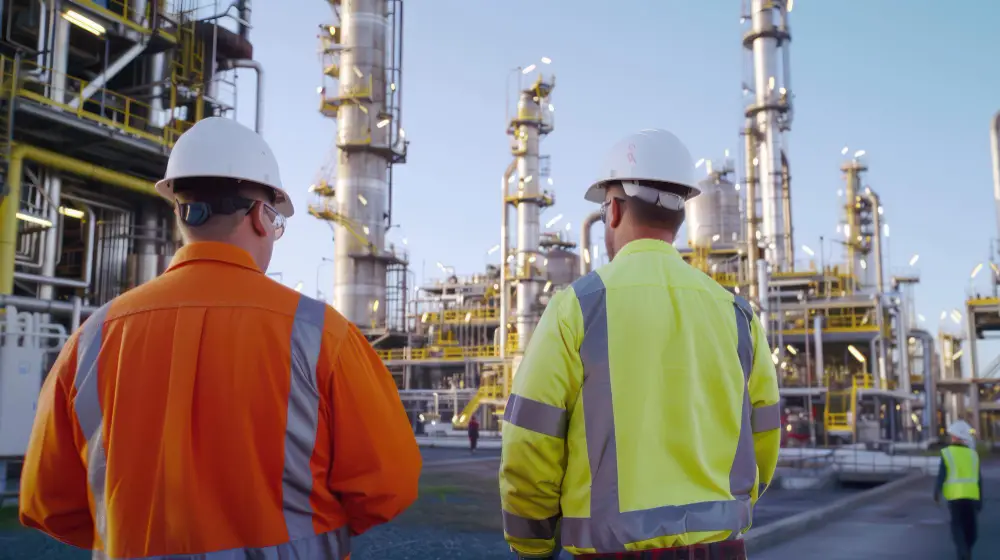
Corrosion-Resistant Valves, Flanges & Joints: Alkun Steel’s Petrochemical Solutions
Read More
Why Alkun Steel Is A Reliable Supplier Of Essential Products In The Oil Drilling & Rig Industry
Read More

Reliable Industrial Components For Fire Fighting Applications: Alkun Steel’s Trusted Solutions
Read More
Why Alkun Steel Is A Reliable Supplier Of Essential Products In The Fabrication Industry
Read More
Industrial Valves, Hoses & Gaskets: Alkun Steel’s Solutions For Aviation Maintenance
Read More

Best Weld Neck, Slip-On, And Blind Flanges For Critical Oil & Gas Connections
Read More
Best Industrial Fasteners for Heavy Equipment Assembly and Structural Steel Projects
Read More