Gasket Selection Guide for High-Pressure Pipelines
A gasket looks like nothing more than a thin ring of metal or fiber sitting between two flanges. Yet that thin ring is often the only thing standing between a stable pipeline and a leak that shuts down a plant for days. Pick the wrong one, and you won't find out until pressure builds up and something gives.
That's exactly why we put together this gasket selection guide for high-pressure pipelines, walking through how pressure, temperature, flange type, and process fluid all come together to decide which gasket actually belongs in your joint. No fluff, no generic checklists, just what actually matters when the stakes are this high.
How Do You Select a Gasket for a High-Pressure Pipeline?
Getting gasket selection right isn't a box-ticking exercise; it's the difference between a joint that holds for twenty years and one that fails during a pressure test. A single wrong assumption about the flange, the fluid, or the bolt load can undo an otherwise solid pipeline design.
Here's what the selection process actually looks like when you break it down step by step.
Start With Pressure, Temperature, and Process Media
Before anything else, you need to know exactly what the gasket will be sealing against, both in terms of pressure class and the fluid running through the line. A gasket that performs beautifully with steam can fail fast with a corrosive hydrocarbon, so this first step shapes everything that follows.
Check the Flange Type and Facing
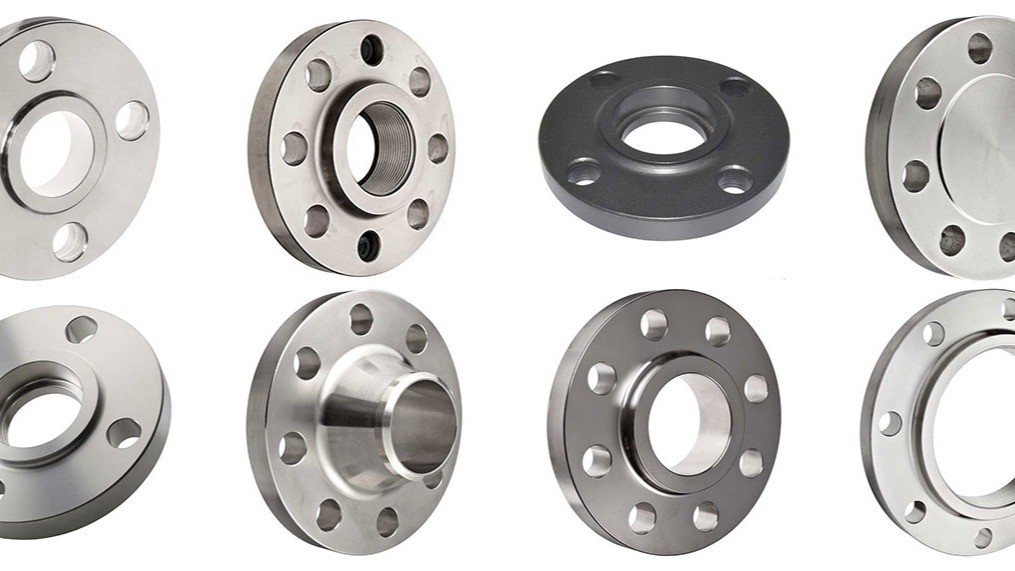
Different flange facings, raised face, flat face, or ring type joint, call for different gasket designs entirely. Get this wrong and even a well-rated gasket won't seat properly, no matter how good the material is.
Determine the Required Gasket Dimensions
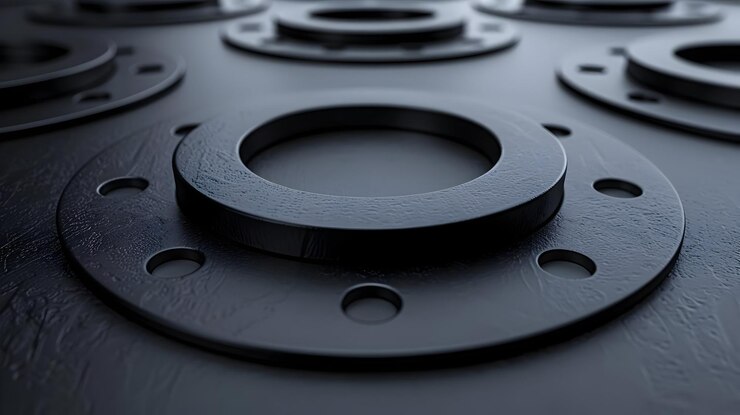
A gasket has to match the exact inner diameter, outer diameter, and thickness the flange calls for, down to the millimeter. Undersized or oversized dimensions throw off the seating stress and create an uneven seal around the joint.
Evaluate Bolt Load and Gasket Seating Requirements
Every gasket needs a certain amount of compression to seal properly, and that compression comes entirely from the bolts holding the flange together. If the available bolt load can't reach that seating stress, the gasket simply won't do its job, regardless of what it's made from.
Consider Pressure Cycling and Thermal Cycling
Pipelines that see repeated startups, shutdowns, or fluctuating flow rates put gaskets through constant expansion and contraction. A gasket chosen only for peak pressure without accounting for this cycling tends to lose its seal well before its rated lifespan.
Check Chemical and Environmental Compatibility
The gasket material has to hold up against the process fluid itself and whatever it's exposed to on the outside, whether that's moisture, UV, or ambient chemicals. A material that resists one but not the other is still a weak point waiting to show up.
Confirm Applicable Standards and Project Specifications
Most high-pressure projects specify exact standards for gasket dimensions, materials, and testing, and skipping this step means risking a component that technically works but doesn't meet the project's documentation requirements. It's worth confirming this early, before procurement, not after installation.
What Makes Gasket Selection Critical in High-Pressure Piping?
At high pressure, small errors stop being small. A flange facing mismatch or a slightly undersized gasket that would barely register at low pressure can turn into a full blowout once pressure climbs into the hundreds of PSI. That's what makes this decision so different from ordinary piping work. The margin for error shrinks as pressure rises, and a gasket failure at these pressures rarely gives you a slow warning leak. It tends to happen all at once, which is exactly why the selection process deserves more attention than it usually gets.
What Types of Gaskets Are Used in High-Pressure Pipelines?
Not every gasket is built for the same job, and knowing what separates one type from another is what keeps you from defaulting to whatever's already sitting in the warehouse. Some are designed to flex and recover under vibration, others are built to hold a rigid seal under extreme pressure alone.
Here's a rundown of the gasket types for pipelines you're most likely to come across in high-pressure service.
Spiral Wound Gaskets
Spiral wound gaskets are built from alternating layers of metal winding and soft filler material, usually graphite, wound together in a tight spiral. They handle flange movement and thermal cycling well, which makes them a common choice anywhere vibration or fluctuating conditions are part of the picture.
Ring Type Joint (RTJ) Gaskets
RTJ gaskets are solid metal rings that sit inside matching grooves machined into the flange faces, creating a metal-to-metal seal under extreme compression. They're a familiar sight in oil and gas piping where pressures run high enough that a soft or semi-metallic gasket simply wouldn't hold.
Kammprofile Gaskets
A Kammprofile gasket uses a serrated metal core covered with a soft sealing layer, usually graphite or PTFE, that presses into those grooves once installed. They tend to outperform spiral wound gaskets in resistance to blowout and hold up better across repeated pressure and temperature swings.
Metal-Jacketed Gaskets
Metal-jacketed gaskets wrap a soft filler material, like asbestos-free fiber or graphite, inside a thin metal shell that conforms to the flange face. They're a solid option for high-temperature service where a fully metallic gasket would be too rigid to seat evenly.
Solid Metallic Gaskets
Solid metallic gaskets are exactly what they sound like, a single piece of metal with no filler at all, relying purely on high bolt load to achieve a seal. They're reserved for the most extreme pressure and temperature applications, where nothing softer would survive.
PTFE Gaskets
PTFE gaskets resist an unusually wide range of chemicals, which makes them a go-to choice anywhere aggressive or corrosive fluids are involved. They're not built for the highest pressure classes, but within their rated range they seal reliably without reacting to what's flowing past them.
Compressed Fibre Gaskets
Compressed fibre gaskets are made from fiber material bonded with an elastomer binder, giving a soft, flexible seal for moderate pressure and temperature service. They're common in lower-pressure sections of a plant, though they're rarely the right call once pressure moves into serious high-pressure territory.
What Factors Should Be Considered in High-Pressure Gasket Selection?
Beyond picking a gasket type, the actual details of the joint decide whether that gasket performs the way it's supposed to. This is where gasket selection for industrial applications gets specific, moving past the general category and into the exact numbers that matter.
Here's what to check once you've narrowed down the type:
Operating Pressure and Pressure Class
The gasket has to be rated for the flange's pressure class, not just the everyday operating pressure the line usually sees. Surge events and pressure spikes can exceed normal conditions by a wide margin, so designing to the class rating rather than the average reading matters.
Process Fluid and Chemical Compatibility
Whatever is flowing through the pipe will be in direct, continuous contact with the gasket material for years. Even a fluid that seems mild can slowly degrade the wrong gasket material, so checking chemical compatibility charts before finalizing a choice saves a lot of trouble later.
Flange Material and Facing
Gasket material should complement the flange it's sealing against, since mismatched hardness between the two can either damage the flange face or fail to achieve a proper seal. The facing type, whether raised face, flat face, or grooved for RTJ, narrows the options considerably.
Gasket Dimensions and Thickness
Thickness affects how much the gasket needs to compress to seal properly, and that number has to line up with the bolt load available. A gasket that's too thick for the joint often needs more compression than the bolts can realistically provide.
Required Seating Stress and Available Bolt Load
Every gasket material has a minimum seating stress it needs to seal effectively, and that number has to be achievable with the bolts specified for the joint. If the bolt pattern can't generate enough load, no gasket choice will fix that on its own.
Pressure and Temperature Cycling
Joints that see frequent startup and shutdown cycles need a gasket that can recover its shape after repeated compression, not just hold a seal under one static load. Materials with poor recovery properties tend to loosen their grip a little more with every cycle.
How Does Gasket Material Affect Pipeline Performance?
The material a gasket is made from decides almost everything about how it behaves under pressure, and getting gasket material selection wrong tends to show up as either a slow weep leak or a sudden failure, depending on what exactly went wrong. Metallic materials like stainless steel or Inconel hold up under extreme pressure and temperature but need very high bolt loads to seat, while softer materials like PTFE or compressed fibre seal more easily but have real limits on how much pressure and temperature they can handle before they start to fail.
The right material also has to survive the chemistry it's sitting in, not just the pressure and heat. A gasket built for oxygen service, for example, needs materials that won't react with oxygen under compression, while one built for sour gas service needs resistance to hydrogen sulfide that a standard material simply won't offer. This is why material selection can't be separated from the specific service conditions of the pipeline. The same pressure rating on paper doesn't guarantee the same real-world performance across different fluids.
How Do You Match Gasket Materials to the Process Fluid?
Matching a gasket to the fluid running through the line starts with understanding exactly what that fluid is capable of doing to different materials over time. Hydrocarbons, acids, steam, and sour gas each interact with gasket materials differently, and a compatibility chart from a gasket manufacturer is usually the fastest way to rule out materials that would degrade, swell, or harden when exposed to that specific fluid.
For pipelines carrying crude oil, refined products, or natural gas, spiral wound or Kammprofile gaskets with graphite filler tend to hold up well, since graphite resists most hydrocarbons without breaking down. For more aggressive fluids like concentrated acids or certain solvents, PTFE-based gaskets usually perform better, since PTFE resists chemical attack that would eat through graphite or standard elastomer fillers over time. The fluid, more than the pressure alone, often ends up being the deciding factor once you've narrowed the pressure class down to a shortlist of viable gasket types.
How Do Pressure and Temperature Affect Gasket Selection?
Pressure and temperature rarely act alone, and a gasket rated for high pressure at room temperature can behave very differently once that same pressure combines with three hundred degrees of heat. As temperature climbs, most gasket materials lose some of their ability to hold a seal under the same bolt load, which means the safe operating window actually shrinks as conditions get more extreme, not the other way around.
This is where pressure-temperature rating charts become essential rather than optional. A gasket manufacturer's chart shows exactly how a material's maximum allowable pressure drops as temperature rises, and skipping this check is one of the more common reasons a gasket that looked fine on paper fails once the line reaches full operating temperature. Selecting for the worst combination of pressure and temperature the line will realistically see, not just the average operating condition, is what keeps this from becoming a problem months into service.
How Should High-Pressure Gaskets Be Sized and Specified?
Sizing a gasket correctly starts with the flange dimensions themselves, not an assumption based on the nominal pipe size. Engineers pull the exact inner diameter, outer diameter, and thickness from the flange's dimensional standard, then confirm the gasket's width leaves enough contact area to distribute bolt load evenly across the entire sealing surface.
Beyond dimensions, a complete gasket specification also needs to call out material, pressure class, and the applicable standard the gasket is manufactured to, since two gaskets with identical dimensions can behave very differently depending on their construction. Leaving any of these details vague on a purchase order is how the wrong gasket ends up installed on a joint it was never actually meant for.
What Standards Apply to Industrial Pipeline Gaskets?
Working with industrial pipeline gaskets means working within a set of standards that govern everything from dimensions to material composition. These standards exist precisely because gasket failure at high pressure carries real safety consequences, not just downtime.
Here's a quick rundown of the standards that come up most often:
ASME B16.20 for Metallic Gaskets
ASME B16.20 covers the materials, dimensions, and tolerances for metallic gaskets, including spiral wound, ring type joint, and metal-jacketed types. It's the reference point most engineers pull up first when specifying a metallic gasket for a high-pressure line.
ASME B16.21 for Nonmetallic Flat Gaskets
This standard covers the sizing and material requirements for nonmetallic flat gaskets used with standard pipe flanges. It's typically referenced for compressed fibre and rubber-based gaskets in lower pressure classes rather than the extreme high-pressure end of the scale.
ASME B16.5 and B16.47 for Relevant Flange Dimensions
These two standards define the flange dimensions themselves, B16.5 for smaller diameter flanges and B16.47 for larger ones, and gasket dimensions under B16.20 and B16.21 are built to match them. Getting the gasket right depends on first confirming which flange standard the joint was built to.
ASME PCC-1 for Bolted Flange Joint Assembly
PCC-1 focuses specifically on how bolted flange joints should be assembled, covering bolt load, tightening sequence, and torque values needed to seat a gasket correctly. Even the right gasket can underperform if the joint isn't assembled according to these guidelines.
API and Project-Specific Requirements for Oil and Gas Applications
For gasket for oil and gas pipelines projects, API specifications often layer on top of ASME standards with additional requirements specific to upstream and downstream service. Project specifications can also add further restrictions beyond what any single standard requires, so it's worth confirming both before finalizing a gasket order.
How Does Installation Affect High-Pressure Gasket Performance?
Even the correct gasket, sized and specified exactly right, can fail if it isn't installed properly. Bolts need to be tightened in the correct sequence and to the correct torque value, gradually working around the flange rather than fully tightening one bolt before moving to the next, since uneven tightening creates uneven stress across the gasket face. Flange surfaces need to be clean and free of old gasket material before a new one goes in, and skipping this step is a surprisingly common cause of leaks that have nothing to do with the gasket itself being the wrong choice.
What Causes Gasket Failure in High-Pressure Pipelines?
Most gasket failures trace back to a handful of recurring root causes that show up across different industries and pressure classes. Recognizing these patterns early is often the difference between catching an issue during commissioning and dealing with an unplanned shutdown later.
Here's what tends to be behind most high-pressure gasket failures:
Incorrect Gasket Selection
Choosing a gasket type or material that doesn't match the actual pressure, temperature, or fluid conditions sets up a failure well before the joint is ever bolted together. This is often the root cause behind failures that get blamed on installation instead.
Chemical Incompatibility
A gasket material that reacts with the process fluid, even slowly, degrades from the inside out long before it shows any visible sign of trouble. By the time a leak appears, the material has usually been breaking down for a while.
Excessive or Insufficient Compression
Too little compression leaves gaps in the seal, while too much can crush certain gasket materials past the point where they can recover their shape. Both extremes trace back to bolt load that wasn't matched properly to the gasket's seating requirements.
Incorrect Gasket Dimensions
A gasket that's slightly too large or too small for the flange creates an uneven seal around the joint, even if the material itself was the right choice. This mistake is easy to avoid but shows up more often than it should.
Damaged or Improperly Prepared Flange Faces
Scratches, pitting, or leftover gasket material from a previous installation all interfere with how evenly a new gasket seats against the flange. A flange face that looks fine at a glance can still have enough surface damage to cause a leak path.
Flange Misalignment
When two flanges aren't properly aligned before bolting, the gasket ends up compressed unevenly across its face, no matter how correctly it was selected or sized. This is one of those installation issues that no gasket, regardless of material or rating, can fully compensate for.
How Do You Prevent Leakage From High-Pressure Flanged Joints?
Preventing leaks is about getting several things right at the same time and not letting any one of them slide. A gasket that's perfect on paper still leaks if the joint around it wasn't handled with the same level of attention.
Here's what actually keeps a high-pressure flanged joint sealed over the long run:
Select the Gasket for the Complete Service Condition
Choosing a gasket based on pressure and temperature alone, without factoring in the fluid and cycling conditions, leaves gaps that show up later. The full picture matters more than any single spec sheet number.
Match the Gasket to the Flange Facing
A gasket designed for one facing type rarely performs well on another, even if the pressure rating matches. Confirming facing compatibility before ordering avoids a mismatch that's expensive to fix after installation.
Verify Flange Condition and Alignment
Inspecting flange faces for damage and confirming proper alignment before installation catches problems that no gasket could otherwise overcome. This step takes minutes and prevents issues that can take days to trace back later.
Control Bolt Load During Assembly
Using a calibrated torque wrench and following the correct tightening sequence keeps compression even across the entire gasket face. Skipping this step is one of the fastest ways to turn a good gasket into a leaking one.
Follow the Approved Joint Assembly Procedure
Consistent, documented procedures for every flanged joint remove guesswork from the installation process and make it easier to trace the cause if a leak does occur. This matters just as much on routine joints as it does on the most critical ones in the system.
What Are the Most Common High-Pressure Gasket Selection Mistakes?
Even experienced teams fall into a handful of familiar traps when specifying gaskets for high-pressure service, and most of them come down to shortcuts taken somewhere in the process. None of these mistakes are complicated to avoid once you know to look for them.
Here's where things most often go wrong:
Choosing a Gasket Based Only on Pressure Rating
A gasket's gasket pressure rating is only one part of the picture, and ignoring temperature, fluid compatibility, and cycling conditions leads to choices that look fine on paper but fail in service. The rating is a starting point, not the whole answer.
Selecting by Material Without Checking Process Compatibility
Assuming a material is safe because it's commonly used in similar applications skips the step of actually checking it against the specific fluid in that particular line. What works for one process doesn't automatically work for another.
Ignoring the Flange Facing
Ordering a gasket without confirming the exact facing type on the flange is one of the most avoidable mistakes on this list, yet it still happens more often than expected. A quick check before ordering saves a return shipment and a delay.
Matching the Gasket to Pipe Size Instead of the Flange
Pipe size and flange dimensions aren't always the same thing, especially once you factor in different flange standards and pressure classes. Ordering by pipe size alone risks a gasket that doesn't actually fit the flange it's meant for.
Choosing the Lowest-Cost Gasket
The cheapest gasket on the quote often ends up costing more once you factor in downtime, replacement labor, and the risk of a failure that could have been avoided. Upfront savings rarely account for what happens if that gasket doesn't hold.
How Should You Evaluate an Industrial Gasket Supplier?
A gasket is only as good as the supplier standing behind it, and that means looking past the price list to how well they actually understand your application. A supplier who can walk you through material compatibility, standards compliance, and dimensional accuracy for your specific project is worth far more than one who simply ships whatever's in stock.
At Alkun Steel, this is exactly how we approach industrial gasket selection for our clients across oil and gas, industrial, and process piping projects. We supply gaskets and pipe fittings built to the exact standards your project calls for, and our team works directly with clients to match materials and dimensions to real operating conditions rather than guesswork. If you're specifying gaskets for a high-pressure pipeline, we're glad to talk through the details with you.
Conclusion
Selecting the right gasket for a high-pressure pipeline comes down to working through pressure, temperature, fluid compatibility, flange type, and bolt load together, not treating any one of them as the deciding factor on its own. Skip a step in that process and even a well-rated gasket can fail long before it should, while getting each piece right gives you a joint that holds for years without a second thought.
That's the whole point of this gasket selection guide for high-pressure pipelines, giving you a clear path through decisions that carry real consequences when they're rushed. Whether you're specifying gaskets for a new pipeline or reviewing an existing joint that's giving you trouble, taking the time to match the gasket to the complete service condition pays off every time pressure builds in that line.
FAQs
1. Which gasket is best for high-pressure pipelines?
Spiral wound, RTJ, and Kammprofile gaskets are the most common choices, with the right one depending on flange facing, pressure class, and fluid.
2. How do I choose the right gasket material?
Match the material to the process fluid's chemical compatibility first, then confirm it holds up under the line's pressure and temperature range.
3. What factors affect gasket selection for industrial applications?
Pressure, temperature, process fluid, flange type and facing, bolt load, and applicable standards all play a role.
4. Can the same gasket be used for different fluids?
Not reliably, since a material that resists one fluid may degrade quickly when exposed to another with different chemical properties.
5. How does flange facing affect gasket selection
The facing type determines which gasket designs can seat properly, so a gasket built for one facing rarely works well on another.
6. Does a higher pressure rating always mean a better gasket?
No, a gasket also needs to match the temperature, fluid, and cycling conditions of the line, not just its peak pressure.
7. What causes high-pressure gasket failure?
Incorrect selection, chemical incompatibility, wrong compression, dimensional errors, flange damage, and misalignment are the most common causes.
8. Can a gasket be reused after flange disassembly?
Generally no, since most gasket materials deform permanently once compressed and won't seal reliably a second time.
Related Articles

The Complete Buyer's Guide to Industrial Gratings: GI vs Stainless Steel vs Aluminium vs Ductile Iron
Read More

Chequered Plate Buying Guide: MS vs GI vs Stainless Steel Checker Plates Compared
Read More
C-Channel vs U-Channel: Sizes, Uses & How to Choose the Right Structural Steel Channel
Read More


Valves Used in District Cooling Systems: Types, Functions, and Selection Criteria
Read More
Threaded vs Socket Weld vs Butt Weld Fittings: Which Is Right for Your Project?
Read More
Carbon Steel vs Stainless Steel Pipes: Cost, Performance, and Application Comparison
Read More


How Fire Fighting Valves Ensure Safe and Efficient High-Pressure Water Systems
Read More


Stainless Steel Buttweld Fittings For Offshore Shipbuilding And Platform Piping
Read More
Industrial Valves, Hoses & Gaskets: Alkun Steel’s Solutions for the Tanks & Pumps Industry
Read More
Corrosion-Resistant Valves, Flanges & Joints: Alkun Steel’s Petrochemical Solutions
Read More
Why Alkun Steel Is A Reliable Supplier Of Essential Products In The Oil Drilling & Rig Industry
Read More


Reliable Industrial Components For Fire Fighting Applications: Alkun Steel’s Trusted Solutions
Read More
Why Alkun Steel Is A Reliable Supplier Of Essential Products In The Fabrication Industry
Read More

Industrial Valves, Hoses & Gaskets: Alkun Steel’s Solutions For Aviation Maintenance
Read More

Best Weld Neck, Slip-On, And Blind Flanges For Critical Oil & Gas Connections
Read More
Best Industrial Fasteners for Heavy Equipment Assembly and Structural Steel Projects
Read More