Essential Materials Required for Oil & Gas Piping Systems
A single oil and gas pipeline can run for hundreds of kilometers, cross deserts, mountains, and seabeds, and still be expected to hold pressure without a single failure for decades. That kind of reliability doesn't come from good engineering alone. It comes from getting the materials right, piece by piece, before a single section of pipe ever goes into the ground.
This guide breaks down the materials required for oil and gas piping systems, from the pipes themselves down to the bolts holding a flange together. Whether you're planning a new pipeline or just trying to understand what goes into one, here's what actually belongs on the list.
What Materials Are Required for an Oil & Gas Piping System?
An oil and gas piping system is built from several distinct categories of material, not one uniform product. Let's go through each category and see what it actually covers.
Pipes and Tubes
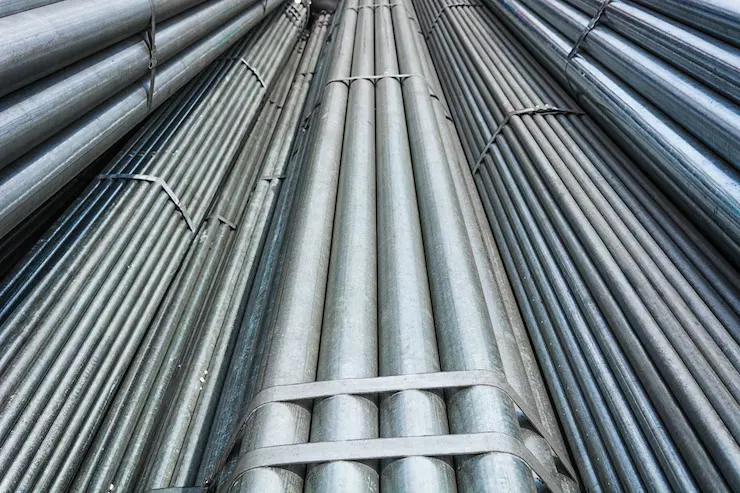
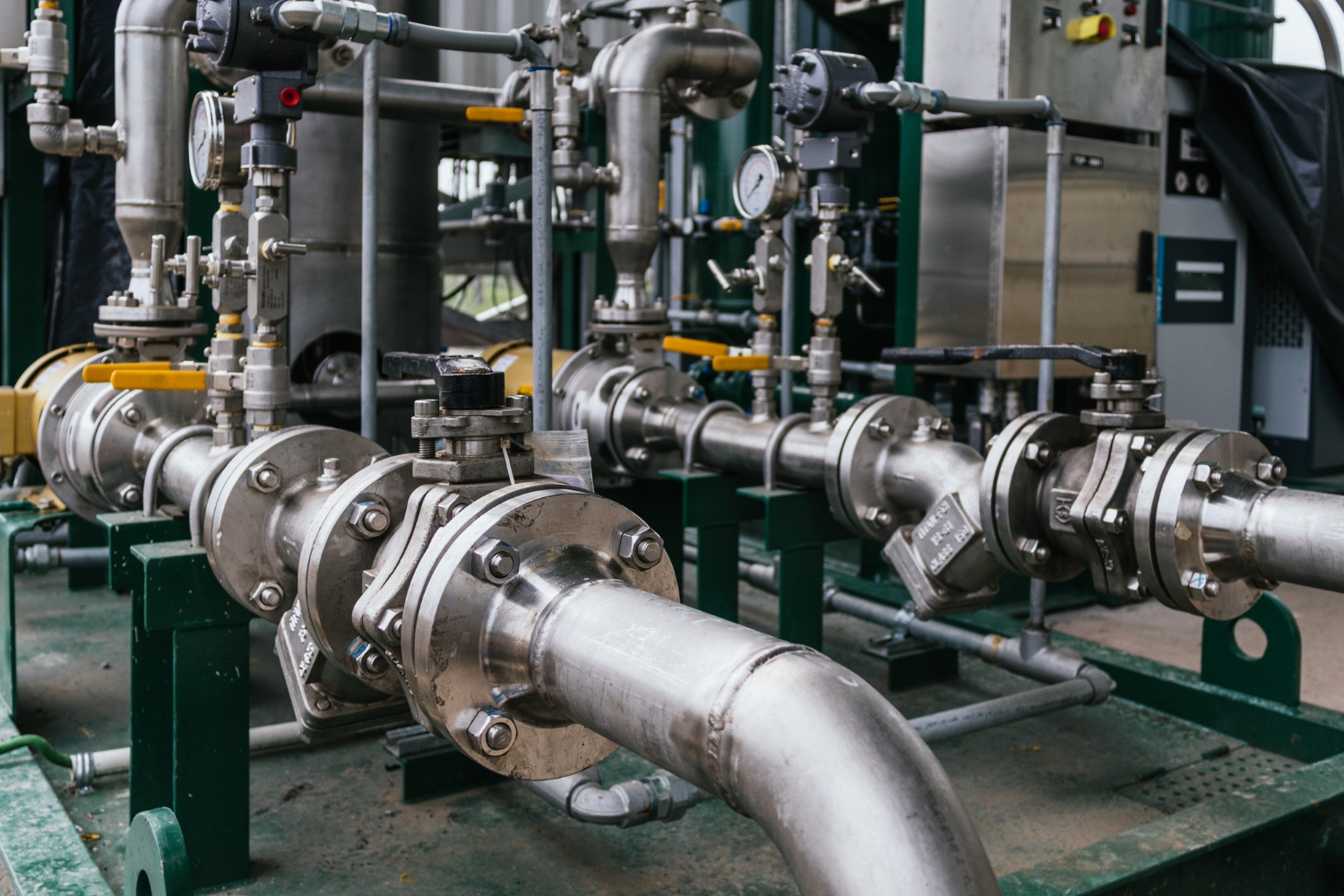
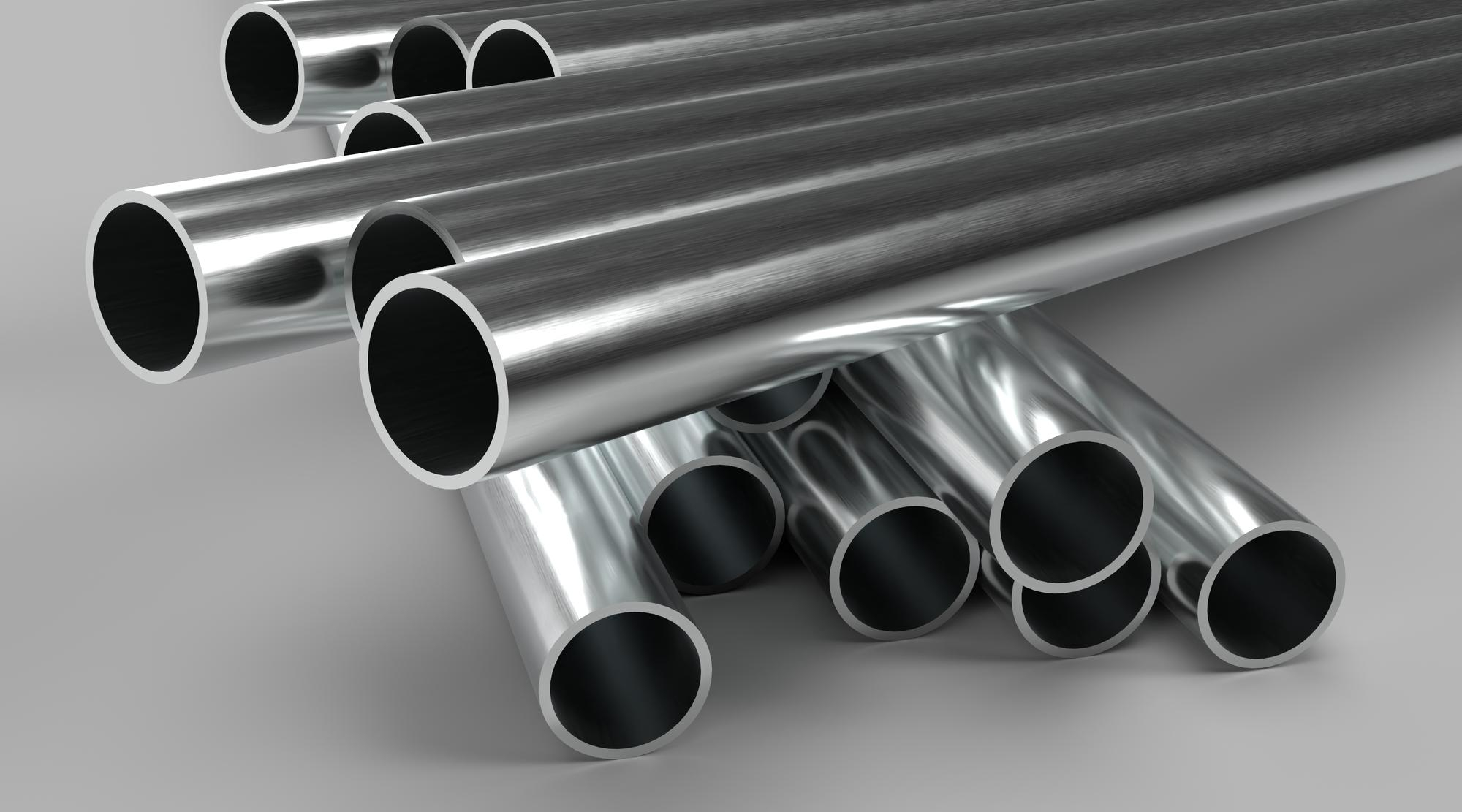
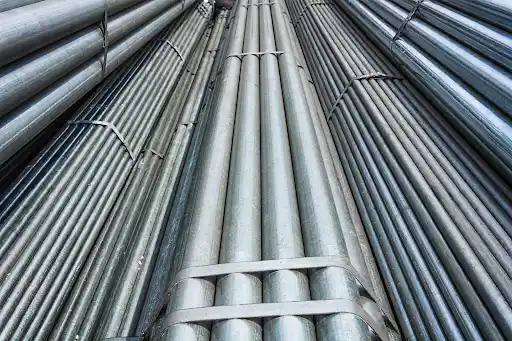
Pipes and tubes form the backbone of the system, carrying oil, gas, or water from one point to another under pressure. Their material, wall thickness, and manufacturing method all depend on the pressure, temperature, and fluid they're built to handle.
Pipe Fittings and Branch Connections
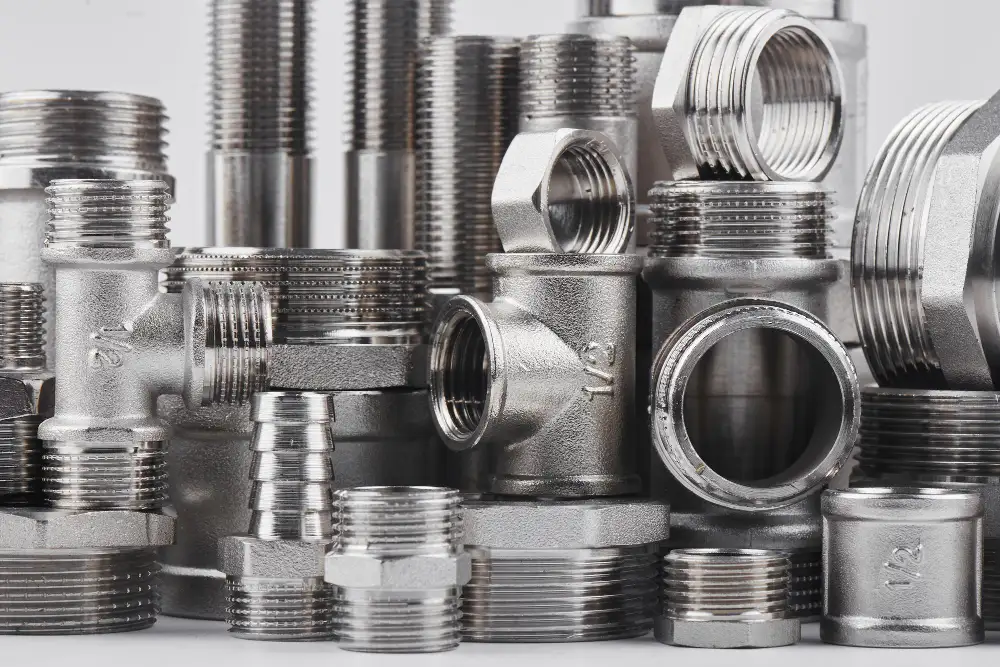
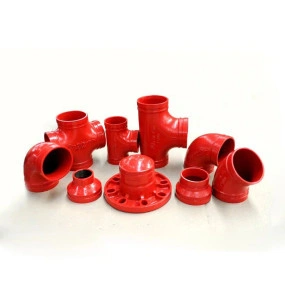
Fittings connect pipe sections together, change direction, or split flow into branch lines. Every fitting needs to match the pressure rating and connection type of the pipe it's joined to, or it becomes the weak point in the system.
Valves and Flow-Control Components
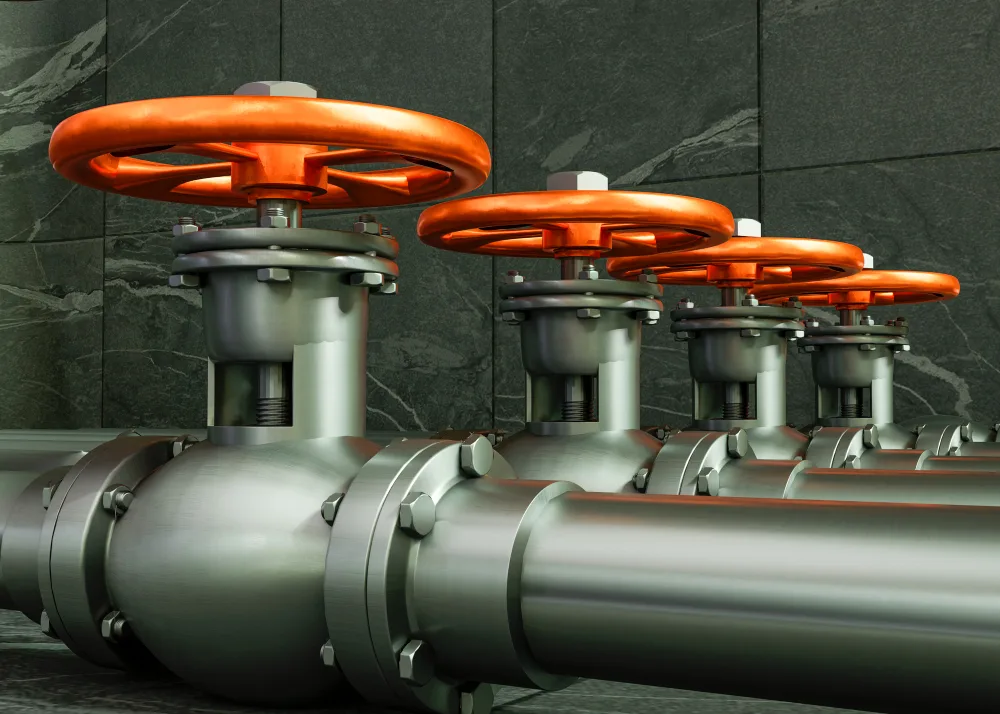
Valves control the flow of oil, gas, or water through the system, whether that means shutting off a section completely or fine-tuning flow rate. Different valve types handle different jobs, so a system typically needs several types working together.
Flanges, Gaskets, and Bolting
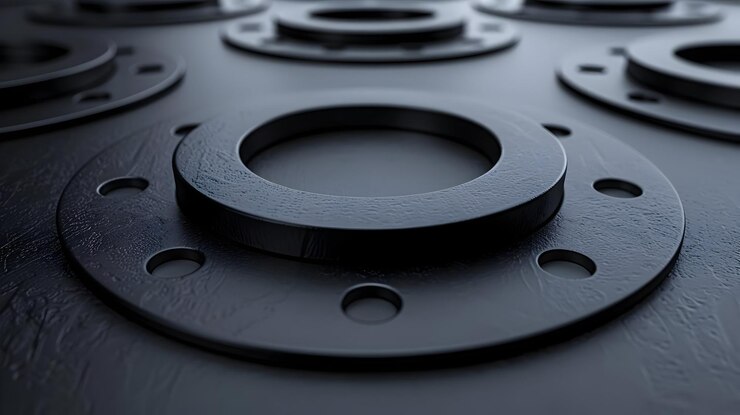
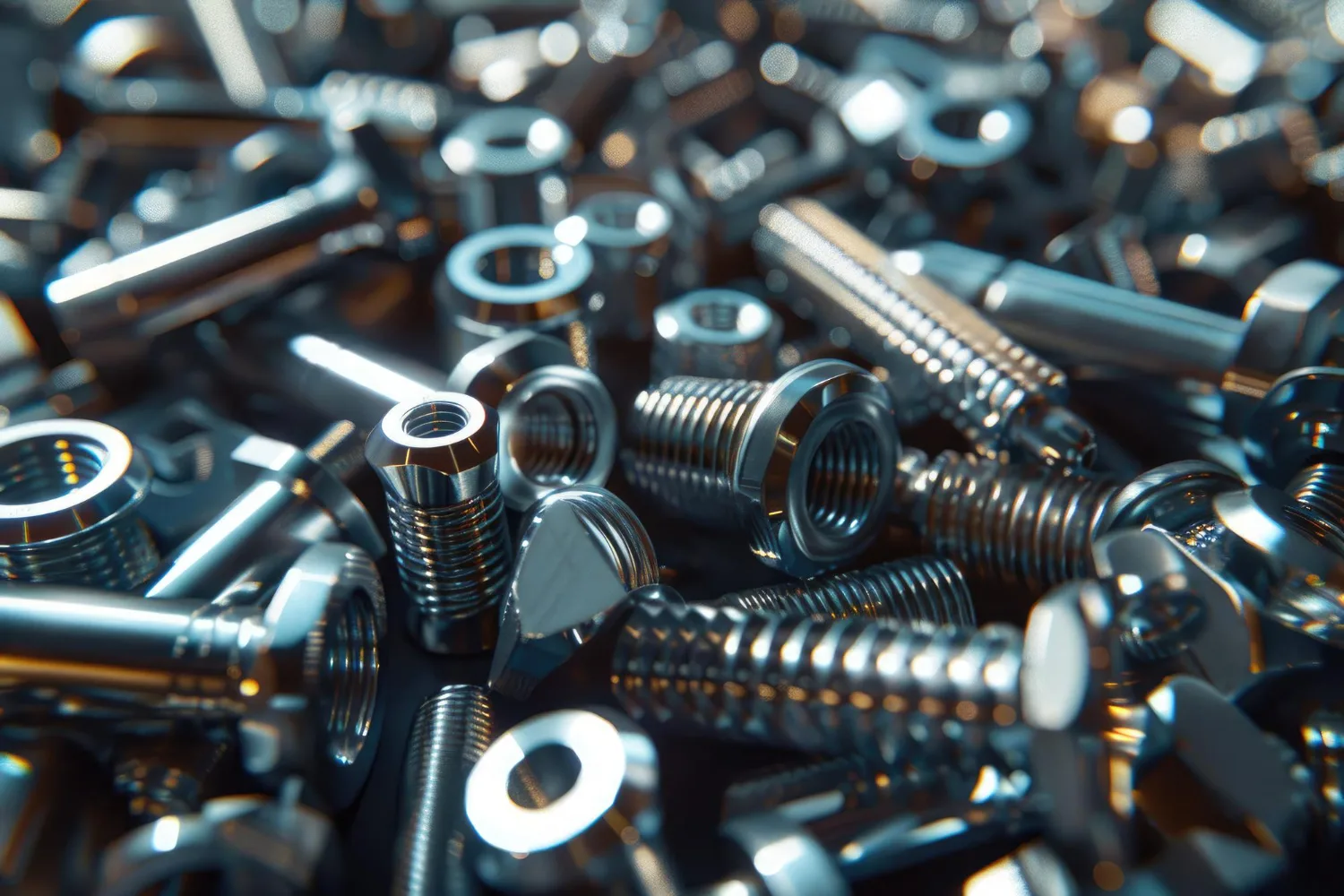
Flanges create removable joints in the piping system, and gaskets and bolts are what make those joints seal properly under pressure. All three need to be specified as a set, since mismatching any one of them weakens the whole connection.
Specialty and Auxiliary Piping Components
Beyond the basics, systems often need specialty items like expansion joints, strainers, and instrumentation fittings to handle specific operating conditions. These get overlooked more often than they should, given how much they affect day-to-day reliability.
Pipe Supports, Clamps, and Installation Materials
Pipes need proper support to avoid sagging, vibration damage, or stress on nearby joints over time. Hangers, clamps, and anchors keep the whole system stable long after installation is complete.
Protective and Corrosion-Control Materials
Coatings, wraps, and cathodic protection systems all work to keep pipe material from degrading due to soil, moisture, or the fluid inside it. Skipping this category is one of the most common reasons pipelines fail years ahead of their expected life.
How Does Material Selection Change Across Oil & Gas Operations?
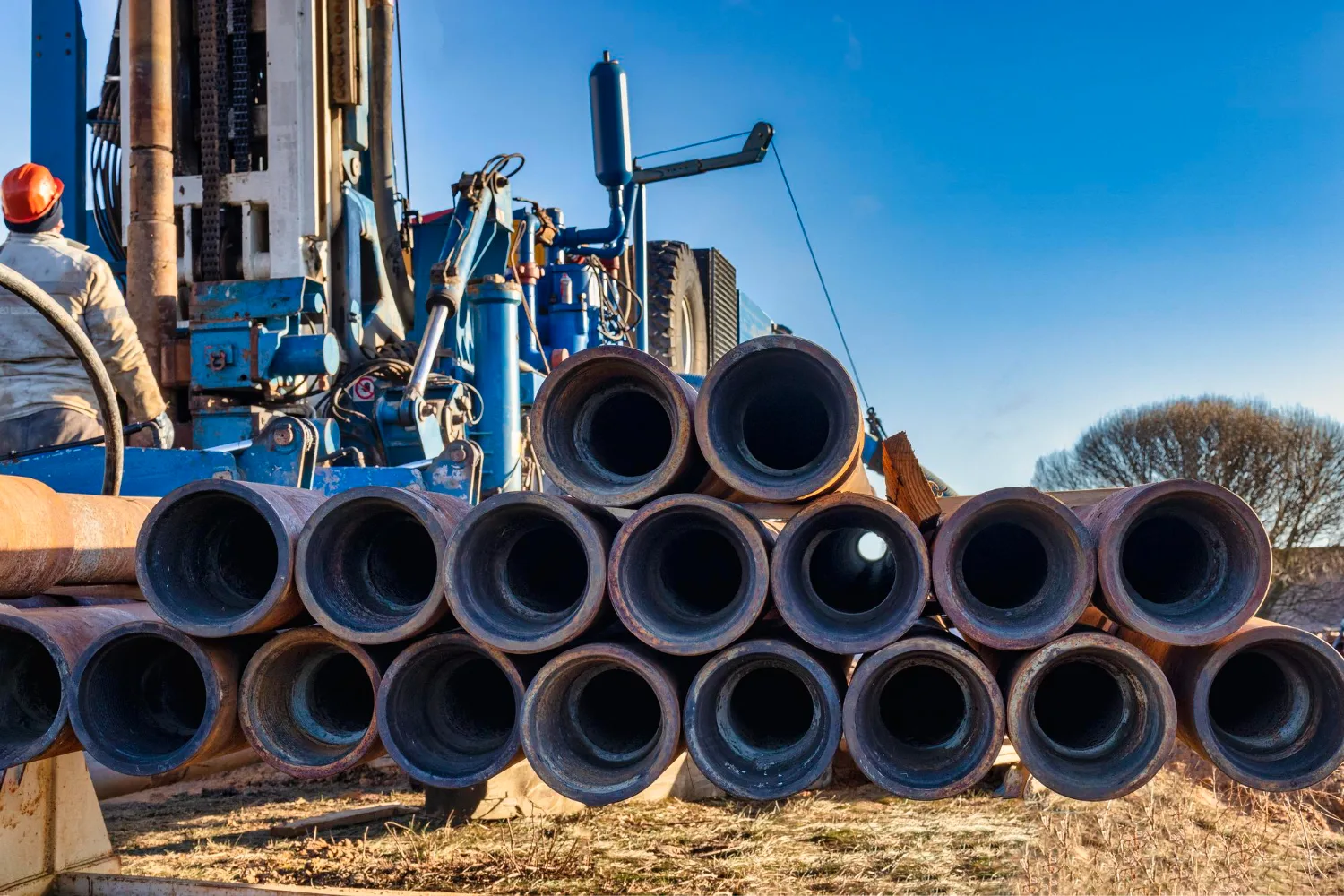
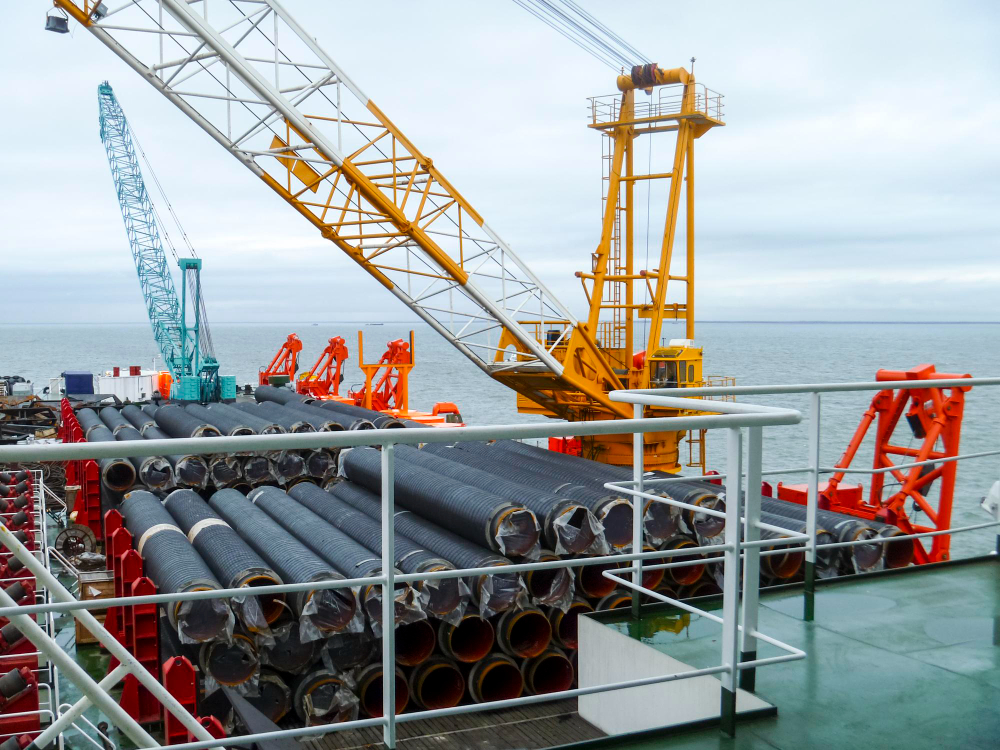
Upstream, midstream, and downstream operations don't need the same materials, even though they're all technically "oil and gas piping." Upstream operations, drilling and wellhead equipment, often deal with high pressure, sour gas, and corrosive well fluids straight from the reservoir, which pushes material selection toward corrosion-resistant alloys and stricter sour service requirements. Midstream operations, the pipelines moving oil and gas over long distances, focus more on line pipe strength, weld quality, and coating systems built to survive years underground or undersea.
Downstream operations, refineries and processing plants, shift the focus again toward process piping that handles a wider mix of temperatures, chemicals, and pressures within a single facility. A refinery might use everything from standard carbon steel to stainless steel and specialty alloys within the same unit, depending on what each section of pipe is actually carrying. Understanding which segment of the industry a project sits in is really the starting point for every material decision that follows.
Which Pipes Are Used in Oil & Gas Piping Systems?
Pipe material and manufacturing method both play a role in how a pipe performs under real operating conditions. Here's a look at the main pipe types you'll come across across the industry.
Carbon Steel Pipes
Carbon steel pipes are the most common choice across oil and gas piping, offering good strength at a reasonable cost for a wide range of pressures and temperatures. They're the default material unless a specific condition, like extreme cold or a corrosive fluid, calls for something else.
Low-Temperature Carbon Steel Pipes
Low-temperature carbon steel pipes are designed to stay tough and resist cracking in cold climates or cryogenic service, where standard carbon steel can become brittle. These are common in regions with harsh winters or in facilities handling liquefied gases.
Stainless Steel Pipes
Stainless steel pipes resist corrosion far better than carbon steel, which makes them the go-to choice for sour service, high-purity applications, or fluids that would eat through standard steel over time. The extra cost is usually justified by a much longer service life in aggressive conditions.
Low-Alloy and Alloy Steel Pipes
Low-alloy and alloy steel pipes add specific elements like chromium or molybdenum to boost strength and resistance to heat, making them common in high-temperature process piping. They sit in the middle ground between standard carbon steel and fully stainless materials.
Seamless Pipes
Seamless pipes are made from a solid billet of steel stretched into shape, with no weld seam anywhere along their length. That single-piece construction gives them strong, consistent performance under high pressure, which is why they're often the preferred choice for demanding or sour service applications.
Welded Pipes
Welded pipes are formed by rolling steel plate or coil into shape and welding the seam closed, and modern manufacturing and inspection methods make them a solid choice for a wide range of pressure classes. They're generally more available in larger diameters and often cost less than seamless pipe of the same size.
Line Pipe for Oil and Gas Transportation
Line pipe is manufactured specifically for transporting oil, gas, and water over long distances, built and tested to standards that address the unique demands of pipeline service. It's what you'll find running beneath most cross-country pipelines, whether seamless or welded, depending on diameter and pressure requirements.
What Pipe Fittings Are Required for Oil & Gas Piping?
Fittings are what let a piping system change direction, branch out, or transition between sizes without weakening the line. Here's a look at the fittings you'll typically find across an oil and gas project.
Elbows
Elbows change the direction of a pipe run, usually at 45 or 90 degree angles, and need to match the pipe's schedule and material exactly. A mismatched elbow becomes an obvious weak point the moment pressure builds.
Tees and Crosses
Tees and crosses split flow into two or three directions from a single main line, and they see more stress than a straight run of pipe. Their rating needs to reflect the busiest flow condition the branch will ever see, not just the average.
Reducers
Reducers step a pipe down from one diameter to a smaller one as flow requirements change along the line. Getting the transition length right keeps turbulence and pressure loss to a minimum at that point.
Caps
Caps seal off the end of a pipe run completely, whether that's a temporary condition during construction or a permanent dead-end in the system. They need the same pressure rating as the pipe they're closing off.
Butt-Weld Fittings
Butt-weld fittings are welded directly to the pipe end, creating a strong, permanent joint suited to high-pressure and high-temperature service. They're the standard choice for larger diameter piping across most oil and gas projects.
Socket-Weld Fittings
Socket-weld fittings slide over the pipe end and are welded around the outside, which works well for smaller diameter pipe where full penetration welding isn't practical. They're common in instrumentation and utility lines rather than main process piping.
Threaded Fittings
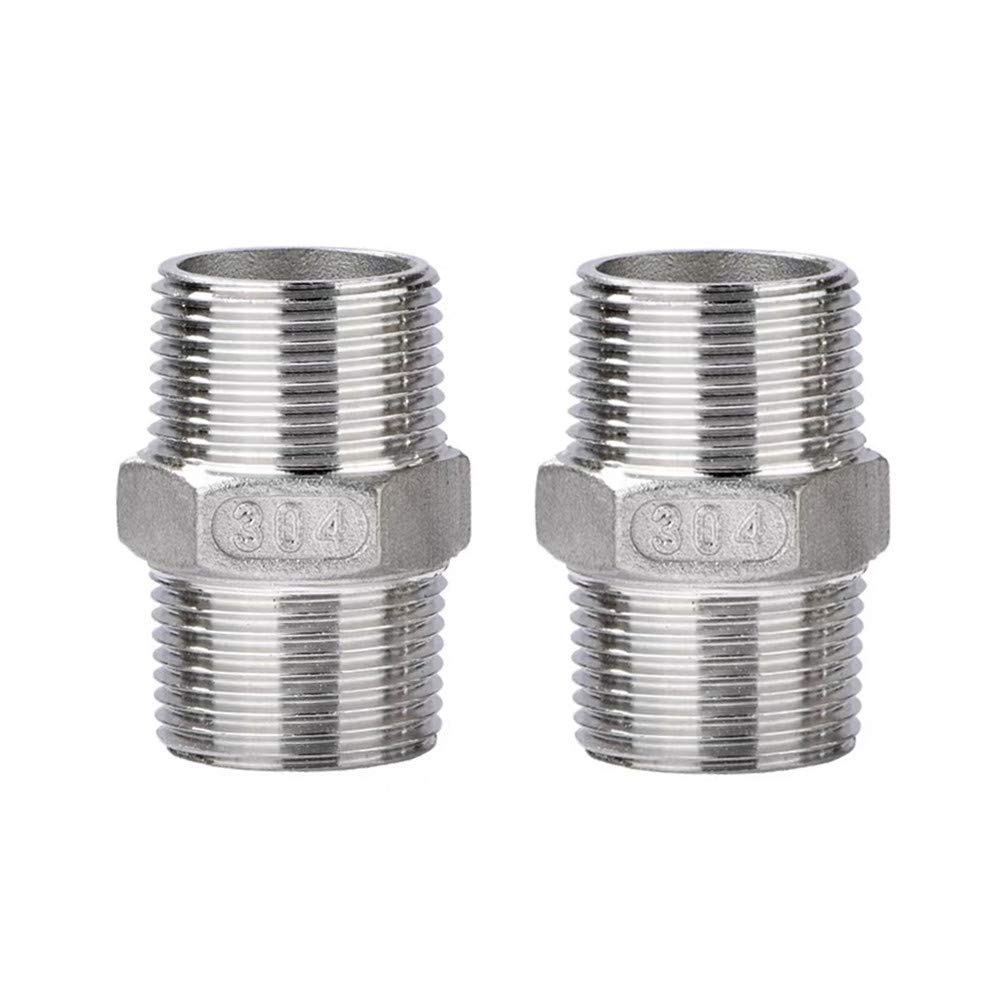
Threaded fittings screw directly onto pipe ends without any welding, making them fast to install but generally limited to lower pressure and smaller diameter applications. They show up most often in utility piping rather than critical process lines.
Branch Connections
Branch connections let you add a new line onto an existing pipe without a full tee fitting, often using a reinforced fitting welded directly onto the main run. They're a practical solution when adding connections after the main line is already in service.
Couplings and Unions
Couplings join two pipe sections together in a permanent connection, while unions do the same job but allow the joint to be taken apart for maintenance. Choosing between the two comes down to whether that section will ever need to be disconnected again.
Which Valves Are Used in Oil & Gas Piping Systems?
Valves give an oil and gas system control over flow, pressure, and direction, and different valve types are built for very different jobs. Here's what each one actually does.
Ball Valves
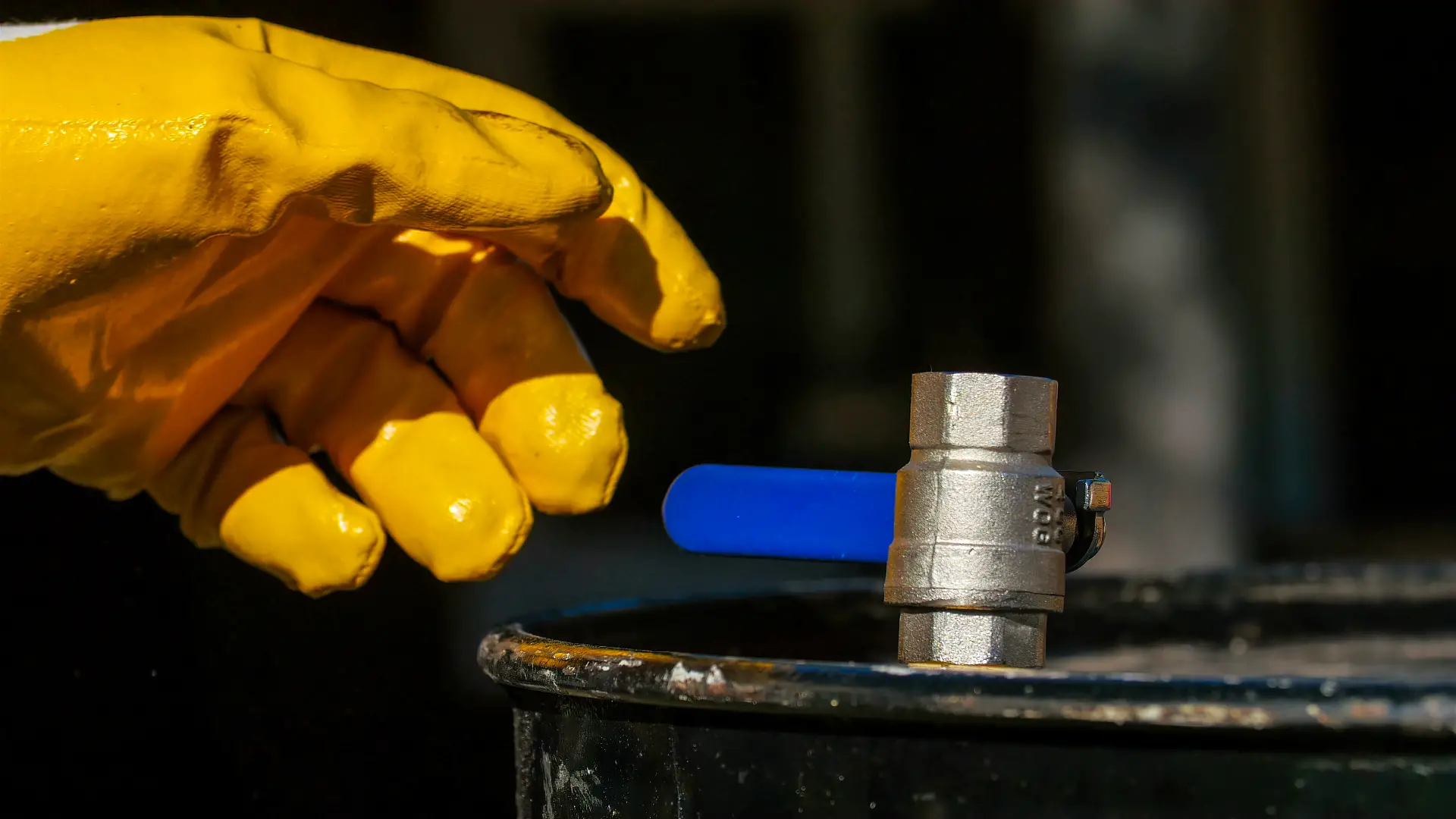
Ball valves use a rotating ball with a hole through the center to control flow, giving a tight, reliable shutoff with just a quarter turn. They're a common choice for isolation service across a wide range of pressures.
Gate Valves
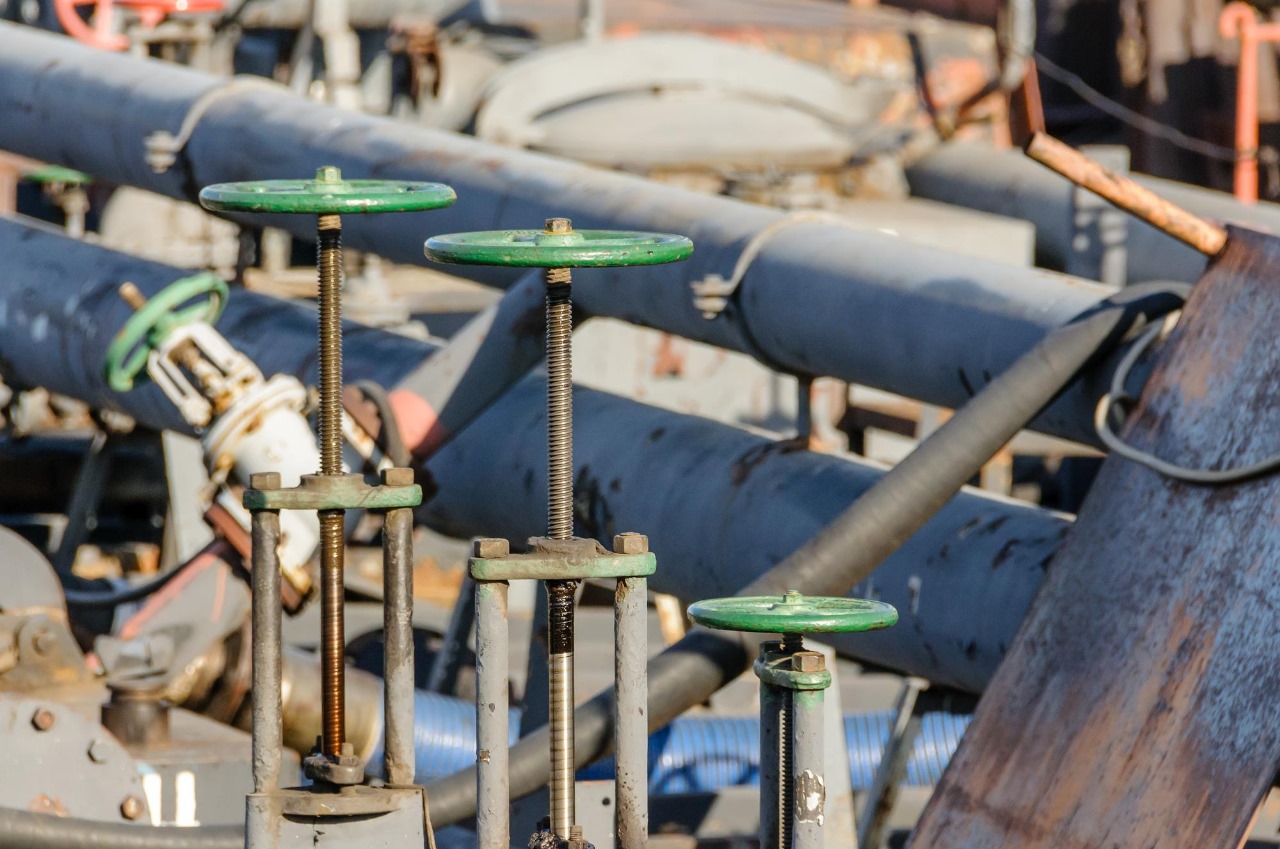
Gate valves open and close using a sliding gate, offering minimal resistance to flow when fully open. They're typically used for full isolation rather than throttling flow, since partial opening can wear the gate unevenly.
Globe Valves
Globe valves are built for regulating flow rather than simple on-off control, using a design that allows precise throttling. They cause more pressure drop than a gate or ball valve, which is the tradeoff for finer control.
Check Valves
Check valves allow flow in one direction only, closing automatically if flow tries to reverse. They're commonly installed after pumps and compressors to protect equipment from backflow.
Butterfly Valves
Butterfly valves use a rotating disc to control flow, offering a lighter, more compact alternative to gate valves on larger pipe diameters. They're a common choice where space and quick operation both matter.
Control Valves
Control valves adjust automatically based on a signal from the facility's control system, keeping flow, pressure, or temperature within a set range without manual adjustment. They play a central role in process facilities where conditions change constantly.
Pressure-Relief Valves
Pressure-relief valves open automatically to release excess pressure before it can damage piping or equipment. They're one of the most important safety components in any high-pressure system, even though they rarely need to actually operate.
Plug Valves
Plug valves use a cylindrical or tapered plug with a hole through it, similar in concept to a ball valve, to control flow with a quarter turn. They're often chosen for slurry or dirty fluid service where a ball valve's seat might trap debris.
What Flanges, Gaskets, and Bolting Are Required?
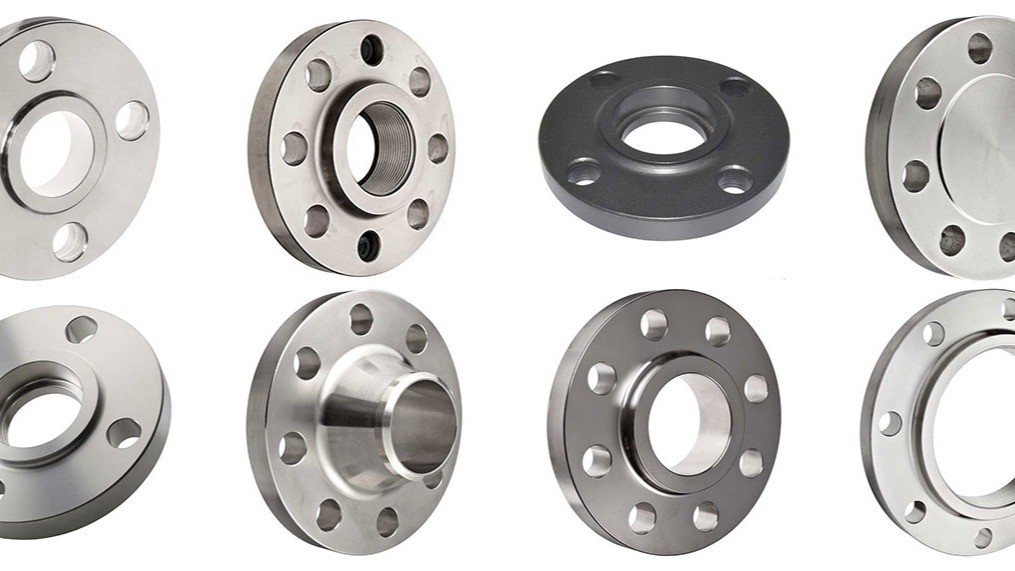
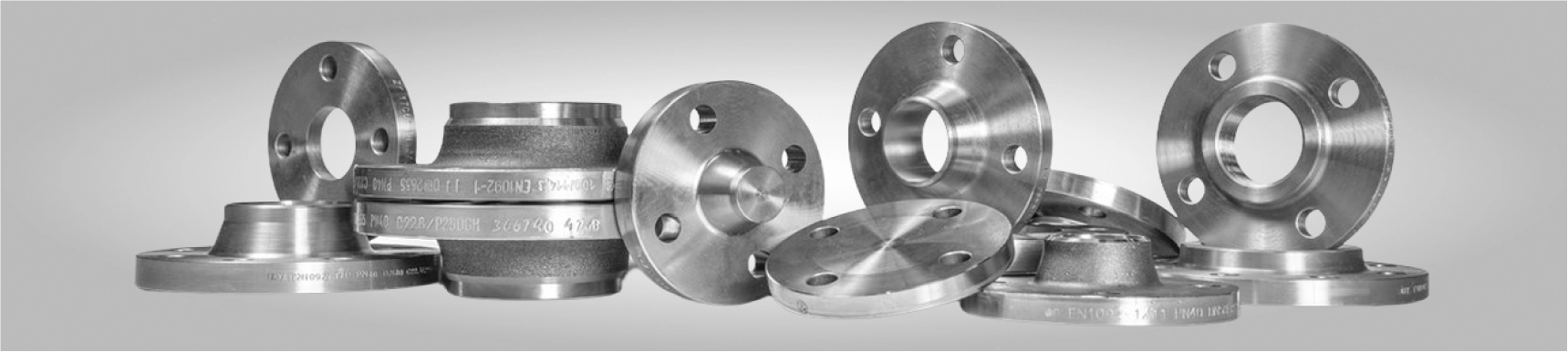
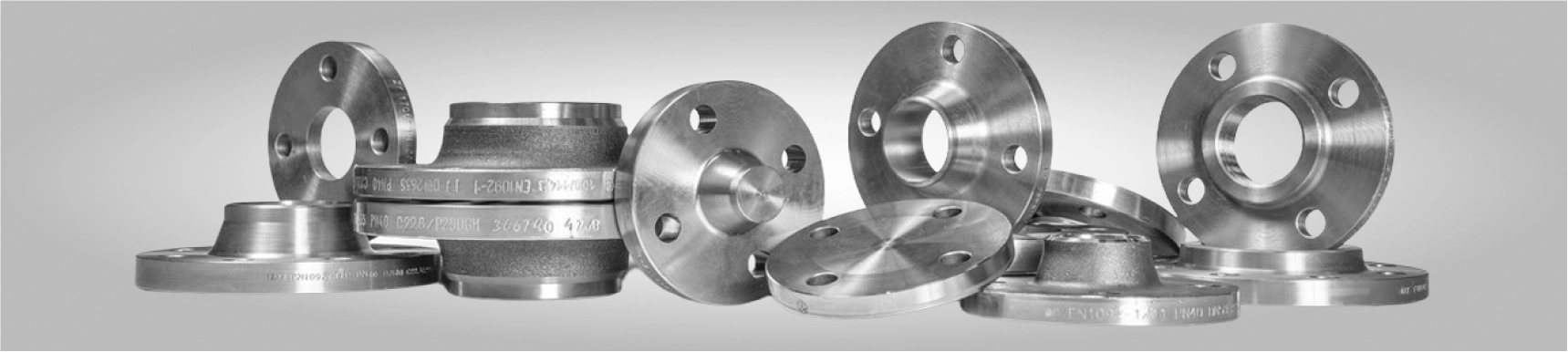
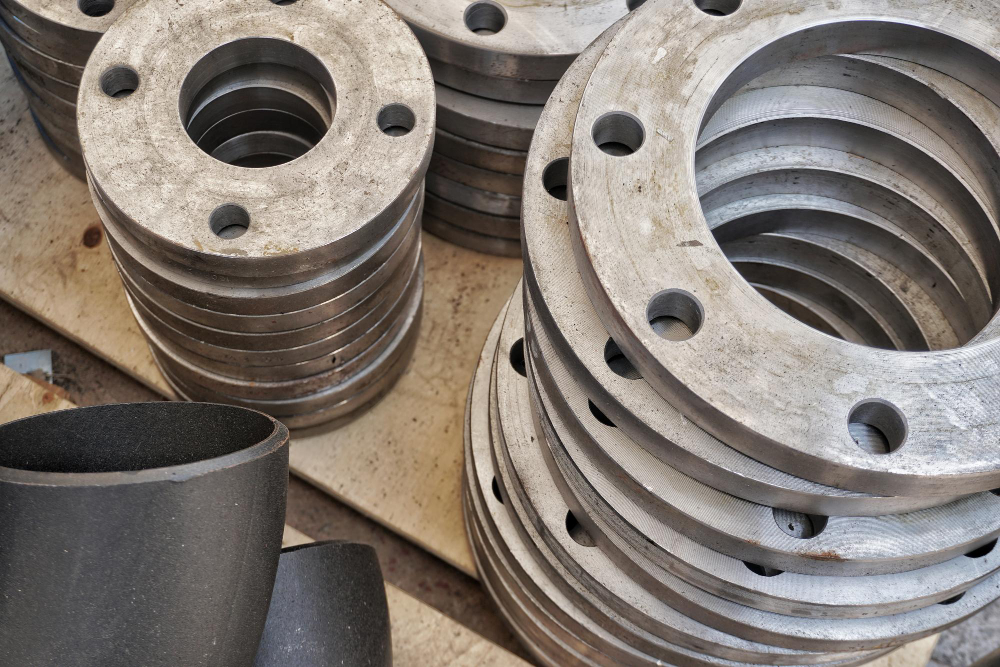
Flanges create bolted, removable connections at points where pipes meet valves, equipment, or other pipe sections. Here's a look at the flange types most commonly specified across oil and gas piping.
Weld Neck Flanges
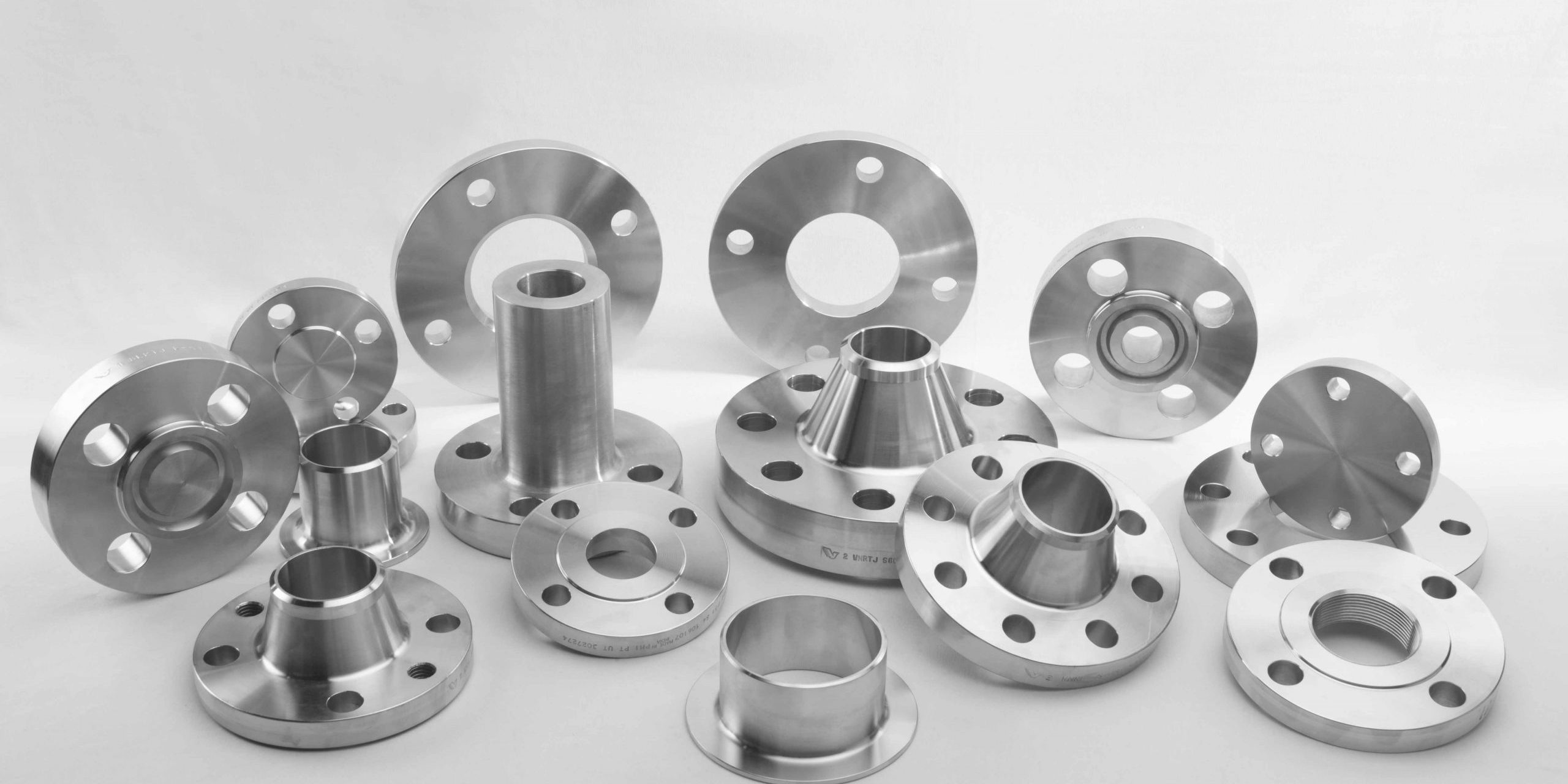
Weld neck flanges are welded directly to the pipe with a tapered hub that gradually transfers stress into the flange, making them a strong choice for high-pressure service. They're the standard choice on critical piping where reliability matters most.
Slip-On Flanges
Slip-on flanges slide over the end of the pipe and are welded both inside and out, offering a slightly easier installation than weld neck flanges. They're generally used in lower-pressure applications where the extra strength of a weld neck isn't required.
Blind Flanges
Blind flanges have no bore at all, used to seal off the end of a pipe run or a valve opening completely. They're common at the end of a line or wherever future expansion might reconnect a section later.
Socket-Weld Flanges
Socket-weld flanges work like socket-weld fittings, with the pipe sliding into a socket before being welded around the outside. They're typically limited to smaller diameter, lower pressure piping.
Threaded Flanges
Threaded flanges screw onto pipe ends without welding, which can be useful where welding on site isn't practical or safe. They're generally reserved for lower pressure applications given the limits of a threaded connection under stress.
Which Supporting Components Are Needed in an Oil & Gas Piping System?
Beyond pipes, fittings, and valves, a piping system needs a whole category of components that keep everything in place and working correctly over time. Pipe supports, hangers, and anchors carry the physical weight of the piping and absorb movement from thermal expansion, vibration, and settling ground, preventing stress from building up at joints and welds.
Instrumentation fittings, strainers, and expansion joints round out the list, each solving a specific operational problem rather than a structural one. Strainers protect pumps and valves from debris, expansion joints absorb movement between rigid sections, and instrumentation fittings give operators the pressure and flow readings they need to run the system safely. None of these get the attention that pipes and valves do, but a system without them tends to develop problems long before the main components ever fail.
How Do You Select Piping Materials for Oil & Gas Applications?
Material selection starts with understanding exactly what the pipe will carry, at what pressure, at what temperature, and for how long. A sweet crude line and a sour gas line might look identical from the outside, but they call for completely different material choices once you factor in corrosion resistance and the risk of hydrogen-related cracking in sour service.
From there, the applicable code, whether that's ASME B31.3, B31.4, or B31.8 depending on the type of service, sets the baseline requirements for wall thickness, joint design, and testing. Local environmental conditions, offshore, desert, or arctic, layer on additional requirements around coatings and low-temperature toughness. Getting all of these factors right before ordering materials is what keeps a project from running into compliance issues or premature failures later.
Which Standards and Specifications Govern Oil & Gas Piping Materials?
Oil and gas piping doesn't get built to a single standard, it's governed by a whole set of codes working together, each covering a different piece of the puzzle. Here's a look at the standards you'll run into most often.
ASME B31.3 for Process Piping
ASME B31.3 governs piping inside refineries, chemical plants, and similar process facilities, covering design, fabrication, and testing requirements. It's the standard most process engineers reach for first when specifying piping within a plant.
ASME B31.4 for Liquid Transportation Piping
ASME B31.4 covers pipelines transporting liquids like crude oil and refined products over long distances. It sets the design rules for wall thickness, joint factors, and testing specific to liquid pipeline service.
ASME B31.8 for Gas Transmission and Distribution Piping
ASME B31.8 governs gas pipelines, covering everything from design pressure calculations to welding and testing requirements. It's the code that shapes most long-distance natural gas transmission projects.
ASME B16 Standards for Piping Components
The ASME B16 series covers the dimensions and pressure ratings for fittings, flanges, and valves, ensuring components from different manufacturers fit together correctly. This family of standards is what keeps piping components interchangeable across a project.
ASTM and ASME Material Specifications
ASTM specifications define the chemical composition, strength, and testing requirements for the raw materials used in pipes, fittings, and flanges. These specifications are what a mill certificate actually verifies against during procurement.
API Standards for Oil and Gas Piping and Pipeline Components
API standards, like API 5L for line pipe, add requirements specific to the oil and gas industry on top of general ASTM and ASME requirements. These standards address the unique demands of long-distance transport and harsh field conditions.
NACE/AMPP Requirements for Corrosion and Sour Service
NACE, now part of AMPP, sets requirements for materials used in sour or corrosive service, addressing risks like hydrogen-induced cracking that standard steel specifications don't cover. Sour service projects need to check compliance with these requirements before finalizing any material order.
How Should Oil & Gas Piping Materials Be Specified?
Specifying piping materials correctly means putting every relevant detail on paper, not just a general description like "carbon steel pipe." A complete specification includes the material grade, manufacturing method, wall thickness, applicable standard, and any additional testing or documentation the project requires, since leaving any of these vague opens the door to receiving something that technically matches the description but doesn't actually fit the application.
For critical service, specifications often go further, calling out impact testing for low-temperature service, hardness limits for sour service, or specific coating requirements for buried or offshore sections. Getting this level of detail right at the specification stage saves a lot of back-and-forth with suppliers later, and it's far easier to fix a specification on paper than to fix a shipment that's already arrived on site.
What Should You Verify Before Procuring Oil & Gas Piping Materials?
Before placing an order, it's worth confirming that every material on the list actually has the documentation to back up its specification. Mill test certificates, third-party inspection reports, and compliance with the applicable ASTM, ASME, or API standard should all be checked against the project's requirements, not just taken on the supplier's word.
It's also worth confirming lead times and availability early, since certain pipe sizes, grades, or alloys can take considerably longer to source than standard carbon steel. A piping procurement guide built around your project's actual specification, checked well before the schedule gets tight, avoids the last-minute substitutions that tend to cause compliance headaches down the line.
How Do You Choose an Oil & Gas Piping Material Supplier?
A good supplier does more than fill an order, they help confirm the material actually matches the service condition before it ships. That means being able to answer questions about grade, standard compliance, and documentation without pushing back or guessing.
At Alkun Steel, this is how we work with clients across upstream, midstream, and downstream projects. We supply pipes, fittings, valves, and flanges built to the standards oil and gas piping calls for, and our team helps confirm the right specification before your order goes out, not after it arrives. If you're sourcing materials for an upcoming piping project, we're happy to talk through the details with you.
Conclusion
Getting the materials right for an oil and gas piping system isn't a small detail, it's the foundation the entire project's safety and longevity are built on. From the pipe grade and manufacturing method down to the smallest gasket, every component plays a role in whether that system performs reliably for the decades it's expected to serve.
Take the time to match materials to the actual service condition, confirm the right standards apply, and verify documentation before anything is ordered. A piping system built on the right materials from day one is one that keeps running quietly in the background, exactly the way it's supposed to.
FAQs
1. What materials are required for oil and gas piping systems?
Pipes, fittings, valves, flanges, gaskets, bolting, supports, and corrosion protection all need to be included in a complete material list.
2. Which pipes are commonly used in oil and gas applications?
Carbon steel, low-temperature carbon steel, stainless steel, and alloy steel pipes are the most common, chosen based on pressure, temperature, and fluid type.
3. What is the difference between seamless and welded pipes?
Seamless pipe has no weld seam and is often preferred for high-pressure or sour service, while welded pipe is widely used and generally more available in larger diameters.
4. Which pipe material is best for oil and gas applications?
There's no single best material, the right choice depends on pressure, temperature, and whether the fluid is corrosive or sour.
5. What fittings are used in oil and gas piping?
Elbows, tees, reducers, caps, and both butt-weld and socket-weld fittings connect pipe sections at every turn and branch.
6. What valves are commonly used in oil and gas piping systems?
Ball, gate, globe, check, butterfly, control, pressure-relief, and plug valves each handle a different function in the system.
7. What standards apply to oil and gas piping materials?
ASME B31.3, B31.4, and B31.8 govern design depending on service type, alongside ASTM material specifications and API standards for pipeline components.
8. What should be checked before purchasing oil and gas piping materials?
Verify material certificates, standard compliance, documentation, and lead times before finalizing any order.
Related Articles
Valves Used in District Cooling Systems: Types, Functions, and Selection Criteria
Read More
Threaded vs Socket Weld vs Butt Weld Fittings: Which Is Right for Your Project?
Read More
Carbon Steel vs Stainless Steel Pipes: Cost, Performance, and Application Comparison
Read More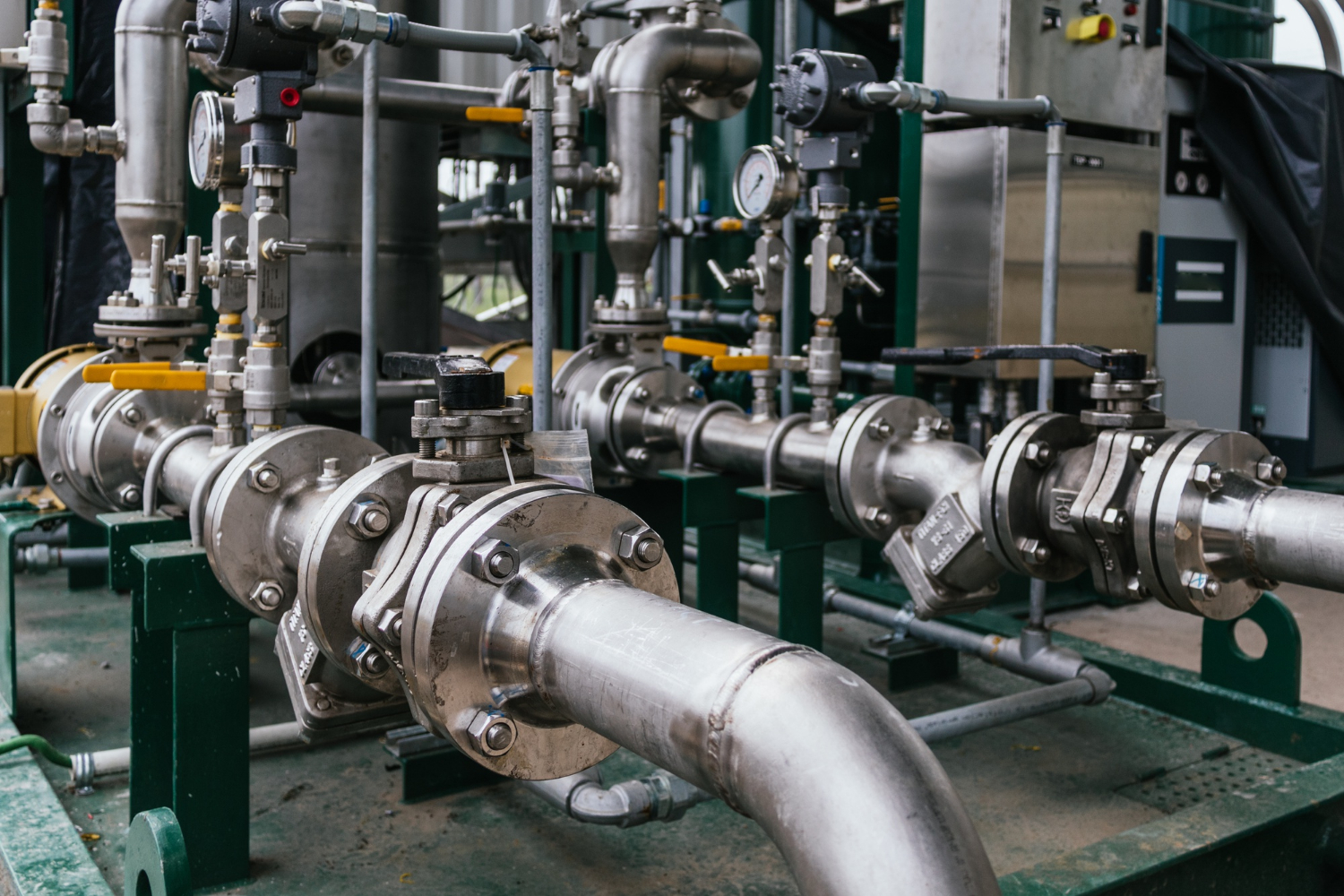


How Fire Fighting Valves Ensure Safe and Efficient High-Pressure Water Systems
Read More



Stainless Steel Buttweld Fittings For Offshore Shipbuilding And Platform Piping
Read More
Industrial Valves, Hoses & Gaskets: Alkun Steel’s Solutions for the Tanks & Pumps Industry
Read More
Corrosion-Resistant Valves, Flanges & Joints: Alkun Steel’s Petrochemical Solutions
Read More
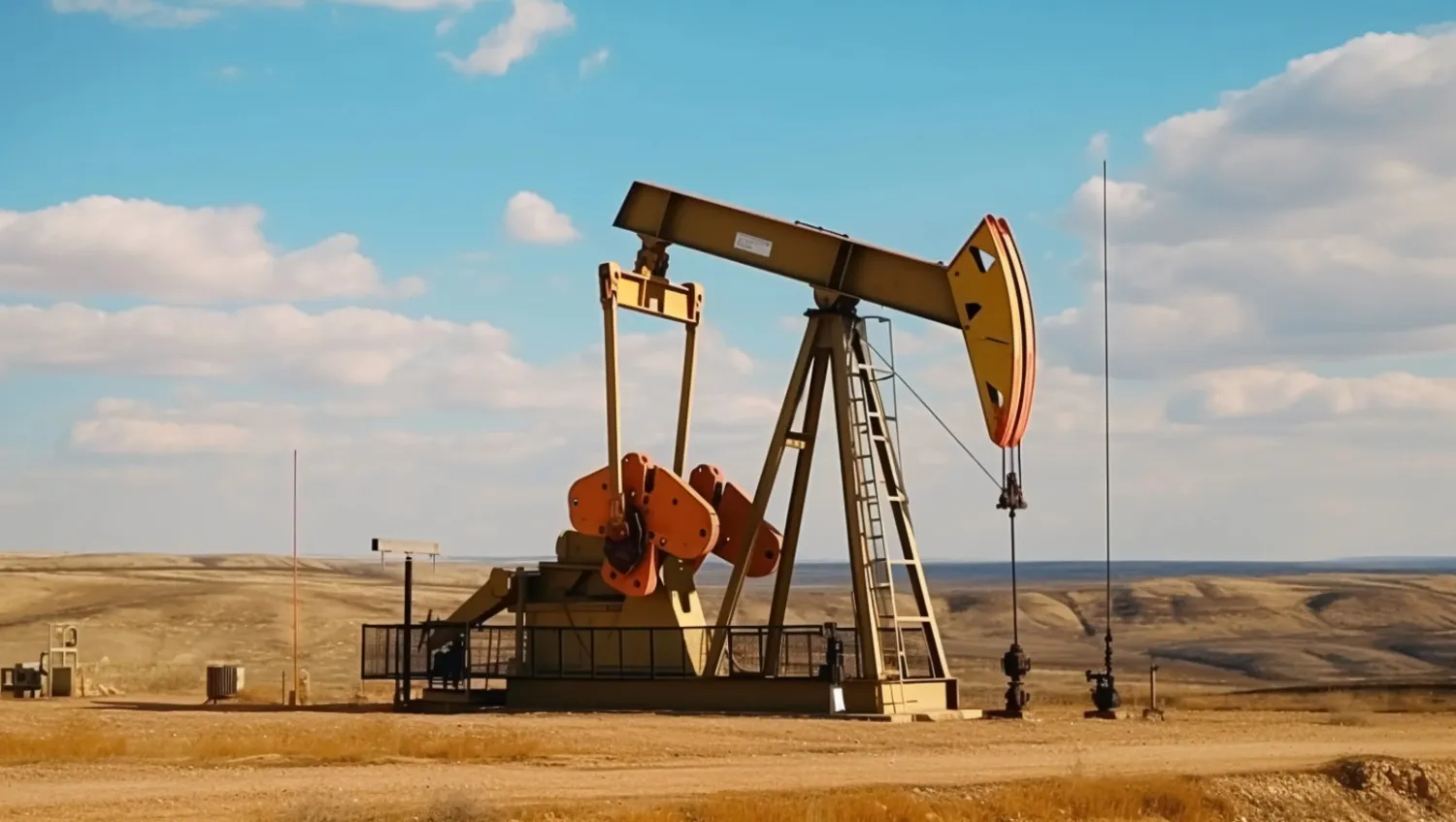
Why Alkun Steel Is A Reliable Supplier Of Essential Products In The Oil Drilling & Rig Industry
Read More


Reliable Industrial Components For Fire Fighting Applications: Alkun Steel’s Trusted Solutions
Read More
Why Alkun Steel Is A Reliable Supplier Of Essential Products In The Fabrication Industry
Read More
Industrial Valves, Hoses & Gaskets: Alkun Steel’s Solutions For Aviation Maintenance
Read More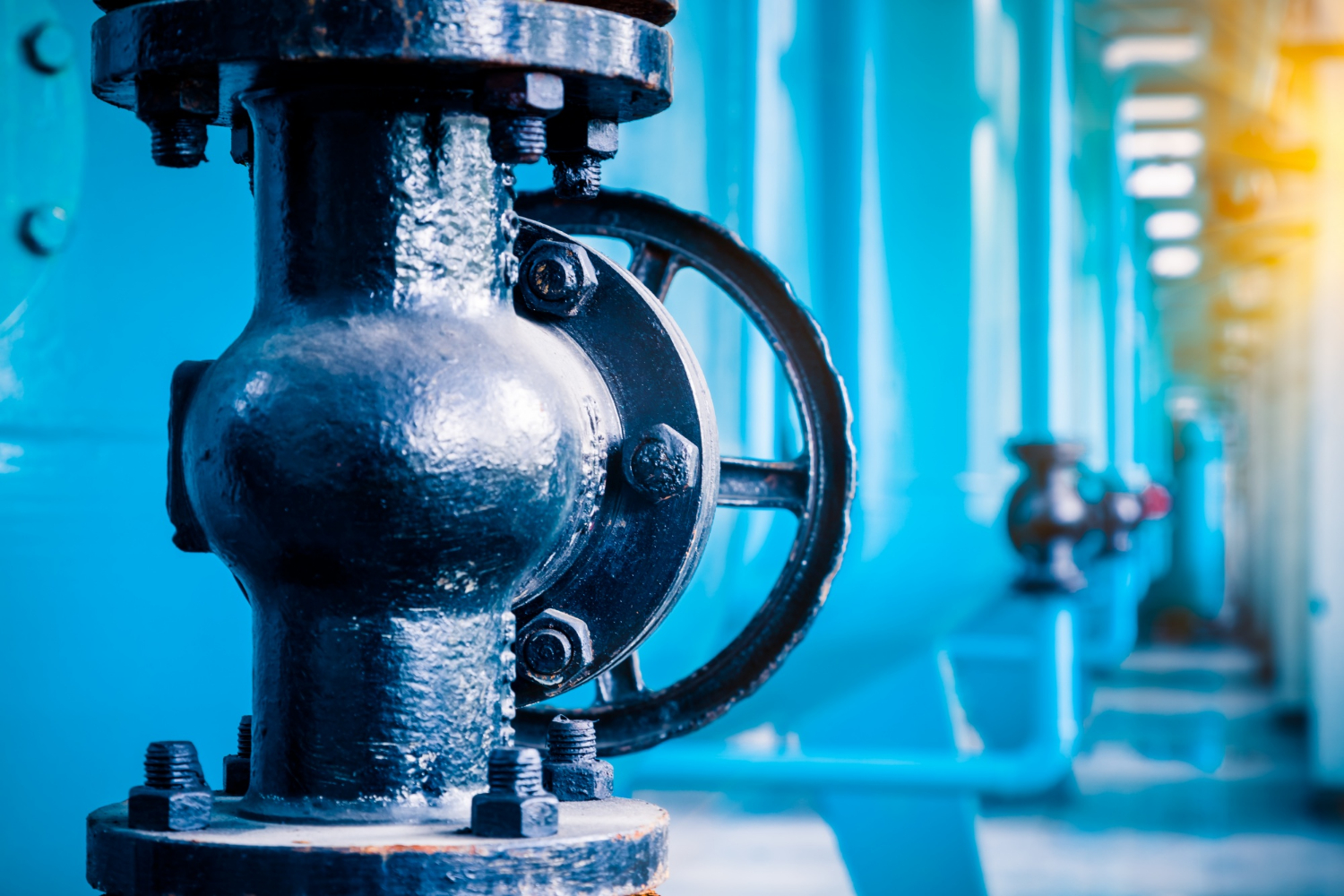

Best Weld Neck, Slip-On, And Blind Flanges For Critical Oil & Gas Connections
Read More
Best Industrial Fasteners for Heavy Equipment Assembly and Structural Steel Projects
Read More