Threaded vs Socket Weld vs Butt Weld Fittings: Which Is Right for Your Project?
A leak at a threaded joint. A crack hiding inside a socket weld nobody inspected closely enough. A butt weld that held for thirty years without a single complaint. Three connection types, three very different outcomes, and the difference usually comes down to a decision made months before anyone turned a wrench.
Get the connection type wrong and you are not just risking a maintenance headache, you are risking downtime, safety, and sometimes a full line replacement. This guide breaks down the difference between threaded vs socket weld vs butt weld fittings so you can pick the right one before it becomes a problem you did not see coming.
Threaded vs Socket Weld vs Butt Weld Fittings: Quick Comparison
| Feature | Threaded Fittings | Socket Weld Fittings | Butt Weld Fittings |
| Installation Method | Screwed together, no welding | Pipe inserted into socket, fillet welded | Pipe ends beveled and fully welded |
| Pressure Capability | Low to moderate | High | Highest |
| Temperature Capability | Limited | Good | Excellent |
| Leak Resistance | Moderate, weakens with vibration | Good, but crevice risk | Best, full penetration weld |
| Structural Strength | Lower | Roughly half the strength of butt weld | Strongest, matches parent pipe |
| Maintenance | Easy to disassemble | Difficult, semi-permanent | Difficult, fully permanent |
| Installation Cost | Lowest | Moderate | Highest |
| Long-Term Reliability | Lower in demanding service | Strong in high pressure lines | Best for critical, long-term service |
| Skill Requirement | Basic tools, no certification | Certified welder required | Skilled welder plus NDT testing |
| Best Applications | Low-pressure utility and instrument lines | Small-bore, high-pressure steam and process lines | Large-diameter, high-pressure, critical service lines |
One by one, we will unpack what each of these connection types actually offers, where they fall short, and which projects they are built for.
What Are Threaded Fittings?
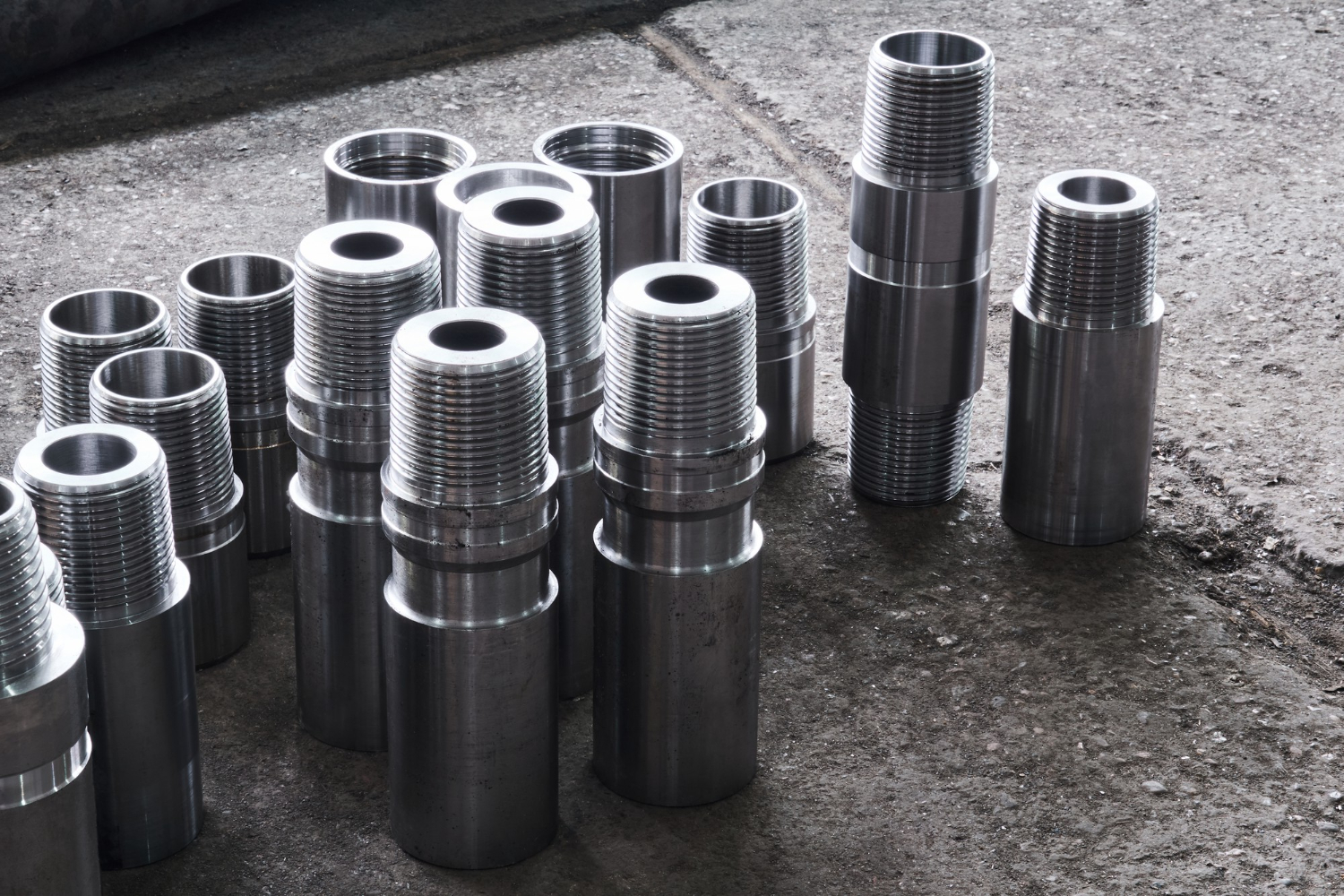
Threaded fittings connect pipe sections using machined screw threads instead of welding. The male and female ends twist together, often sealed with thread tape or a compound to prevent leaks. They are the simplest of the three pipe fitting connection types, and that simplicity is exactly why they remain so common in low-pressure work.
Advantages of Threaded Fittings
- No Welding Required: Installation only needs basic hand tools, cutting labor and equipment costs significantly.
- Fast to Install: A threaded connection can be assembled in minutes without waiting on a certified welder.
- Easy to Disassemble: Lines can be taken apart for inspection or repair without cutting pipe.
- Safe for Hot Work Restricted Areas: No sparks or open flame make them suitable for explosive or fire sensitive zones.
Limitations of Threaded Fittings
- Weaker Under Pressure: Thread engagement cannot match the strength of a welded joint.
- Prone to Leaks Over Time: Vibration and thermal cycling gradually loosen the connection.
- Stress Concentration at Threads: The cut threads create natural weak points where cracks can start.
- Not Suited to High Temperature Service: Repeated expansion and contraction accelerates wear at the joint.
Common Applications
Threaded fittings tend to show up wherever pressure is low and access for future maintenance matters more than raw strength. Here is where they are used most often.
- Compressed Air Systems: Handle moderate pressure without the added cost of welding.
- Water Distribution: Support general utility water lines where disassembly is routine.
- Utility Piping: Cover a wide range of non-critical plant services.
- Low-Pressure Industrial Systems: Fit applications where a welded joint would be unnecessary overkill.
What Are Socket Weld Fittings?
Socket weld fittings join pipe by inserting the pipe end into a recessed socket, then applying a fillet weld around the outer edge. This creates a stronger bond than threading while skipping the full penetration weld that butt welding requires. They sit in the middle ground, offering more strength than threaded fittings without the complexity of a full butt weld.
Advantages of Socket Weld Fittings
- Strong, Leak-Resistant Joint: The welded connection performs well under high pressure and vibration.
- Easier Alignment: The socket itself holds the pipe in place during welding, simplifying fit-up.
- Smooth Internal Flow: A continuous bore reduces turbulence compared to threaded connections.
- No Beveling Needed: Pipe ends are square cut, saving preparation time versus butt weld work.
Limitations of Socket Weld Fittings
- Crevice Corrosion Risk: The small gap between pipe and socket can trap fluid and corrode over time.
- Limited to Small Bore Sizes: Typically restricted to pipe NPS 2 and below.
- Roughly Half the Strength of Butt Weld: Not suited to the most demanding pressure classes.
- Semi-Permanent Connection: Repairs usually mean cutting out and replacing the fitting entirely.
Common Applications
Socket weld fittings earn their place wherever pressure is high but pipe diameter stays small. These are the sectors that rely on them most.
- Steam Systems: Handle elevated pressure and temperature without the crevice concerns becoming critical.
- Process Piping: Support small-bore lines carrying process fluids under pressure.
- Chemical Plants: Work well where welded integrity matters but full butt welding is not required.
- High-Pressure Industrial Systems: Cover hydraulic and pneumatic lines needing a secure, compact joint.
What Are Butt Weld Fittings?
Butt weld fittings connect pipe by beveling both ends and joining them with a full penetration weld, essentially fusing the fitting and pipe into one continuous piece of metal. This is the strongest of the three piping connection methods, built for systems where failure is not an option. Because the internal bore lines up perfectly, flow stays smooth and pressure drop stays low.
Advantages of Butt Weld Fittings
- Maximum Strength: The full penetration weld matches the strength of the parent pipe itself.
- Best Leak Resistance: No crevices or gaps means nowhere for fluid to trap or corrosion to start.
- Smooth Flow Path: Matching internal diameters minimize turbulence over long pipeline runs.
- Suited to Any Size: Available across a wide range of diameters, unlike socket weld's small-bore limit.
Limitations of Butt Weld Fittings
- Highest Installation Cost: Skilled welders and testing equipment add significant labor expense.
- Slower to Install: Beveling, alignment, and welding take considerably more time than the alternatives.
- Permanent Connection: Any future changes require cutting the pipe and re-welding.
- Requires Certified Welders: Not every crew is qualified to perform code compliant butt welds.
Common Applications
Butt weld fittings dominate wherever the consequences of failure are too high to risk. Here is where you will find them across heavy industry.
- Oil & Gas Pipelines: Handle extreme pressure and long-distance transport with minimal leak risk.
- Petrochemical Plants: Manage corrosive, high-value fluids where integrity cannot be compromised.
- Power Generation: Support steam and process lines running at high temperature for decades.
- District Cooling Systems: Provide the long-term reliability large scale cooling networks depend on.
Detailed Comparison of Threaded, Socket Weld, and Butt Weld Fittings
| Factor | Threaded | Socket Weld | Butt Weld |
| Pressure Handling Capability | Low to moderate | High | Very high |
| Temperature Performance | Limited, weakens with cycling | Good | Excellent |
| Leak Resistance | Moderate | Good, crevice risk present | Best |
| Structural Strength | Lowest | Roughly half of butt weld | Highest, matches pipe |
| Flow Efficiency | Lower, thread turbulence | Good | Best, smooth bore |
| Installation Complexity | Low | Moderate | High |
| Inspection and Testing Requirements | Minimal | Surface NDT methods | Radiography and ultrasonic testing |
| Maintenance and Repair | Easiest, fully disassemble-able | Harder, semi-permanent | Hardest, permanent joint |
| Long-Term Reliability | Lower in demanding service | Strong for small-bore high pressure | Best for critical, long-term systems |
| Overall Cost Comparison | Lowest upfront cost | Moderate, balances cost and strength | Highest upfront, lowest lifecycle risk |
How to Choose the Right Connection Type for Your Project
The right connection type depends on more than habit or what a previous project used. Work through these factors before locking in a decision, and the choice usually becomes obvious.
- Evaluate Operating Pressure: Match the fitting to your system's maximum pressure, not just its average running condition.
- Consider Temperature Requirements: High or fluctuating temperatures push the decision toward socket weld or butt weld.
- Assess Fluid Characteristics: Corrosive or hazardous fluids reduce tolerance for crevices and leak points.
- Review Maintenance Accessibility: Lines needing frequent disassembly favor threaded or flanged connections.
- Check Applicable Industry Standards: Codes like ASME B16.9 and B16.11 often dictate which connection types are even permitted.
- Compare Lifecycle Costs: A cheaper install today can mean higher failure and downtime costs later.
- Match the Connection to Pipe Size: Socket weld generally tops out around NPS 2, pushing larger diameters toward butt weld.
Recommended Connection Types by Industry
Different sectors carry different risk tolerances, and that shapes which connection type becomes the default. Here is a general guide based on how each industry typically approaches it.
- Oil & Gas: Butt weld dominates for its strength and leak resistance across long pipeline runs.
- Petrochemical: Butt weld and socket weld cover most lines, chosen based on pipe size and corrosive exposure.
- Fire Protection: Threaded and grooved connections remain common for their fast installation and easy servicing.
- Water Treatment: A mix of threaded and flanged connections balances cost with practical maintenance needs.
- District Cooling: Butt weld fittings handle the scale and long-term reliability large networks require.
- Marine: Socket weld and butt weld fittings resist the vibration and corrosive conditions typical offshore.
- Construction: Threaded and flanged fittings suit general utility piping where disassembly happens often.
- Power Generation: Butt weld fittings support steam lines running at high pressure and temperature for years.
Common Mistakes When Selecting Pipe Fitting Connections
Selection mistakes rarely show up on day one. They surface months or years later, usually as a leak, a failed inspection, or an unplanned shutdown. Here are the errors that come up again and again across industrial piping applications.
- Using Threaded Fittings in High-Vibration Systems: Vibration loosens threaded joints over time, leading to gradual leaks.
- Choosing the Wrong Connection for Pressure Requirements: A fitting rated below system pressure is a failure waiting to happen.
- Ignoring Thermal Expansion: Connections that cannot flex with temperature swings crack or loosen prematurely.
- Underestimating Installation Costs: Skipping the labor and testing costs of welded connections skews the budget early on.
- Selecting Based Only on Initial Cost: A cheaper threaded joint can cost far more once failure and downtime are factored in.
- Overlooking Inspection and Maintenance Requirements: Permanent welds in hard to access areas create expensive rework later.
How to Evaluate an Industrial Pipe Fittings Supplier
Even the right connection type fails to deliver if the fittings behind it are not manufactured or certified properly. A good industrial pipe fittings supplier backs every batch with material test certificates and documentation that matches recognized standards like ASME B16.9 and B16.11.
Beyond paperwork, look at stock depth and technical support. A supplier who understands industrial piping systems can flag a specification issue before it becomes a costly mistake on site, and one with strong inventory keeps your project moving instead of waiting on a delayed shipment.
Conclusion
Threaded, socket weld, and butt weld fittings each solve a different problem, and the right one comes down to matching pressure, temperature, fluid type, and maintenance needs to the connection method built for that job. Use this fitting selection guide as a starting point, then verify your final choice against the applicable piping code for your project.
This is where Alkun Steel comes in. We supply threaded, socket weld, and butt weld fittings backed by proper material certification, helping teams across oil and gas, petrochemical, and construction source the right connection type without second guessing the paperwork behind it.
FAQs
1. What is the difference between threaded, socket weld, and butt weld fittings?
Threaded fittings screw together, socket weld fittings are inserted and fillet welded, and butt weld fittings are fully welded end to end for maximum strength.
2. Which fitting type is best for high-pressure applications?
Butt weld fittings offer the highest pressure capability, with socket weld fittings a strong option for smaller diameters.
3. Are socket weld fittings stronger than threaded fittings?
Yes, socket weld fittings provide significantly greater strength and leak resistance than threaded connections.
4. When should butt weld fittings be used?
Use them for large-diameter, high-pressure, or critical service lines where long-term integrity matters most.
5. Which fitting connection offers the best leak resistance?
Butt weld fittings, since the full penetration weld leaves no gaps or crevices.
6. Are threaded fittings suitable for industrial applications?
Yes, but mainly for low-pressure utility, instrumentation, or maintenance-heavy systems.
7. What industries commonly use butt weld fittings?
Oil and gas, petrochemical, power generation, and district cooling all rely heavily on butt weld connections.
Related Articles
Valves Used in District Cooling Systems: Types, Functions, and Selection Criteria
Read More
Carbon Steel vs Stainless Steel Pipes: Cost, Performance, and Application Comparison
Read More

How Fire Fighting Valves Ensure Safe and Efficient High-Pressure Water Systems
Read More



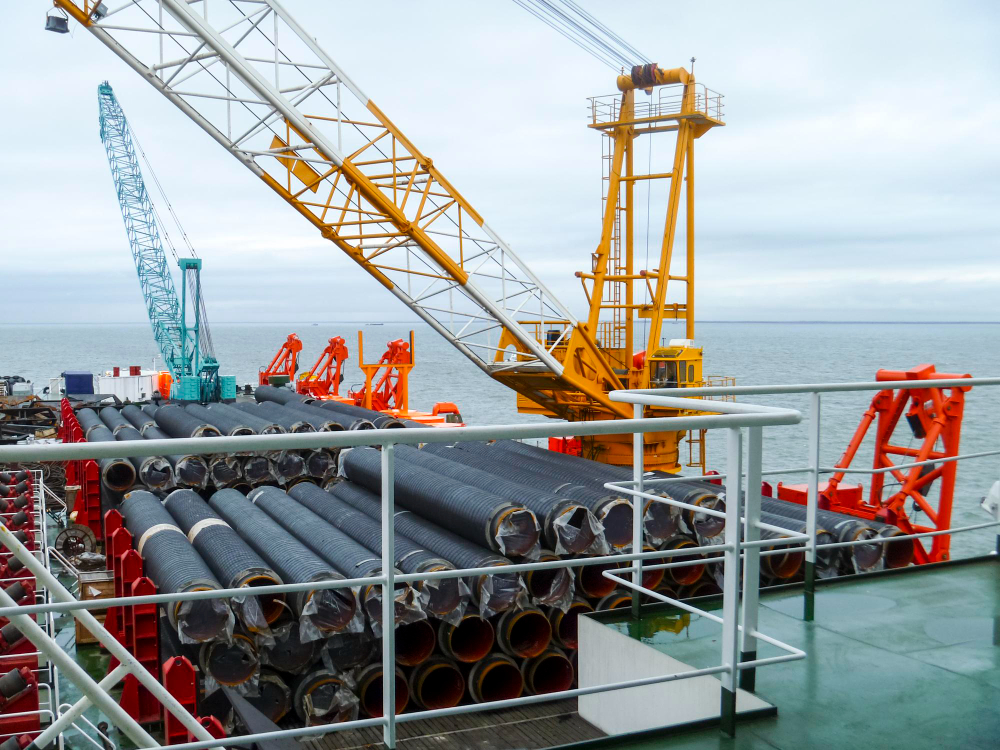
Stainless Steel Buttweld Fittings For Offshore Shipbuilding And Platform Piping
Read More
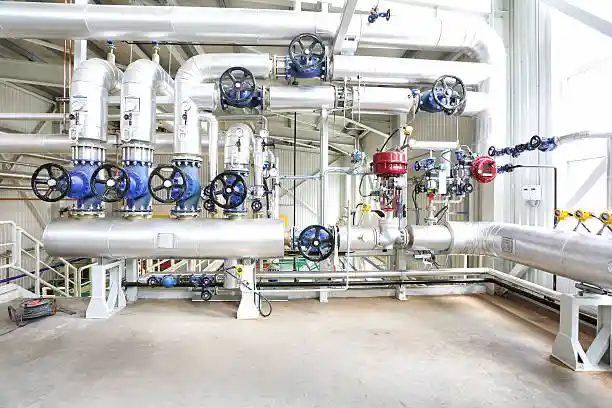
Industrial Valves, Hoses & Gaskets: Alkun Steel’s Solutions for the Tanks & Pumps Industry
Read More
Corrosion-Resistant Valves, Flanges & Joints: Alkun Steel’s Petrochemical Solutions
Read More
Why Alkun Steel Is A Reliable Supplier Of Essential Products In The Oil Drilling & Rig Industry
Read More

Reliable Industrial Components For Fire Fighting Applications: Alkun Steel’s Trusted Solutions
Read More
Why Alkun Steel Is A Reliable Supplier Of Essential Products In The Fabrication Industry
Read More
Industrial Valves, Hoses & Gaskets: Alkun Steel’s Solutions For Aviation Maintenance
Read More

Best Weld Neck, Slip-On, And Blind Flanges For Critical Oil & Gas Connections
Read More
Best Industrial Fasteners for Heavy Equipment Assembly and Structural Steel Projects
Read More