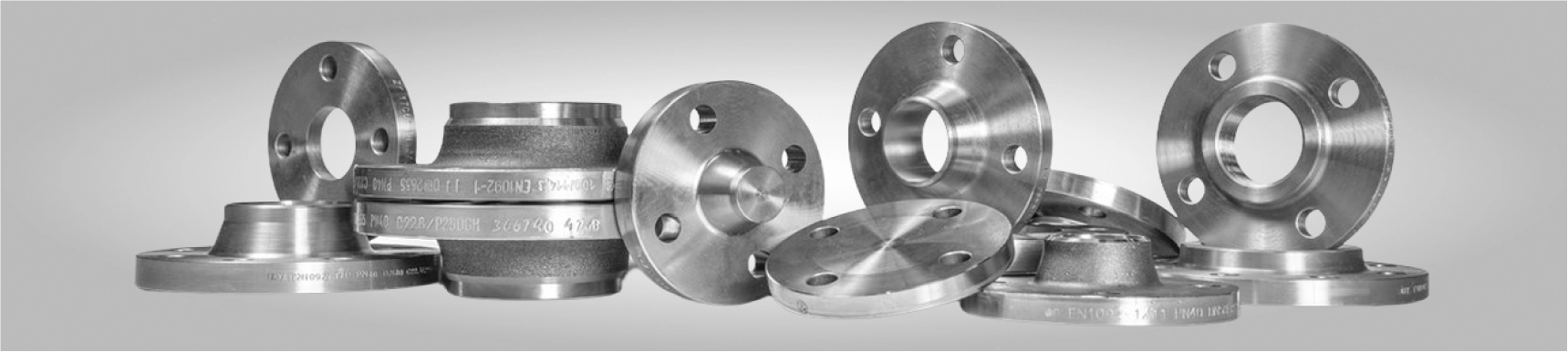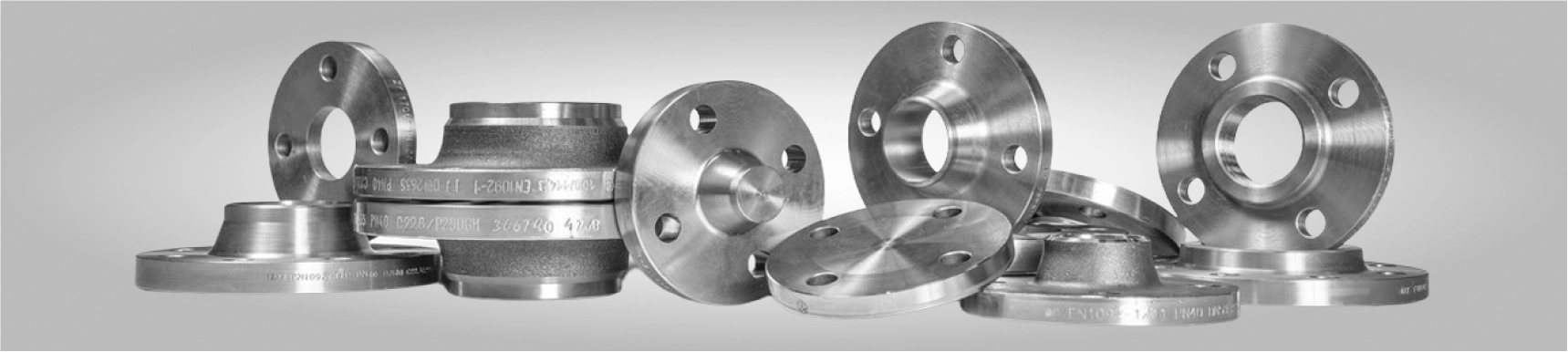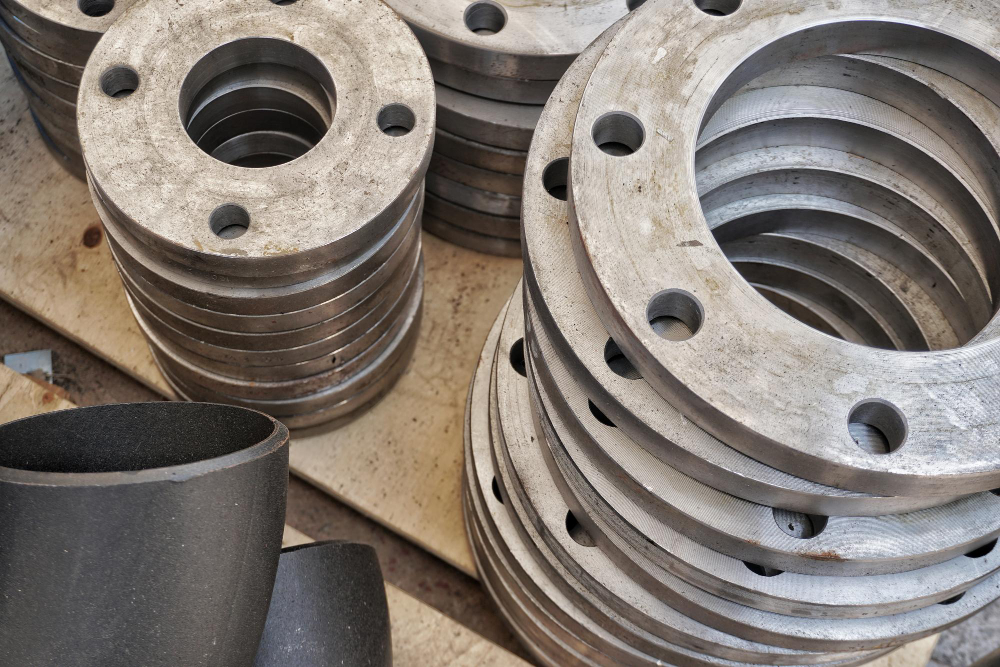
Difference Between Forged And Cast Flanges
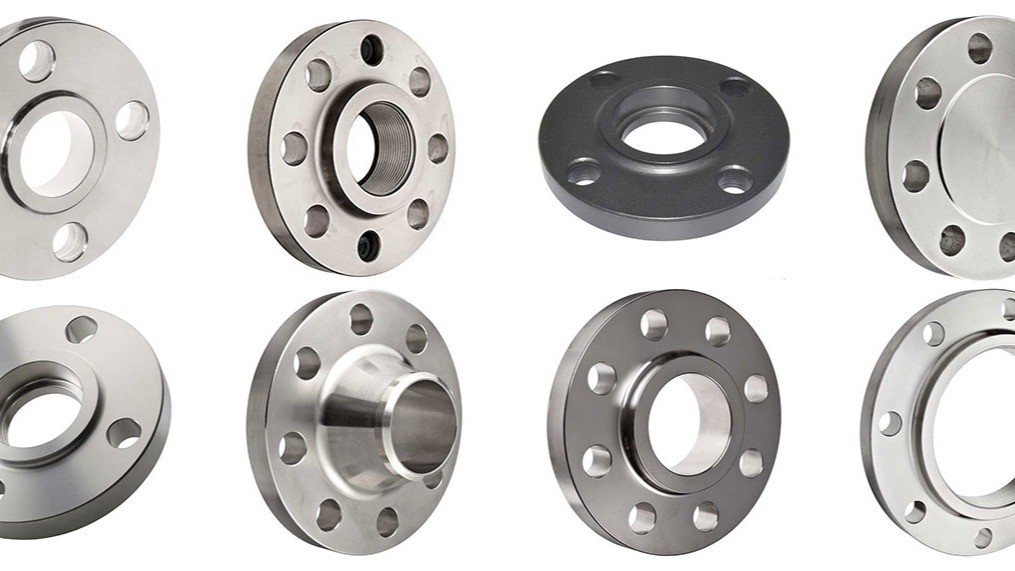
Flanges are essential components in industrial piping systems, connecting valves, pumps, pipes, and other equipment with precision and stability. Their material and manufacturing method directly affect performance, durability, and long-term safety. Among the many flange categories used today, forged flanges and cast flanges stand out as the two most widely chosen due to their structural differences and application benefits.
Understanding how these two flange types differ helps industries choose the safest and most efficient option for their specific environments. Whether it’s high-pressure refinery lines or low-pressure water distribution networks, the right choice can significantly improve operational reliability, reduce maintenance costs, and enhance overall system performance.
What Is A Forged Flange?
Forged flanges are produced by shaping solid metal under high pressure, using techniques such as open-die forging, closed-die forging, or ring rolling. This process compresses and refines the internal grain structure of the metal, resulting in a denser, stronger, and more resilient product. Many industries prefer using forged flanges because they offer superior mechanical strength and reduced chances of porosity or internal defects.
When compared to cast components, forged flanges perform exceptionally well under fluctuating pressure and temperature conditions. They exhibit high impact resistance and are ideal for pipelines carrying steam, oil, gas, and chemicals. This makes forgings, flanges, and fittings a preferred choice across power plants, refineries, offshore platforms, and heavy industrial units.
What Is A Cast Flange?
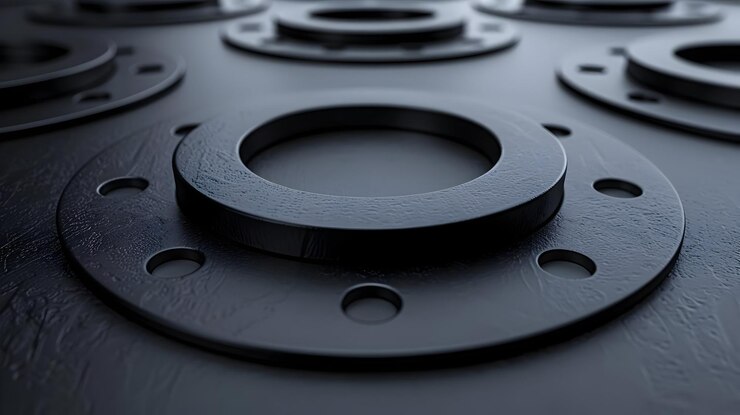
Cast flanges are manufactured by melting metal and pouring it into a mold to achieve the desired shape. This method allows for greater design flexibility, making it easier to produce complex geometries and larger sizes. However, because the molten metal cools and solidifies in a mold, there is a greater possibility of internal voids, shrinkage, and minor defects. These factors can influence mechanical strength and pressure ratings.
Industries often use cast iron flange designs in low- to medium-pressure applications where cost efficiency is important. A casting flange can be a practical option when intricate shapes are required or where custom designs need to be produced quickly. While not as strong as forged components, cast flanges still serve effectively in water distribution, HVAC systems, and general utility pipelines.
Difference Between Forged And Cast Flanges
| Parameter | Forged Flanges | Cast Flanges |
| Manufacturing Process | Created by shaping solid metal using intense pressure, forging refines the internal grain structure, improving density and uniformity for better mechanical performance. | Produced by melting metal and pouring it into a mold, which allows complex shapes to form but can introduce porosity, shrinkage, and minor internal inconsistencies. |
| Strength & Durability | Known for excellent tensile strength, impact resistance, and fatigue performance, making forged steel flanges suitable for demanding conditions. | Typically lower in strength compared to forged flanges; casting iron flange designs can handle moderate loads but may not withstand high shocks or vibrations. |
| Defect Possibility | Very low risk of defects due to the directional grain flow achieved during forging, minimizing internal cracks or hidden weaknesses. | Higher chance of micro-defects since molten metal cools inside a mold; voids or bubbles can form if the casting process is not tightly controlled. |
| Pressure & Temperature Handling | Ideal for high-pressure, high-temperature environments because of their superior structural integrity and resistance to deformation. | Best suited for low- to medium-pressure systems; excessive thermal or pressure cycles can affect their long-term stability. |
| Flexibility & Shape Options | Limited design complexity because forging tools must accommodate specific shapes, though strength remains unmatched. | Offers greater flexibility for intricate or large shapes, making casting iron flange options practical for custom engineering needs. |
| Cost Factor | Generally more expensive due to complex manufacturing, raw material density, and quality reinforcement. | More cost-effective because casting molds allow bulk production and efficient shaping. |
| Best Use Cases | High-pressure steam lines, oil and gas lines, power plants, offshore systems, aggressive media pipelines. | Water supply, HVAC, fire-fighting lines, non-critical process lines, and large-size applications requiring unique shapes. |
Why Choose Alkun Steel For Forged And Cast Flanges?
Choosing the correct flange goes beyond pressure ratings; it requires supplier reliability, quality assurance, and proven engineering consistency. Alkun Steel stands out because:
- Wide Material Capability:
Alkun supplies both forged and cast options, including stainless steel forged flanges, ensuring suitability for a wide range of corrosion, temperature, and pressure conditions. - Strict Quality Monitoring:
Every flange undergoes dimensional checks, certification reviews, and material verification to guarantee defect-free performance. This makes Alkun a dependable choice among leading forged flange suppliers. - Reliable Supply Chain:
With consistent availability and strong sourcing networks, Alkun has established itself as one of the preferred steel forged flanges suppliers in UAE, serving multiple industries with timely deliveries. - Technical Guidance & Support:
The team assists clients in selecting the right product—whether they need economical cast options or high-strength forged solutions. This advisory-driven approach is why many consider them the best forged flanges suppliers in UAE. - Industry-Wide Acceptance:
Oil & gas contractors, mechanical firms, EPC companies, and marine projects rely on Alkun for certified cast and forged components, including steel cast flanges in UAE, ensuring compatibility with major global standards.
Conclusion
Choosing between forged and cast flanges depends on system pressure, temperature demands, application sensitivity, and long-term performance expectations. Forged flanges deliver superior strength and resilience for demanding operations, while cast flanges offer flexibility and cost-effectiveness for general-purpose systems. With trusted sourcing options such as forged flanges dealers in UAE, Alkun Steel ensures industries receive the exact flange type that matches their operational needs. Their commitment to quality, standards compliance, and reliable supply makes them a preferred partner for projects requiring durable and precision-engineered flange solutions.
FAQ’s
1. Are forged flanges stronger than cast flanges?
Yes. Forged flanges have a refined grain structure, making them significantly stronger and more suitable for high-pressure and high-temperature applications.
2. When should I choose a cast flange?
Cast flanges are ideal for low- or medium-pressure systems and applications where complex shapes or cost-efficient manufacturing is required.
3. Do forged flanges cost more than cast flanges?
Generally, yes. Forging is a more intensive process, resulting in higher durability and improved performance, which increases cost.
4. Are cast flanges safe for industrial use?
Yes, when used in the correct application range. They are widely used in water lines, HVAC, fire-fighting systems, and general utilities.
5. Do forged flanges have fewer defects?
Absolutely. Forging drastically reduces porosity and internal voids, giving forged flanges superior integrity.
6. Does Alkun Steel supply both forged and cast flanges?
Yes. Alkun Steel supplies a complete range of forged and cast flanges in multiple standards, sizes, and material grades.
7. Can these flanges be customized?
Forged and cast flanges can both be customized, though cast flanges offer more flexibility in complex shapes.
Related Articles

The Complete Buyer's Guide to Industrial Gratings: GI vs Stainless Steel vs Aluminium vs Ductile Iron
Read More

Chequered Plate Buying Guide: MS vs GI vs Stainless Steel Checker Plates Compared
Read More
C-Channel vs U-Channel: Sizes, Uses & How to Choose the Right Structural Steel Channel
Read More


Valves Used in District Cooling Systems: Types, Functions, and Selection Criteria
Read More
Threaded vs Socket Weld vs Butt Weld Fittings: Which Is Right for Your Project?
Read More
Carbon Steel vs Stainless Steel Pipes: Cost, Performance, and Application Comparison
Read More

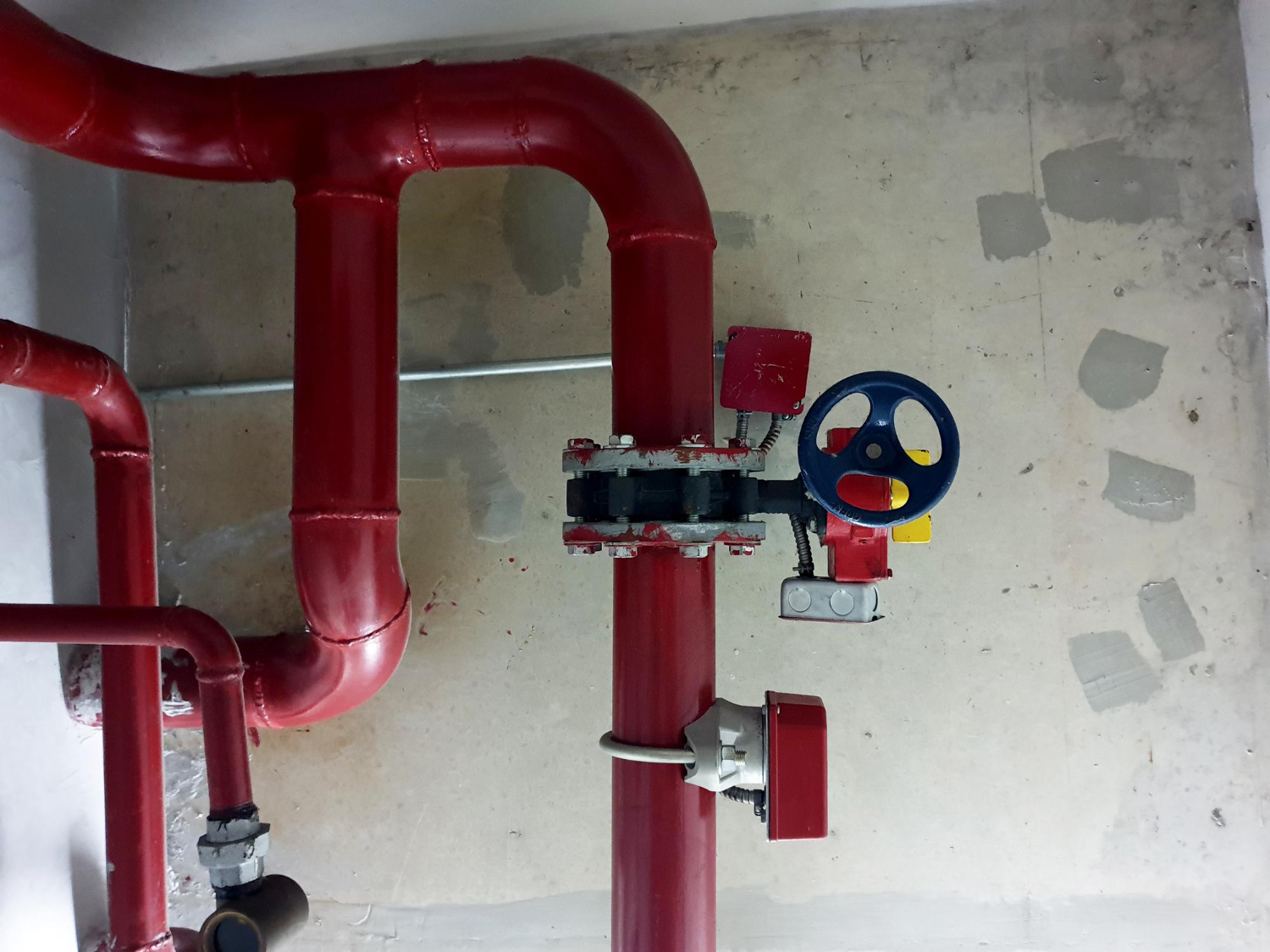
How Fire Fighting Valves Ensure Safe and Efficient High-Pressure Water Systems
Read More
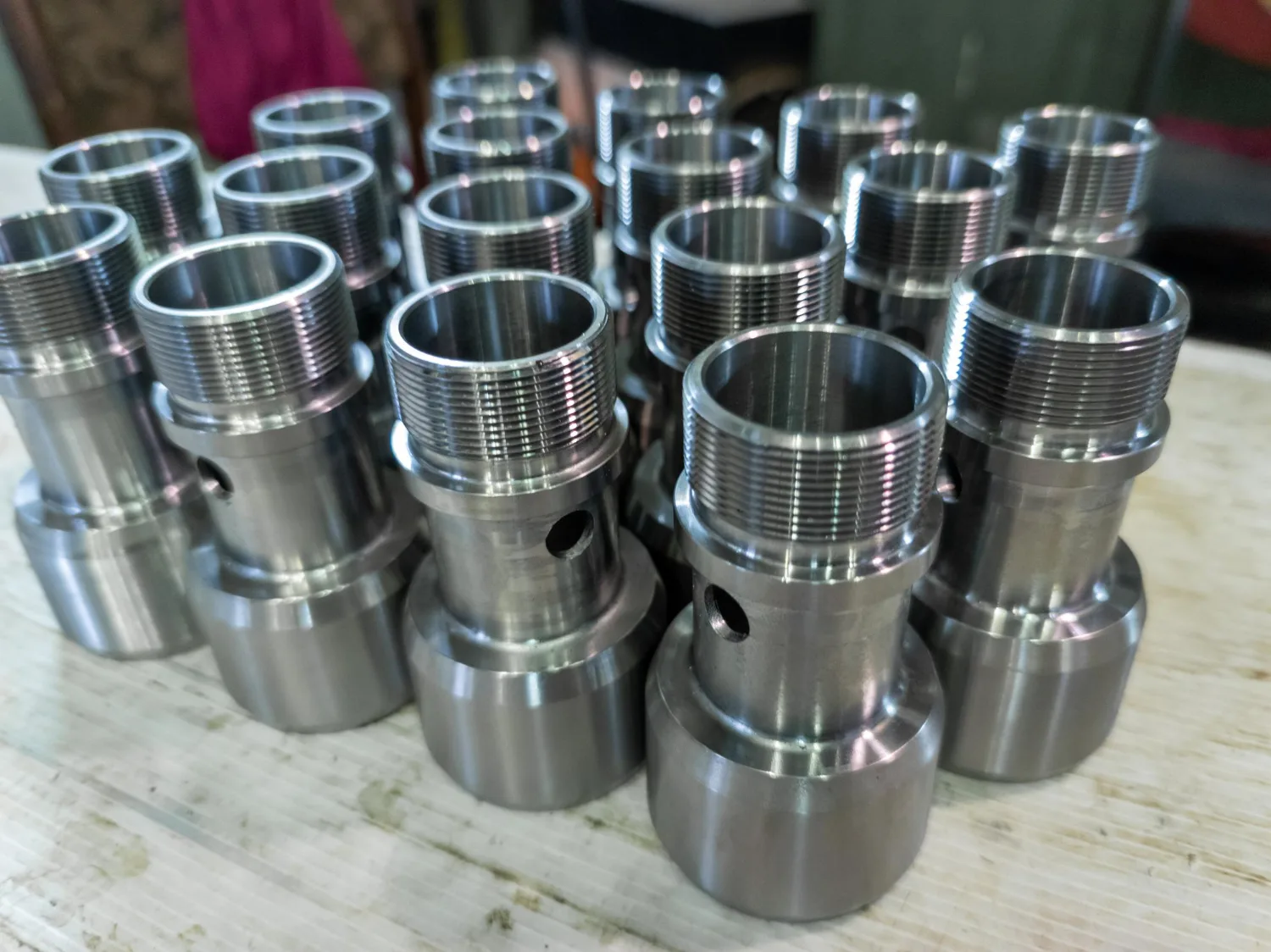



Stainless Steel Buttweld Fittings For Offshore Shipbuilding And Platform Piping
Read More
Industrial Valves, Hoses & Gaskets: Alkun Steel’s Solutions for the Tanks & Pumps Industry
Read More
Corrosion-Resistant Valves, Flanges & Joints: Alkun Steel’s Petrochemical Solutions
Read More
Why Alkun Steel Is A Reliable Supplier Of Essential Products In The Oil Drilling & Rig Industry
Read More


Reliable Industrial Components For Fire Fighting Applications: Alkun Steel’s Trusted Solutions
Read More
Why Alkun Steel Is A Reliable Supplier Of Essential Products In The Fabrication Industry
Read More

Industrial Valves, Hoses & Gaskets: Alkun Steel’s Solutions For Aviation Maintenance
Read More

Best Weld Neck, Slip-On, And Blind Flanges For Critical Oil & Gas Connections
Read More
Best Industrial Fasteners for Heavy Equipment Assembly and Structural Steel Projects
Read More