Stainless Steel Buttweld Fittings For Offshore Shipbuilding And Platform Piping
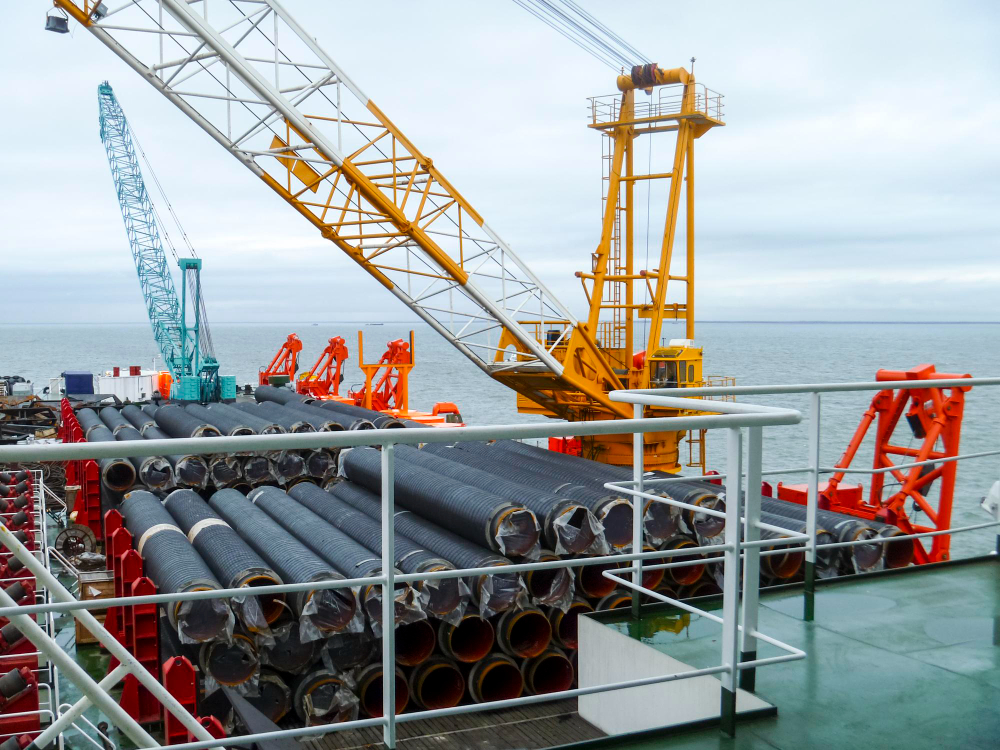
Offshore structures operate in some of the harshest environments on the planet, including continuous vibration, unpredictable weather, high salinity, and extreme pressure variations. To maintain long-term reliability in these conditions, marine and platform piping systems must be built using components that can withstand mechanical stress while preventing leaks, corrosion, and structural failure. This is where stainless steel buttweld fittings become essential to modern offshore engineering.
Whether it’s ballast systems, seawater cooling lines, fire-fighting networks, or fuel transfer piping, every line in a ship or platform relies on durable, fully welded connections. As a trusted buttweld fittings manufacturer, Alkun Steel ensures that offshore clients receive components designed for strength, precision, and longevity. In this blog, we cover what to expect from buttweld pipe fittings, the types used in offshore applications, and how they contribute to safe and efficient maritime operations.
What Are Stainless Steel Buttweld Fittings?
Stainless steel buttweld fittings are welded directly to pipelines to create a permanent, seamless, and leak-proof connection. Their welded design allows the fitting and pipe to behave as a single structure, greatly increasing strength compared to threaded or socket-based joints. These fittings are used extensively in offshore shipbuilding because they maintain structural integrity under high pressure, high vibration, and corrosive seawater environments.
Unlike other fittings, seamless buttweld fittings offer smooth internal flow, reduced pressure loss, and excellent durability, making them a preferred choice for critical systems like engine cooling, high-pressure seawater intake, and platform utility lines.
Types Of Stainless Steel Buttweld Fittings For Offshore Applications
Each offshore pipeline has a defined function, and the performance of that system depends on selecting the right fitting. Below are the primary stainless steel buttweld fittings commonly used in shipbuilding and platform piping, along with their purpose and advantages.
1. Stainless Steel Elbow 45°
A Stainless Steel 45° Elbow is used when pipelines need a gradual directional shift without creating turbulence. Offshore systems use these elbows to maintain stable flow, especially in areas where pressure drop must be minimized, such as cooling water lines.
- Smooth directional change:
The 45° angle allows fluid to redirect gently, reducing stress on the pipeline and preventing flow disturbances, important in high-speed seawater systems. - Reduced erosion:
The gradual angle prevents internal wear, ensuring longer operational life in pipelines carrying abrasive or high-velocity seawater.
2. Stainless Steel Elbow 90°
A Stainless Steel 90° Elbow offers a sharper directional change and is widely used in confined spaces on ships and platforms. It helps reroute pipelines efficiently around engine rooms, structural beams, and under-deck passages.
- Compact flow redirection:
Ideal for areas with limited space, these elbows make it easier to design compact piping systems without compromising flow consistency. - Strong welded joint:
The welded structure enhances resistance to vibration and pressure, a key requirement in offshore pump and process systems.
3. Stainless Steel Concentric Reducer
Stainless Steel Concentric Reducers are used when reducing pipe size while keeping the flow path centered. Offshore process piping uses these reducers for pump discharge lines and vertical pipelines.
- Balanced flow alignment:
Maintaining the centerline minimizes turbulence and ensures smooth vertical flow, especially in pumping systems transporting seawater or fuel. - Strong pressure-handling capacity:
Their uniform shape helps them withstand pressure variations common in offshore transfer systems.
4. Stainless Steel Eccentric Reducer
Stainless Steel Eccentric Reducers are crucial in horizontal pipelines where maintaining bottom-line level flow is important. They prevent air pockets, making them essential for suction lines.
- Air-pocket prevention:
The flat side prevents air accumulation, protecting pumps from cavitation in ballast and bilge systems. - Ideal for horizontal offshore pipelines:
Ensures consistent flow and prevents operational interruptions in platform utility networks.
5. Stainless Steel Straight Tee
Stainless Steel Straight Tees allow the creation of equal branch connections in offshore piping systems. They are widely used in fire-fighting, utility, and seawater distribution lines.
- Equal flow distribution:
Ensures consistent pressure across all branches, enhancing efficiency in firewater and utility systems. - Strong welded integrity:
The buttweld connection prevents leaks even under fluctuating pressures typical of offshore operations.
6. Stainless Steel Reducer Tee
Stainless Steel Reducer Tees connect a branch line of a smaller diameter than the main pipe. They are common in chemical dosing, auxiliary systems, and platform process lines.
- Controlled flow reduction:
Provides accurate division of flow without disrupting pressure balance in the main pipeline. - Ideal for mixed-diameter networks:
Supports complex offshore piping arrangements where different system sizes must integrate smoothly.
7. Stainless Steel Caps
Stainless Steel Caps are used to close the end of a pipeline, providing a secure and pressure-resistant seal. Offshore teams use them during testing, temporary isolation, and maintenance procedures.
- Pressure-tight sealing:
Withstands high testing pressures in offshore systems, ensuring safe shutdown during inspections. - Corrosion-resistant closure:
Stainless steel material prevents rust even in seawater-exposed conditions.
8. Stainless Steel Stub End
Stainless Steel Stub ends are used with lap joint flanges and are common in systems requiring frequent dismantling. Offshore platforms benefit greatly from this flexibility.
- Easy dismantling for inspection:
Perfect for systems exposed to high corrosion, where regular inspections are mandatory. - Reduced operational downtime:
Allows faster replacement of components without welding, supporting ongoing offshore operations.
Why Choose Alkun Steel For Buttweld Pipe Fittings?
As one of the reliable buttweld fittings dealers in UAE, Alkun Steel ensures that every fitting meets demanding offshore standards.
- Marine-grade corrosion resistance:
Our fittings are manufactured using high-quality stainless steel and tested to withstand continuous exposure to seawater, moisture, and marine chemicals. - Precision manufacturing:
Whether you need ss buttweld fittings, reducers, elbows, or tees, each product is crafted with precision to ensure reliable alignment, smooth welding, and long-term performance. - Certified quality assurance:
Every fitting is tested for strength, pressure resistance, and dimensional accuracy, making us a preferred buttweld fittings supplier in UAE for offshore clients. - Technical support for offshore systems:
Our team helps customers select the right stainless steel buttweld fittings based on pipeline function, flow requirement, and environmental conditions.
Conclusion
Offshore shipbuilding and platform piping demand components that deliver uncompromised performance under extreme conditions. Stainless steel buttweld fittings are widely trusted for their welded integrity, corrosion resistance, and ability to support high-pressure marine operations. From elbows and reducers to tees, caps, and stub ends, each fitting plays a key role in maintaining safe and uninterrupted flow.
Choosing the right buttweld pipe fittings not only improves system reliability but also extends the lifespan of critical offshore infrastructure. With high-quality manufacturing and dependable supply capabilities, Alkun Steel continues to support the offshore industry with fittings built to meet stringent operational standards.
FAQs
1. What are stainless steel buttweld fittings?
Stainless steel buttweld fittings are welded pipe components used to change direction, branch flow, or reduce pipe sizes. They offer strong, leak-proof joints, making them ideal for offshore and marine environments.
2. Why are buttweld fittings preferred for offshore shipbuilding and platforms?
Their welded connection ensures high mechanical strength, corrosion resistance, and long-term performance in harsh, salt-laden, high-pressure offshore conditions.
3. Are seamless buttweld fittings better than welded ones?
Seamless buttweld fittings are preferred when the application demands maximum pressure integrity and uniform strength. Offshore piping systems with critical flow parameters often rely on seamless fittings.
4. Which types of buttweld fittings are commonly used in offshore piping?
Elbows, tees, reducers, caps, stub ends, and crosses are among the most frequently used components due to their reliability in complex piping layouts.
5. Does Alkun supply buttweld fittings suitable for marine corrosion?
Yes. Alkun provides marine-grade stainless steel buttweld fittings designed to withstand saltwater exposure, vibration, and high-pressure offshore operations.
6. Are these fittings tested before delivery?
Alkun follows stringent quality checks, including hydrostatic testing, dimensional inspection, and material certification to ensure offshore compliance and durability.
7. Can Alkun customize buttweld fittings for specific offshore requirements?
Absolutely. As a trusted buttweld fittings manufacturer, Alkun offers custom dimensions, schedules, and grades tailored for offshore shipbuilding and platform piping systems.
Related Articles
Valves Used in District Cooling Systems: Types, Functions, and Selection Criteria
Read More
Threaded vs Socket Weld vs Butt Weld Fittings: Which Is Right for Your Project?
Read More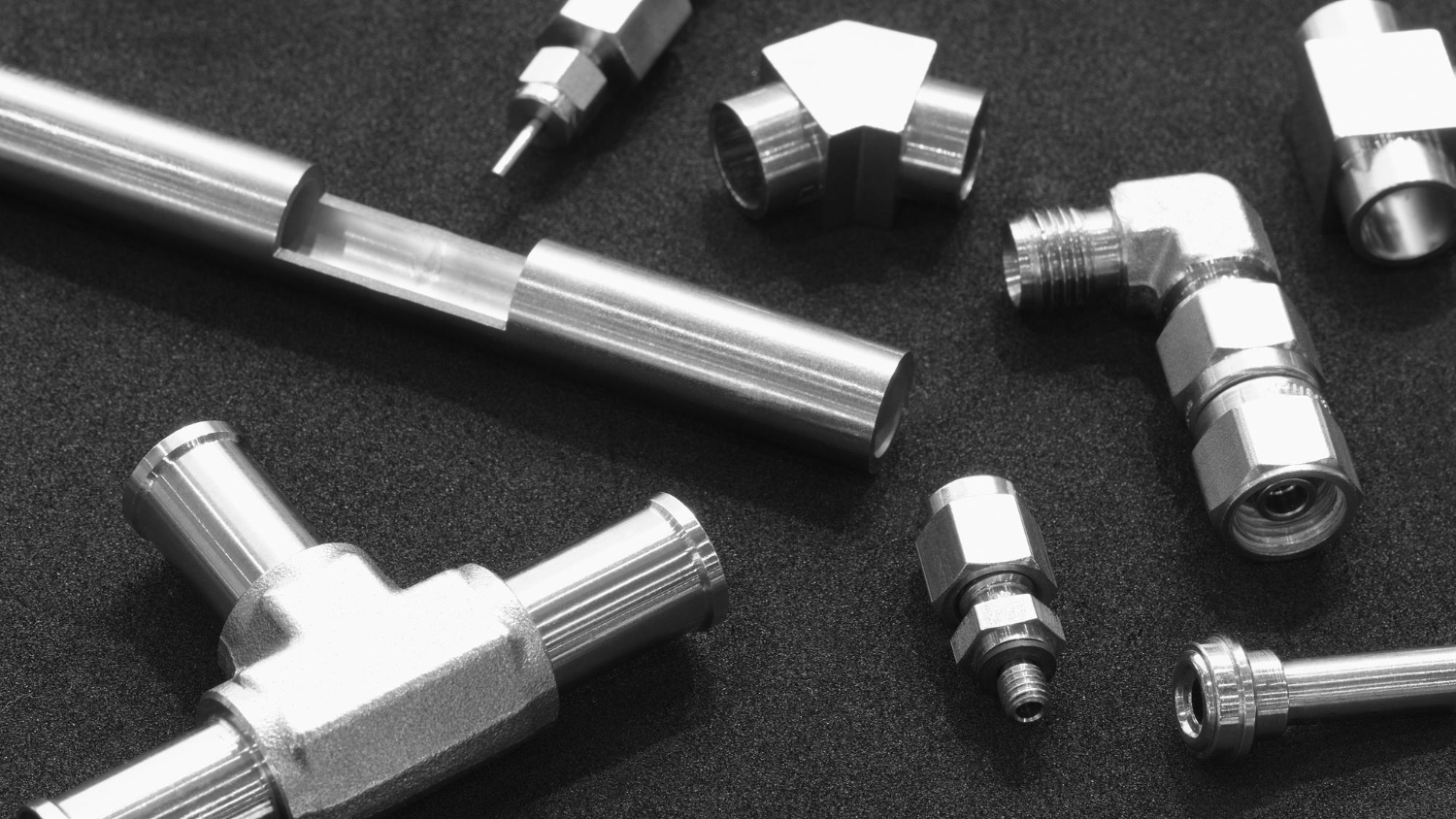
Carbon Steel vs Stainless Steel Pipes: Cost, Performance, and Application Comparison
Read More

How Fire Fighting Valves Ensure Safe and Efficient High-Pressure Water Systems
Read More



Industrial Valves, Hoses & Gaskets: Alkun Steel’s Solutions for the Tanks & Pumps Industry
Read More
Corrosion-Resistant Valves, Flanges & Joints: Alkun Steel’s Petrochemical Solutions
Read More
Why Alkun Steel Is A Reliable Supplier Of Essential Products In The Oil Drilling & Rig Industry
Read More
Reliable Industrial Components For Fire Fighting Applications: Alkun Steel’s Trusted Solutions
Read More
Why Alkun Steel Is A Reliable Supplier Of Essential Products In The Fabrication Industry
Read More
Industrial Valves, Hoses & Gaskets: Alkun Steel’s Solutions For Aviation Maintenance
Read More

Best Weld Neck, Slip-On, And Blind Flanges For Critical Oil & Gas Connections
Read More
Best Industrial Fasteners for Heavy Equipment Assembly and Structural Steel Projects
Read More