Common Types of Steel Valves and Their Applications
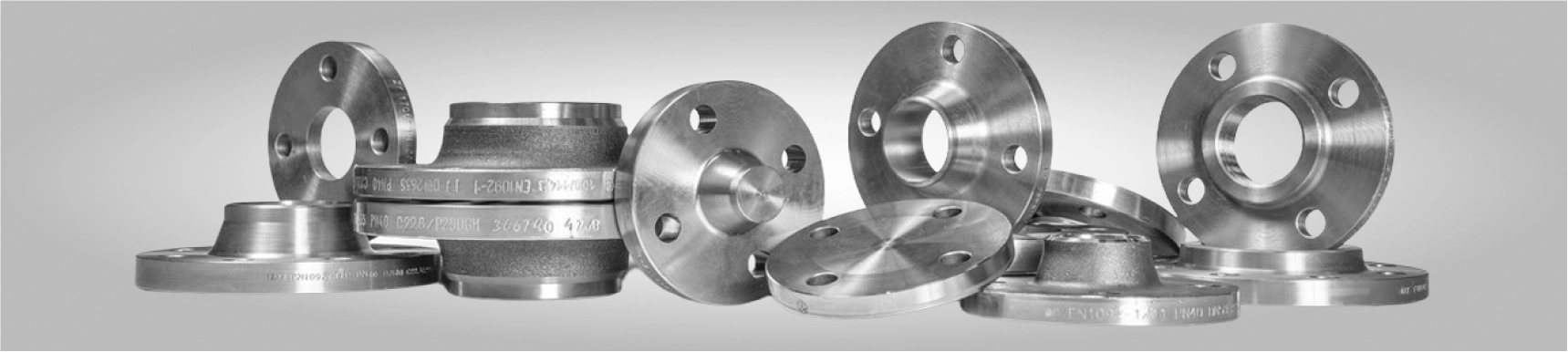
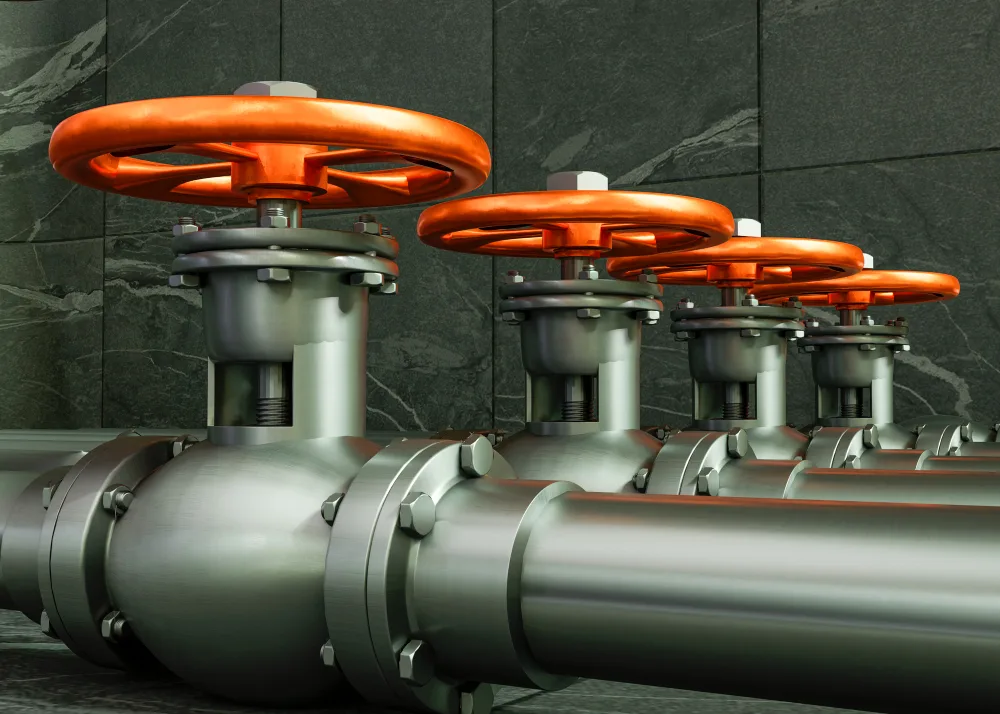
Valves are critical components in industrial, mechanical, and piping systems. They control the flow of liquids, gases, and other materials, ensuring safe and efficient operation. Choosing the right steel valve for a specific application depends on factors like pressure, temperature, material compatibility, and system requirements. Understanding the different types of steel valves and their uses helps engineers, contractors, and project managers make informed decisions.
In this blog, we explore the common types of steel valves, from stainless steel valves to gate valves, and how they perform in different applications. With insights from Al Kun Steel, you will discover how to match the right valve to your system’s needs, keeping operations efficient, reliable, and built to last.
Types of Steel Valves at Al Kun
Steel valves come in a wide range of designs and materials, each engineered to handle specific pressures, temperatures, and flow requirements. Selecting the right valve type ensures safety, efficiency, and longevity of piping systems. Below, we explore the most common types of steel valves, their advantages, limitations, and applications.
1. Stainless Steel Valves
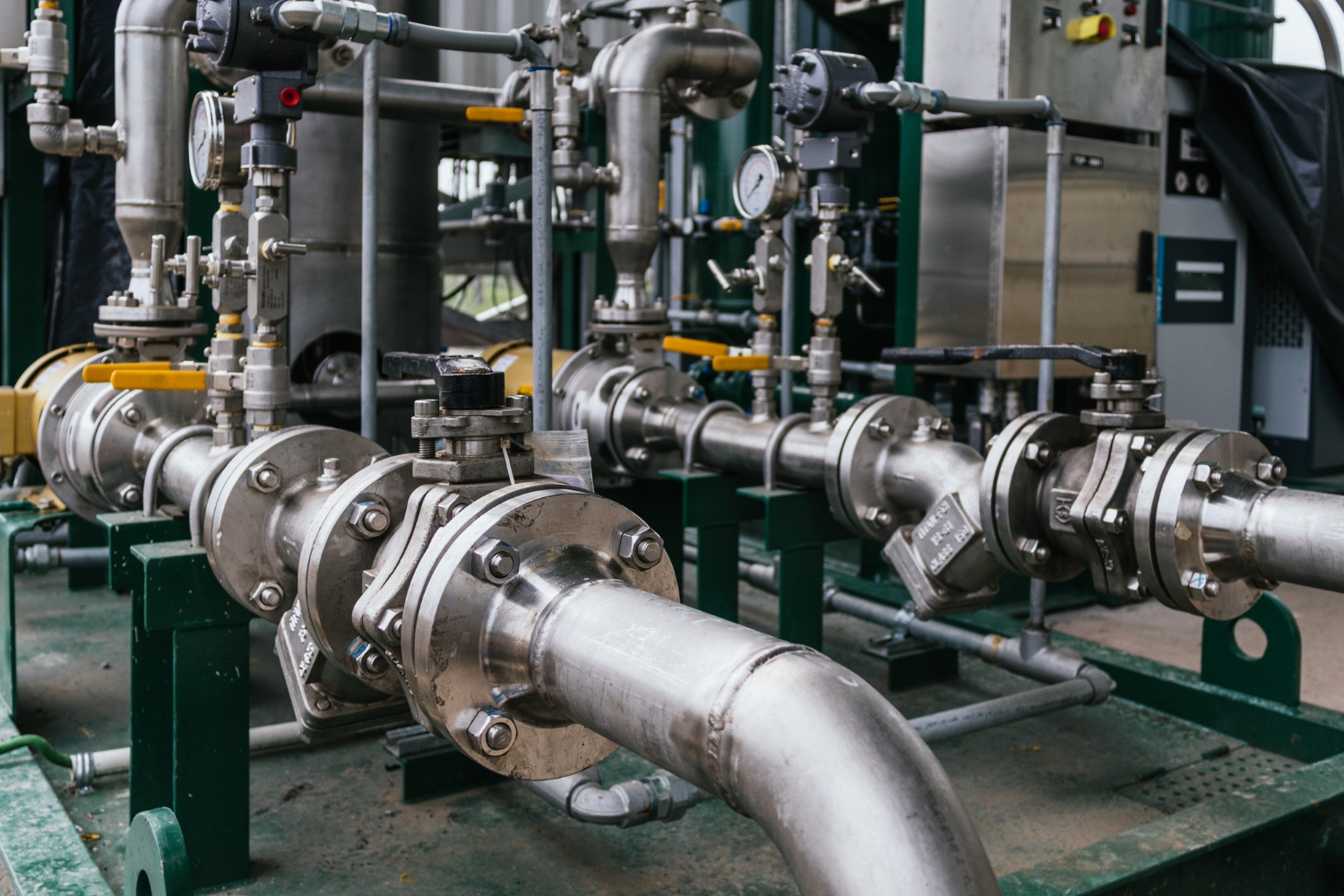
Stainless steel valves are prized for their corrosion resistance, durability, and hygienic properties, making them suitable for sensitive applications. They handle both high-pressure and moderate-to-high-temperature systems efficiently. Stainless steel valves come in various designs, including gate, globe, ball, and check valves, allowing versatile flow control.
Advantages:
- Resistant to corrosion and oxidation
- Long service life even in aggressive environments
- Hygienic for food, beverage, and pharmaceutical applications
Limitations:
- Higher initial cost compared to carbon steel
- May require specialized tools for installation in some applications
Common Applications:
- Chemical plants and petrochemical systems
- Water and wastewater treatment facilities
- Food and beverage pipelines
- Pharmaceutical and medical processing lines
2. Carbon Steel Valves
Carbon steel valves are strong, durable, and cost-effective, making them the preferred choice for high-pressure and high-temperature applications where corrosion is less severe. They are available as gate, globe, ball, check, and butterfly valves, suitable for both isolation and flow control.
Advantages:
- Excellent strength under high pressure
- Cost-effective for large-scale industrial use
- Can be coated or lined for improved corrosion resistance
Limitations:
- Less corrosion-resistant than stainless steel
- Not ideal for highly acidic or saline environments without protection
Common Applications:
- Oil and gas pipelines, including onshore and offshore facilities
- Power generation systems such as boilers and turbines
- Industrial manufacturing processes requiring high-pressure handling
3. Alloy Steel Valves
Alloy steel valves are engineered by combining multiple metals, resulting in superior strength, temperature tolerance, and corrosion resistance. They are highly reliable in extreme conditions and often used in critical systems where failure is not an option. Typical designs include gate, globe, ball, and check valves, with specialized alloys tailored for specific industries.
Advantages:
- Excellent performance in high-temperature and high-pressure systems
- Resistant to corrosion from chemicals and seawater
- Long-lasting even in high-stress environments
Limitations:
- Higher cost due to specialized alloys
- Maintenance may require specialized expertise
Common Applications:
- Petrochemical and chemical processing plants
- Offshore and marine pipelines exposed to seawater
- High-temperature process systems like furnaces and reactors
4. Cast Steel Valves
Cast steel valves are made by pouring molten steel into molds, creating robust, large-sized components. They are ideal for heavy-duty industrial systems where durability and pressure tolerance are critical. Cast steel valves come in a variety of types, including gate, globe, check, and ball valves, with options for flanged or threaded connections.
Advantages:
- Can be manufactured in very large sizes
- Strong and durable for long-term industrial use
- Cost-effective for large-scale installations
Limitations:
- Heavier than forged valves, making installation more labor-intensive
- Less ductile than forged steel; can crack under extreme stress
Common Applications:
- Large industrial pipelines carrying steam, gas, or oil
- Power plants and energy generation systems
- Heavy-duty water treatment and municipal systems
5. Forged Steel Valves
Forged steel valves are produced by forging steel into a dense, high-strength structure, offering excellent mechanical properties. They are suitable for high-pressure, critical applications where safety and reliability are paramount. Common forged valve designs include gate, globe, check, and ball valves, with precise machining to ensure tight sealing.
Advantages:
- High strength and durability under extreme pressure
- Less likely to crack compared to cast steel
- Excellent for critical pipelines where failure is not an option
Limitations:
- More expensive than cast valves
- Typically limited in very large sizes due to forging constraints
Common Applications:
- High-pressure oil and gas pipelines
- Critical water and steam distribution networks
- Industrial, chemical, and petrochemical plants requiring precise flow control
6. Pressure Relief Valves (PRVs)
Pressure relief valves are safety devices that automatically release excess pressure from a system, protecting pipelines and equipment from damage. They are commonly made from carbon or stainless steel and are essential in high-pressure industries.
Advantages:
- Prevent system overpressure and potential failures
- Available in adjustable and pilot-operated designs
- Essential for safety compliance in industrial systems
Limitations:
- Not designed for continuous flow control
- Requires regular inspection and maintenance
Common Applications:
- Steam boilers and pressure vessels
- Oil and gas pipelines
- Chemical and power plants
7. Cryogenic Valves
Cryogenic valves are specially designed to operate in extremely low temperatures, often below -150°C, without losing strength or sealing integrity. They are made from stainless steel or alloy steel and are used in industries handling liquefied gases.
Advantages:
- Maintain mechanical integrity at ultra-low temperatures
- Prevent leakage and ensure safety in cryogenic systems
- Can handle liquefied gases such as LNG, oxygen, or nitrogen
Limitations:
- Specialized design increases cost
- Requires expertise for installation and maintenance
Common Applications:
- LNG (liquefied natural gas) processing and storage
- Cryogenic research facilities
- Industrial gas distribution systems
Conclusion
Selecting the right steel valve can define the efficiency and reliability of a system. From stainless steel valves for corrosive environments to forged and alloy steel valves for high-pressure applications, understanding their strengths and applications helps ensure operations run without compromise. Each valve type serves a purpose, and matching it to the system’s requirements is key to long-term performance.
Al Kun Steel, a stainless steel valve supplier in UAE, offers a range of valves designed to meet diverse industrial and commercial needs. With quality products and practical guidance, we help projects across the UAE and GCC maintain precision, durability, and smooth operation, turning complex piping challenges into dependable solutions.
Related Articles

The Complete Buyer's Guide to Industrial Gratings: GI vs Stainless Steel vs Aluminium vs Ductile Iron
Read More

Chequered Plate Buying Guide: MS vs GI vs Stainless Steel Checker Plates Compared
Read More
C-Channel vs U-Channel: Sizes, Uses & How to Choose the Right Structural Steel Channel
Read More


Valves Used in District Cooling Systems: Types, Functions, and Selection Criteria
Read More
Threaded vs Socket Weld vs Butt Weld Fittings: Which Is Right for Your Project?
Read More
Carbon Steel vs Stainless Steel Pipes: Cost, Performance, and Application Comparison
Read More


How Fire Fighting Valves Ensure Safe and Efficient High-Pressure Water Systems
Read More



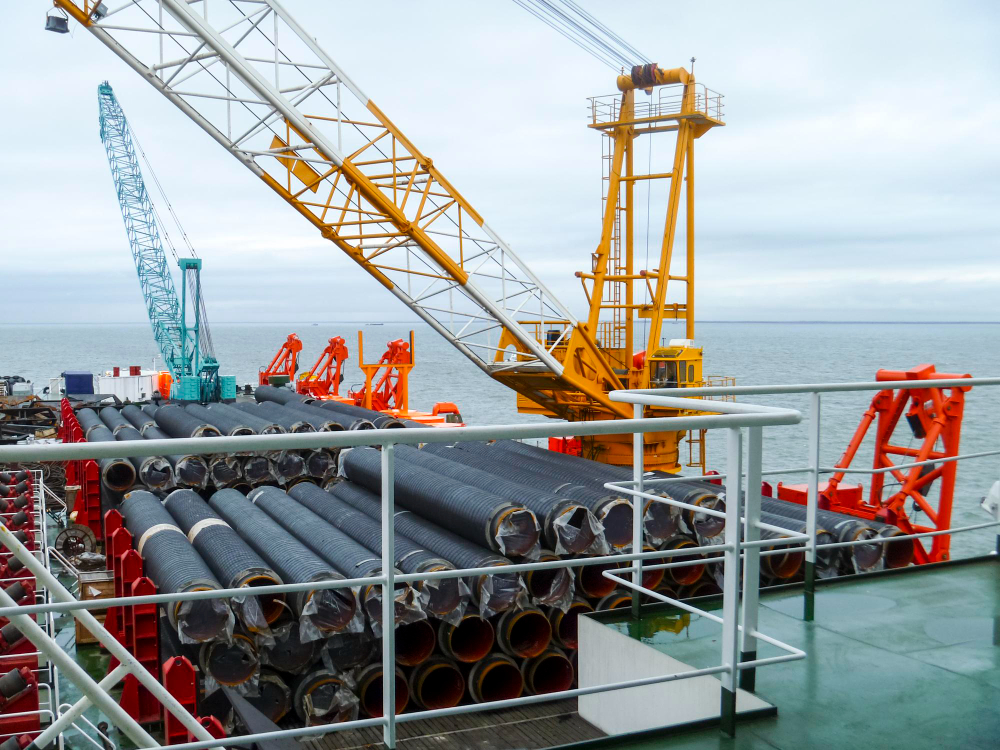
Stainless Steel Buttweld Fittings For Offshore Shipbuilding And Platform Piping
Read More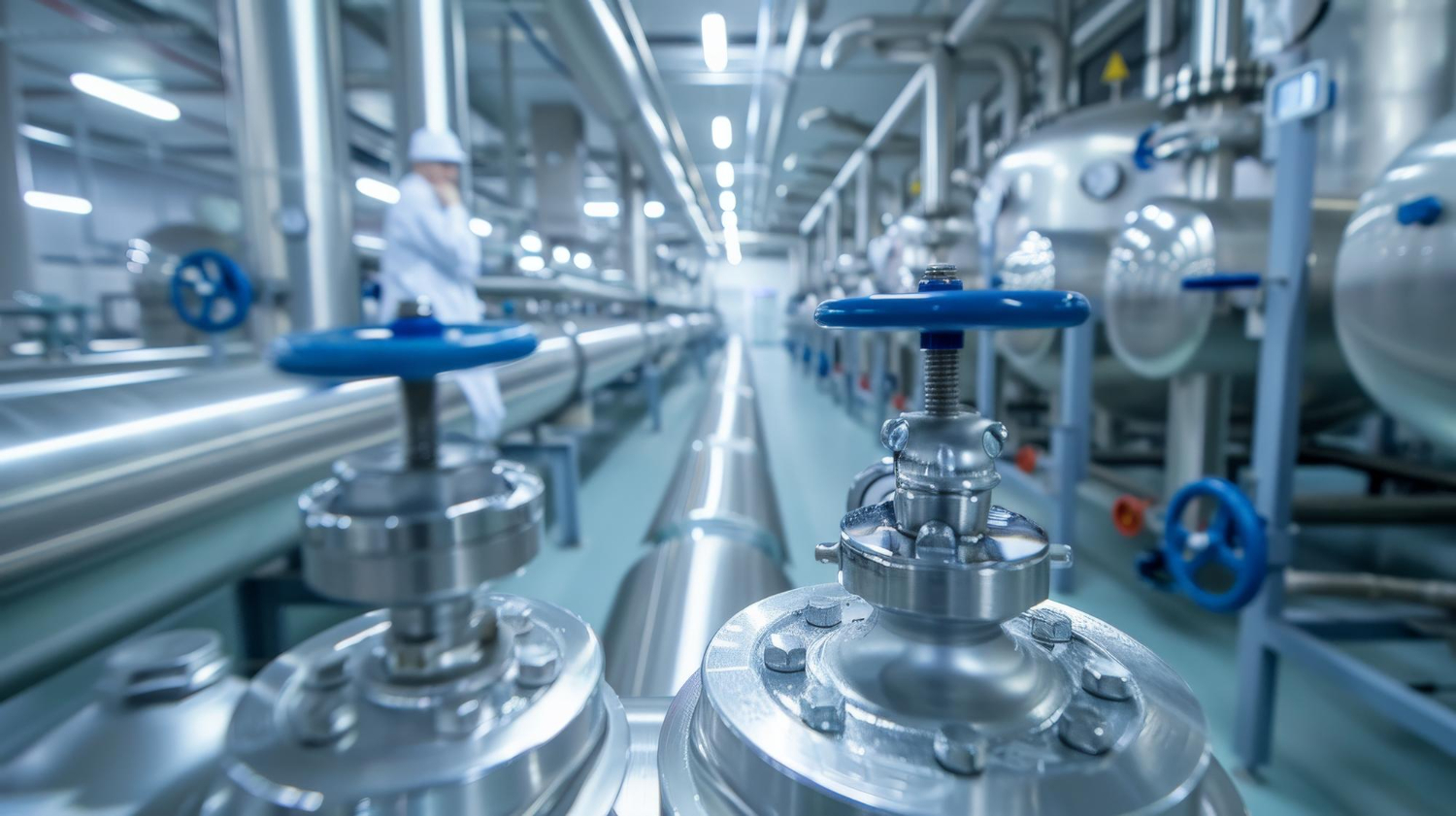
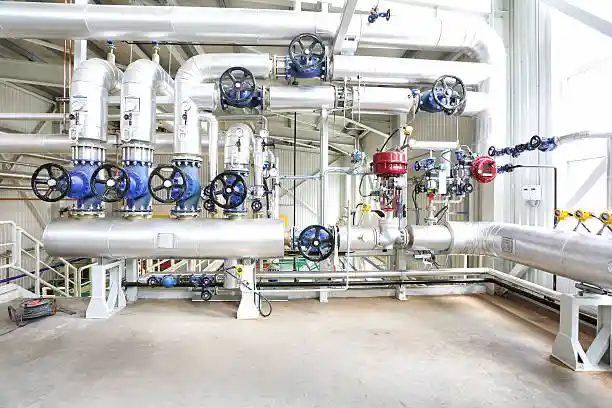
Industrial Valves, Hoses & Gaskets: Alkun Steel’s Solutions for the Tanks & Pumps Industry
Read More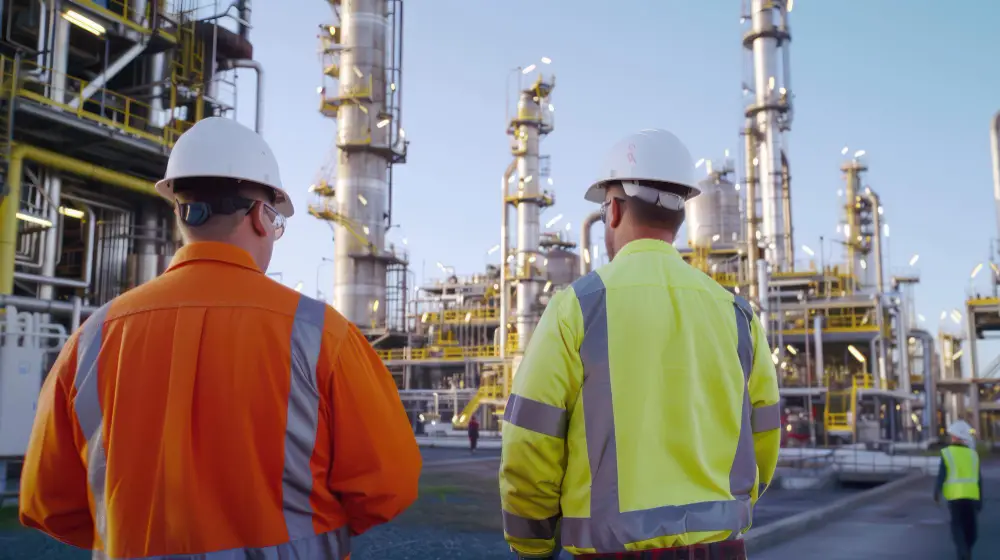
Corrosion-Resistant Valves, Flanges & Joints: Alkun Steel’s Petrochemical Solutions
Read More
Why Alkun Steel Is A Reliable Supplier Of Essential Products In The Oil Drilling & Rig Industry
Read More


Reliable Industrial Components For Fire Fighting Applications: Alkun Steel’s Trusted Solutions
Read More
Why Alkun Steel Is A Reliable Supplier Of Essential Products In The Fabrication Industry
Read More

Industrial Valves, Hoses & Gaskets: Alkun Steel’s Solutions For Aviation Maintenance
Read More

Best Weld Neck, Slip-On, And Blind Flanges For Critical Oil & Gas Connections
Read More
Best Industrial Fasteners for Heavy Equipment Assembly and Structural Steel Projects
Read More