Different Types of Gaskets and Their Uses in Piping Systems
Gaskets play a critical role in modern piping systems. Wherever two surfaces are joined, especially in pipelines carrying liquids or gases, a gasket is needed to create a tight, reliable seal. Without gaskets, even well-designed piping systems would be prone to leaks, pressure loss, and safety risks.
Understanding what are the different types of gaskets, how they work, and where they are used helps engineers, contractors, and plant managers choose the right sealing solution. This guide explains gasket types, their uses in piping systems, and the most common types of gasket material used in industrial applications.
Types of Gaskets
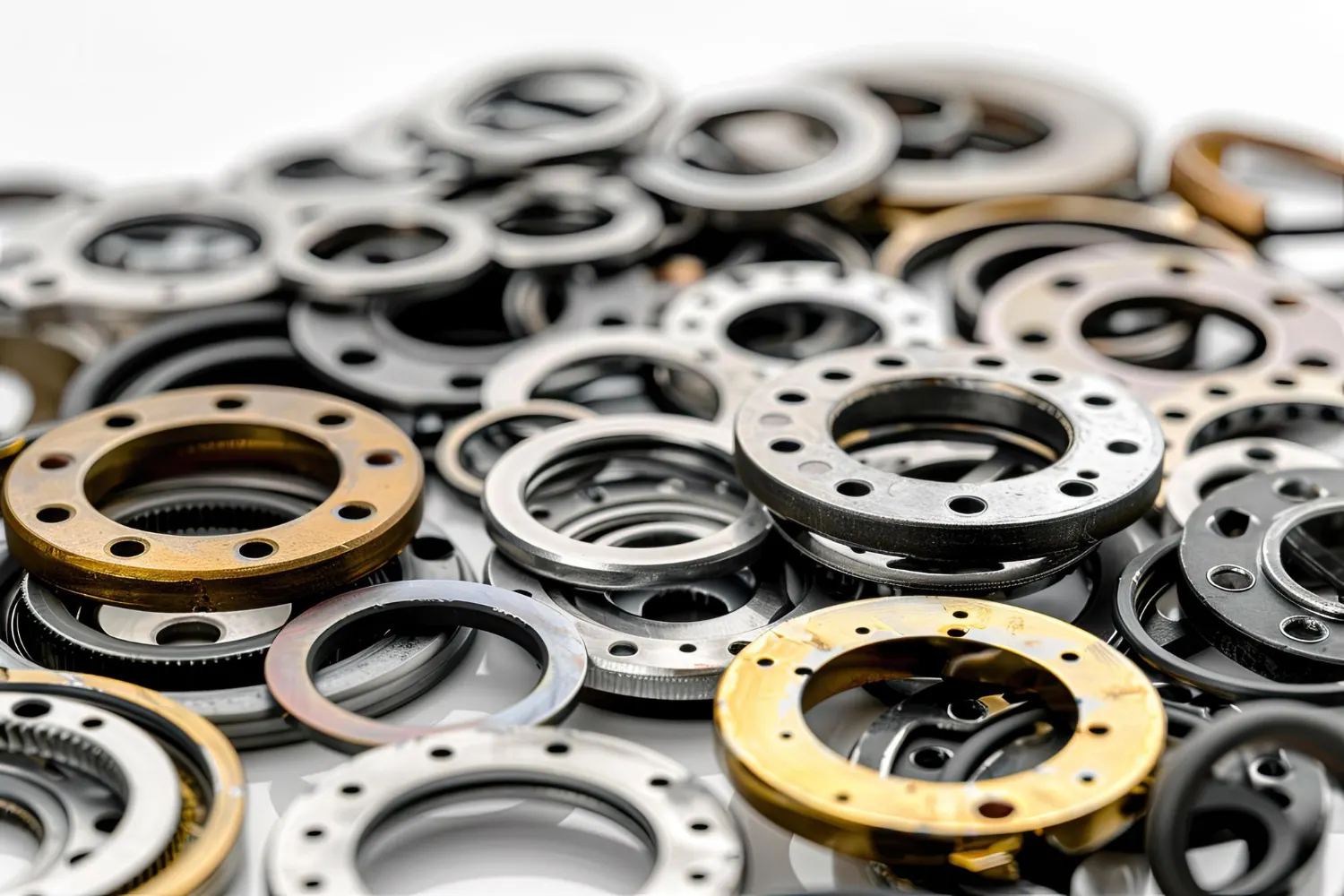
There are many different types of gaskets, each designed for specific pressure, temperature, and application needs. Below are the most commonly used gasket types and their uses in piping systems.
1. Rubber Gasket
A rubber gasket is one of the most widely used gasket types due to its flexibility, compressibility, and reliable sealing performance. It provides effective sealing in low to medium pressure applications and performs well in environments involving water and mild chemicals.
Rubber gaskets are commonly used in water pipelines, HVAC systems, and low-pressure industrial piping. They are ideal where vibration or slight surface irregularities exist.
Because of their wide use, many industries rely on a trusted rubber gasket supplier in UAE to ensure consistent quality and material compatibility.
2. Spiral Wound Gasket
A spiral wound gasket is specifically designed for high-pressure and high-temperature operating conditions. It is constructed using alternating layers of metal and filler material, which gives it excellent strength, resilience, and recovery under fluctuating pressure.
Spiral wound gaskets are widely used in oil & gas pipelines, refineries, power plants, and chemical processing units. They are especially effective in flange joints where pressure fluctuations occur.
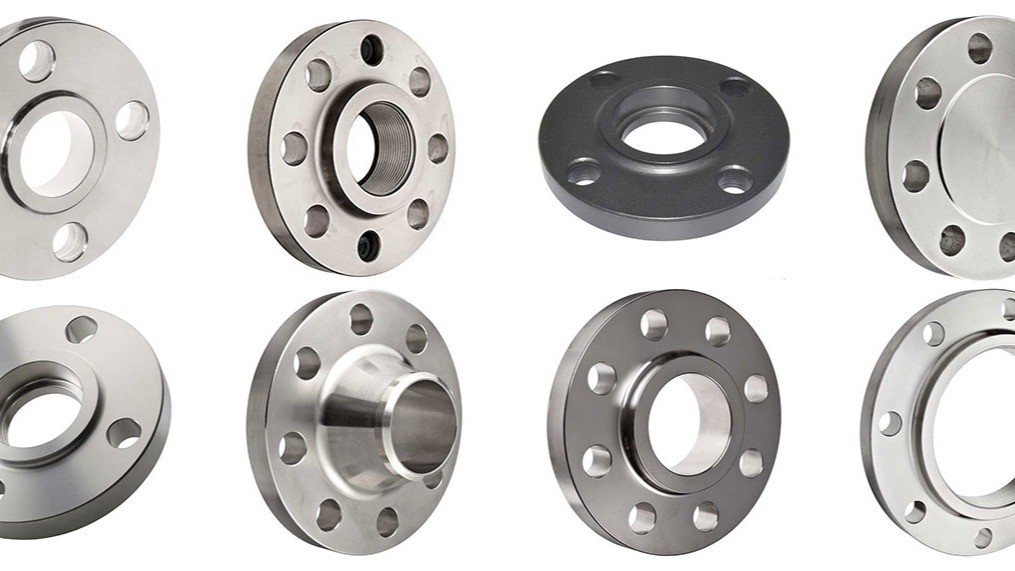
3. Flange Gasket
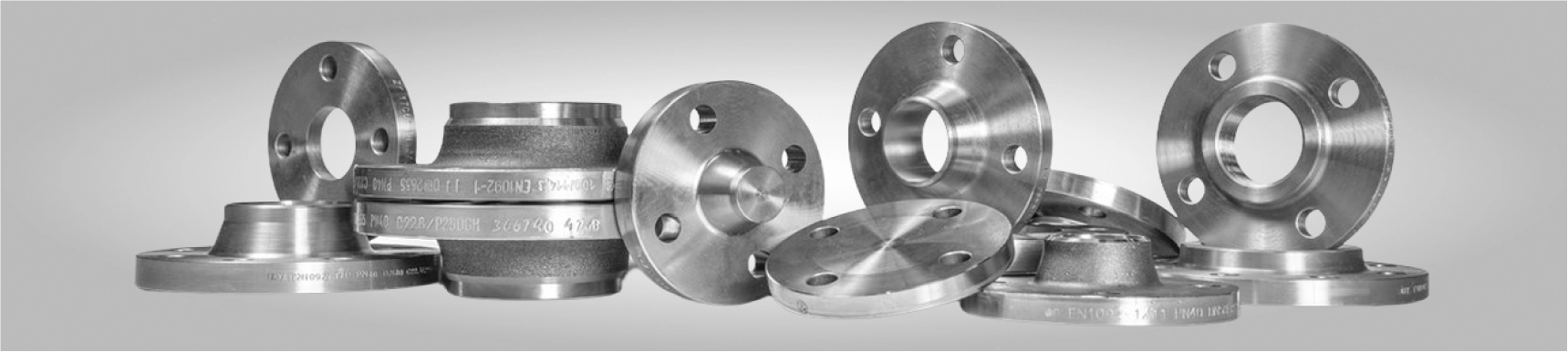
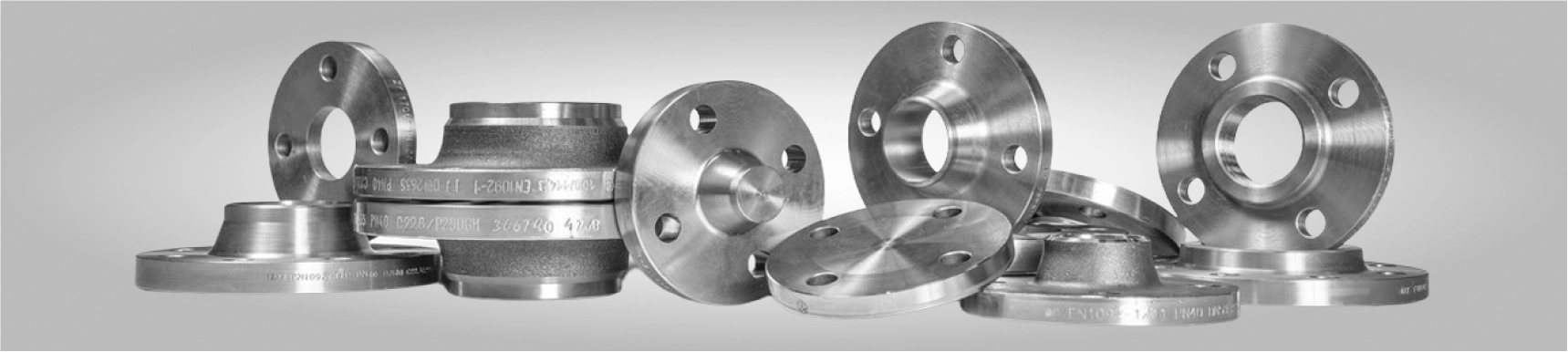
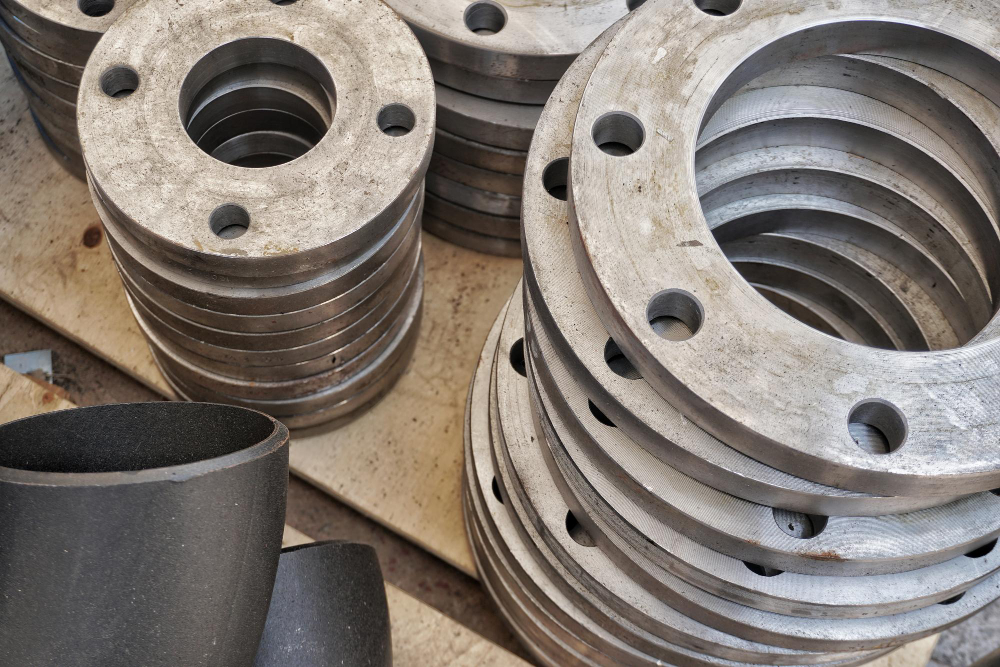
A flange gasket is designed to fit precisely between pipe flanges to create a uniform and secure seal. Available in different materials and configurations, flange gaskets are manufactured to match standard flange specifications, ensuring proper alignment and consistent sealing across the joint.
Flange gaskets are used in almost every piping system, from water lines to industrial pipelines. Choosing the right flange gasket ensures leak-free connections and long-term performance.
4. Graphite Gasket
A graphite gasket is known for its ability to withstand extremely high temperatures and aggressive chemical environments. It maintains sealing integrity under pressure while offering excellent chemical stability, making it suitable for demanding industrial applications.
Graphite gaskets are commonly used in steam pipelines, heat exchangers, and chemical plants. They are ideal where rubber or fiber materials may fail due to heat.
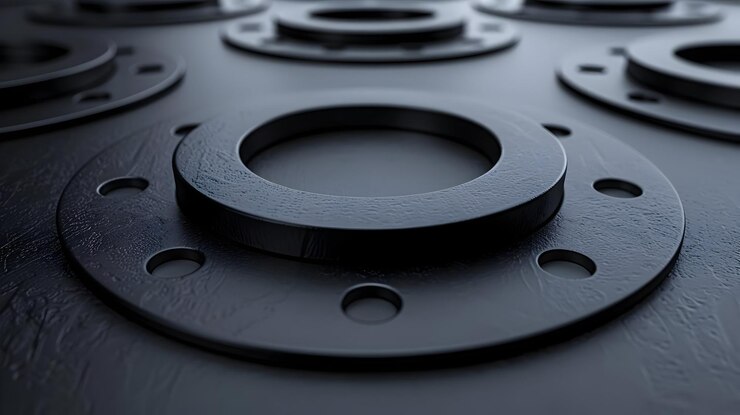
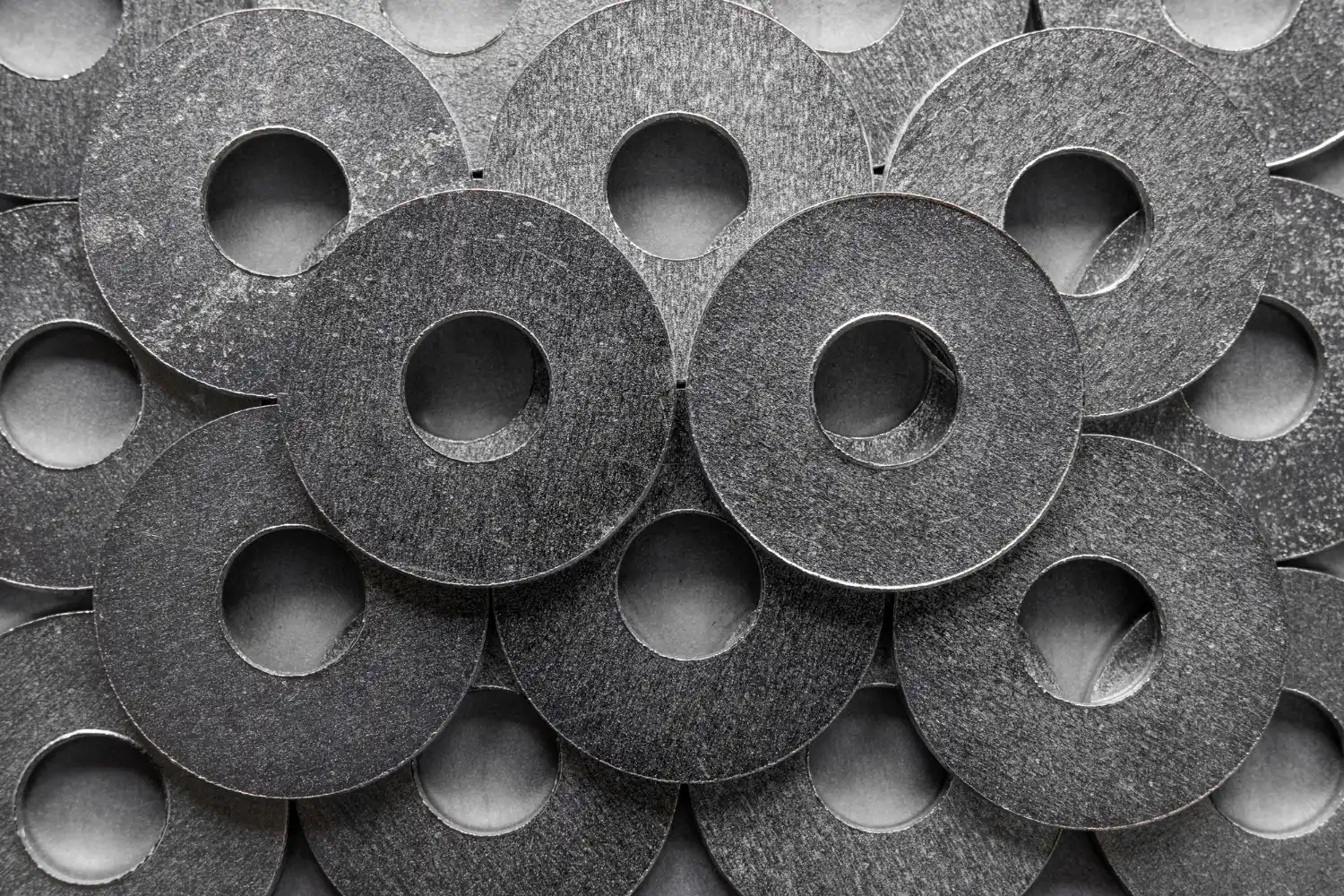
5. Flat Ring Gasket
A flat ring gasket is a simple and widely used sealing solution featuring a flat, circular design. Its straightforward structure makes it easy to install and replace, while also offering a cost-effective option for basic sealing requirements.
Flat ring gaskets are commonly used in low to medium pressure piping systems, including water, air, and general industrial pipelines.
6. O-Ring Gasket
An O-ring gasket provides sealing through controlled compression and is recognized for its circular cross-section and compact design. It delivers effective sealing in confined spaces and performs well in both static and dynamic applications.
O-ring gaskets are widely used in valves, pumps, hydraulic systems, and compact piping assemblies where precise sealing is required.
7. Plastic Gaskets
Plastic gaskets are manufactured using materials such as PTFE and other high-performance polymers. They offer excellent chemical resistance, low friction, and non-reactive properties, making them suitable for sensitive applications.
Plastic gaskets are commonly used in chemical processing, pharmaceutical pipelines, and food-grade piping systems where contamination must be avoided.
8. Compressed Fiber Gasket
Compressed fiber gaskets are produced by compressing fibers with binding materials to create a strong yet flexible sealing component. They are suitable for moderate pressure applications and provide a cost-effective sealing solution for many industrial needs.
These gaskets are widely used in industrial piping systems carrying water, oil, and gas under controlled conditions.
How Gaskets are used in Piping Systems
Gaskets perform multiple functions within piping systems. Understanding the types of gaskets in piping helps engineers and operators select the right sealing solution for safety, efficiency, and long-term reliability.
Below are four key ways they are used:
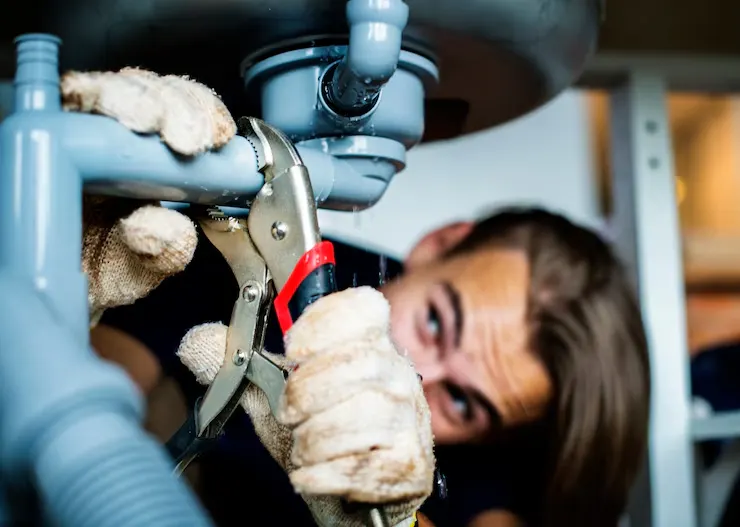
1. Sealing Flange Joints
Gaskets are placed between two flange faces to fill surface irregularities and prevent leakage when the flanges are bolted together. Different types of gaskets in piping, such as flange gaskets, spiral wound gaskets, and flat ring gaskets, are chosen based on pressure, temperature, and fluid conditions.
2. Maintaining Internal Pressure
By creating a tight seal, gaskets help maintain pressure inside the pipe, ensuring efficient fluid or gas flow.
3. Absorbing Vibration and Movement
Certain gasket types help absorb vibration caused by pumps, compressors, or thermal expansion, reducing wear on piping components.
4. Preventing Contamination
In food, pharmaceutical, and chemical pipelines, gaskets prevent external contaminants from entering the system and protect internal media from leaks.
Benefits of Using Gaskets
Using the right gasket provides several advantages:
- Prevents leakage and pressure loss
- Enhances safety in industrial operations
- Extends the life of piping and equipment
- Reduces maintenance and downtime
- Improves overall system efficiency
Choosing the correct gasket types and uses ensures reliable performance and long-term cost savings.
5 Common Causes of Gasket Failures
Even when the correct gasket types are selected, failures can still occur due to installation issues, operating conditions, or material limitations.
Below are five of the most common causes of gasket failure in industrial and piping applications.
1. Uneven Compression
Uneven compression occurs when a gasket is tightened more on one side than the other. This usually happens due to improper bolt tightening or incorrect torque sequence. In gasket in piping applications, uneven pressure prevents the gasket from sealing evenly against the flange surface. Gasket types such as flat ring gasket and spiral wound gasket require uniform compression to create a reliable seal. Any imbalance can leave gaps that allow leaks to form.
2. Over Compression
Applying too much force during installation can damage the gasket. Over-compression causes the gasket material to deform permanently and lose its ability to recover. In severe cases, the gasket may squeeze out of the sealing area. This issue affects many gasket types, especially softer materials, and often results in early failure even if the gasket material was suitable for the application.
3. Under Compression
When a gasket is not compressed enough, it cannot fully seal the joint. Under-compression is commonly caused by low bolt torque or poor flange alignment. An o ring gasket, for example, must be properly seated and compressed to seal effectively. Without sufficient pressure, the gasket cannot fill surface irregularities, allowing fluid or gas to escape.
4. Exposure to Excessive Heat
Gaskets are designed to operate within specific temperature ranges. When exposed to heat beyond these limits, gasket materials may harden, soften, or crack. In piping systems, repeated temperature changes can reduce gasket recovery over time. Once the gasket loses flexibility, it can no longer maintain a tight seal, increasing the risk of leaks.
5. Chemical Incompatibility
Chemical exposure is a major cause of gasket failure when the wrong material is used. Some gasket materials react poorly to oils, solvents, acids, or gases. This can lead to swelling, cracking, or material breakdown. Selecting gasket types that are chemically compatible with the media being sealed is essential for long-term performance in industrial piping applications.
Alkun Steel and Gasket Solutions
Alkun Steel supplies a wide range of industrial gaskets designed to meet the needs of modern piping systems. Their product range covers multiple gasket types in piping, suitable for various pressures, temperatures, and industries.
By offering consistent quality, material compatibility, and reliable supply, Alkun Steel supports industries looking for dependable gasket solutions for critical applications.
Conclusion
Gaskets are essential components in piping systems, ensuring safe, efficient, and leak-free operations. Understanding what are the different types of gaskets, their materials, and their uses helps in selecting the right solution for each application. Since piping systems operate under varying pressure, temperature, and fluid conditions, choosing the correct gasket type plays a key role in maintaining system reliability.
From rubber gasket and spiral wound gasket designs to graphite gasket and O ring gasket solutions, selecting the right option improves sealing performance, reduces operational risks, and lowers long-term maintenance costs. Different gasket types in piping are designed to handle specific challenges, making material compatibility and proper selection critical to success.
Working with a well-known gasket supplier such as Alkun Steel ensures access to the right gasket types and uses for industrial piping applications.
FAQs
1. What are the different types of gaskets used in piping systems?
The most common types of gaskets in piping include rubber gaskets, spiral wound gaskets, graphite gaskets, flange gaskets, flat ring gaskets, and O-ring gaskets, each designed for specific pressure and temperature conditions.
2. How do I choose the right gasket for a piping system?
The right gasket depends on operating pressure, temperature, fluid type, and flange design. Understanding gasket types and uses helps ensure proper sealing and long-term performance.
3. Why are gaskets important in piping systems?
Gaskets prevent leaks, maintain internal pressure, reduce vibration, and protect piping systems from contamination, improving safety and operational efficiency.
4. What happens if the wrong gasket type is used?
Using the wrong gasket can lead to leaks, pressure loss, equipment damage, and increased maintenance costs. Proper selection of gasket types in piping is essential to avoid failure.
5. How often should gaskets be replaced in piping systems?
Gasket replacement depends on operating conditions and material type. Regular inspection is recommended, especially in high-pressure or high-temperature piping systems.
Related Articles
Valves Used in District Cooling Systems: Types, Functions, and Selection Criteria
Read More
Threaded vs Socket Weld vs Butt Weld Fittings: Which Is Right for Your Project?
Read More
Carbon Steel vs Stainless Steel Pipes: Cost, Performance, and Application Comparison
Read More


How Fire Fighting Valves Ensure Safe and Efficient High-Pressure Water Systems
Read More



Stainless Steel Buttweld Fittings For Offshore Shipbuilding And Platform Piping
Read More
Industrial Valves, Hoses & Gaskets: Alkun Steel’s Solutions for the Tanks & Pumps Industry
Read More
Corrosion-Resistant Valves, Flanges & Joints: Alkun Steel’s Petrochemical Solutions
Read More

Why Alkun Steel Is A Reliable Supplier Of Essential Products In The Oil Drilling & Rig Industry
Read More


Reliable Industrial Components For Fire Fighting Applications: Alkun Steel’s Trusted Solutions
Read More
Why Alkun Steel Is A Reliable Supplier Of Essential Products In The Fabrication Industry
Read More

Industrial Valves, Hoses & Gaskets: Alkun Steel’s Solutions For Aviation Maintenance
Read More

Best Weld Neck, Slip-On, And Blind Flanges For Critical Oil & Gas Connections
Read More
Best Industrial Fasteners for Heavy Equipment Assembly and Structural Steel Projects
Read More