Complete Guide to Types of Industrial Couplings
In industrial machinery and piping systems, components rarely work alone. The motors drive the shafts, the pumps move fluids, and the equipment must operate in coordination. The connection between these moving parts is often made through an industrial coupling. It's a small but essential component that keeps mechanical systems running smoothly.
Industries such as manufacturing, oil and gas, processing plants, and infrastructure projects rely heavily on different industrial coupling types to support their equipment. From rotating machinery to fluid transport lines, couplings help ensure that systems operate with consistency and safety.
This guide explains the role of couplings, the different industrial coupling types available, and why selecting the right industrial coupling supplier is important for long-term operational reliability.
Why does selecting the right coupling matter?
The role of a coupling may appear simple, but its performance directly affects the efficiency of mechanical equipment. A coupling must transmit torque while also handling alignment variations between shafts. Even small alignment differences can place stress on connected components if the wrong coupling is used.
Selecting the correct coupling helps protect motors, pumps, and gearboxes from excessive wear. Many couplings are designed to absorb vibration and reduce shock loads. This helps maintain smooth operation and prevents damage to surrounding equipment.
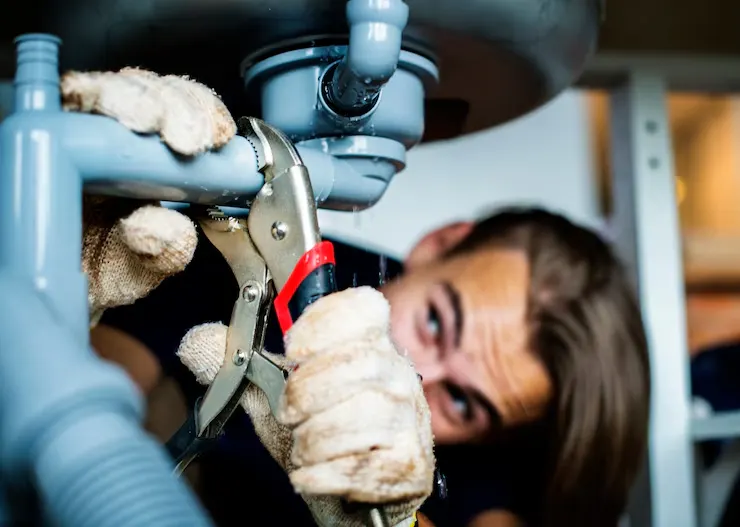
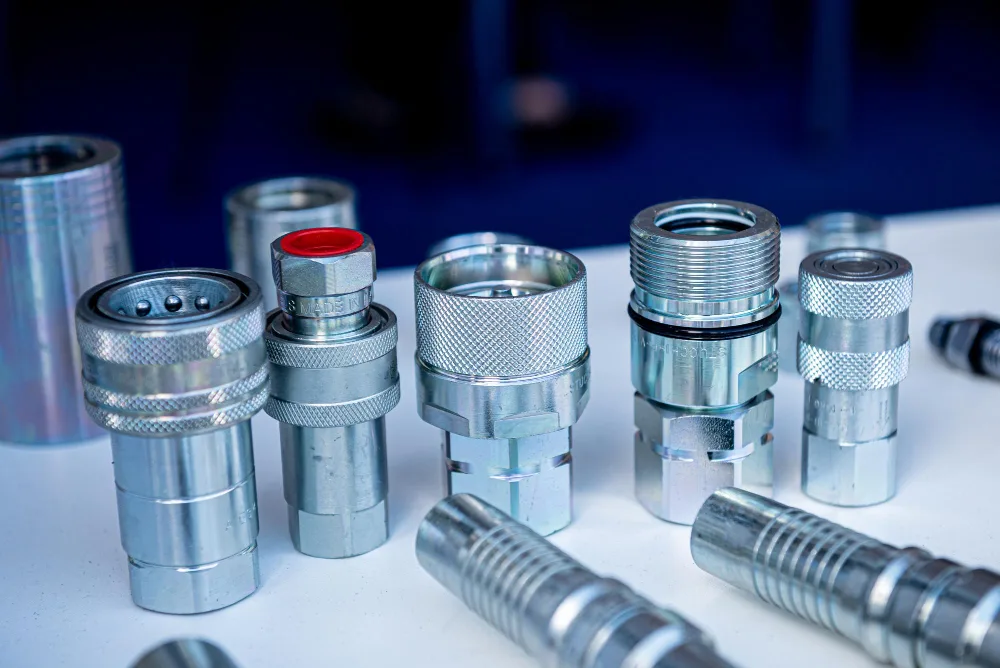
Couplings also support system flexibility. In piping and fluid transfer setups, industrial pipe couplings allow pipes to be connected or disconnected for maintenance or expansion. In applications involving hoses or fluid lines, industrial hose couplings provide secure connections that prevent leaks during operation.
Types of industrial couplings
Industrial systems use several coupling designs depending on the application. Each type of coupling is built to address specific mechanical or operational needs.
Rigid Couplings
Rigid couplings are used when two shafts must remain perfectly aligned. They provide a strong and direct connection that allows torque to be transmitted without flexibility. Because they do not accommodate misalignment, they are typically used in systems where shaft alignment can be precisely controlled.
Flexible Couplings
Flexible couplings are designed to accommodate small misalignments between shafts. They can absorb vibration and reduce the transmission of shock loads between connected equipment.
Common examples include elastomer couplings, jaw couplings, and grid couplings. These designs help protect machinery by reducing stress on shafts and bearings. Flexible couplings are widely used in pumps, compressors, and rotating industrial equipment.
Gear Couplings
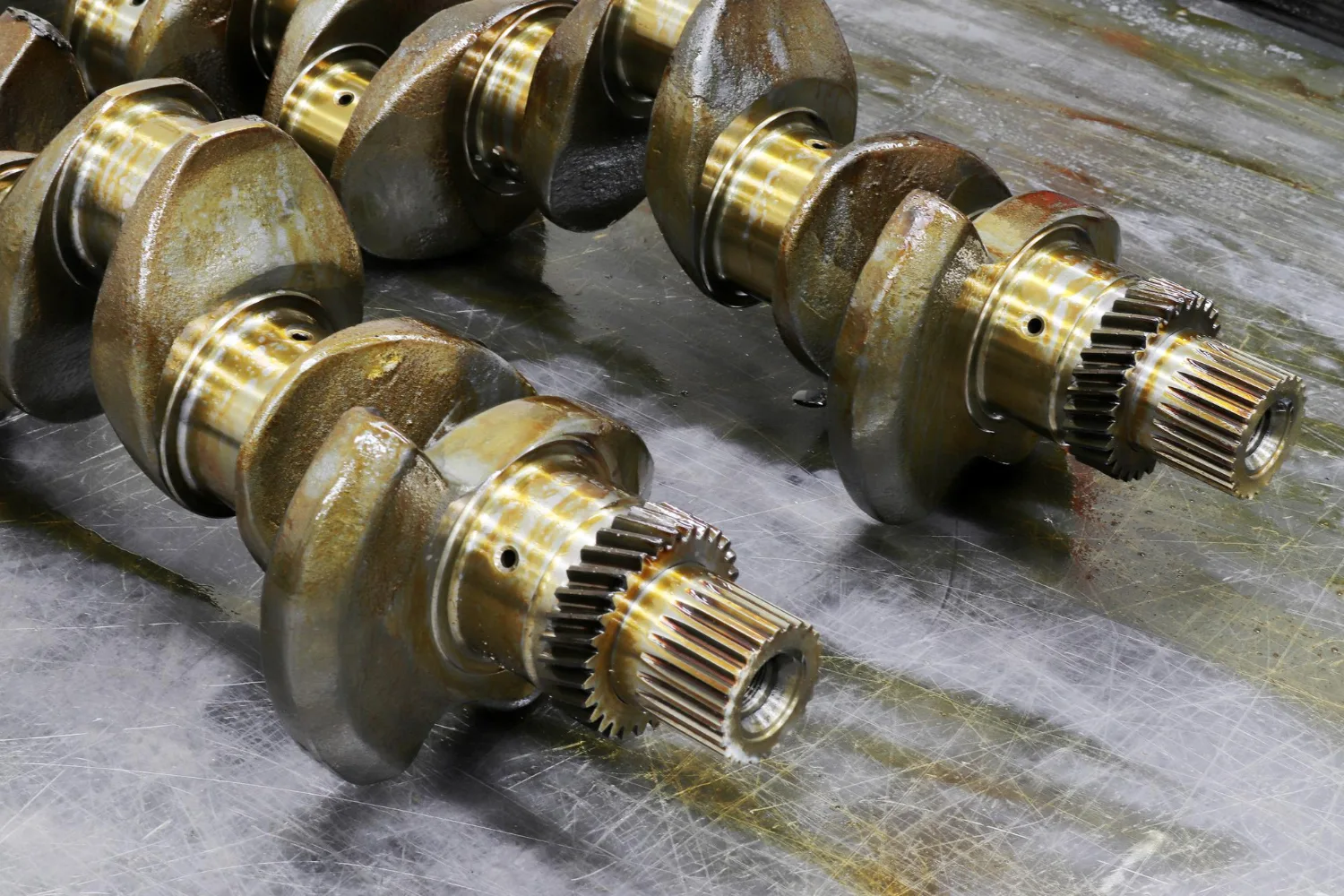
Gear couplings use toothed hubs that mesh together to transmit torque. They are capable of handling high torque loads while also accommodating slight misalignment.
Because of their strength and durability, gear couplings are often used in heavy-duty industrial equipment such as rolling mills, conveyors, and large motors.
Fluid Couplings
Fluid couplings operate using hydraulic fluid to transmit power between shafts. Instead of a direct mechanical connection, energy is transferred through fluid movement.
This design allows for smooth power transmission and helps protect equipment from sudden shock loads. Fluid couplings are commonly used in conveyor systems and heavy start-up applications where controlled acceleration is important.
Hose and Pipe Couplings
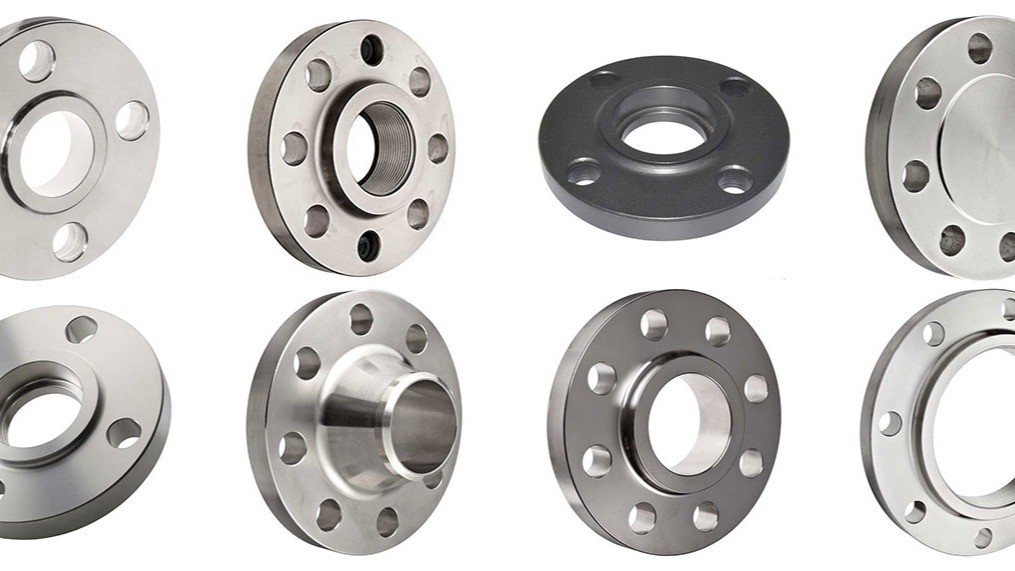
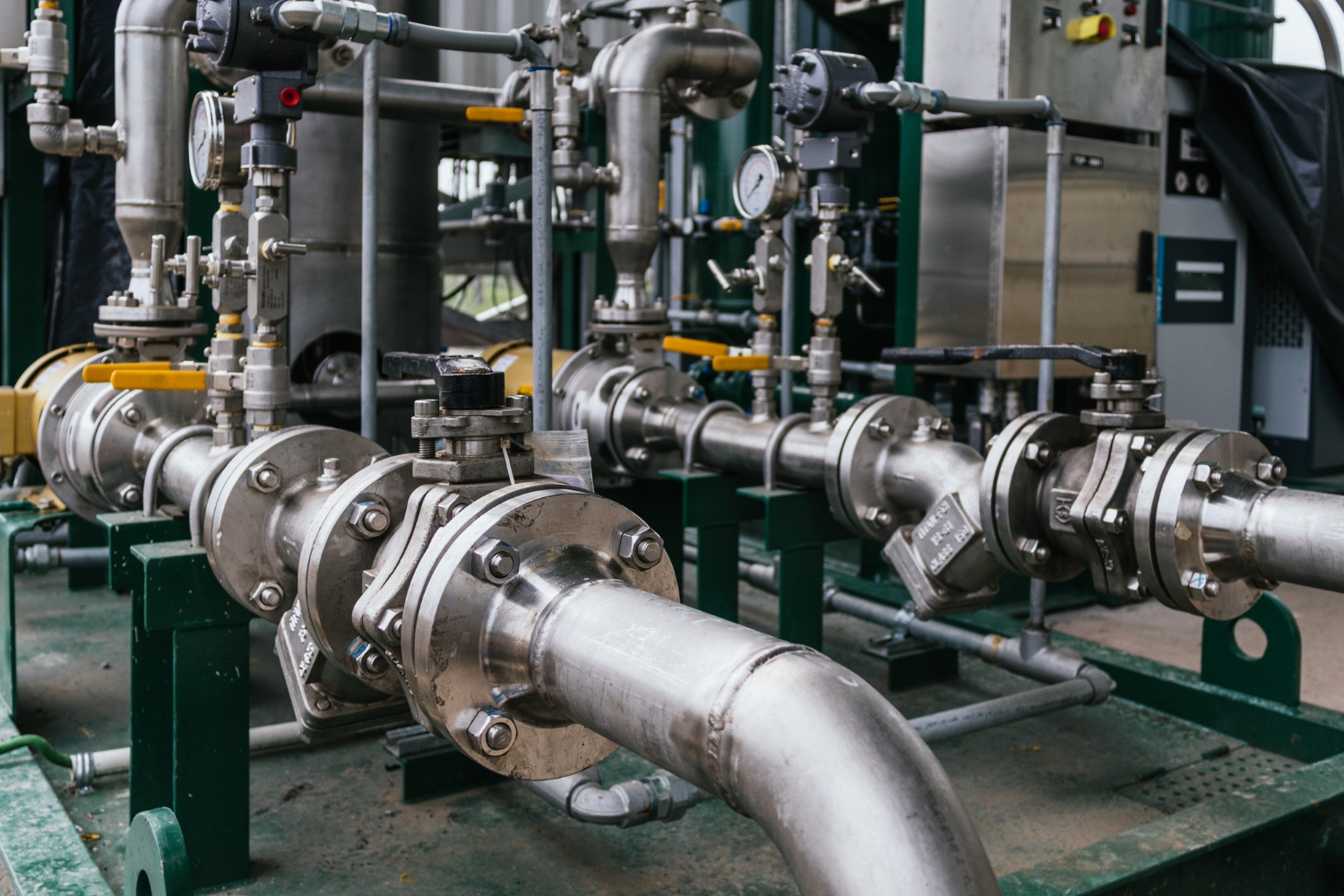
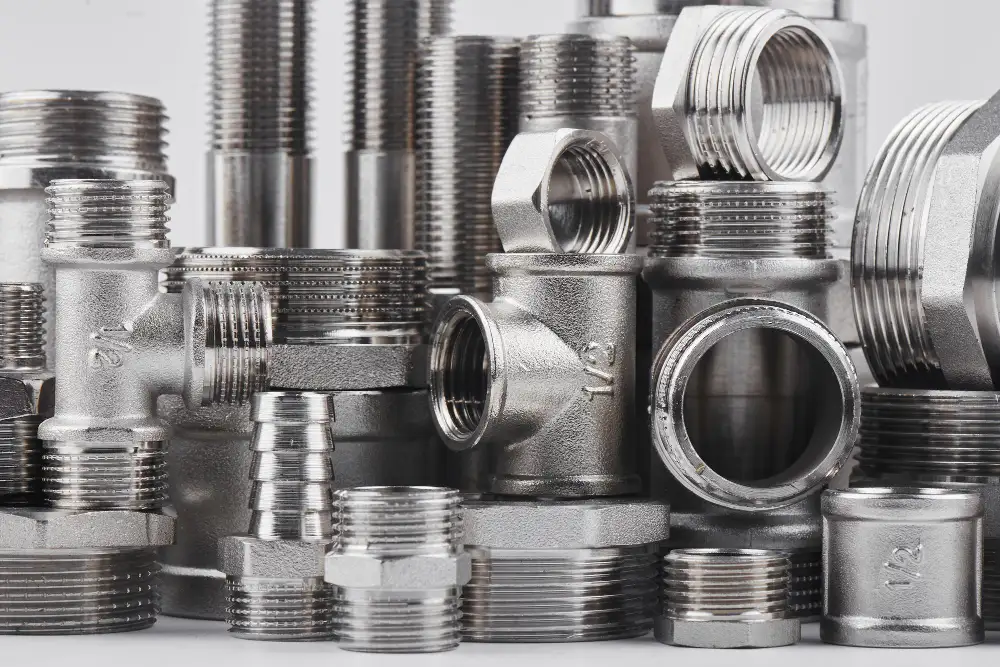
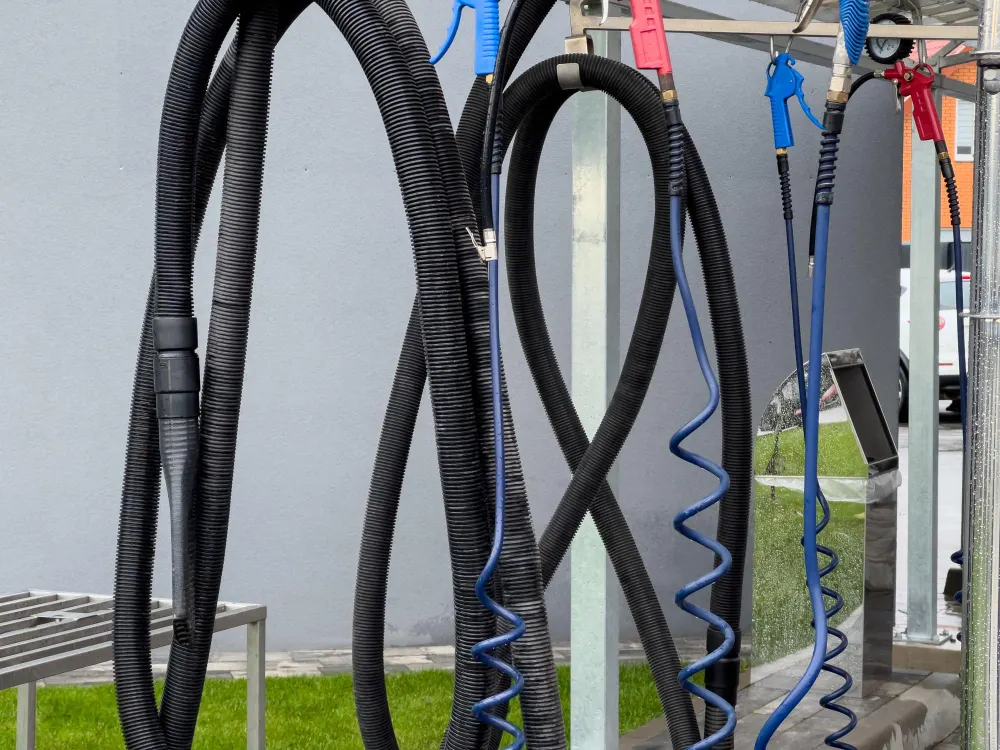
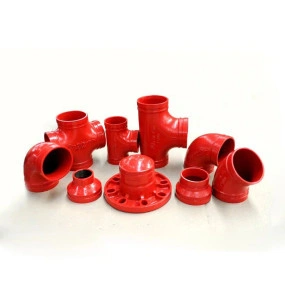
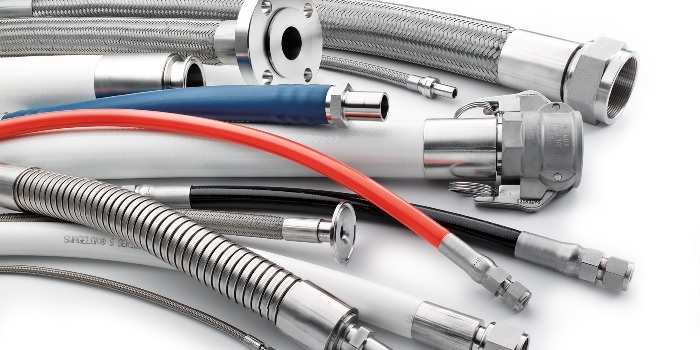
In fluid transfer systems, couplings are used to connect pipes, hoses, and fittings. Industrial pipe couplings allow sections of piping to be joined securely, while industrial hose couplings connect flexible hoses to pumps, tanks, or valves.
These couplings are essential in industries that move liquids, gases, or chemicals through pipelines. A secure connection helps maintain pressure and prevents leakage during operation.
Each of these industrial coupling types serves a specific role. Selecting the correct design depends on torque requirements, alignment conditions, operating speed, and environmental factors.
Why choose Alkun Steel as your coupling supplier
Reliable equipment depends on reliable components. This is why selecting the right industrial coupling distributor is just as important as choosing the correct coupling type. Alkun Steel is a trusted industrial coupling supplier known for delivering durable coupling solutions for industrial applications. We provide a range of couplings designed to support piping systems, rotating machinery, and fluid transfer operations.
With experience serving multiple industries, Alkun Steel understands the conditions in which industrial couplings operate. Our products are selected to perform under demanding environments that involve pressure, temperature variations, and mechanical stress.
Final Thoughts
Couplings play an important role in the operation of industrial systems. They connect shafts, pipes, and hoses while allowing power or fluid to move efficiently between components. Understanding why couplings are used in industry helps engineers and operators make better decisions when designing or maintaining equipment.
Different industrial coupling types are built for specific operating conditions. Some focus on strength and torque transmission, while others are designed to absorb vibration or allow slight misalignment. Choosing the right coupling helps improve equipment life and system reliability.
By sourcing products from an experienced industrial coupling supplier such as Alkun Steel, businesses can ensure that their mechanical systems are supported by dependable connection solutions designed for industrial performance.
FAQs
- What are industrial couplings used for?
Industrial couplings are used to connect two rotating shafts or piping components so power, motion, or fluids can move safely and efficiently between them. - What are the main types of industrial couplings?
Common industrial coupling types include rigid couplings, flexible couplings, gear couplings, fluid couplings, and hose or pipe couplings used in fluid transfer systems. - How do industrial hose couplings work?
Industrial hose couplings connect hoses to pumps, tanks, or pipelines. They create a secure seal that helps prevent leaks when transporting liquids or gases. - What factors should be considered when selecting an industrial coupling?
Important factors include torque requirements, shaft alignment, operating speed, temperature, and the working environment of the equipment. - Why should businesses work with a reliable industrial coupling supplier?
A trusted industrial coupling supplier ensures consistent product quality, proper material selection, and dependable components for industrial machinery and piping systems.
Related Articles
Valves Used in District Cooling Systems: Types, Functions, and Selection Criteria
Read More
Threaded vs Socket Weld vs Butt Weld Fittings: Which Is Right for Your Project?
Read More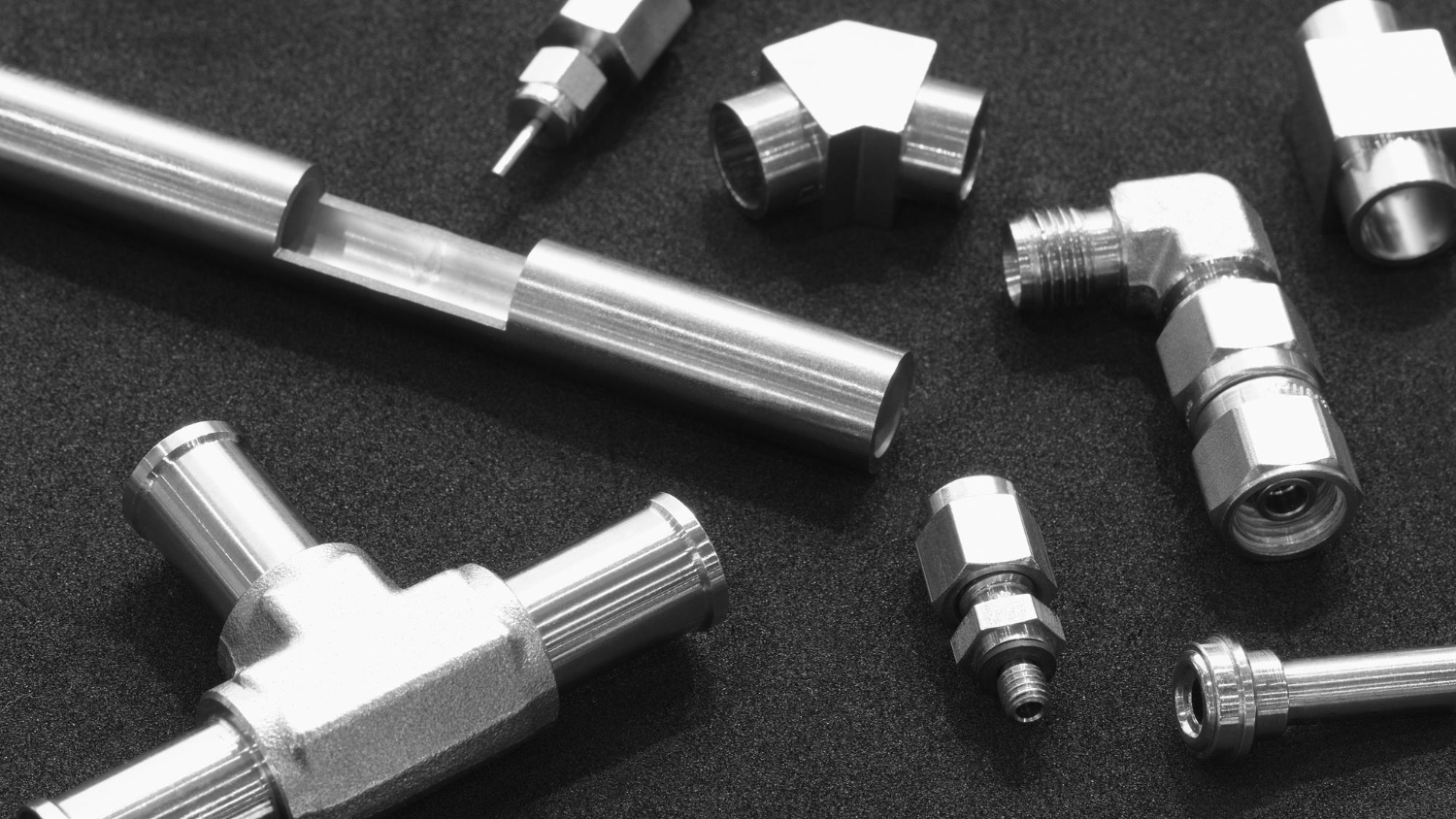
Carbon Steel vs Stainless Steel Pipes: Cost, Performance, and Application Comparison
Read More


How Fire Fighting Valves Ensure Safe and Efficient High-Pressure Water Systems
Read More



Stainless Steel Buttweld Fittings For Offshore Shipbuilding And Platform Piping
Read More
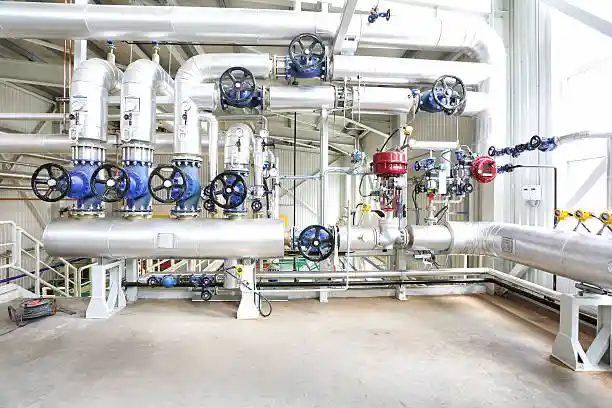
Industrial Valves, Hoses & Gaskets: Alkun Steel’s Solutions for the Tanks & Pumps Industry
Read More
Corrosion-Resistant Valves, Flanges & Joints: Alkun Steel’s Petrochemical Solutions
Read More

Why Alkun Steel Is A Reliable Supplier Of Essential Products In The Oil Drilling & Rig Industry
Read More


Reliable Industrial Components For Fire Fighting Applications: Alkun Steel’s Trusted Solutions
Read More
Why Alkun Steel Is A Reliable Supplier Of Essential Products In The Fabrication Industry
Read More
Industrial Valves, Hoses & Gaskets: Alkun Steel’s Solutions For Aviation Maintenance
Read More

Best Weld Neck, Slip-On, And Blind Flanges For Critical Oil & Gas Connections
Read More
Best Industrial Fasteners for Heavy Equipment Assembly and Structural Steel Projects
Read More