Common Mistakes When Sourcing Industrial Piping Materials
Sourcing industrial piping materials is one of those tasks that seems straightforward until something goes wrong downstream. A wrong grade, a missing certificate, or a rushed supplier decision can turn a routine purchase into a safety incident. The good news is that almost every failure traces back to a mistake that was entirely avoidable.
Here are the common mistakes buyers make when sourcing industrial piping materials, and how to avoid each one.
Common Mistake #1: Prioritizing Price Over Quality
It is tempting to award the purchase order to whoever quotes the lowest number, but a fitting that costs twenty percent less upfront often costs far more once downtime, rework, and safety risk enter the picture. Substandard materials tend to fail early. The smarter approach is to weigh total cost of ownership, expected service life, and a supplier's track record before comparing prices at all.
Common Mistake #2: Choosing the Wrong Piping Material
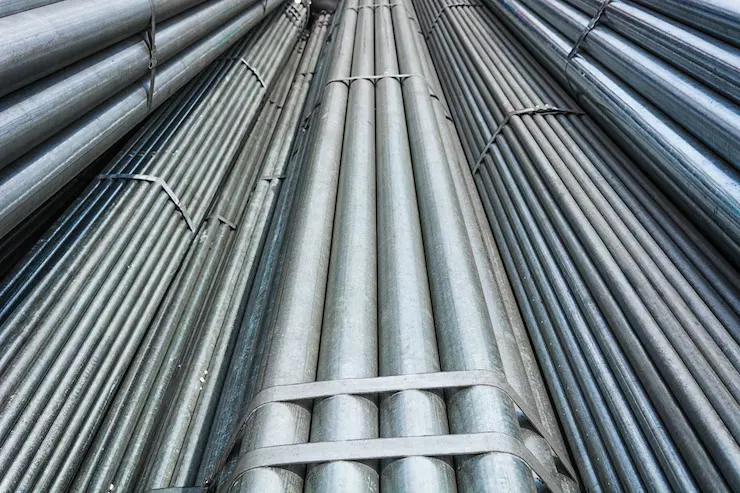
Not every pipe grade is interchangeable, even when two products look nearly identical, since carbon steel, stainless steel, and alloy steel each behave differently under stress, heat, and chemical exposure. This is where piping material selection earns its reputation as one of the trickier calls in procurement. Corrosive environments raise the stakes further, which is why grades like TP304 and TP316 exist specifically to resist sour service and high chloride content that would eat through ordinary carbon steel.
Common Mistake #3: Ignoring Material Standards and Certifications
Certifications exist for a reason, and skipping them means trusting a supplier's word on a component that will carry pressure for decades instead of having proof. ASTM defines those properties for the steel itself, ASME often adopts the same specifications under an SA designation, and API layers on stricter testing for oil and gas applications, with ISO covering projects that need international compliance. None of that matters without traceability, since the heat number on the certificate has to match what is stamped on the physical material, so any failure can be traced back to its source.
Common Mistake #4: Selecting Incompatible Piping Components
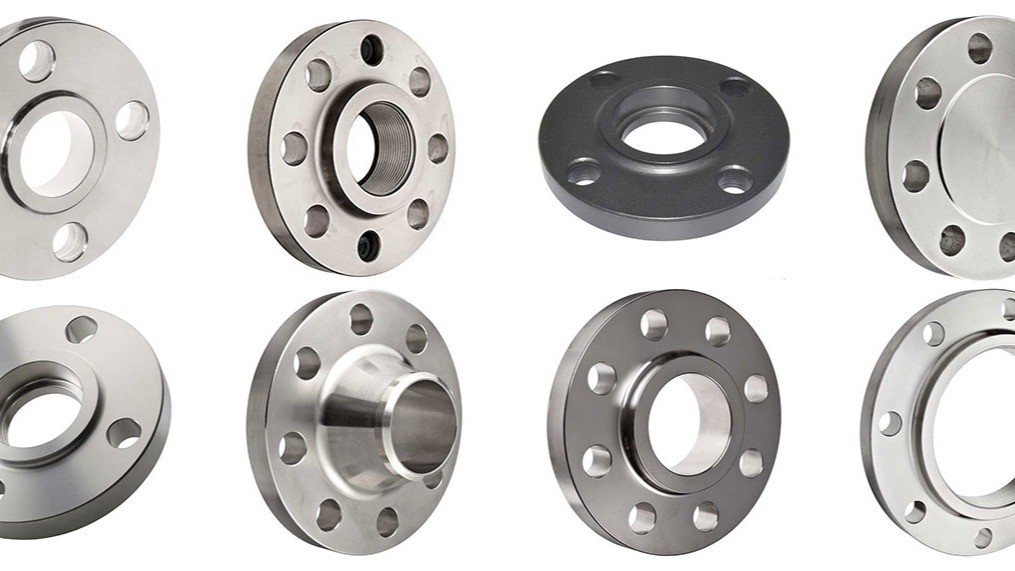
Pipes, fittings, valves, and flanges have to work together as a system, and a mismatch anywhere in that chain can compromise the whole installation of industrial piping components. These problems are usually caught late because components get ordered separately and reviewed in isolation rather than cross-checked against each other. Pressure class and nominal size have to line up across every component in the run, and on large projects with multiple suppliers and long lead times, mismatches slip through more often.
Common Mistake #5: Choosing an Unqualified Industrial Pipe Fittings Supplier
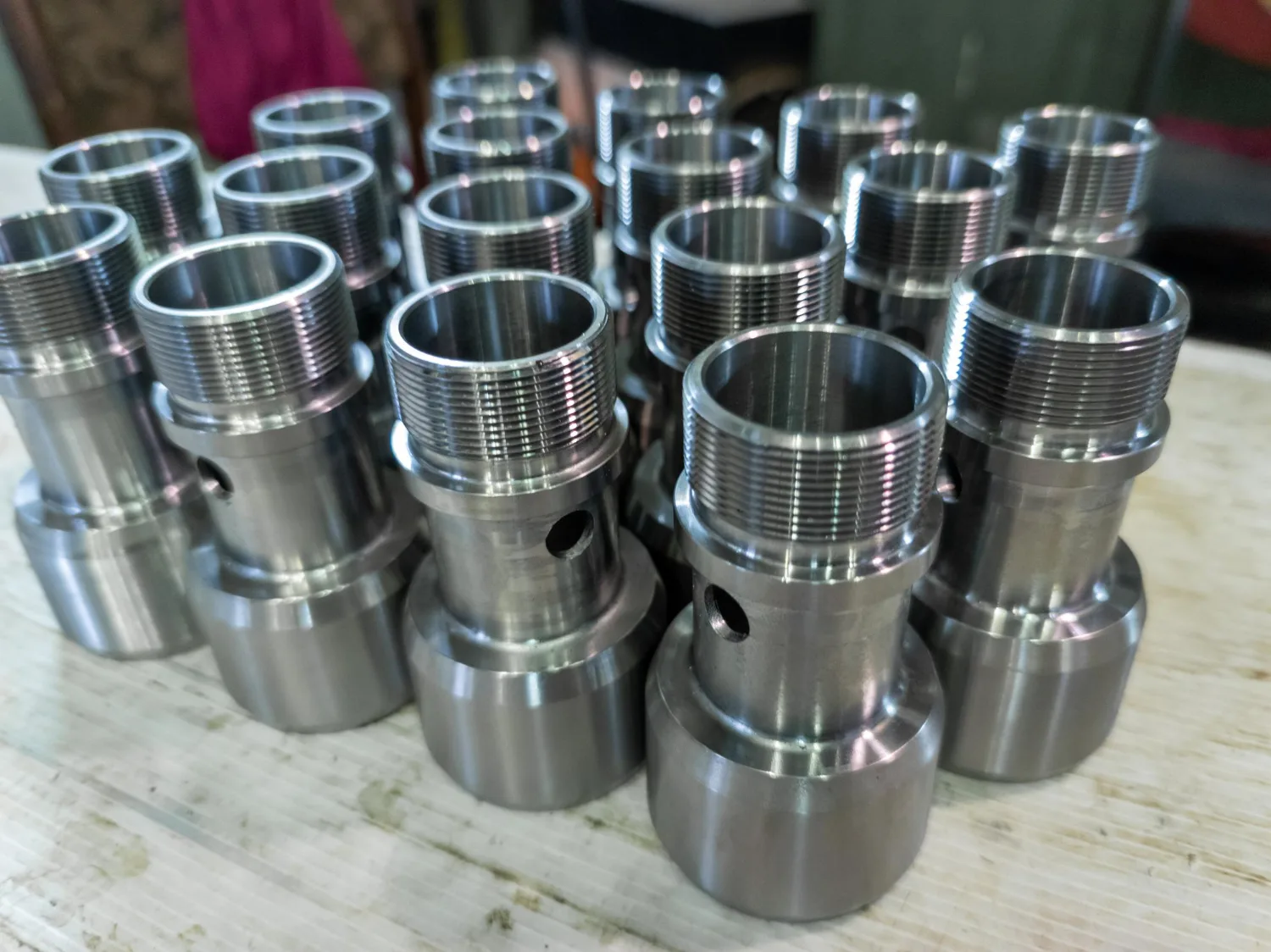
The supplier you choose determines the quality of everything else on this list, and an unqualified industrial pipe fittings supplier might offer a lower price that rarely survives contact with a failed inspection. Experience shows up in how carefully a supplier reviews your specifications rather than how fast they send a quote. Ask how a supplier verifies incoming material before it reaches your site, since a documented quality assurance process tells you more than any sales pitch.
Common Mistake #6: Overlooking Operating and Environmental Conditions
The environment a piping system operates in shapes almost every decision that comes before it. Steam lines and process heaters push materials to their thermal limits, high-pressure applications leave almost no room for error in wall thickness or grade, and UV exposure or humidity can age an outdoor installation differently than the same material would age indoors. Overlooking any one of these conditions is a serious mistake that tends to be expensive.
Common Mistake #7: Ignoring Maintenance and Lifecycle Costs
The purchase price is only the beginning of what a piping system actually costs. Some configurations make routine inspection straightforward, while others practically require a shutdown just to get a technician near the component. So designing for accessibility upfront saves real time and money over the years. Projects also grow, and a system with no margin for future capacity often needs costly rework within a few years of installation.
Common Mistake #8: Poor Procurement Planning
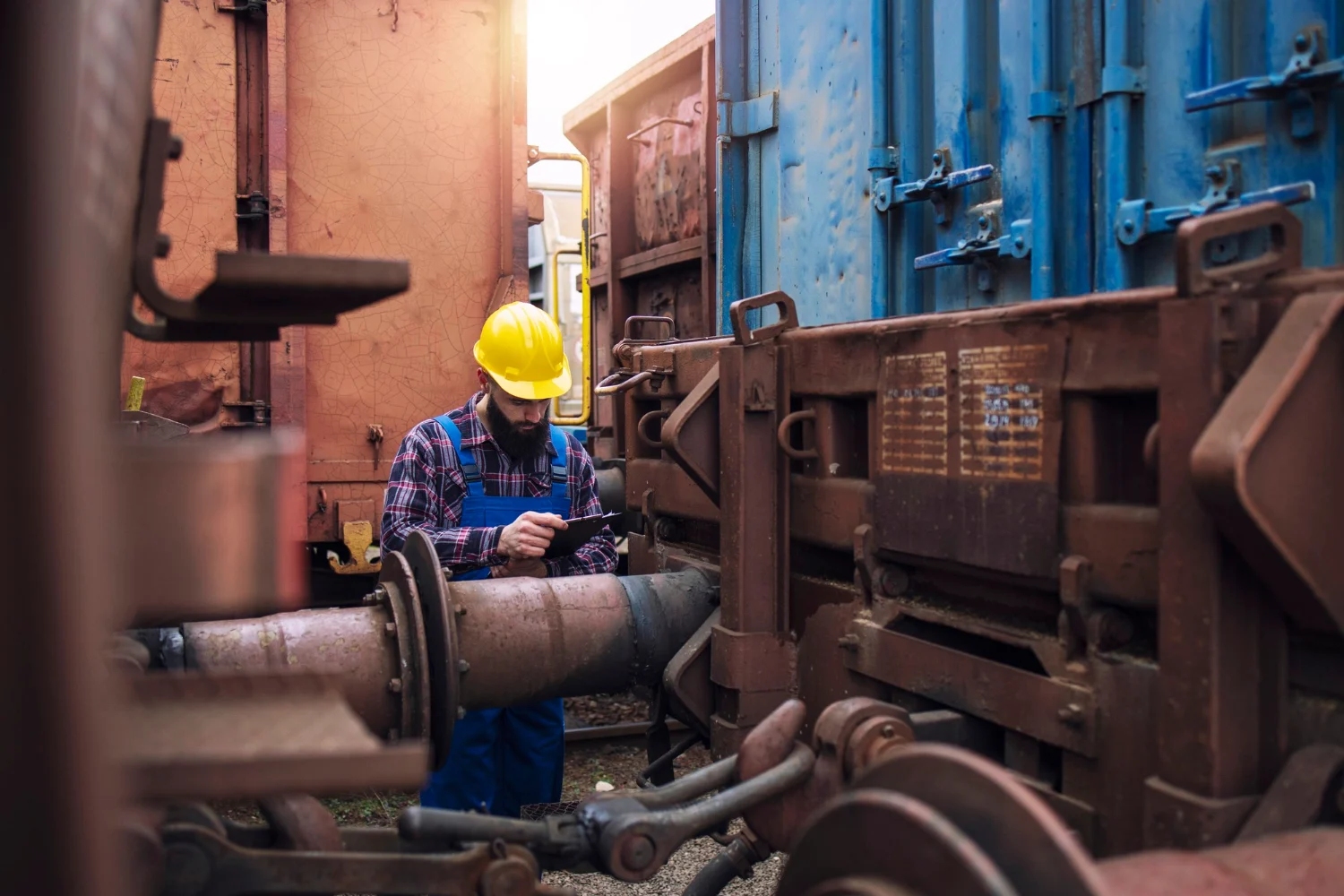
Even the best technical knowledge cannot save a purchase built on a rushed process. And vague specifications leave suppliers room to interpret requirements their own way. Taking a supplier's claims at face value without checking references or past project history is a risk that is entirely avoidable. Most of this is preventable with a simple, consistent checklist that keeps even experienced buyers from missing steps under deadline pressure.
How to Choose the Right Industrial Piping Materials
Avoiding these mistakes comes down to a handful of deliberate steps. Here is what that process looks like in practice, before you finalize any order.
- Define Operating Conditions: establish pressure, temperature, and fluid type before you look at a single product.
- Review Engineering Specifications: confirm the specification matches the actual application, not just the project template.
- Verify Material Compatibility: cross-check every pipe, fitting, and valve against the others in the system.
- Confirm Compliance Requirements: match the project to the relevant ASTM, ASME, API, or ISO standard.
- Select a Supplier You Can Count On: choose a partner who can back up every claim with documentation and experience.
Industrial Piping Material Sourcing Checklist
Use this checklist as a final pass before any purchase order is confirmed.
| Item | Verification Required |
| Material Grade | ✓ |
| Material Specification | ✓ |
| Pressure Rating | ✓ |
| Temperature Rating | ✓ |
| Corrosion Resistance | ✓ |
| MTC Available | ✓ |
| Standards Compliance | ✓ |
| Supplier Qualification | ✓ |
| Delivery Timeline | ✓ |
| Compatibility Check | ✓ |
| Warranty Support | ✓ |
Best Practices for Industrial Piping Procurement
Good procurement is a habit, not a one-time effort. These practices keep it consistent across every project you take on.
- Work with Qualified Industrial Pipe Suppliers: partner with an established pipe fittings and valves supplier who understands the technical demands of your project.
- Evaluate Total Cost of Ownership: look past the invoice and weigh maintenance, downtime, and service life together.
- Prioritize Compliance and Quality Assurance: treat certification and inspection as non-negotiable steps, not optional extras.
- Maintain Complete Procurement Records: keep documentation organized so it is ready the moment an audit or inspection calls for it.
Conclusion
Sourcing industrial piping materials does not have to be complicated, but it does demand attention to detail at every step. Most failures trace back to one of the eight mistakes covered here, and nearly all of them are avoidable with a clear process and the right questions asked early. Get the fundamentals right and everything downstream, from installation to long-term performance, gets easier.
We have spent years supplying piping materials for industrial projects across the region, and the pattern is always the same: the projects that go smoothly are the ones where procurement took certification, compatibility, and supplier qualification seriously from day one. If you want a partner who treats those details the way you do, Alkun Steel can help you source what your project actually needs.
FAQs
1. What should be considered when sourcing industrial piping materials?
Look at pressure, temperature, chemical exposure, and applicable certifications before comparing suppliers.
2. Why are material certifications important?
They confirm the material meets its stated specification and give you a traceable record if anything needs to be verified later.
3. How do I choose the right piping materials for industrial applications?
Match the material grade to your operating conditions, then confirm it against the relevant ASTM, ASME, or API standard.
4. What documents should suppliers provide?
At minimum, a Mill Test Certificate along with documented proof of compliance with the specified standard.
5. How can poor material selection impact a project?
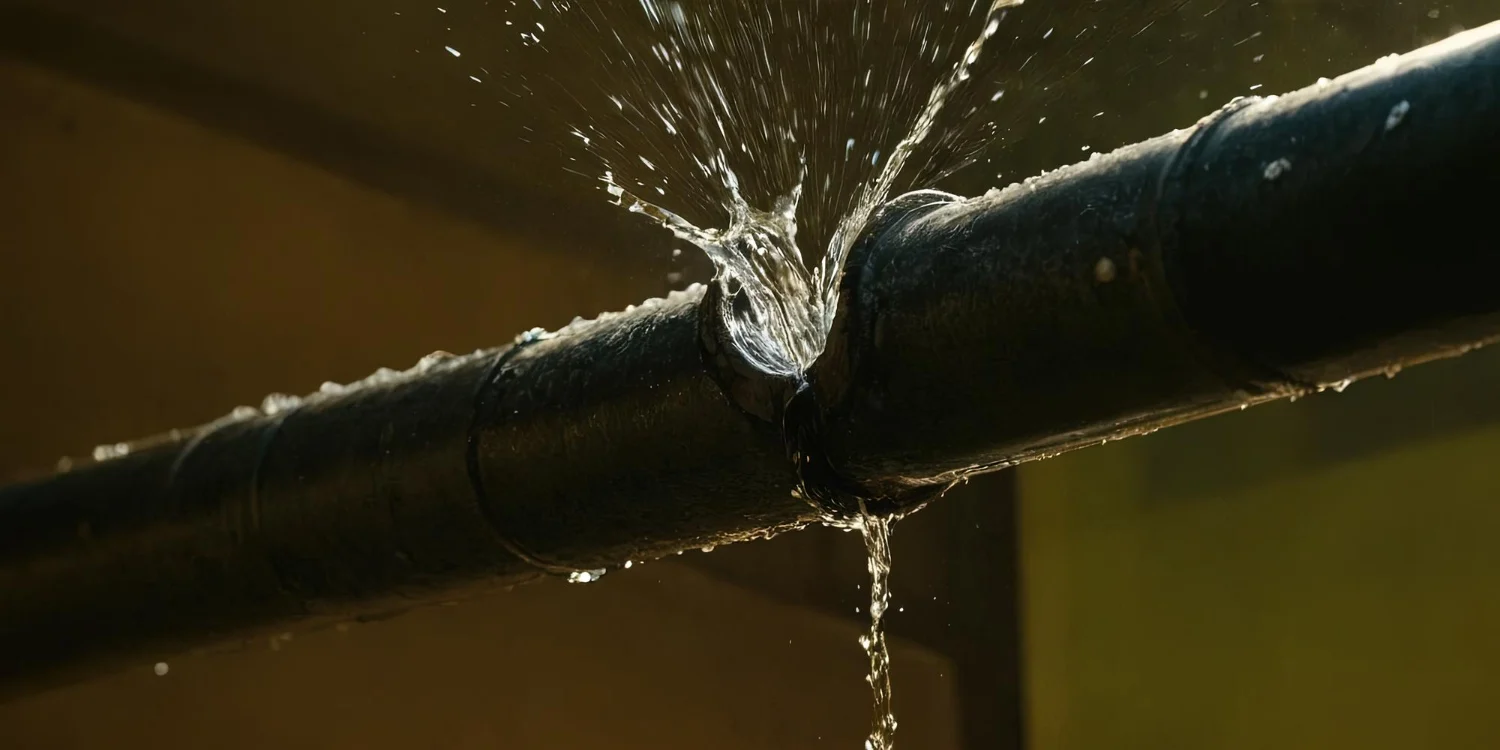
It raises the risk of leaks, unplanned downtime, and costly rework, sometimes years after installation.
6. What are the most common piping procurement mistakes?
Prioritizing price over quality, skipping certifications, and choosing a supplier without verifying their track record.
Related Articles
Valves Used in District Cooling Systems: Types, Functions, and Selection Criteria
Read More
Threaded vs Socket Weld vs Butt Weld Fittings: Which Is Right for Your Project?
Read More
Carbon Steel vs Stainless Steel Pipes: Cost, Performance, and Application Comparison
Read More

How Fire Fighting Valves Ensure Safe and Efficient High-Pressure Water Systems
Read More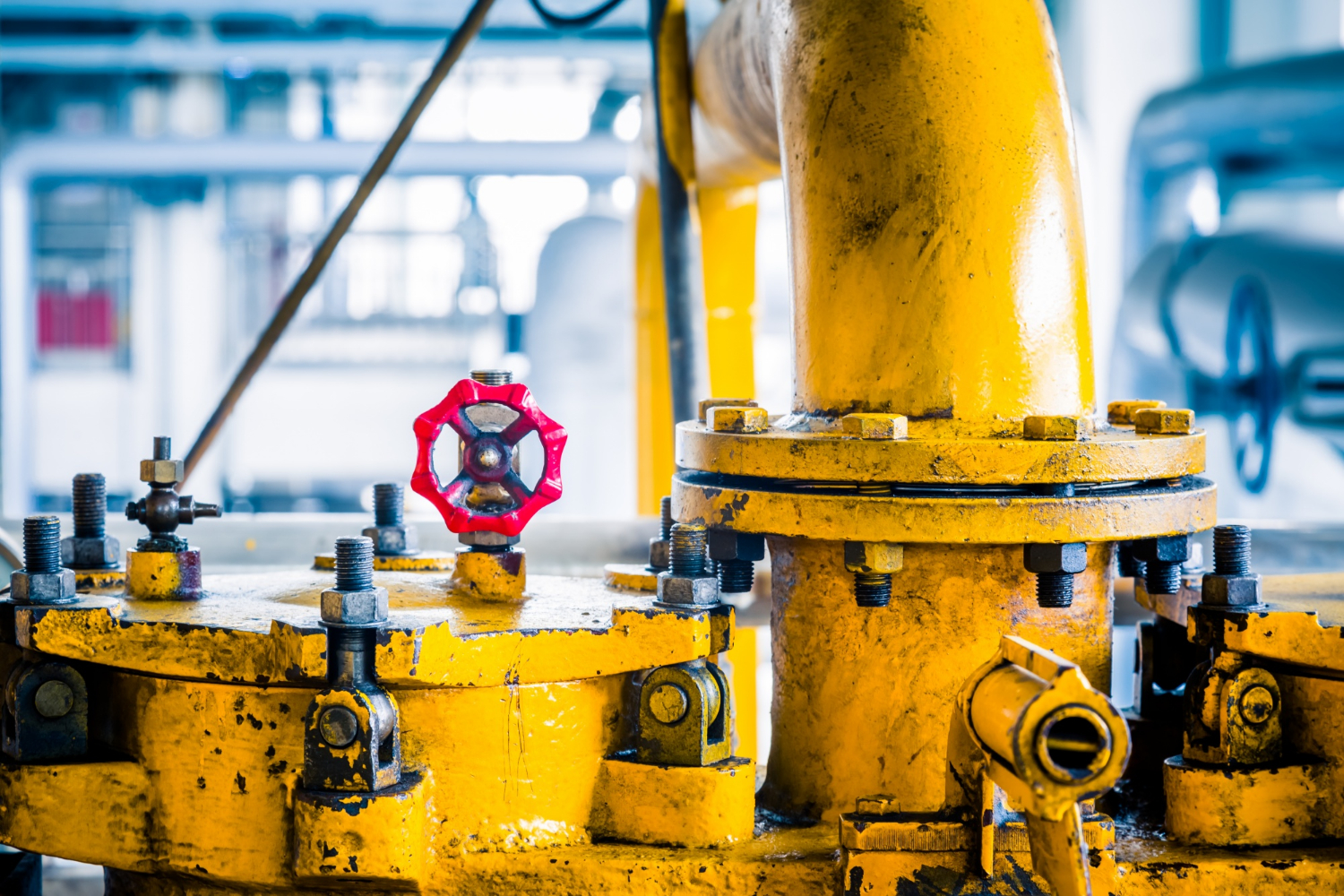



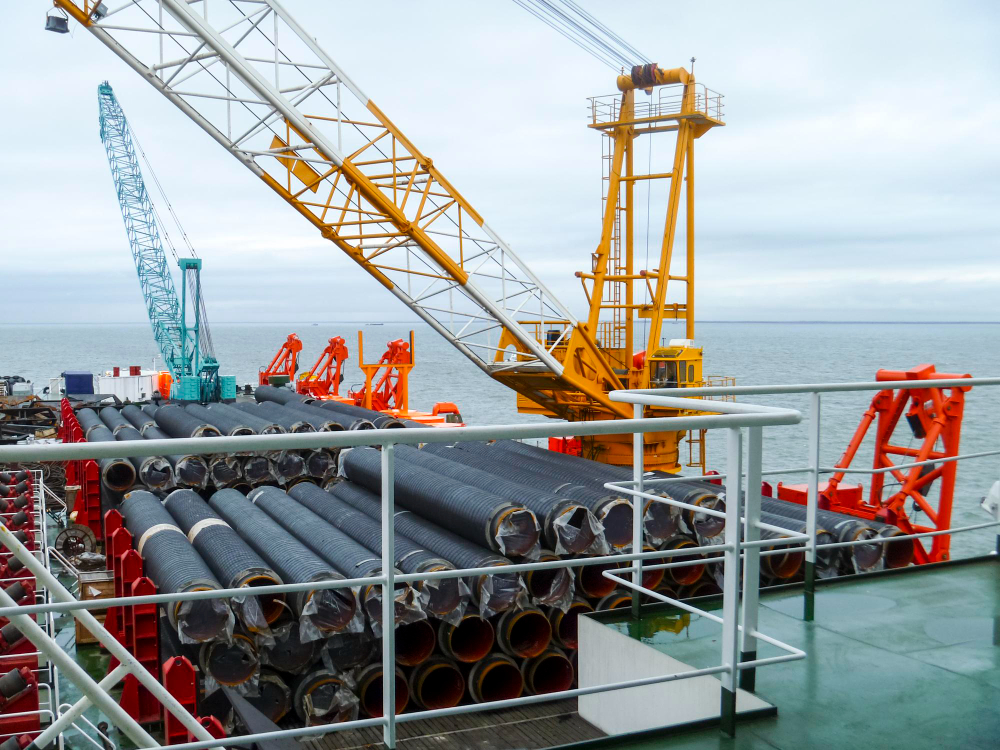
Stainless Steel Buttweld Fittings For Offshore Shipbuilding And Platform Piping
Read More
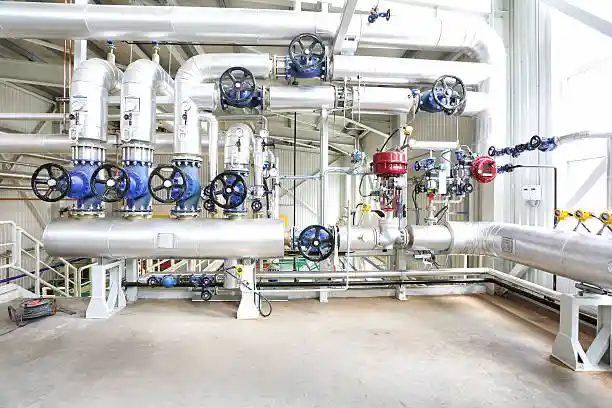
Industrial Valves, Hoses & Gaskets: Alkun Steel’s Solutions for the Tanks & Pumps Industry
Read More
Corrosion-Resistant Valves, Flanges & Joints: Alkun Steel’s Petrochemical Solutions
Read More
Why Alkun Steel Is A Reliable Supplier Of Essential Products In The Oil Drilling & Rig Industry
Read More


Reliable Industrial Components For Fire Fighting Applications: Alkun Steel’s Trusted Solutions
Read More
Why Alkun Steel Is A Reliable Supplier Of Essential Products In The Fabrication Industry
Read More

Industrial Valves, Hoses & Gaskets: Alkun Steel’s Solutions For Aviation Maintenance
Read More

Best Weld Neck, Slip-On, And Blind Flanges For Critical Oil & Gas Connections
Read More
Best Industrial Fasteners for Heavy Equipment Assembly and Structural Steel Projects
Read More