Protective Coating Selection Guide for UAE Coastal Environments
Steel and the Gulf coast do not get along. Salt in the air, high humidity, and long stretches of heat start working on a bare surface almost as soon as it is exposed. This protective coating selection guide is built to help you pick a system that holds up, instead of one that starts to blister and rust a couple of years in.
The right coating depends on far more than the color of the can or the price on the quote. You need to know the metal, the exposure, the temperature, and how long the coating has to last. We will go through each of these, compare the main coating types, and flag the mistakes that cause most early failures.
Why UAE Coastal Environments Need Careful Coating Selection
The UAE coastline puts steel through a mix of stresses that few regions match. Salt-laden air settles on every surface, humidity stays high through much of the year, and strong sun heats steel until it expands and then contracts again overnight. Add wind-blown sand and, in some places, splash from the sea or standing moisture, and an ordinary paint can give up very quickly. That is why protective coating for coastal environments needs to be chosen with the site in mind, not copied from a project somewhere else.
The cost of getting it wrong is not just a patchy finish. Rust under a failed coating spreads out of sight, weakens the steel, and leads to repair work that is far more expensive than doing the job properly the first time. Shutdowns, scaffolding, and recoating all add up. A little extra care at the selection stage is the cheapest part of the whole coating job.
What Is a Protective Coating System?
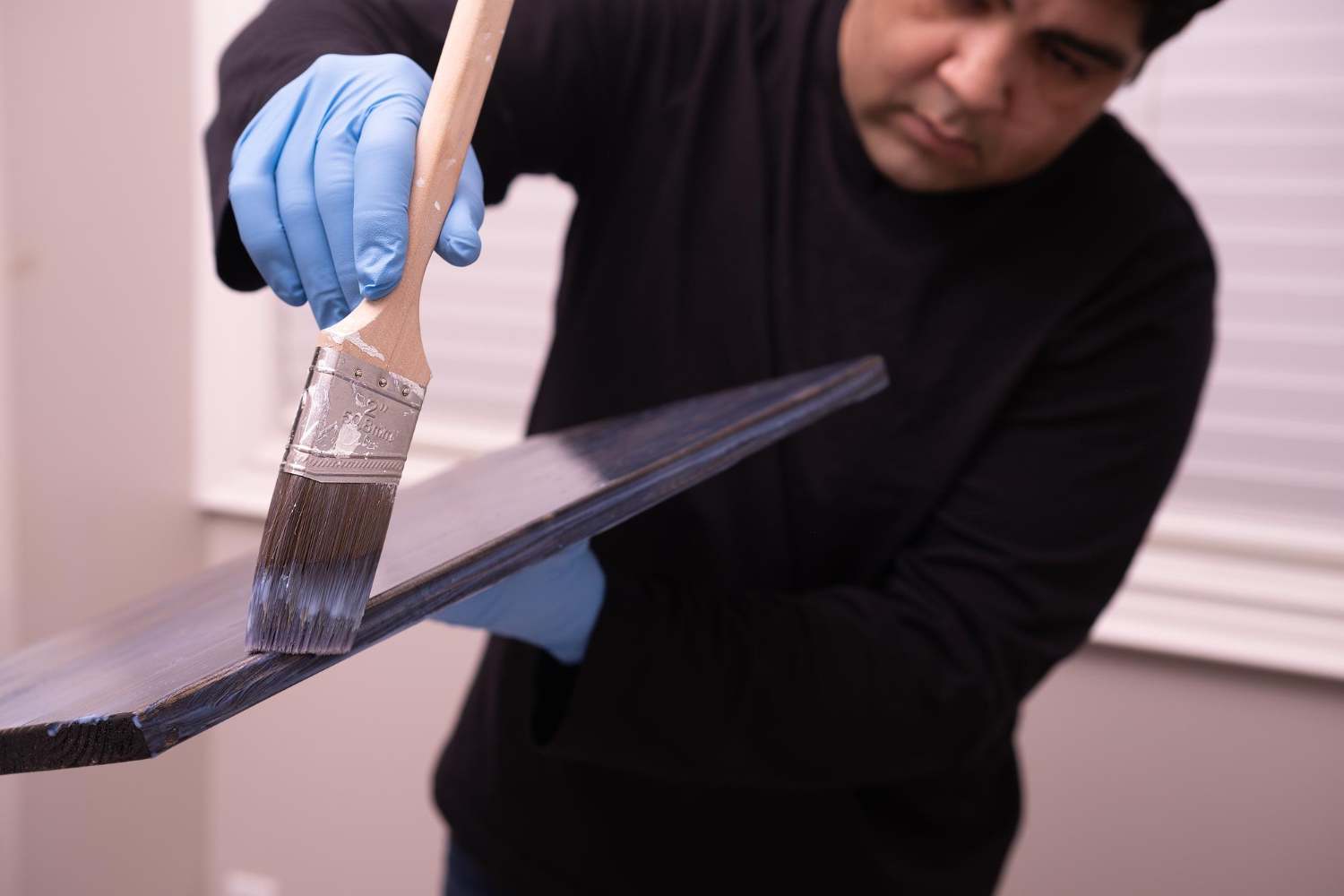
A protective coating system is a set of layers that work together to keep corrosion off the steel. Most systems have a primer that bonds to the surface and often carries the corrosion inhibitor, an intermediate coat that builds thickness and acts as a barrier, and a topcoat that takes the sun, weather, and wear. Each layer has its own job, and they are designed to be applied in a set order.
That is why people talk about protective coating systems instead of single products. The layers must be compatible with each other, applied at the right thickness, and put on a properly prepared surface. A great topcoat over a poor primer will still fail, and the best primer in the world will not save a badly cleaned surface.
How to Select a Protective Coating for a UAE Coastal Environment
Good selection is a matter of asking the right questions in the right order. Each answer narrows the options until a clear choice is left, and it is how you pick a sound corrosion protection coating for the conditions on site.
Work through these steps:
Identify the Substrate
Start with what you are coating, whether it is carbon steel, galvanized steel, stainless steel, or something else. Each surface needs a different primer and preparation method, so this decides much of what follows.
Define the Exposure
Is the structure inside or outside, above the water or in the splash zone, buried or submerged? Exposure tells you how hard the coating will have to work and which types are even worth considering.
Assess Corrosivity
Corrosivity is usually rated using ISO 12944, which sets categories from C1 to C5 and adds CX for extreme offshore and similar conditions. The 2018 revision dropped the old C5-M marine category, so check which version your specification refers to.
Check Temperature and Thermal Cycling
Hot surfaces and big swings between day and night put extra stress on a coating. Check the maximum service temperature and make sure the system can flex with the steel instead of cracking.
Identify Chemical Exposure
Fuel, solvents, acids, cleaning agents, and process spills can attack some coatings quickly. List every chemical the surface could touch, including the occasional spill.
Consider Abrasion and Mechanical Damage
Foot traffic, equipment, ropes, sand, and impact will all wear a coating down. Where damage is likely, choose a tougher system or add a harder-wearing finish.
Define Required Durability and Maintenance Interval
Decide how many years the coating needs to last before the first major repaint. A longer life usually means a thicker, higher-spec system, but it can save money over time.
Protective Coating Types Used in Coastal and Industrial Environments
| Coating Type | Typical Role | Strengths | Important Limitations |
| Epoxy | Primer/intermediate/barrier | Adhesion, barrier, chemical resistance | UV exposure may require compatible topcoat |
| Zinc-rich | Primer | Galvanic/sacrificial protection | Requires correct formulation/application and compatible system |
| Polyurethane | Topcoat | UV/weather resistance | Must be compatible with underlying system |
| Acrylic | Finish/specialty applications | Weathering/appearance | Suitability depends on exposure |
| Bituminous | Specific buried/immersed applications | Moisture resistance | Not a universal atmospheric system |
| Hybrid systems | Multi-layer protection | Combines properties | Requires qualified system design |
Coating Application and Inspection Requirements
Even the right coating fails if it is applied badly. Surface preparation comes first, and for most steel in coastal service that means abrasive blast cleaning to a specified grade, with a surface profile that gives the coating something to grip. After that, the weather matters. Humidity, steel temperature, and dew point all need to be checked before and during painting, because moisture on the surface can ruin adhesion in minutes.
Inspection is what turns a specification into a result. Inspectors check surface cleanliness and salt levels before coating, measure wet and dry film thickness during application, and look for pinholes, runs, and missed spots afterward. On critical jobs, adhesion tests and records of every step give you proof that the system went on as specified. If that sounds like a lot, it is far less work than repainting a failed structure.
Common Protective Coating Selection Mistakes
Most coating failures are traced back to a few repeat errors rather than bad products. Knowing them in advance makes them easy to avoid, especially on protective coating for steel structures exposed to the sea.
Keep these in mind:
Choosing a Coating Based Only on Price
The cheapest coating is rarely the cheapest over ten years. Repainting, access, and downtime often cost far more than the paint itself.
Assuming All Coastal Areas Have the Same Exposure
A sheltered inland marina and a wave-splashed jetty are both coastal, but they are worlds apart. Check the actual exposure of each structure.
Choosing a Product Instead of a Complete Coating System
A single can of paint does not protect steel on its own. The primer, intermediate coat, topcoat, and thickness must be designed together.
Treating Epoxy as a Universal Solution
Epoxy is excellent as a primer and barrier, but it can chalk and fade in strong sun. It usually needs a UV-stable topcoat for outdoor use.
Ignoring Surface Preparation
Poor cleaning is one of the most common causes of early coating failure. Rust, oil, mill scale, and dust all stop the coating from bonding.
Painting Over Salt Contamination
Salt left on the steel pulls moisture through the coating and causes blisters from underneath. Test for soluble salts and wash the surface before you paint.
How to Choose a Protective Coating Supplier in the UAE
A good supplier does more than sell you a product. Look for one that can provide technical data sheets, system recommendations for your exposure, and certificates that show the coating meets relevant standards. Ask about their experience with similar coastal or offshore projects, and whether they can offer support on site if an issue comes up during application.
Availability and consistency matter too. The same system should be available through the life of your project and for future maintenance, so the repair coating matches the original. At Alkun Steel, we work with steel pipe, fittings, and oilfield materials that go into coastal projects every day, so we see firsthand how much a good coating decides the life of the steel underneath, and we are always glad to talk through the options.
Conclusion
Choosing a coating for the UAE coast comes down to knowing the environment, matching the system to it, and getting the application right. The substrate, the exposure, the temperature, and the expected lifespan all shape the choice. When you treat the coating as a complete system instead of a single product, you give the steel its best chance of lasting.
Use this protective coating selection guide as a starting point, then confirm the details with your engineers and your coating supplier before work starts. Careful selection, proper surface preparation, and thorough inspection will save you far more than any shortcut on price.
FAQs
1. What is the best protective coating for UAE coastal environments?
There is no single best option, but a zinc-rich epoxy primer with an epoxy intermediate and a polyurethane topcoat is a common system for coastal steel.
2. Is epoxy suitable for coastal environments?
Yes, epoxy gives strong adhesion and barrier protection, but it needs a UV-stable topcoat for outdoor exposure.
3. Is polyurethane better than epoxy for outdoor steel?
They do different jobs, since epoxy protects the steel and polyurethane protects the epoxy from sun and weather.
4. When should zinc-rich primer be used?
Use it as a primer on steel that needs sacrificial corrosion protection, as long as it is part of a compatible system.
5. Does being close to the sea automatically mean C5 or CX?
No, the category depends on the actual conditions at the site, and CX is generally reserved for offshore and extreme exposures.
6. How important is surface preparation?
It is one of the biggest factors in coating life, because even the best coating will fail over a poorly prepared surface.
7. How does salt contamination affect coating performance?
Salt trapped under the coating draws in moisture and causes blistering and rust from beneath.
Related Articles

The Complete Buyer's Guide to Industrial Gratings: GI vs Stainless Steel vs Aluminium vs Ductile Iron
Read More

Chequered Plate Buying Guide: MS vs GI vs Stainless Steel Checker Plates Compared
Read More
C-Channel vs U-Channel: Sizes, Uses & How to Choose the Right Structural Steel Channel
Read More

Valves Used in District Cooling Systems: Types, Functions, and Selection Criteria
Read More
Threaded vs Socket Weld vs Butt Weld Fittings: Which Is Right for Your Project?
Read More
Carbon Steel vs Stainless Steel Pipes: Cost, Performance, and Application Comparison
Read More



How Fire Fighting Valves Ensure Safe and Efficient High-Pressure Water Systems
Read More



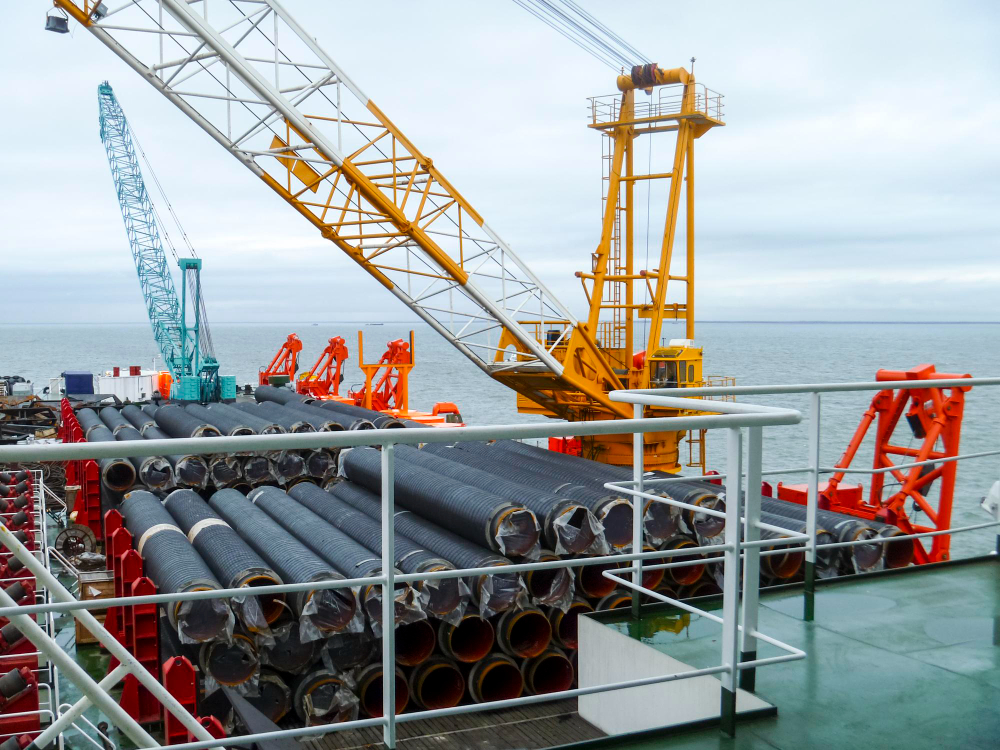
Stainless Steel Buttweld Fittings For Offshore Shipbuilding And Platform Piping
Read More
Industrial Valves, Hoses & Gaskets: Alkun Steel’s Solutions for the Tanks & Pumps Industry
Read More
Corrosion-Resistant Valves, Flanges & Joints: Alkun Steel’s Petrochemical Solutions
Read More
Why Alkun Steel Is A Reliable Supplier Of Essential Products In The Oil Drilling & Rig Industry
Read More
Reliable Industrial Components For Fire Fighting Applications: Alkun Steel’s Trusted Solutions
Read More
Why Alkun Steel Is A Reliable Supplier Of Essential Products In The Fabrication Industry
Read More

Industrial Valves, Hoses & Gaskets: Alkun Steel’s Solutions For Aviation Maintenance
Read More

Best Weld Neck, Slip-On, And Blind Flanges For Critical Oil & Gas Connections
Read More
Best Industrial Fasteners for Heavy Equipment Assembly and Structural Steel Projects
Read More