How Fire Fighting Valves Ensure Safe and Efficient High-Pressure Water Systems
Most people think about fire protection systems only when something goes wrong. And by then, it's already too late to ask whether the right components were installed. The truth is, the effectiveness of any fire suppression system comes down to the quality and selection of its parts, and among all those components, the valves are doing some of the heaviest lifting. They control where water goes, how fast it gets there, and whether the system can handle the pressure demands of an actual emergency without failing at the worst possible moment.
Here's the thing: a fire protection network is only as strong as the quality of its valves. You can have the best pumps, the most sophisticated alarm systems, and perfectly laid pipework, but if the fire fighting valves aren't up to spec, everything downstream suffers. So let's break down what these valves actually do, which types you need to know about, and why getting this selection right matters far more than most people realize.
What Are Fire Fighting Valves?
Fire fighting valves are specialized flow control devices designed to manage the movement of water or other suppression agents within a fire protection system. Unlike standard plumbing or process valves, these are built to specific performance standards that account for high-pressure surges, instantaneous activation, extended dormancy between uses, and the kind of abuse that comes with emergency conditions. Every commercial building, industrial facility, refinery, and infrastructure project that takes fire safety seriously has an entire network of these valves embedded in its suppression infrastructure.
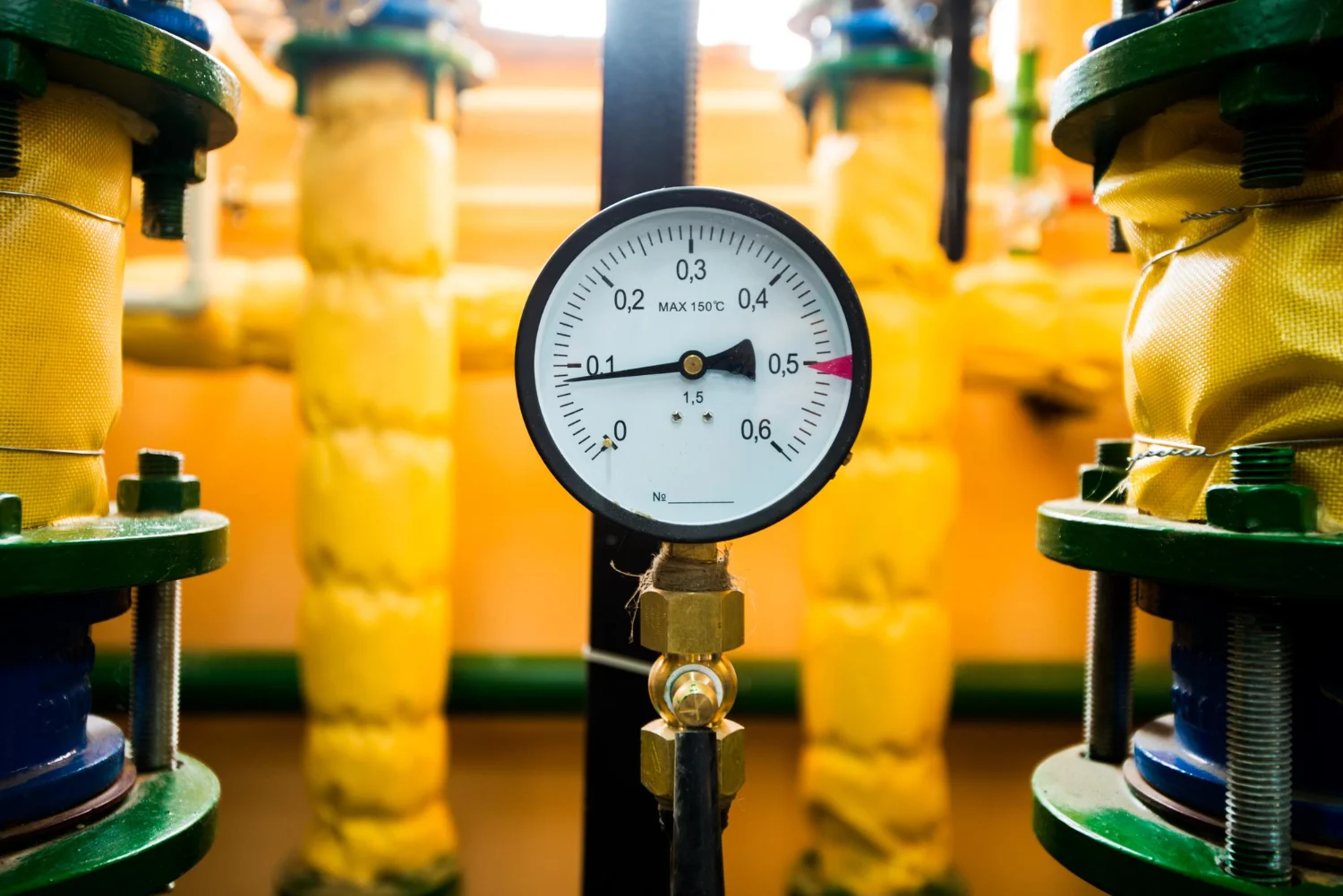
What sets them apart from general-purpose valves is the intent behind their engineering. A regular isolation valve is designed for routine operation. A fire fighting valve is designed for infrequent but absolutely critical operation, often after sitting idle for months or years. It needs to open fully, seal completely, and hold its rated pressure without hesitation. In high-rise buildings, petrochemical plants, and marine applications where suppression system pressure can exceed 12 bar, the margin for error is essentially zero.
Understanding The Fire Fighting Valves Types
Understanding fire fighting valves types is the starting point for anyone specifying or procuring fire protection components. Each valve type is built around a specific function, and mixing them up or substituting one for another in the wrong application is how systems fail under pressure. Here are the three core types you'll encounter in most fire protection networks:
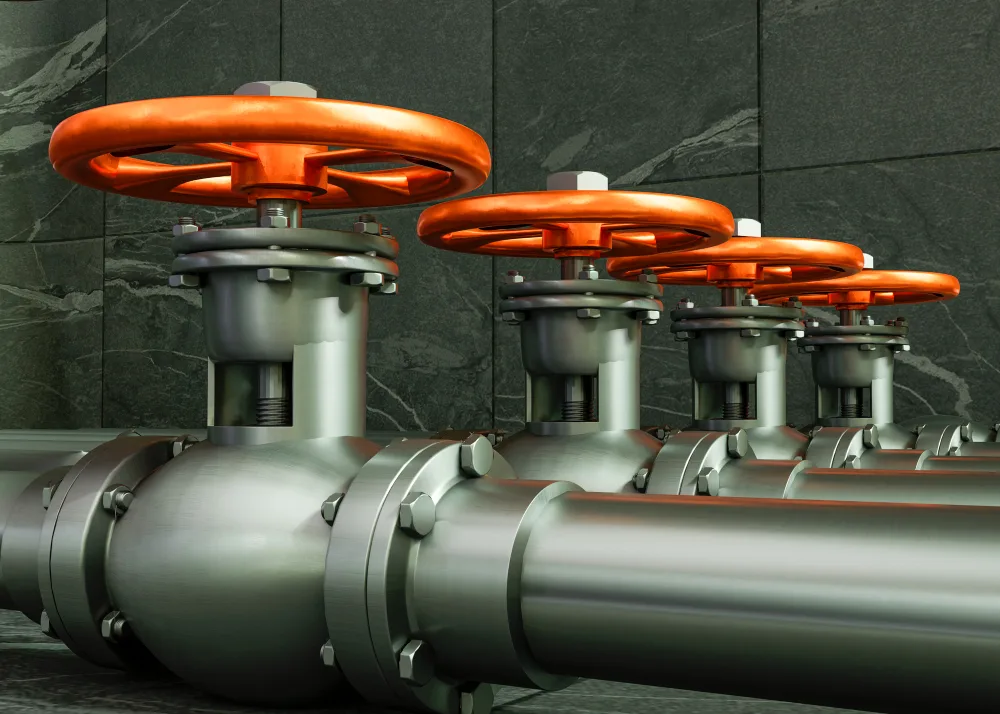
- Gate Valves: These are the primary isolation valves in a firefighting network. They offer full bore flow with minimal resistance when open, making them ideal for controlling water supply to different zones of a sprinkler or hydrant system. Gate valves are almost always paired with a tamper indicator or supervision switch so that any unauthorized closure triggers an alarm.
- Check Valves: A check valve allows flow in one direction only and automatically blocks reverse flow the moment pressure drops or reverses. In fire systems, this prevents contamination of the potable water supply, stops water hammer from damaging pipework, and protects pumps from running in reverse during system pressure fluctuations.
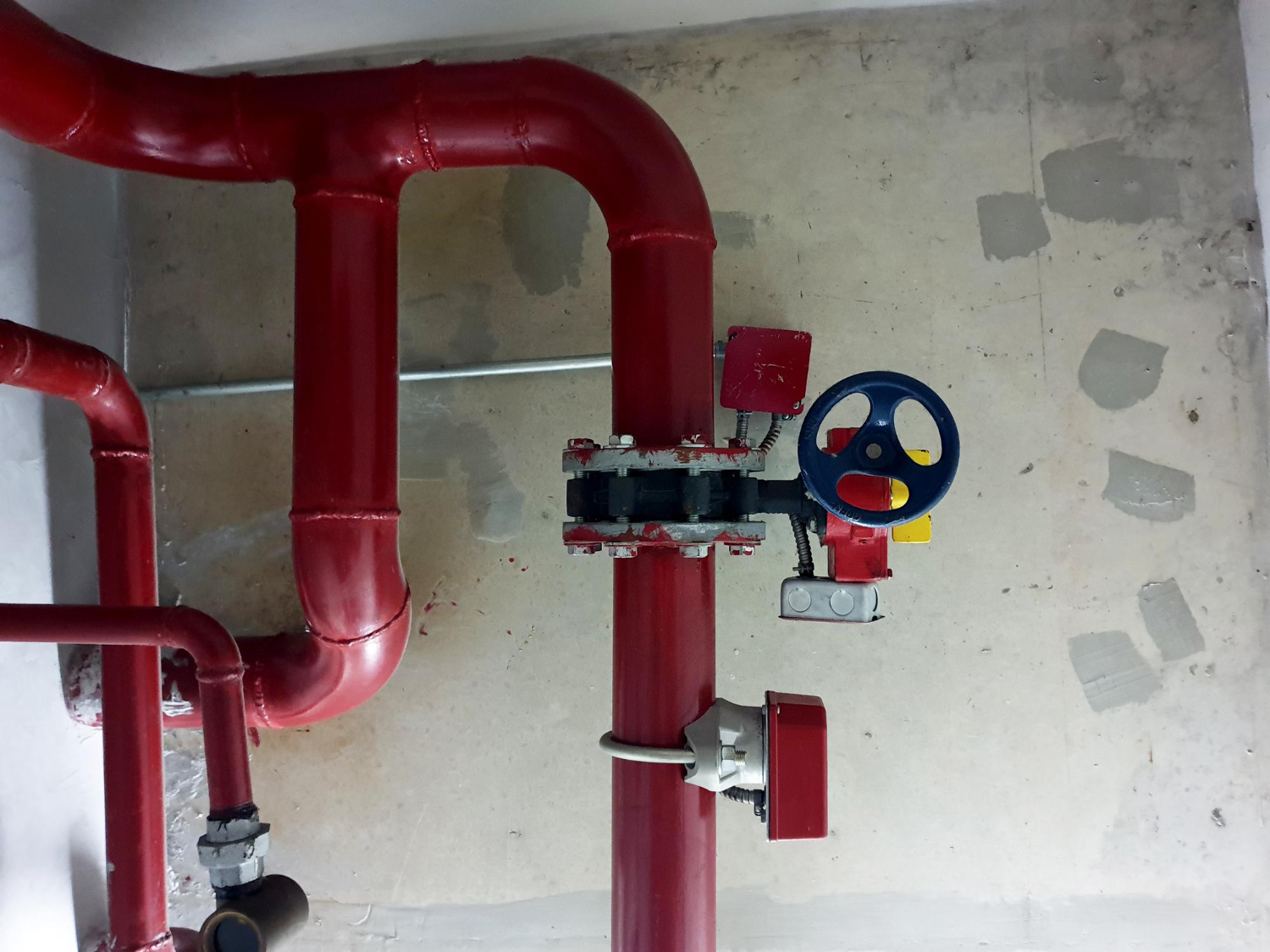
- Butterfly Valves: Compact, fast-operating, and well-suited for large-diameter pipelines, butterfly valves are commonly used in the main supply and distribution lines of fire protection systems. Their quarter-turn actuation means they can be opened or closed rapidly, and their lightweight design makes them easier to install and maintain in overhead or confined-space pipework layouts.
How Fire Fighting Valves Ensure Safe & Efficient High-Pressure Water Systems
The performance of a high-pressure water system in a fire emergency is not determined in the moment the alarm sounds. It's determined weeks, months, or years earlier, when the right industrial valves for fire fighting systems were selected, installed, and maintained correctly.
A well-specified valve network keeps pressure stable, prevents system damage, and ensures water reaches the point of suppression without interruption.
Here's how each function contributes to that outcome:
Prevention of Water Damage with Check Valves
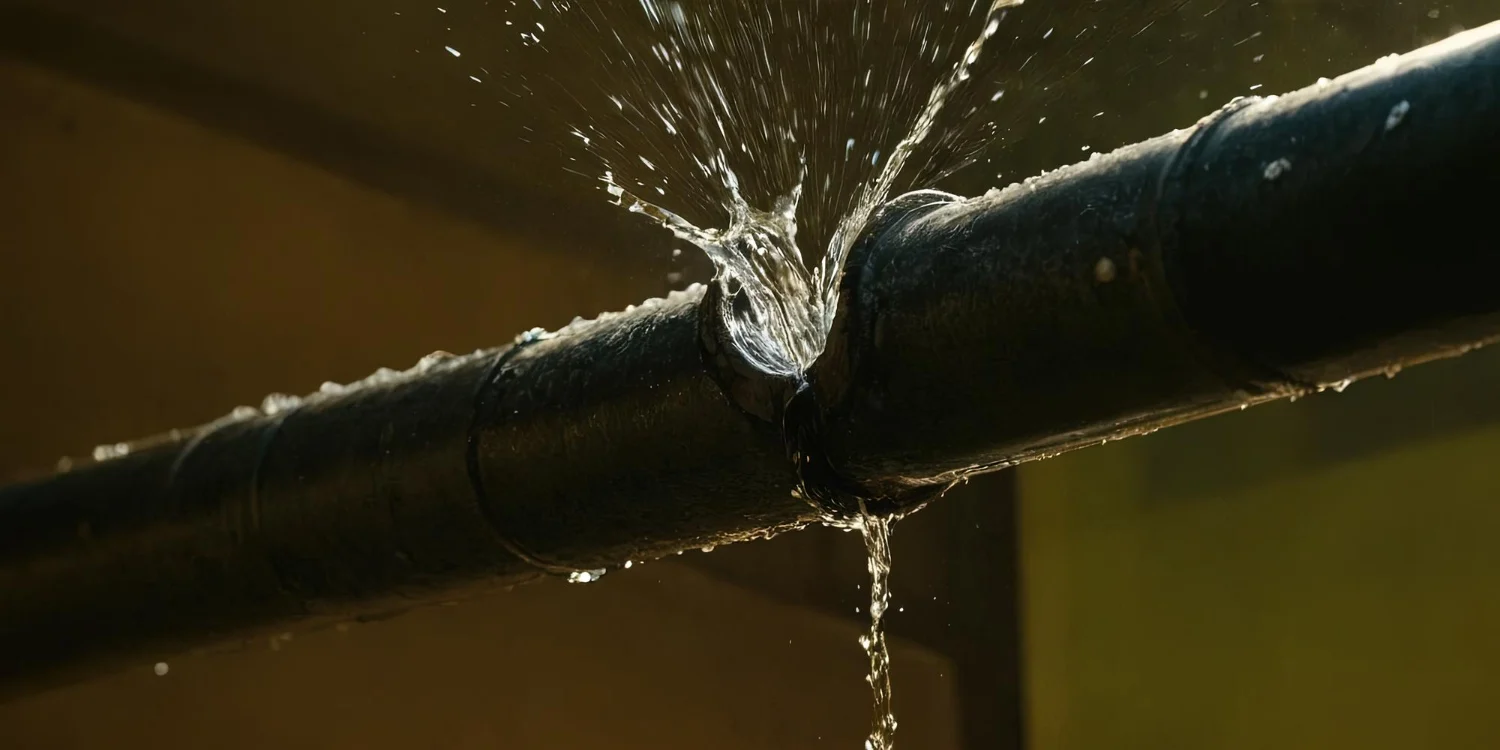
When a fire suppression system activates, pressure surges through the pipework rapidly. Without check valves at the right points, that pressure can reverse flow, flood areas that don't need suppression, or send water back into the supply mains and cause contamination. Check valves act as one-way gates that maintain directionality even during chaotic pressure events.
Rapid Response During Emergencies
In a fire, every second of delay in water delivery increases the risk of the situation escalating beyond control. The fire fighting valves are engineered for near-instant response, with low-torque operation and full-bore flow characteristics that minimize pressure drop across the valve itself.
Long-Term Reliability & Durability
Fire protection systems are unique in that they're expected to operate flawlessly after years of standby. A valve that degrades, seizes, or leaks in a dormant system is a hidden failure waiting to surface at the worst possible time. Industrial valves for fire fighting systems are built from materials, typically ductile iron, stainless steel, or bronze, that resist corrosion, handle long-term water exposure, and maintain their sealing integrity across thousands of pressure cycles.
Why Choose Alkun Steel As Your Fire Fighting Valves Supplier In UAE
Alkun Steel brings a level of product knowledge and supply consistency to fire protection procurement that most generalist distributors simply can't match. As a specialist exporter and supplier of pipe fittings and oilfield materials across the UAE and the wider Gulf region, we stock fire fighting valves that meet international standards and are suited to the demanding environmental and operational conditions of this region, including high ambient temperatures, corrosive atmospheres, and the stringent compliance requirements of industrial and commercial projects.
Conclusion
Fire protection systems carry enormous responsibility, and the valves within them are central to whether that system performs when it has to. Selecting the right fire fighting valves types, understanding how each one contributes to system safety, and sourcing components that meet the pressure and durability demands of your application are decisions that pay off in ways you'll hopefully never have to see tested in a real emergency.
If you're specifying or procuring best fire fighting valves for a new installation, a retrofit, or an ongoing maintenance program in the UAE, Alkun Steel is ready to support that process. Get in touch with our team, share your project requirements, and let's make sure your fire protection network is built on components that actually hold up when everything is on the line.
FAQs
1.What are fire fighting valves used for?
Fire fighting valves control the flow and direction of water in fire protection systems. They ensure water reaches sprinklers, hydrants, and suppression points quickly and safely during an emergency.
2.What are the main types of fire fighting valves?
The most common types include gate valves, check valves, and butterfly valves. Each serves a different role such as isolating water supply, preventing backflow, or controlling flow in large pipelines.
3.Why are check valves important in fire protection systems?
Check valves prevent reverse water flow during pressure fluctuations. This protects pumps, prevents contamination of the water supply, and maintains stable system pressure.
4.How do fire fighting valves support high-pressure water systems?
These valves are designed to withstand high-pressure surges and deliver consistent water flow. Their construction ensures quick activation and reliable operation during emergencies.
5.How often should fire fighting valves be inspected or maintained?
Regular inspections are recommended as part of fire protection maintenance programs. Periodic testing helps ensure valves remain operational after long periods of inactivity.
Related Articles
Valves Used in District Cooling Systems: Types, Functions, and Selection Criteria
Read More
Threaded vs Socket Weld vs Butt Weld Fittings: Which Is Right for Your Project?
Read More
Carbon Steel vs Stainless Steel Pipes: Cost, Performance, and Application Comparison
Read More





Stainless Steel Buttweld Fittings For Offshore Shipbuilding And Platform Piping
Read More
Industrial Valves, Hoses & Gaskets: Alkun Steel’s Solutions for the Tanks & Pumps Industry
Read More
Corrosion-Resistant Valves, Flanges & Joints: Alkun Steel’s Petrochemical Solutions
Read More

Why Alkun Steel Is A Reliable Supplier Of Essential Products In The Oil Drilling & Rig Industry
Read More


Reliable Industrial Components For Fire Fighting Applications: Alkun Steel’s Trusted Solutions
Read More
Why Alkun Steel Is A Reliable Supplier Of Essential Products In The Fabrication Industry
Read More

Industrial Valves, Hoses & Gaskets: Alkun Steel’s Solutions For Aviation Maintenance
Read More

Best Weld Neck, Slip-On, And Blind Flanges For Critical Oil & Gas Connections
Read More
Best Industrial Fasteners for Heavy Equipment Assembly and Structural Steel Projects
Read More