How to Choose the Right Pipe Fittings for Industrial Applications
A single wrong fitting can shut down a production line, trigger a leak in a high-pressure line, or force a plant to halt operations for inspection. It sounds a bit exaggerated until you have watched it happen once, and then it stops sounding exaggerated and starts sounding like a real problem.
Most piping failures are not caused by exotic problems. They come from someone choosing a fitting based on size alone, without checking pressure, temperature, or the fluid running through it. This guide walks through what actually matters when you are selecting pipe fittings for industrial applications, so you can make the call with confidence instead of guesswork.
What Are Pipe Fittings?
Pipe fittings are the components that connect, redirect, branch, or terminate sections of a piping system. They allow a network of straight pipe runs to turn corners, split into multiple lines, change diameter, or come to a controlled stop. Without them, a piping system would just be a straight line with nowhere useful to go.
The Role of Pipe Fittings in Industrial Piping Systems
In industrial piping systems, fittings do more than just connect pipes. They absorb pressure changes, manage flow direction at joints, and often become the weakest or strongest point in the entire line depending on how well they were chosen. A plant running at high pressure and high temperature depends on its fittings holding up under conditions that would expose any weak material fast.
Common Functions of Pipe Fittings
Every fitting in a system is doing one of a handful of jobs, even if the shapes look different. Here is what each function actually means in practice.
- Changing Flow Direction: Elbows redirect the flow around obstacles or into a new section without forcing pipe to bend.
- Creating Branch Connections: Tees and crosses split a single line into two or more paths.
- Connecting Pipe Sections: Couplings and unions join straight lengths of pipe into one continuous run.
- Reducing or Increasing Pipe Size: Reducers step the diameter up or down to match equipment or flow requirements.
- Isolating or Terminating Pipe Ends: Caps and plugs seal off a line completely, whether temporarily or for good.
Types of Pipe Fittings Used in Industrial Applications
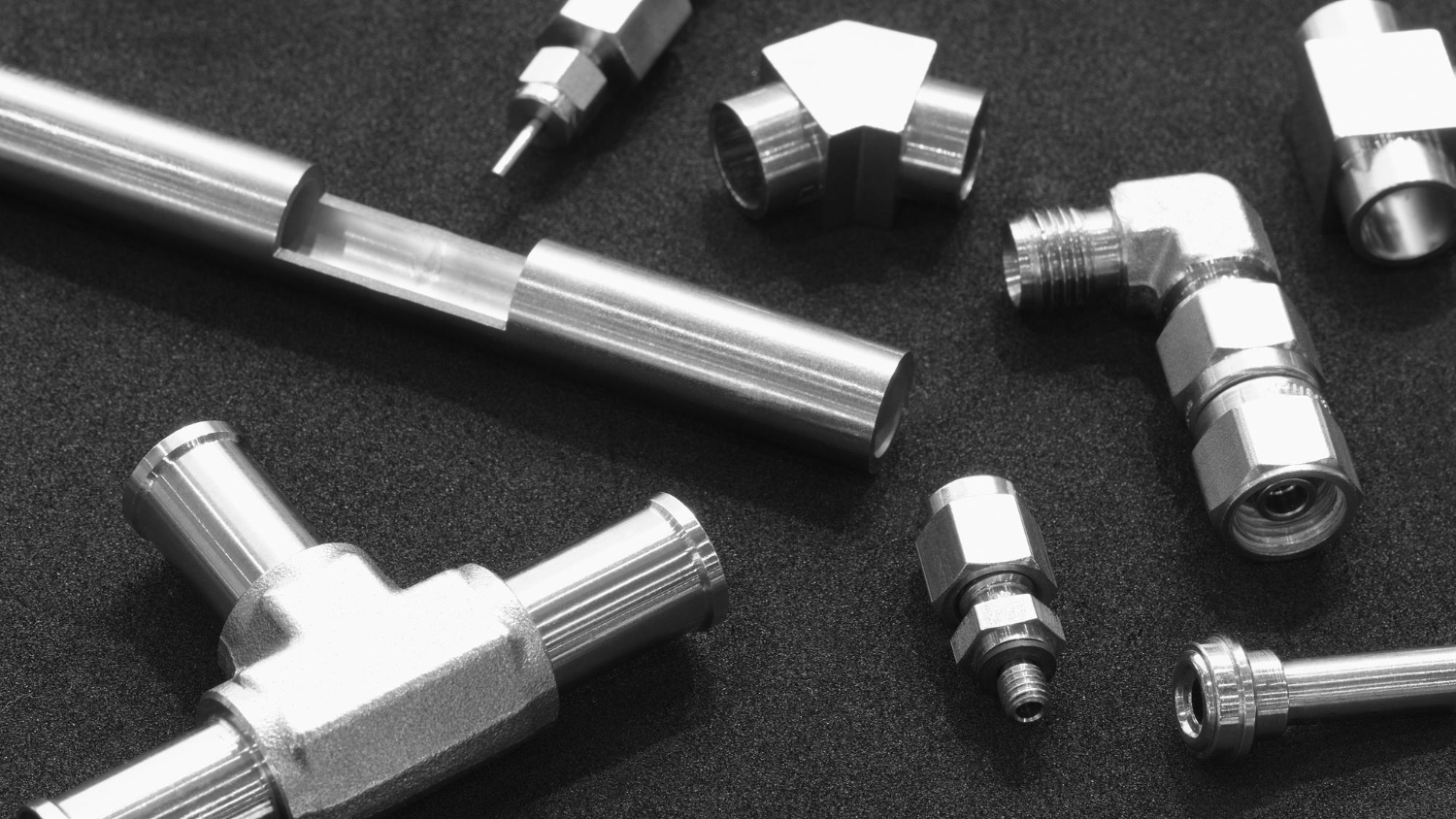
Different jobs call for different fittings, and knowing what each one does makes the rest of the selection process far easier. Below is a quick rundown of the fittings you will run into most often on an industrial job.
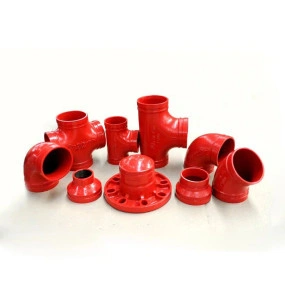
- Elbows: Change the direction of flow, usually at 45 or 90 degrees, with long radius versions reducing pressure drop.
- Tees: Split or combine flow at a junction, available in equal and reducing configurations.
- Reducers: Transition between two pipe sizes, either concentrically or off center depending on the layout.
- Couplings: Join two pipe ends of the same size into a straight, continuous run.
- Unions: Allow a line to be disconnected and reconnected without cutting the pipe, useful for maintenance.
- Caps and Plugs: Seal the open end of a pipe or fitting to stop flow entirely.
- Crosses: Create a four-way branch connection where two lines intersect.
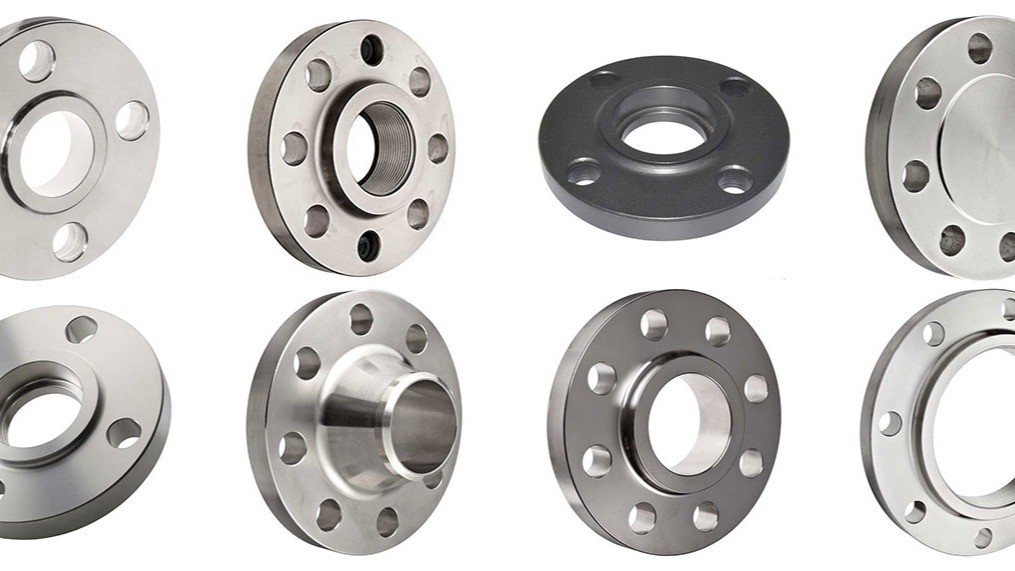
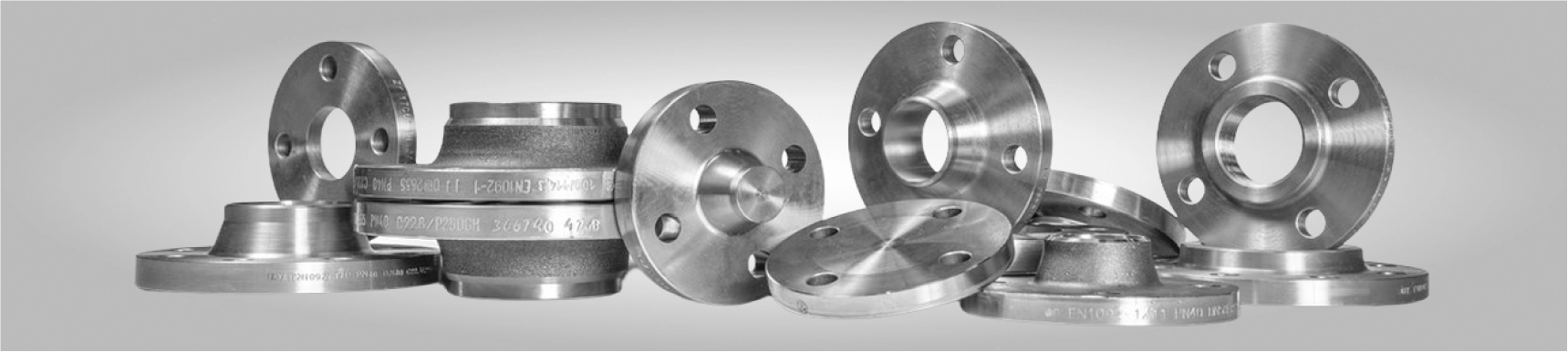
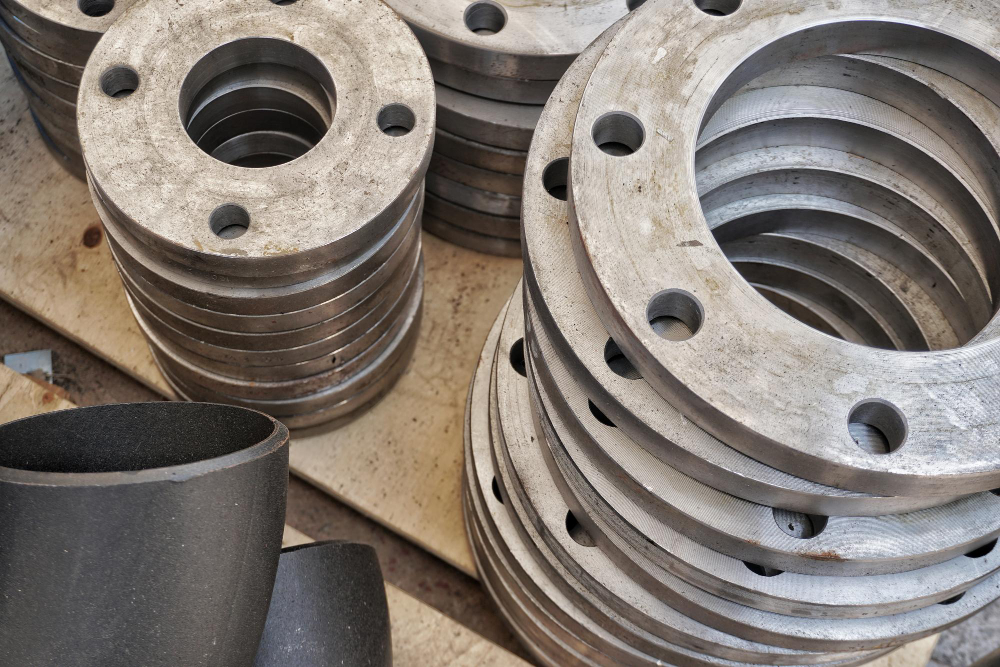
- Flanged Fittings: Use bolted flange connections instead of welding, making disassembly straightforward.
- Specialty Pipe Fittings: Cover custom shapes, laterals, and application-specific designs that fall outside the standard catalog.
Pipe Fittings by Function
| Pipe Fitting | Primary Function | Common Industrial Applications |
| Elbow | Change flow direction | Oil and gas pipelines, HVAC, process piping |
| Tee | Branch or combine flow | Water treatment, fire protection, petrochemical plants |
| Reducer | Change pipe diameter | Pump connections, tank inlets, flow regulation |
| Coupling | Join straight pipe runs | General plant piping, utility lines |
| Union | Allow disconnection for maintenance | Equipment skids, pump stations |
| Cap/Plug | Seal or terminate a line | Pressure testing, dead end lines |
| Cross | Four way branch connection | Sprinkler systems, distribution manifolds |
| Flanged Fitting | Bolted, removable connection | Refineries, valves, equipment interfaces |
Key Factors to Consider When Choosing Pipe Fittings
Getting the fitting type right is only half the job. The material, rating, and compatibility with your system matter just as much, if not more. Here is what to check before you finalize any order.
- Operating Pressure Requirements: The fitting must handle your system's maximum pressure, not just its average running pressure.
- Operating Temperature: High or low temperature service can rule out certain materials entirely.
- Fluid Type and Chemical Compatibility: Some fluids react with certain metals, causing corrosion or contamination over time.
- Corrosion Resistance: Aggressive environments, including seawater or chemical exposure, demand higher-grade materials.
- Pipe Size and Flow Requirements: Undersized fittings restrict flow and increase pressure drop across the system.
- Material Compatibility: The fitting material should match or complement the pipe material to avoid galvanic corrosion.
- Industry Standards and Compliance: Fittings should meet recognized specifications such as ASME B16.9 for dimensions and pressure ratings, so they perform predictably under load.
Pipe Fitting Material Comparison
| Material | Strength | Corrosion Resistance | Temperature Capability | Cost | Common Applications |
| Carbon Steel | High | Moderate | Good for moderate to high temp | Low to moderate | Oil and gas, general industrial piping |
| Stainless Steel (304/316) | High | Excellent | Good across wide range | Moderate to high | Chemical processing, food and beverage, marine |
| Alloy Steel | Very high | Good | Excellent for extreme temp | High | High pressure, high temperature service |
| Duplex Stainless Steel | Very high | Excellent | Good | High | Offshore, seawater, chemical plants |
| Carbon Steel with Coating | Moderate to high | Improved with coating | Moderate | Low to moderate | Water lines, less aggressive environments |
| Copper/Brass | Low to moderate | Good | Limited at high temp | Moderate | Plumbing, low pressure utility lines |
Choosing the Right Connection Type
The way a fitting joins to the pipe affects strength, maintenance access, and long-term reliability just as much as the material does. Here is how the main connection types stack up against each other.
| Connection Type | Advantages | Limitations | Best Applications |
| Butt Weld | Strong, leak free, smooth bore | Requires skilled welding, permanent | High pressure oil and gas, petrochemical |
| Socket Weld | Good strength, easier to align | Limited to smaller sizes, crevice risk | Small bore piping under NPS 2 |
| Threaded | Easy to install and disconnect | Weaker under high pressure or vibration | Low pressure utility and instrumentation lines |
| Flanged | Removable, good for maintenance | Bulkier, more gasket points to monitor | Refineries, valve connections, large diameter lines |
| Compression | Quick installation, no welding needed | Not suited to high pressure systems | Instrumentation, small diameter tubing |
How to Match Pipe Fittings with Industrial Applications
Every industry has its own pressure ranges, fluid types, and regulatory requirements, so the right fitting choice shifts depending on where the pipe is actually being installed. Here is a general guide by sector.
- Oil & Gas: High pressure carbon steel or alloy fittings dominate, built to withstand harsh well site and pipeline conditions.
- Petrochemical Plants: Corrosion resistant stainless or duplex fittings handle aggressive chemical exposure.
- Water Treatment: Ductile iron and coated carbon steel fittings balance cost with long term durability.
- Fire Protection Systems: Galvanized steel fittings are common, chosen for consistent performance under emergency conditions.
- HVAC and District Cooling: Carbon steel and copper fittings are selected based on pressure and the cooling medium used.
- Marine Applications: Stainless or duplex fittings resist saltwater corrosion in demanding offshore and shipboard environments.
- Construction Projects: A mix of carbon steel and PVC fittings covers most structural and utility piping needs.
- Food & Beverage Processing: Sanitary grade stainless steel fittings meet hygiene requirements and resist frequent cleaning cycles.
Pipe Fitting Selection by Industry
| Industry | Recommended Fitting Material | Common Fittings Used |
| Oil & Gas | Carbon steel, alloy steel | Elbows, tees, flanged fittings |
| Petrochemical | Stainless steel, duplex | Reducers, tees, butt weld elbows |
| Water Treatment | Ductile iron, coated carbon steel | Couplings, tees, flanged fittings |
| Fire Protection | Galvanized steel | Elbows, tees, couplings |
| HVAC/District Cooling | Carbon steel, copper | Elbows, reducers, unions |
| Marine | Stainless steel, duplex | Flanged fittings, elbows |
| Construction | Carbon steel, PVC | Couplings, elbows, caps |
| Food & Beverage | Sanitary stainless steel | Tees, elbows, unions |
Common Pipe Fitting Selection Mistakes
Even experienced buyers slip up here, usually because a deadline pushes speed ahead of a proper check. These are the mistakes that come up again and again.
- Choosing Based Only on Price: A cheaper fitting that fails early costs far more once you factor in downtime and replacement.
- Ignoring Corrosion Risks: Skipping a corrosion assessment often leads to premature failure in aggressive environments.
- Selecting the Wrong Connection Type: A threaded joint on a high vibration line is a leak waiting to happen.
- Overlooking Pressure and Temperature Ratings: A fitting rated for ambient conditions will not survive a high temperature process line.
- Ignoring Material Compatibility: Mixing incompatible metals can trigger galvanic corrosion at the joint.
- Failing to Consider Future Maintenance: Permanent connections in areas that need regular servicing create unnecessary rework down the line.
Pipe Fitting Selection Checklist
Before placing an order, run through this list. It takes a few minutes and it catches the mistakes that cost weeks later.
| Checklist Item | Verification Required |
| Material Grade | ✓ |
| Pipe Size Compatibility | ✓ |
| Pressure Rating | ✓ |
| Temperature Rating | ✓ |
| Corrosion Resistance | ✓ |
| Standards Compliance | ✓ |
| MTC Availability | ✓ |
| Supplier Qualification | ✓ |
| Inventory Availability | ✓ |
| Warranty & Documentation | ✓ |
How to Evaluate an Industrial Pipe Fittings Supplier
The fitting itself only matters if the supplier behind it can back it up with proper documentation and consistent stock. Here is what separates a good industrial pipe fittings supplier from one that just fills orders.
- Product Quality Standards: Fittings should be manufactured to recognized international specifications, not just visually similar to them.
- Material Certifications: Every batch should come with material test certificates confirming chemical and mechanical properties.
- Product Availability: A wide, well stocked range means fewer delays when a project timeline shifts.
- Technical Support: A supplier who understands piping applications can help you avoid costly specification errors before the order ships.
- Industry Experience: Years spent supplying demanding sectors like oil and gas or petrochemical usually shows in how well a supplier handles complex orders.
Conclusion
Choosing the right pipe fitting comes down to matching material, connection type, and rating to the actual conditions your system will face, not just the size on paper. Get the fitting type sorted, check pressure and temperature ratings, confirm chemical compatibility, and verify the standards behind the product before it ever reaches site.
This is exactly where Alkun Steel fits into the picture. As an industrial pipe fittings supplier in the UAE, we work with businesses across oil and gas, petrochemical, and construction to source fittings that meet the standards their projects demand, backed by proper certification and stock that is ready when a project needs it.
FAQs
1. How do I choose the right pipe fittings?
Match the fitting type, material, and connection method to your system's pressure, temperature, and fluid conditions.
2. What factors should be considered when selecting pipe fittings?
Pressure rating, temperature rating, fluid compatibility, corrosion resistance, and compliance with industry standards.
3. Which pipe fitting material is best for industrial applications?
It depends on the environment, but stainless steel and alloy steel are common choices for demanding conditions.
4. What is the difference between threaded and welded pipe fittings?
Threaded fittings are mechanically screwed together while welded fittings are permanently joined by heat, offering greater strength.
5. How do I select pipe fittings for high-pressure systems?
Choose fittings rated above your system's maximum operating pressure, typically in butt weld or flanged form.
6. Which pipe fittings are commonly used in oil and gas projects?
Elbows, tees, reducers, and flanged fittings made from carbon or alloy steel are standard.
7. Why is material compatibility important in piping systems?
Mismatched materials can cause galvanic corrosion, weakening the joint and shortening the system's service life.
Related Articles
Valves Used in District Cooling Systems: Types, Functions, and Selection Criteria
Read More
Threaded vs Socket Weld vs Butt Weld Fittings: Which Is Right for Your Project?
Read More
Carbon Steel vs Stainless Steel Pipes: Cost, Performance, and Application Comparison
Read More


How Fire Fighting Valves Ensure Safe and Efficient High-Pressure Water Systems
Read More



Stainless Steel Buttweld Fittings For Offshore Shipbuilding And Platform Piping
Read More
Industrial Valves, Hoses & Gaskets: Alkun Steel’s Solutions for the Tanks & Pumps Industry
Read More
Corrosion-Resistant Valves, Flanges & Joints: Alkun Steel’s Petrochemical Solutions
Read More
Why Alkun Steel Is A Reliable Supplier Of Essential Products In The Oil Drilling & Rig Industry
Read More


Reliable Industrial Components For Fire Fighting Applications: Alkun Steel’s Trusted Solutions
Read More
Why Alkun Steel Is A Reliable Supplier Of Essential Products In The Fabrication Industry
Read More

Industrial Valves, Hoses & Gaskets: Alkun Steel’s Solutions For Aviation Maintenance
Read More

Best Weld Neck, Slip-On, And Blind Flanges For Critical Oil & Gas Connections
Read More
Best Industrial Fasteners for Heavy Equipment Assembly and Structural Steel Projects
Read More