Essential Industrial Supplies Required for Piping
A piping system is often judged by what it carries, but its performance depends just as much on what it is made of. The wrong material choice can shorten service life, increase maintenance, and create challenges that are expensive to fix later. That is why understanding the essentials before a project begins matters more than many people realize.
Look closely at any industrial facility, and you will find that a piping network is much more than just pipes. Every connection, support point, and flow-control element plays a role in keeping operations moving. Knowing which supplies are required and why they matter is what separates a well-designed system from one that constantly demands attention.
Why Choosing the Right Piping Materials Matters
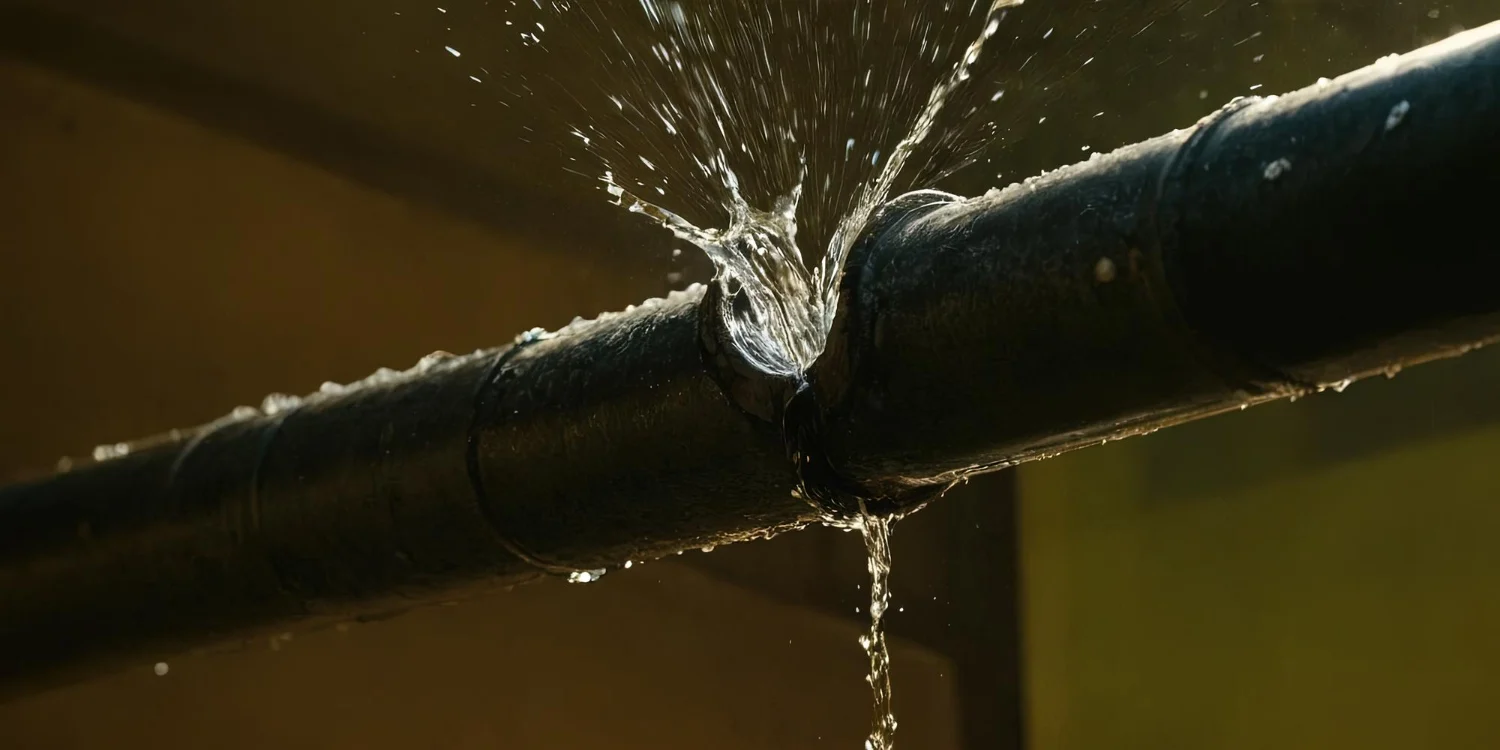
The piping material you specify sets the performance ceiling for your entire system. It determines how the system handles pressure, temperature, corrosion, and chemical exposure over its entire service life. A wrong material choice doesn't always fail immediately; it degrades quietly until a joint leaks, a fitting corrodes, or a section gives way under load at the worst possible moment.
What Materials Are Used for Industrial Piping?
Every industrial environment has its own demands, and no single material works for every situation. The right pipe fitting material depends on what you're carrying, at what pressure and temperature, and what the surrounding environment looks like.
Here are the four most widely used materials in industrial piping:
- Carbon Steel: The most widely used piping material in industrial applications, offering high tensile strength at a competitive cost. It performs well in oil and gas, power generation, and chemical processing where exposure to moisture can be managed or coated for.
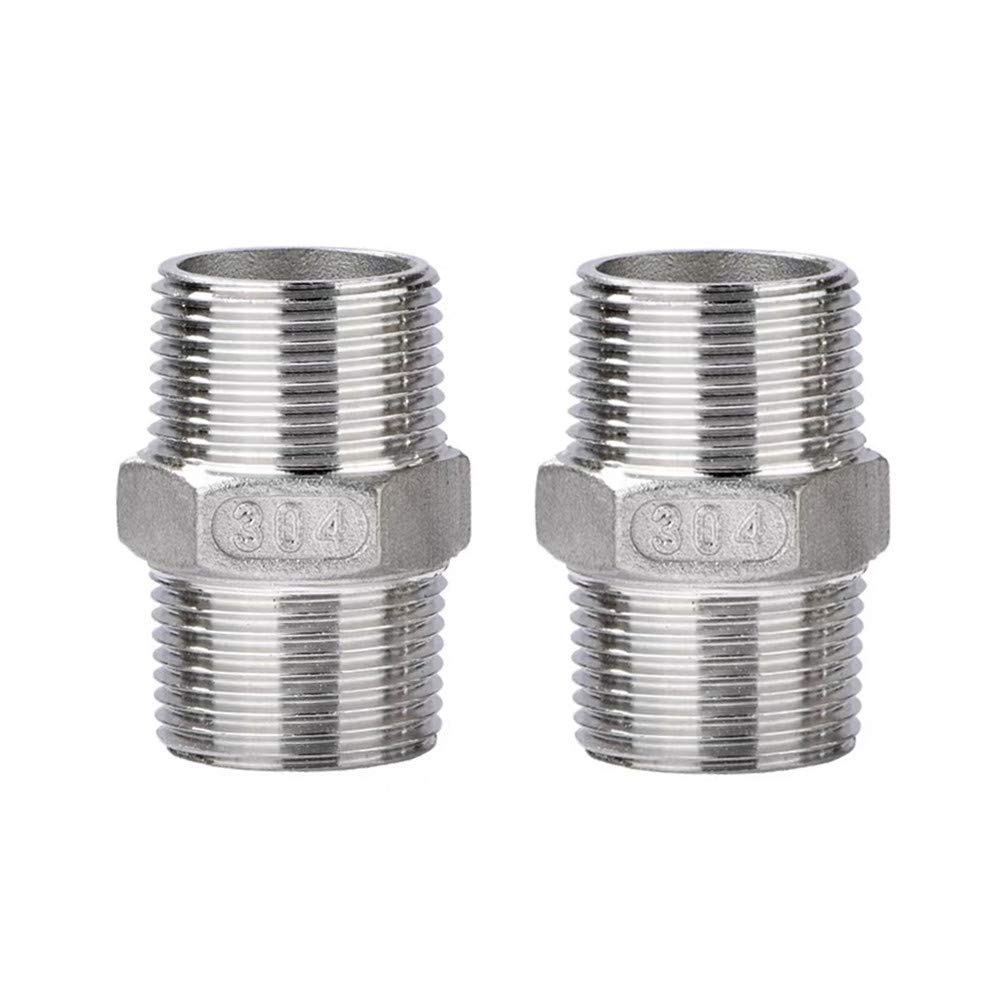
- Stainless Steel: Stainless steel contains at least 10.5% chromium, which forms a passive surface layer that resists rust and corrosion without additional coating. It's the go-to material for food processing, pharmaceuticals, and any environment where hygiene or chemical resistance is a priority.
- Alloy Steel: Made by adding elements like chromium, molybdenum, or nickel to steel, alloy steel delivers higher strength and heat resistance than standard carbon steel. It is widely used in power plants, high-temperature chemical processing, and oil and gas pipelines where standard steel would fall short.
- Copper & Bronze: Copper and its alloys offer excellent thermal conductivity and natural corrosion resistance, especially in water and marine environments. They are commonly used in HVAC systems, plumbing, and offshore applications where seawater exposure makes steel a poor long-term choice.
Essential Piping Components Required in Industrial Systems
Choosing the right material is only the first step. A piping system is an assembly of multiple industrial pipe components, each playing a specific role in keeping the system safe and functional. Specifying even one component incorrectly can affect the performance of everything connected to it. Here's what every industrial piping system needs:
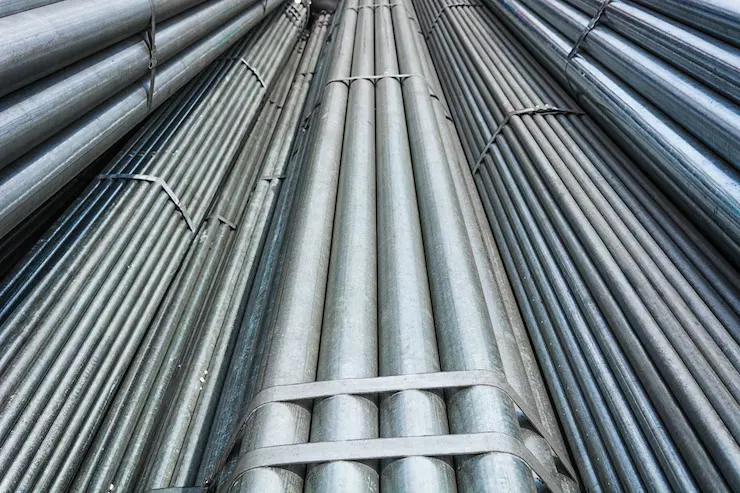
Pipes
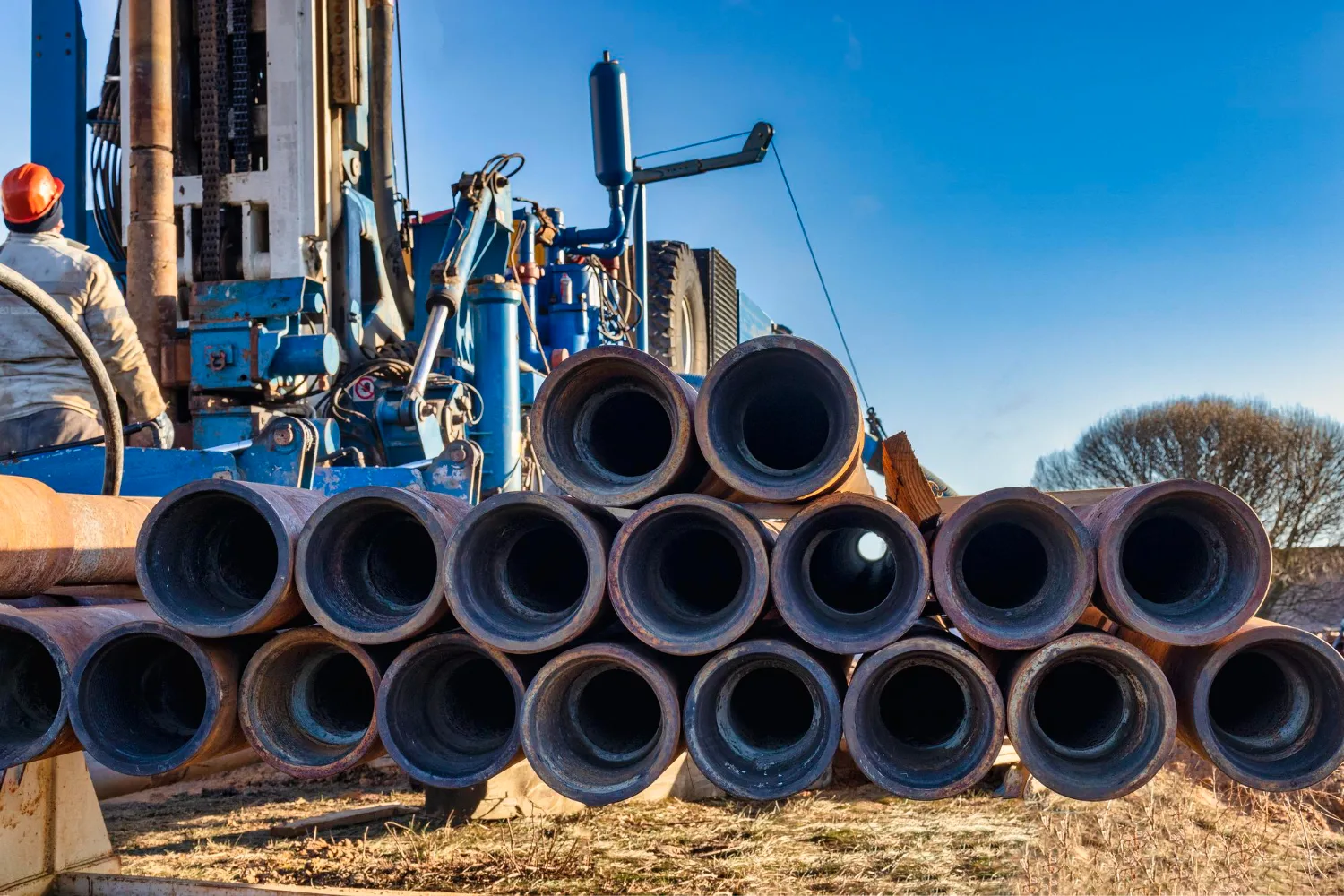
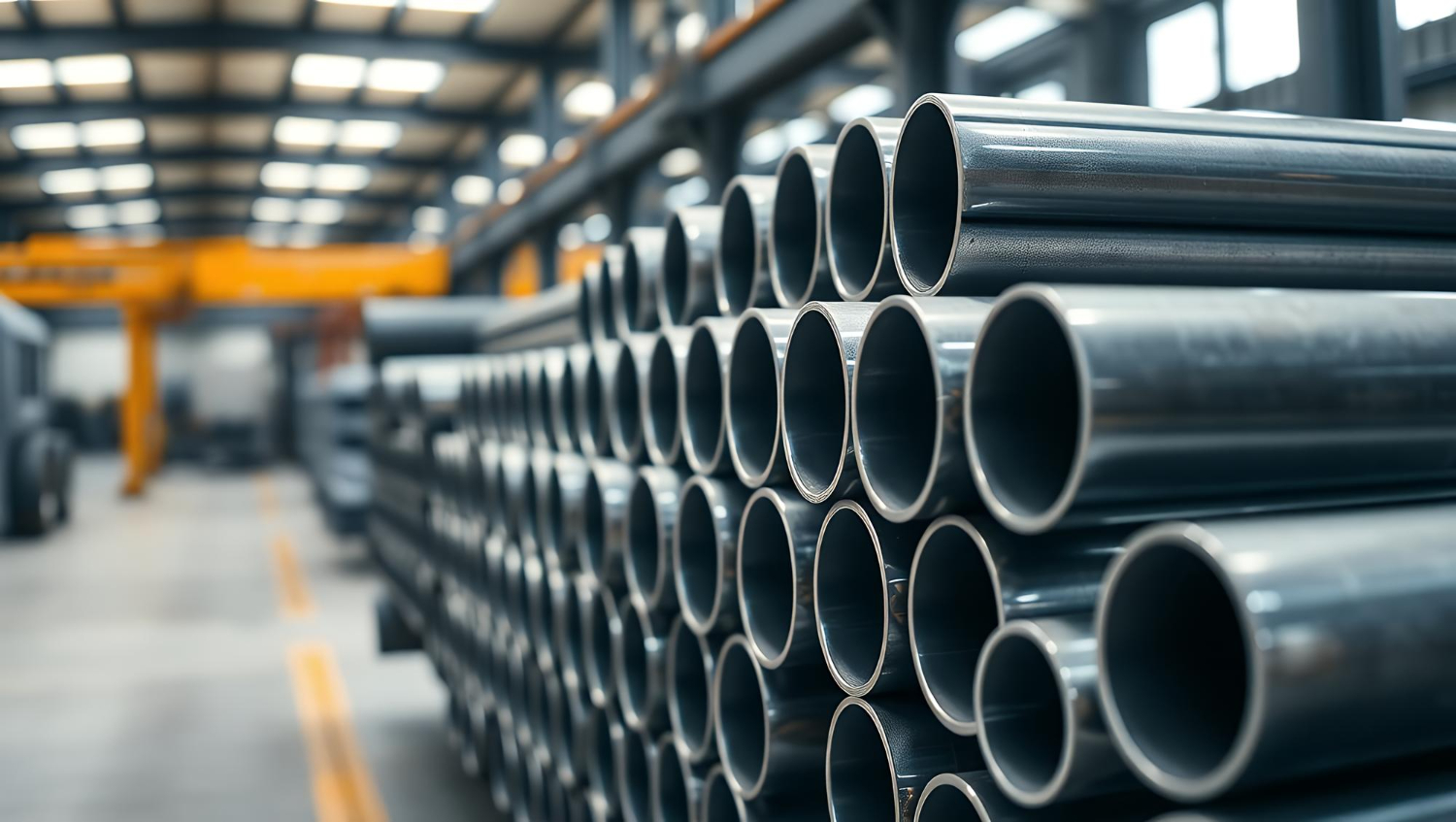
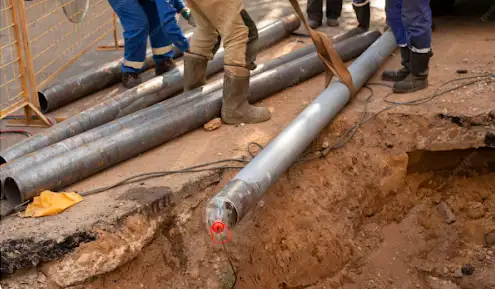
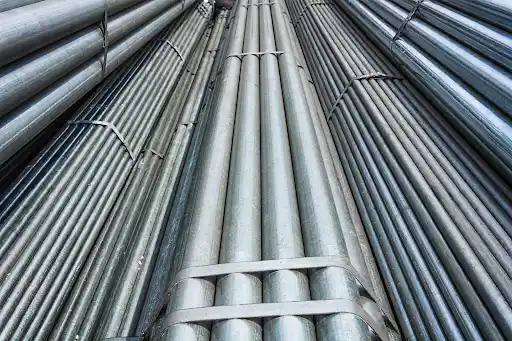
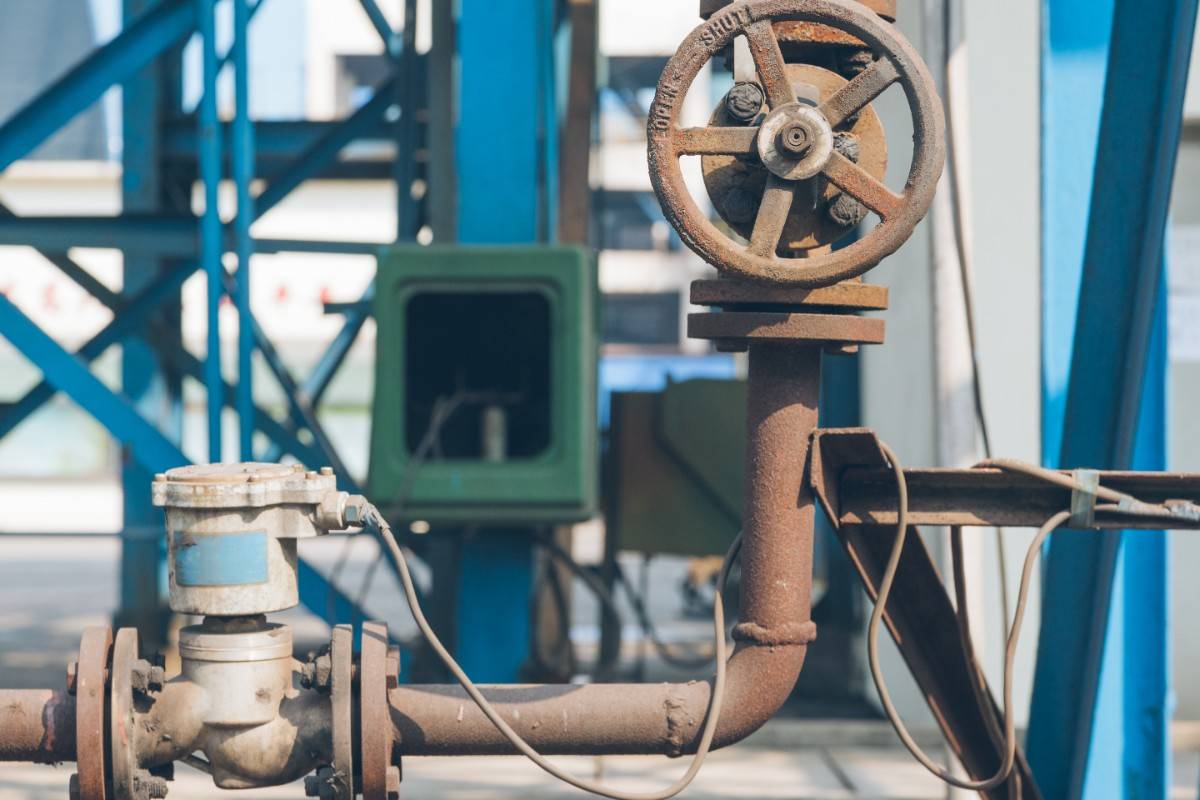
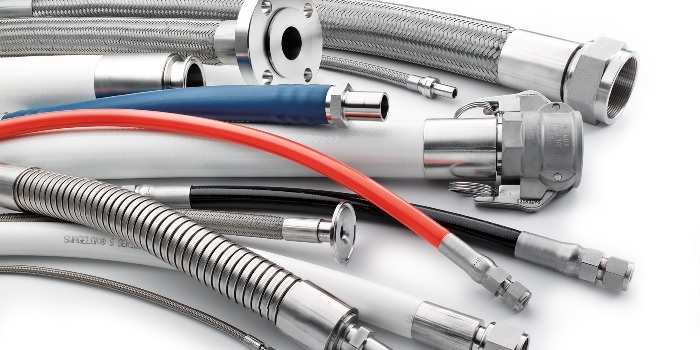
Pipes are the primary conduits that carry fluid or gas from one point to another. The wall thickness, diameter, and material grade must all be matched to the operating pressure, temperature, and the medium being transported.
Pipe Fittings
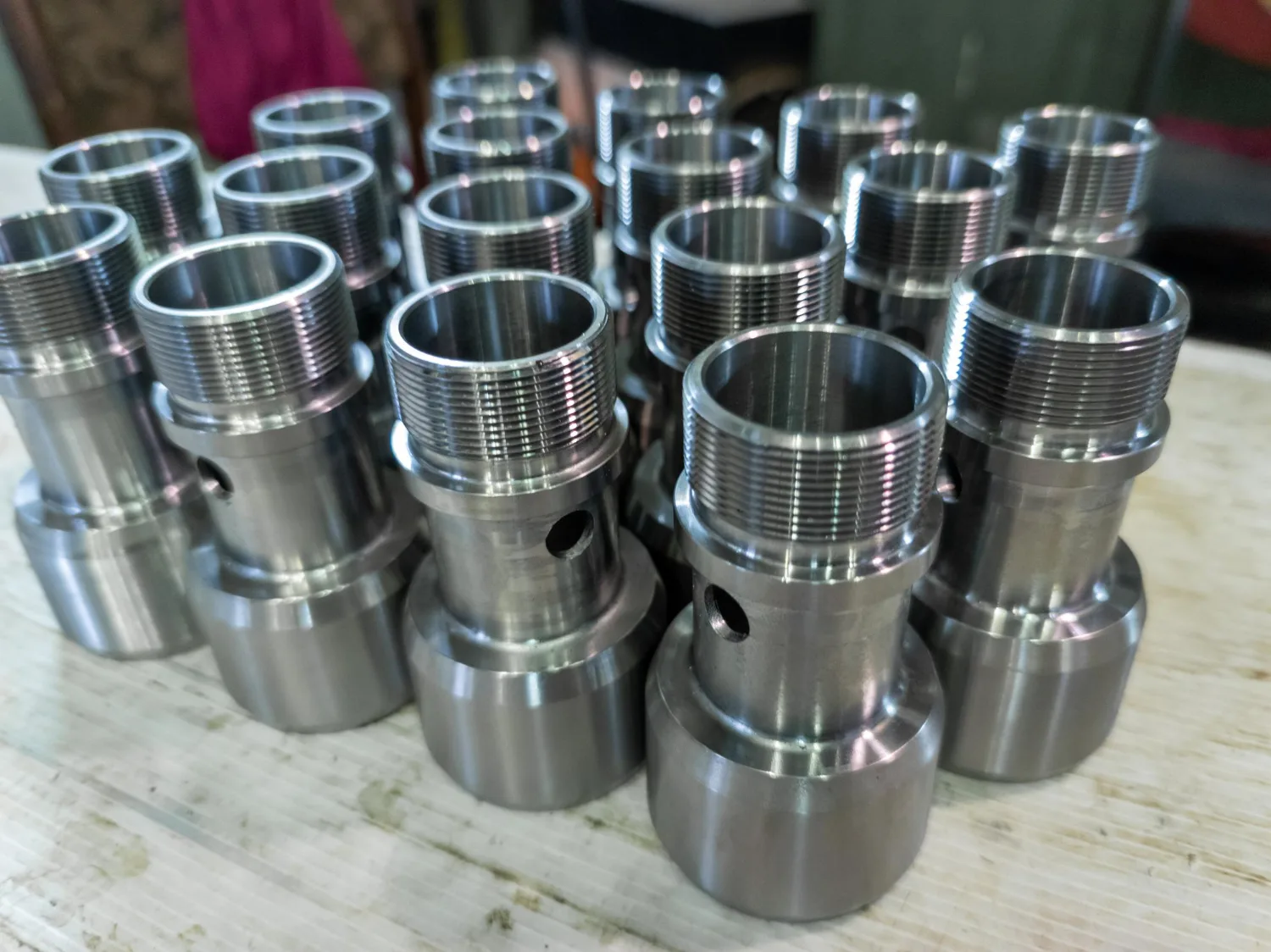
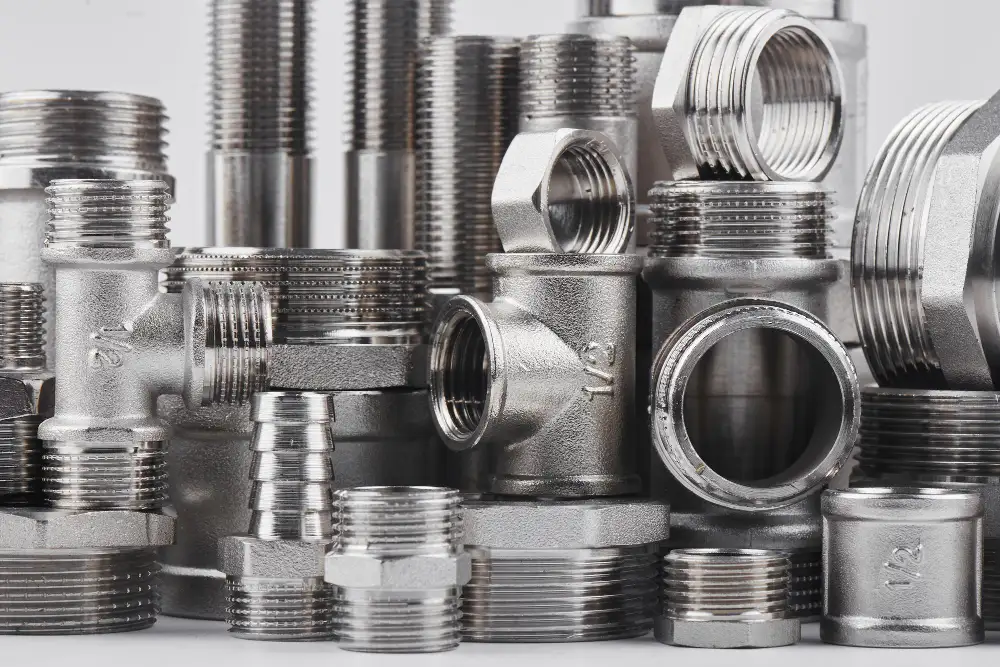
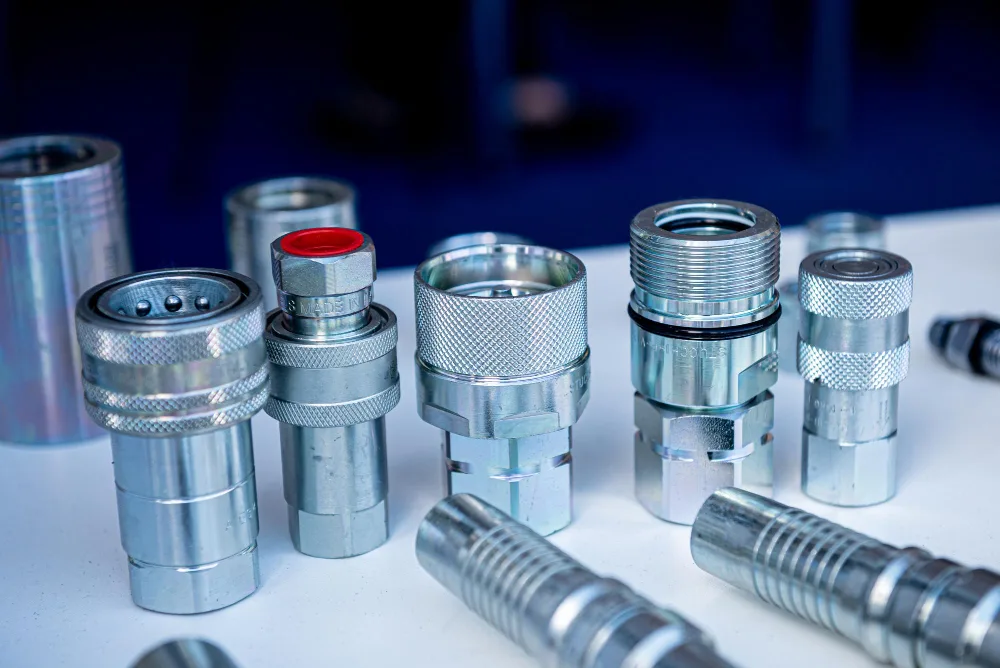
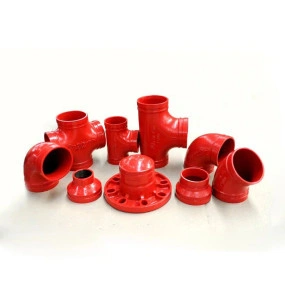
Pipe fittings include elbows, tees, reducers, and couplings that connect, redirect, or transition pipe runs within a system. They allow the system to change direction, split flow, or step down to a different pipe size without compromising pressure integrity.
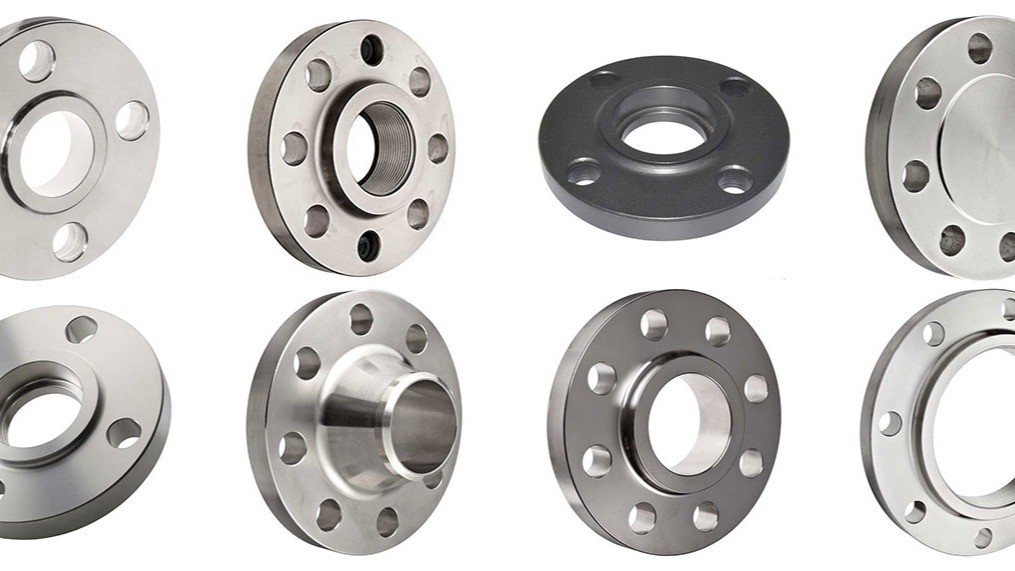
Flanges
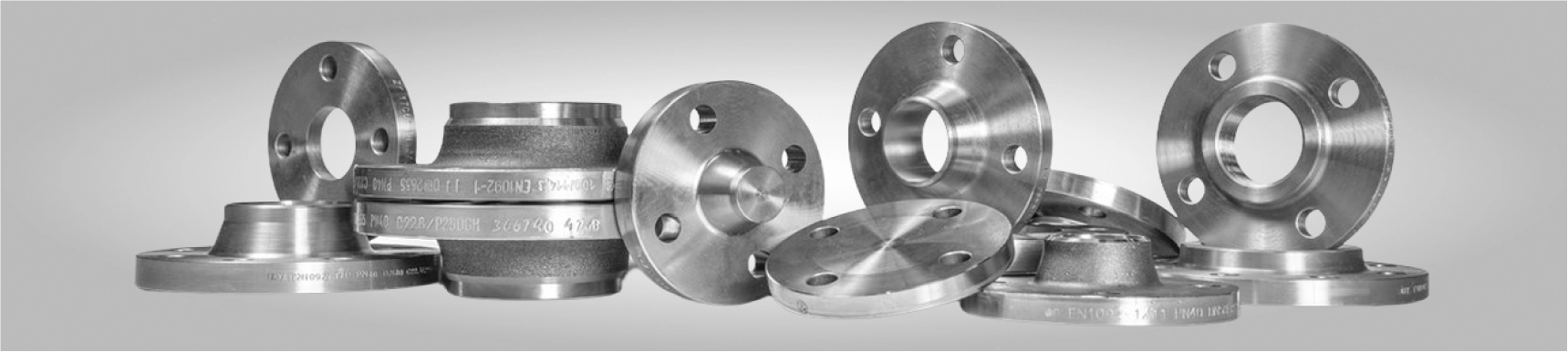
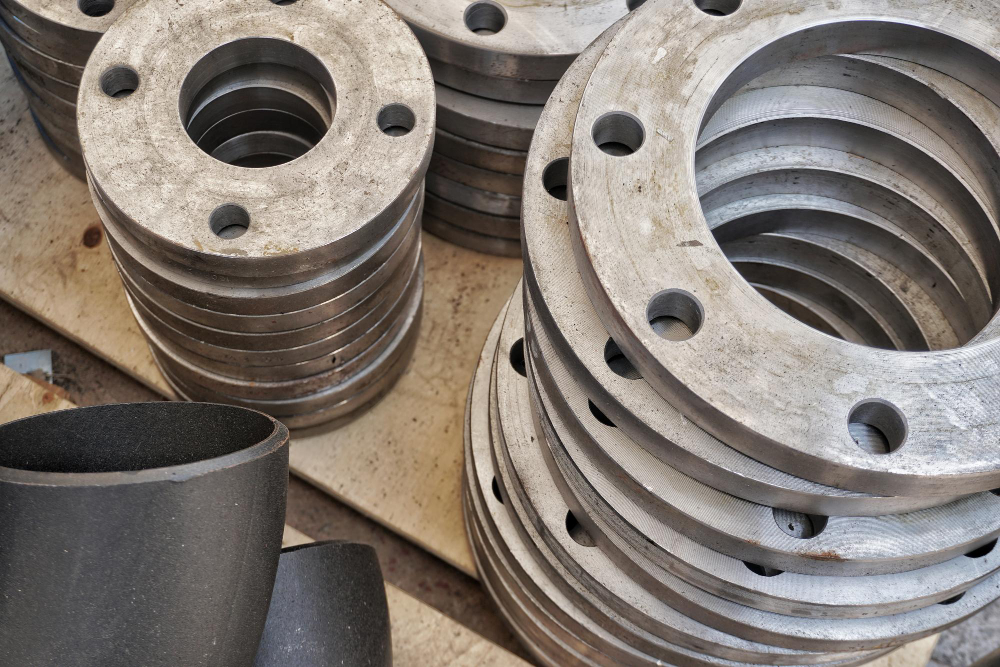
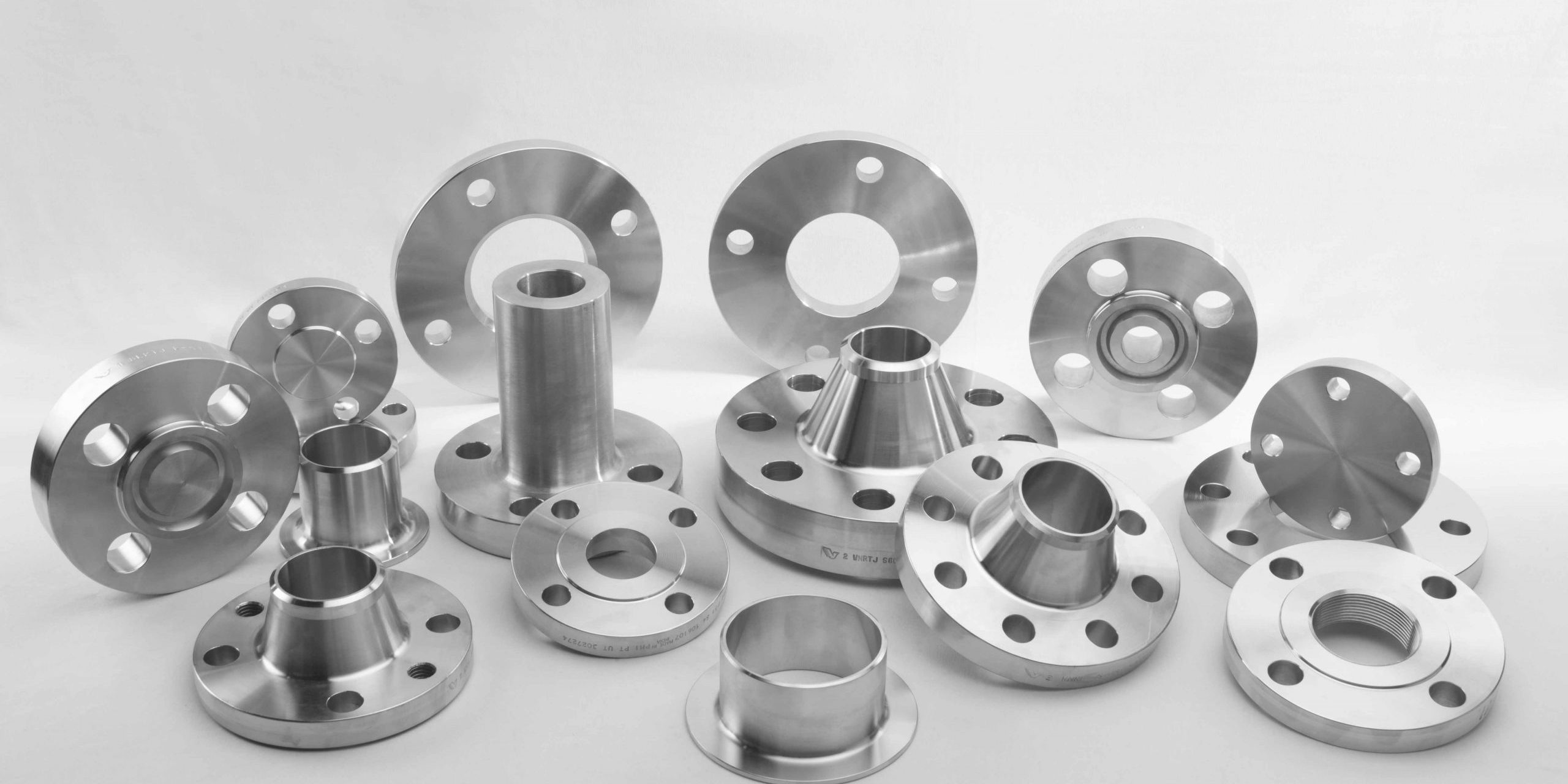
Flanges are bolted connections that join pipes, valves, and equipment into a single system. They create joints that can be disassembled for inspection, maintenance, or modification without cutting into the pipe itself.
Valves
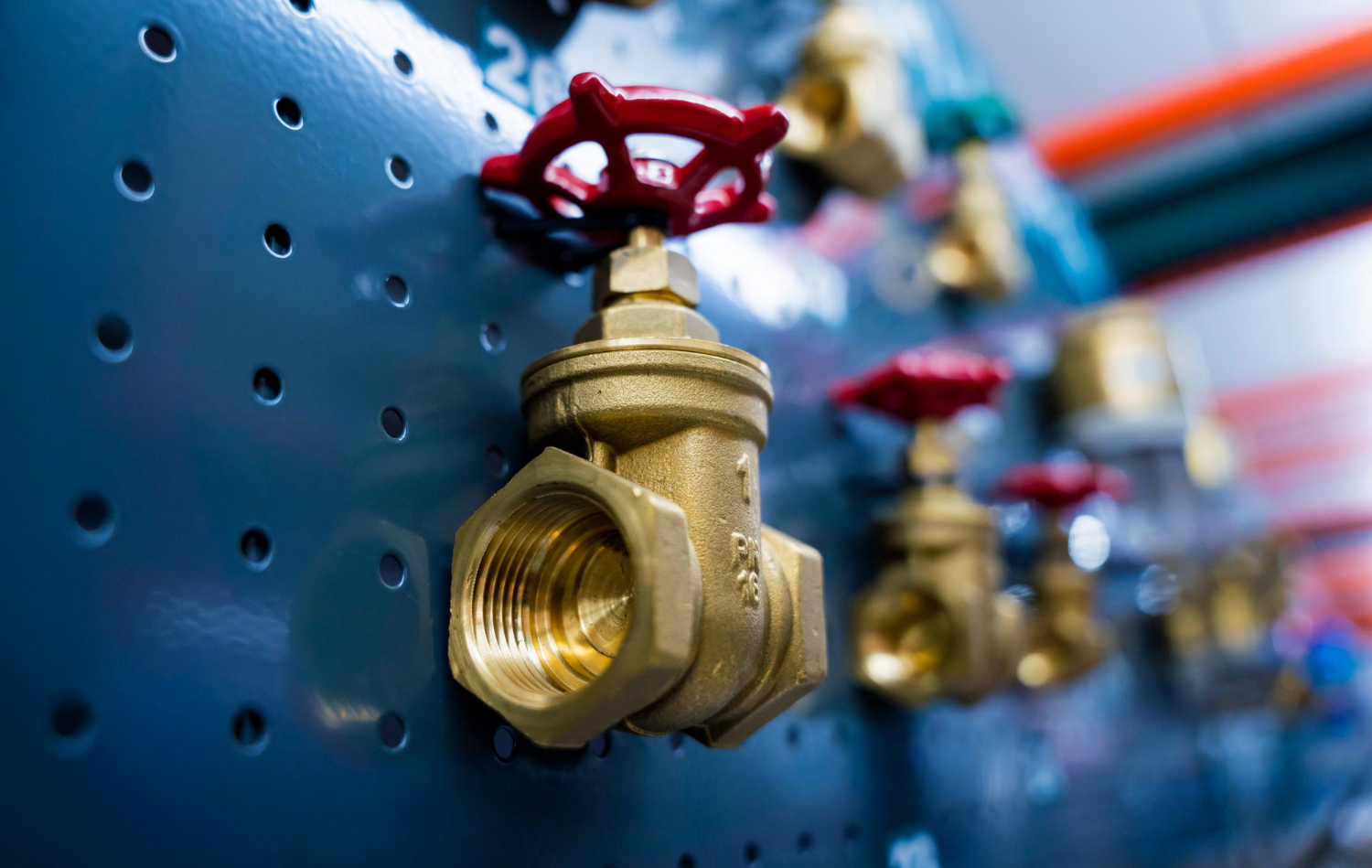
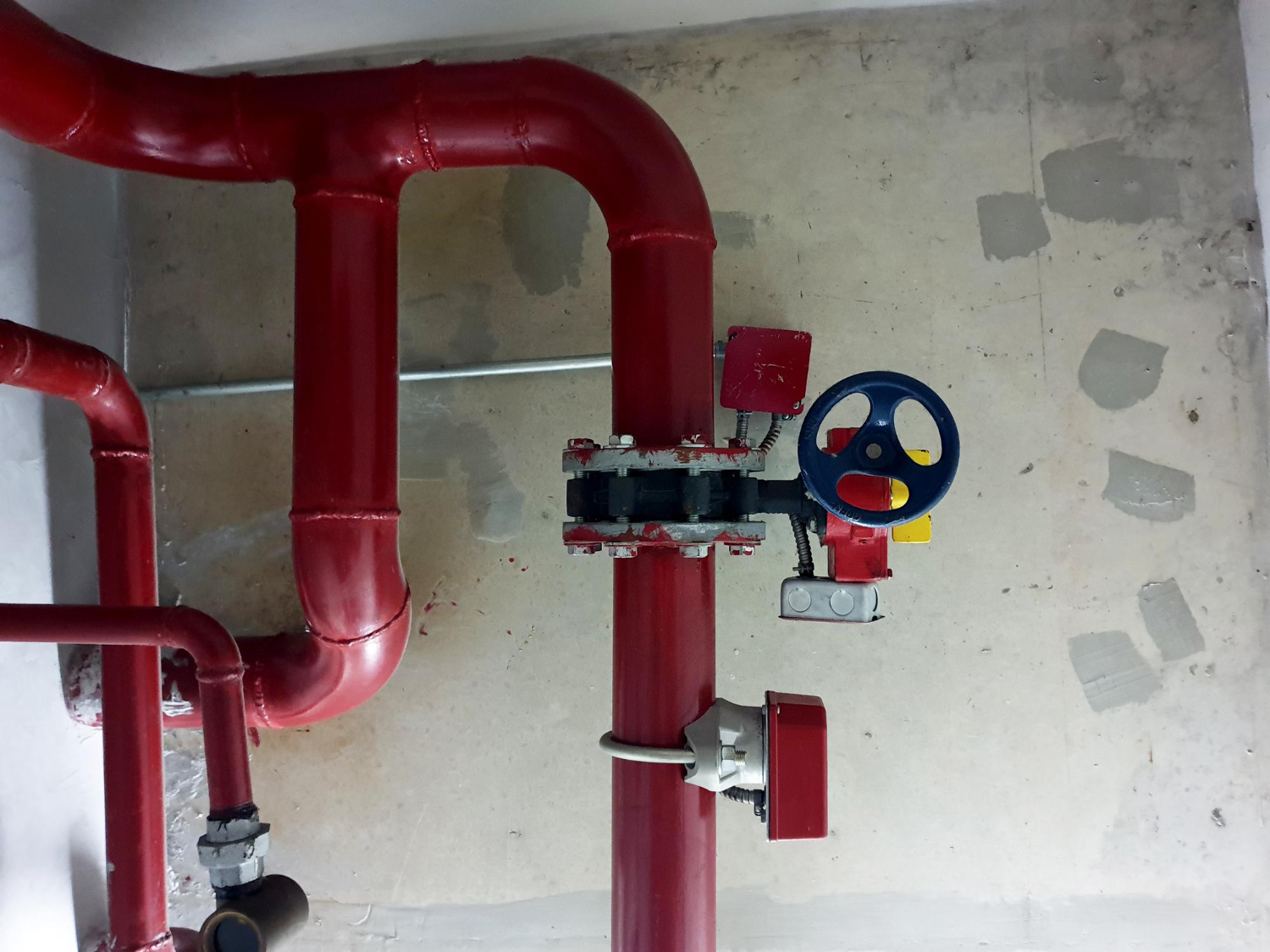
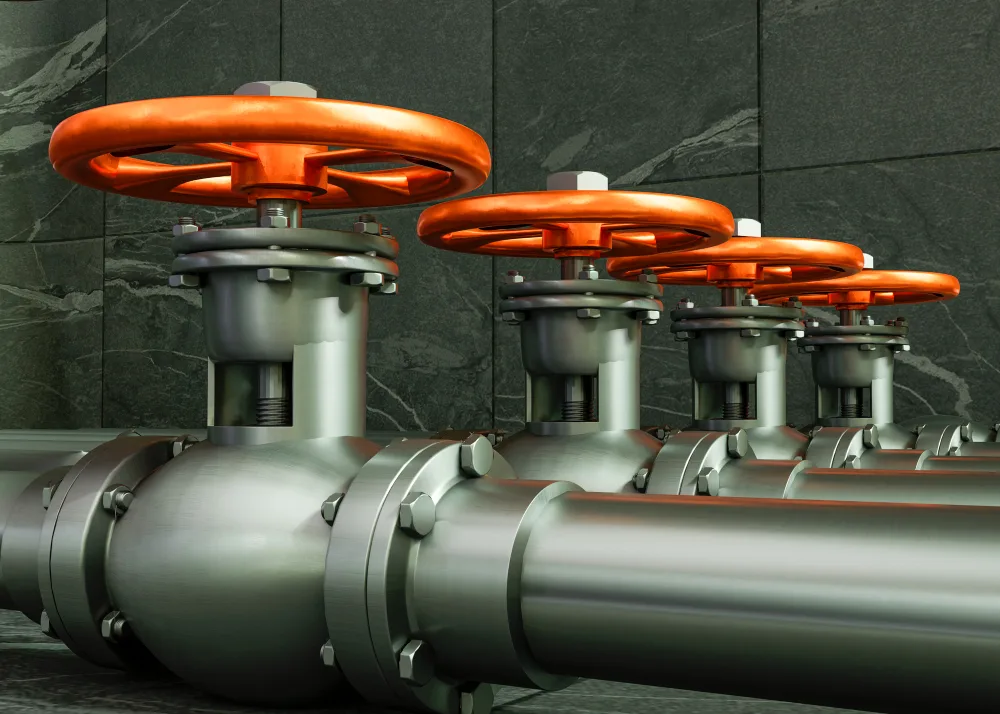
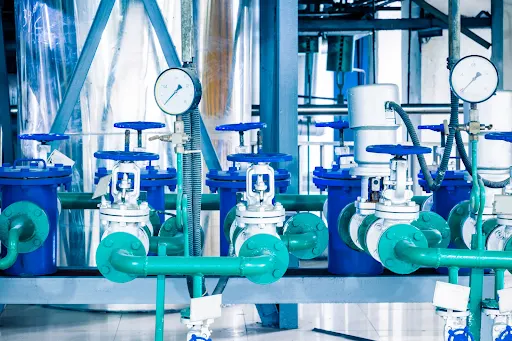
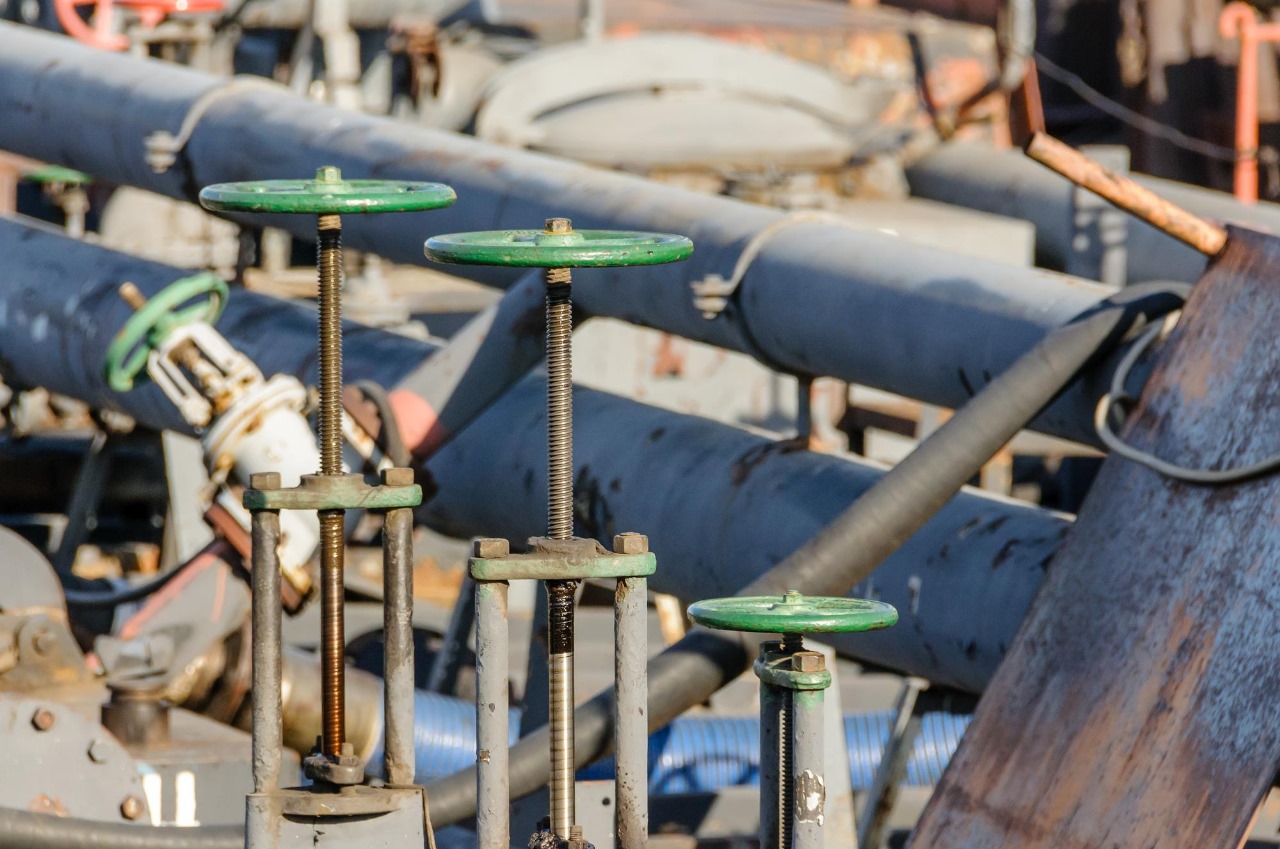
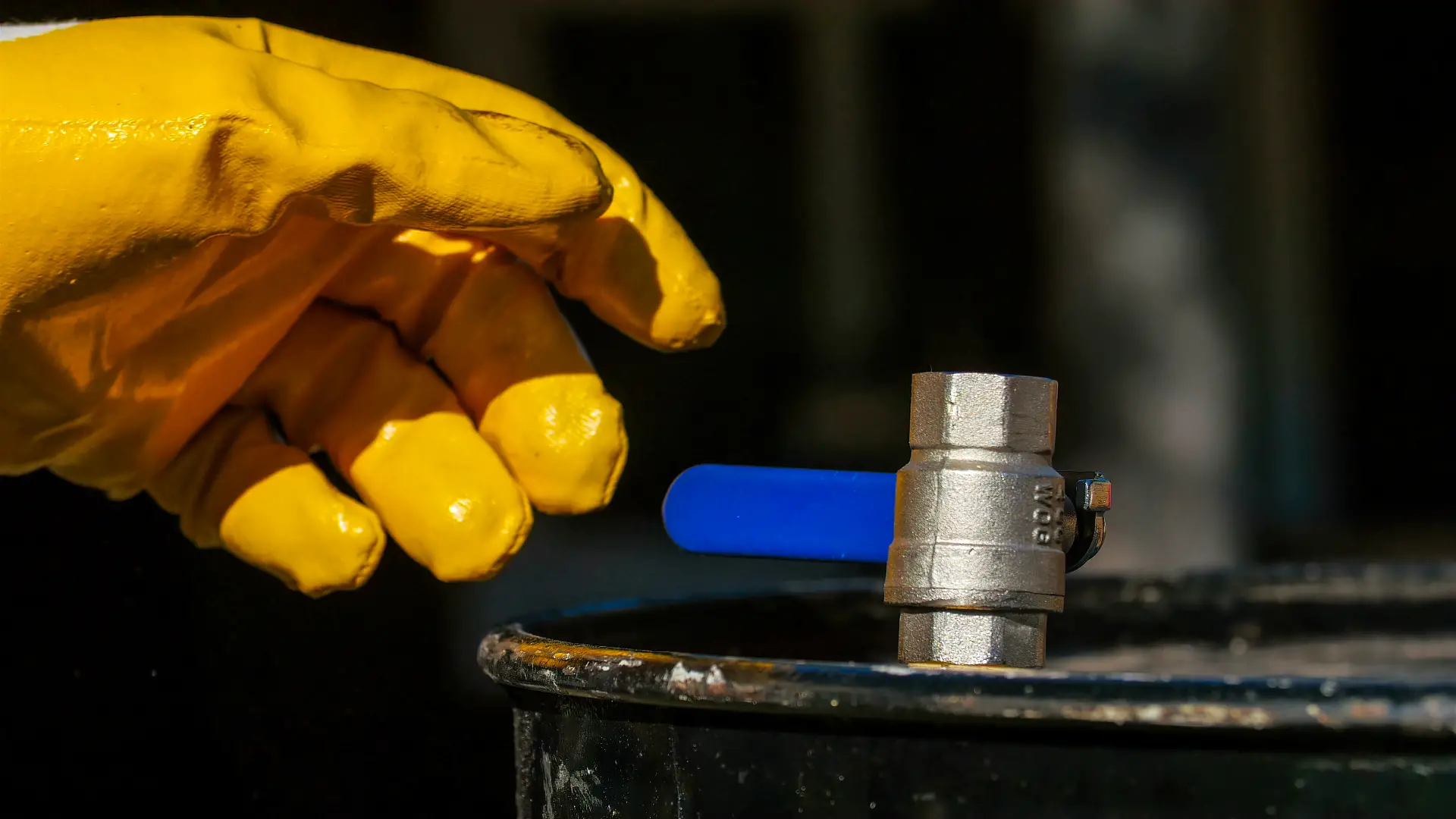
Valves control the flow of media through the system, allowing it to be started, stopped, throttled, or diverted as the process demands. The right valve type depends on whether you need on/off control, flow regulation, or backflow prevention.
Fasteners
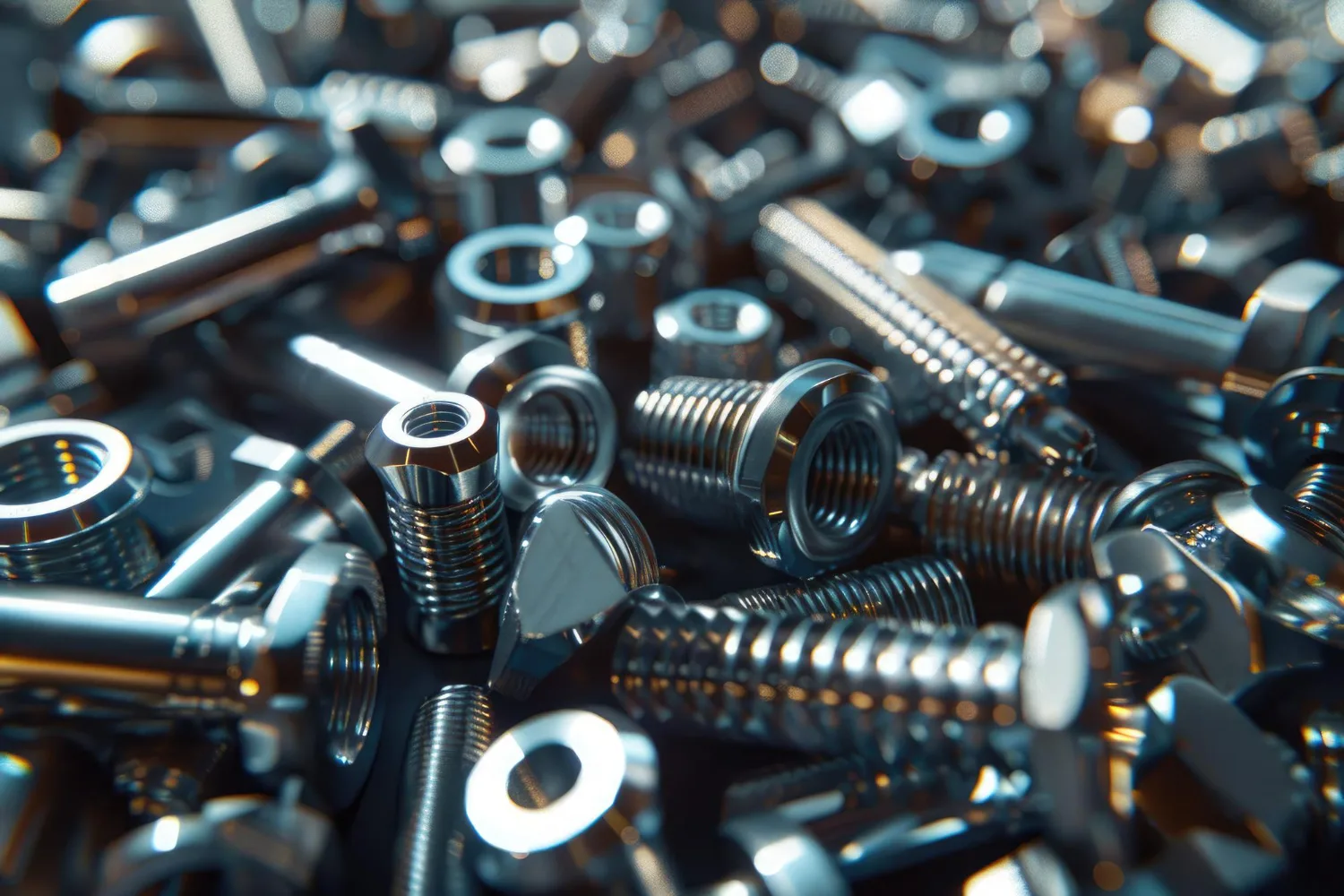
Fasteners, primarily stud bolts, nuts, and washers, hold flanged connections together under pressure. Selecting the right grade and material for fasteners is just as important as selecting the pipe itself, especially in high-temperature or corrosive environments.
How to Select the Right Piping Material and Components
Start with the operating conditions: the fluid or gas being carried, the maximum pressure and temperature the system will see, and any chemical compatibility concerns. From there, narrow your piping components selection based on the environment, whether indoor or outdoor, marine, or chemically aggressive, since these factors directly influence material choice.
Never specify components in isolation. The pipe grade, fitting material, flange rating, valve type, and fastener grade all need to be compatible with each other and with the system's design pressure class. Mismatched specifications are one of the most common sources of project delays and system failures in industrial piping.
Why Working with a Reliable Piping Materials Supplier Matters
Sourcing industrial pipe components from multiple uncoordinated vendors introduces risk: mismatched pressure classes, incompatible material grades, and inconsistent lead times that stall projects. What you need is a supplier who understands the full picture, not just the catalogue.
Alkun Steel supplies a wide range of piping equipment across the UAE and beyond, from pipe fittings and flanges to fasteners and valves, with the technical understanding to help you specify correctly from the start. As a leading piping equipment supplier in the UAE, our goal has always been to offer solutions that empower our clients to build infrastructure that lasts.
Conclusion
Industrial piping is a system, and every component in that system either contributes to its integrity or weakens it. The piping material sets the performance baseline, the piping components determine how well the system holds together under real operating conditions, and the supplier you work with determines whether all of it arrives correctly specified and on time. Getting all three right is what separates a system that runs for decades from one that demands constant attention.
The stakes are high in industrial environments, and there's rarely room to redo work once it's installed. Understanding your material options, knowing which industrial pipe components belong in which application, and working with someone who can support you across the full scope of a project makes the difference. Invest the time upfront in getting the specification right, and the system will take care of itself for years to come.
FAQs
1. What materials are commonly used for industrial piping?
The most common industrial piping materials include carbon steel, stainless steel, alloy steel, and copper or bronze, each suited to different operating conditions and environments.
2. What are the main components of an industrial piping system?
An industrial piping system typically includes pipes, pipe fittings, flanges, valves, and fasteners that work together to transport and control fluids or gases.
3. Why are pipe fittings important in a piping system?
Pipe fittings allow pipelines to change direction, connect different pipe sizes, split flow paths, and create secure connections while maintaining system integrity.
4. How do I choose the right piping material for my application?
Material selection depends on factors such as pressure, temperature, corrosion exposure, chemical compatibility, and the type of fluid or gas being transported.
5. Why should I source piping materials and components from a reliable supplier?
A reliable supplier helps ensure material compatibility, compliance with industry standards, consistent product quality, and timely delivery for successful project execution.
Related Articles

The Complete Buyer's Guide to Industrial Gratings: GI vs Stainless Steel vs Aluminium vs Ductile Iron
Read More

Chequered Plate Buying Guide: MS vs GI vs Stainless Steel Checker Plates Compared
Read More
C-Channel vs U-Channel: Sizes, Uses & How to Choose the Right Structural Steel Channel
Read More


Valves Used in District Cooling Systems: Types, Functions, and Selection Criteria
Read More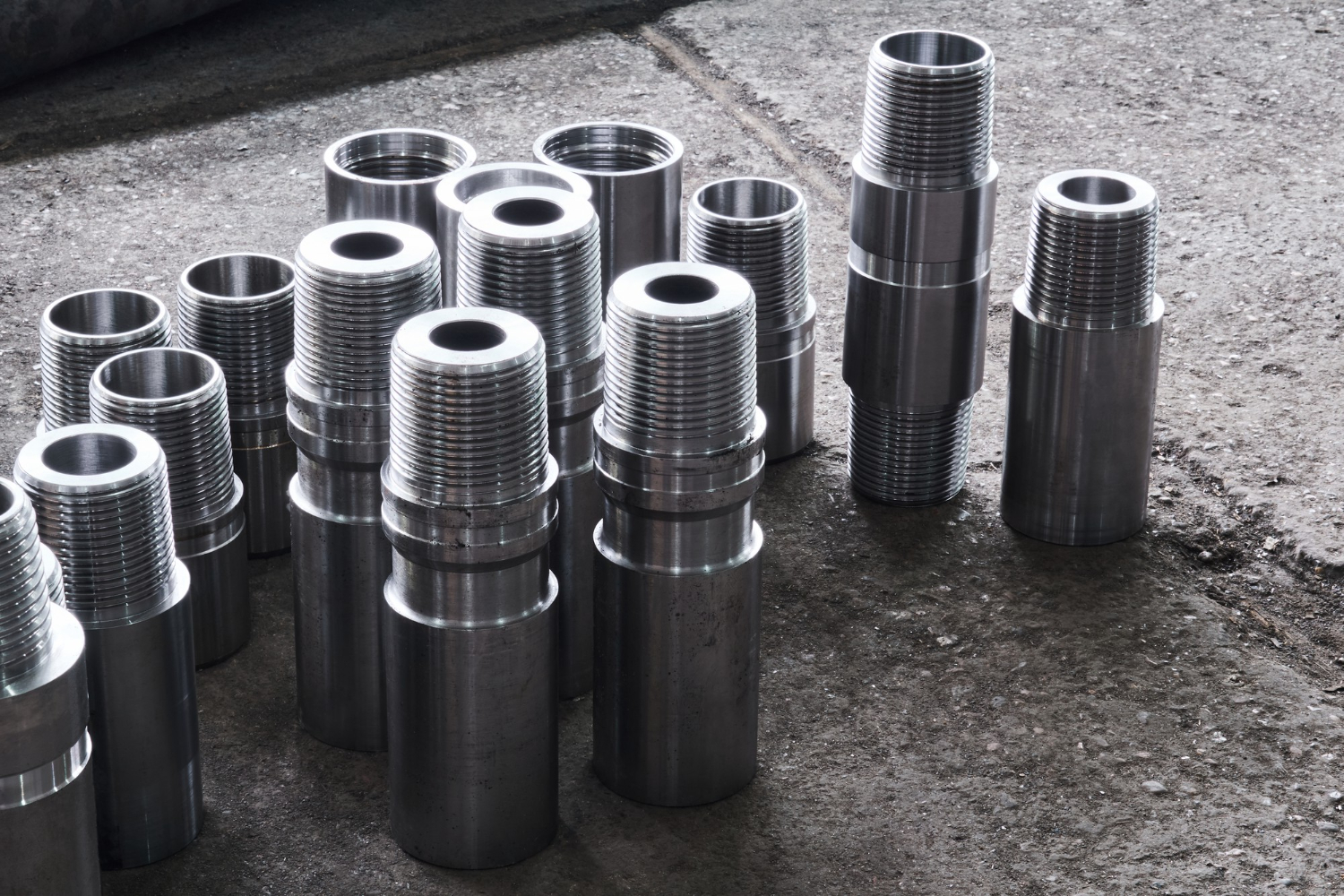
Threaded vs Socket Weld vs Butt Weld Fittings: Which Is Right for Your Project?
Read More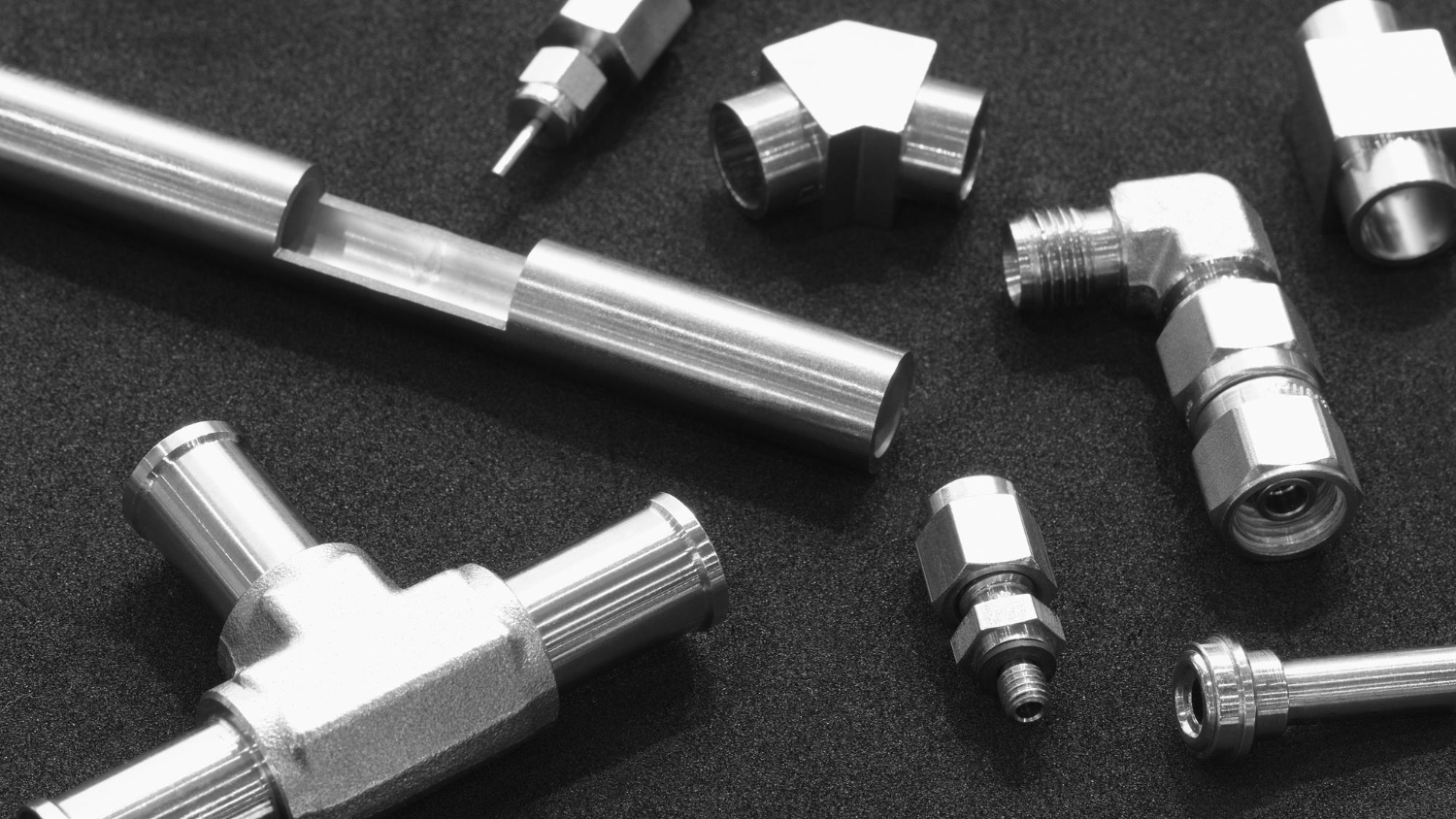
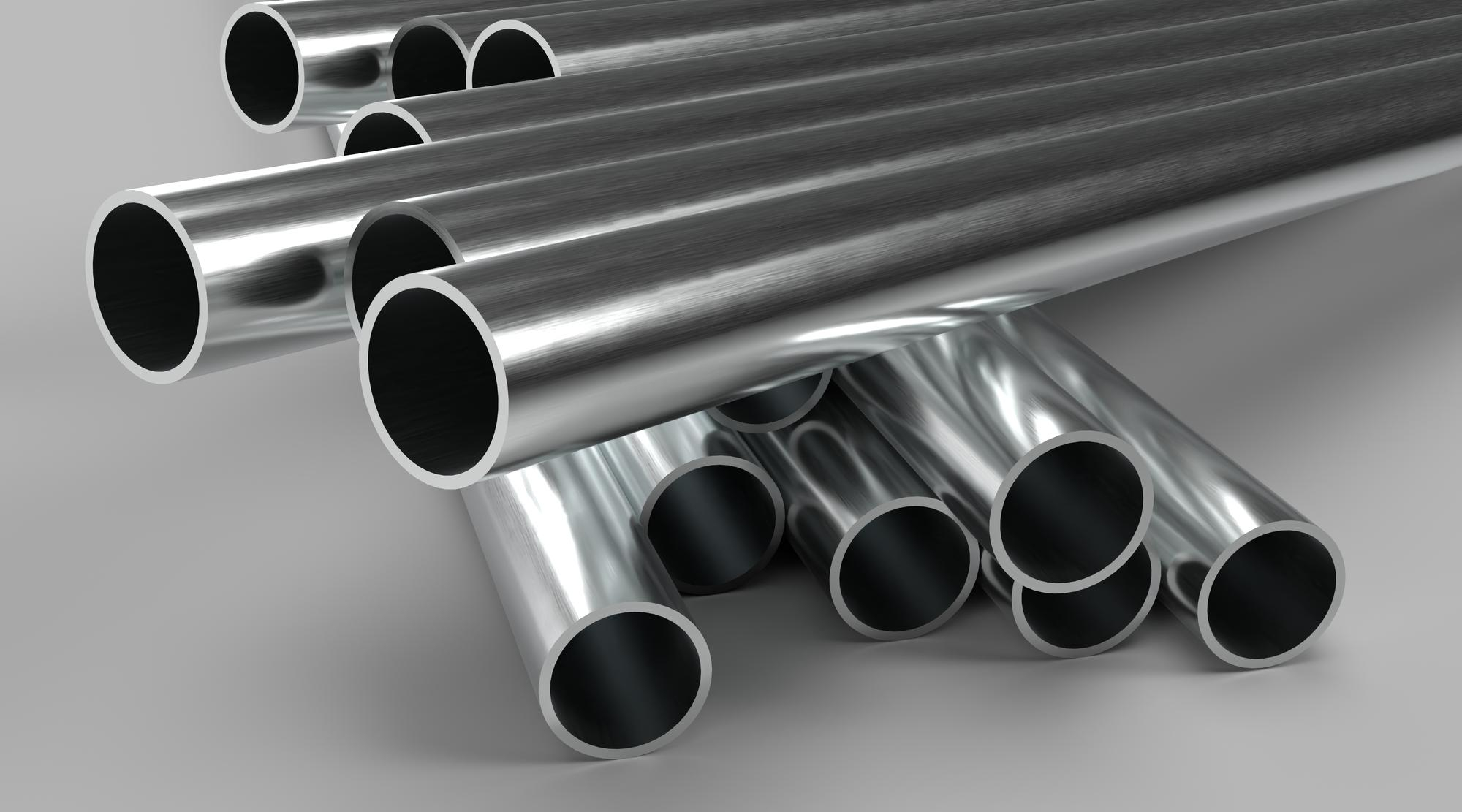
Carbon Steel vs Stainless Steel Pipes: Cost, Performance, and Application Comparison
Read More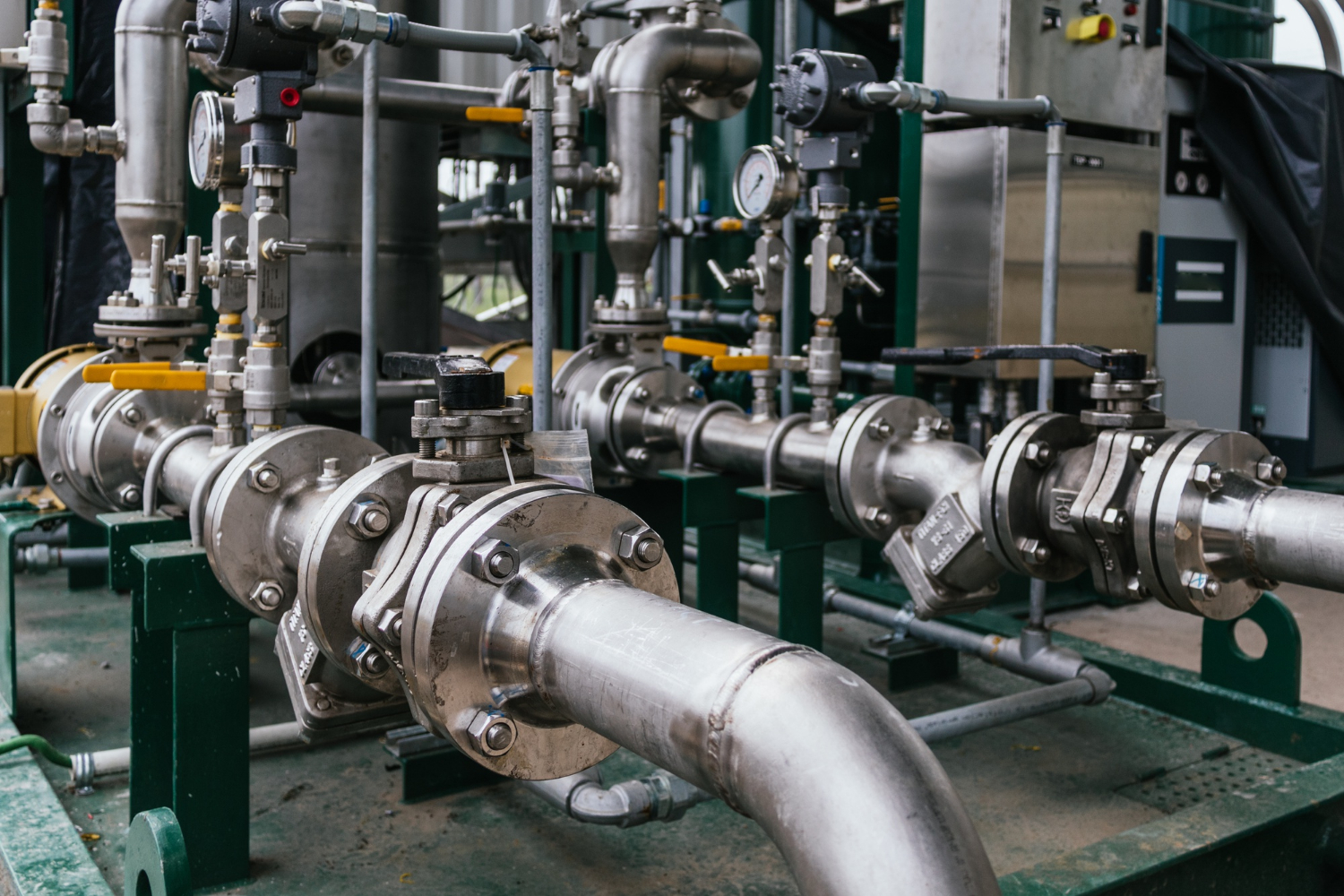


How Fire Fighting Valves Ensure Safe and Efficient High-Pressure Water Systems
Read More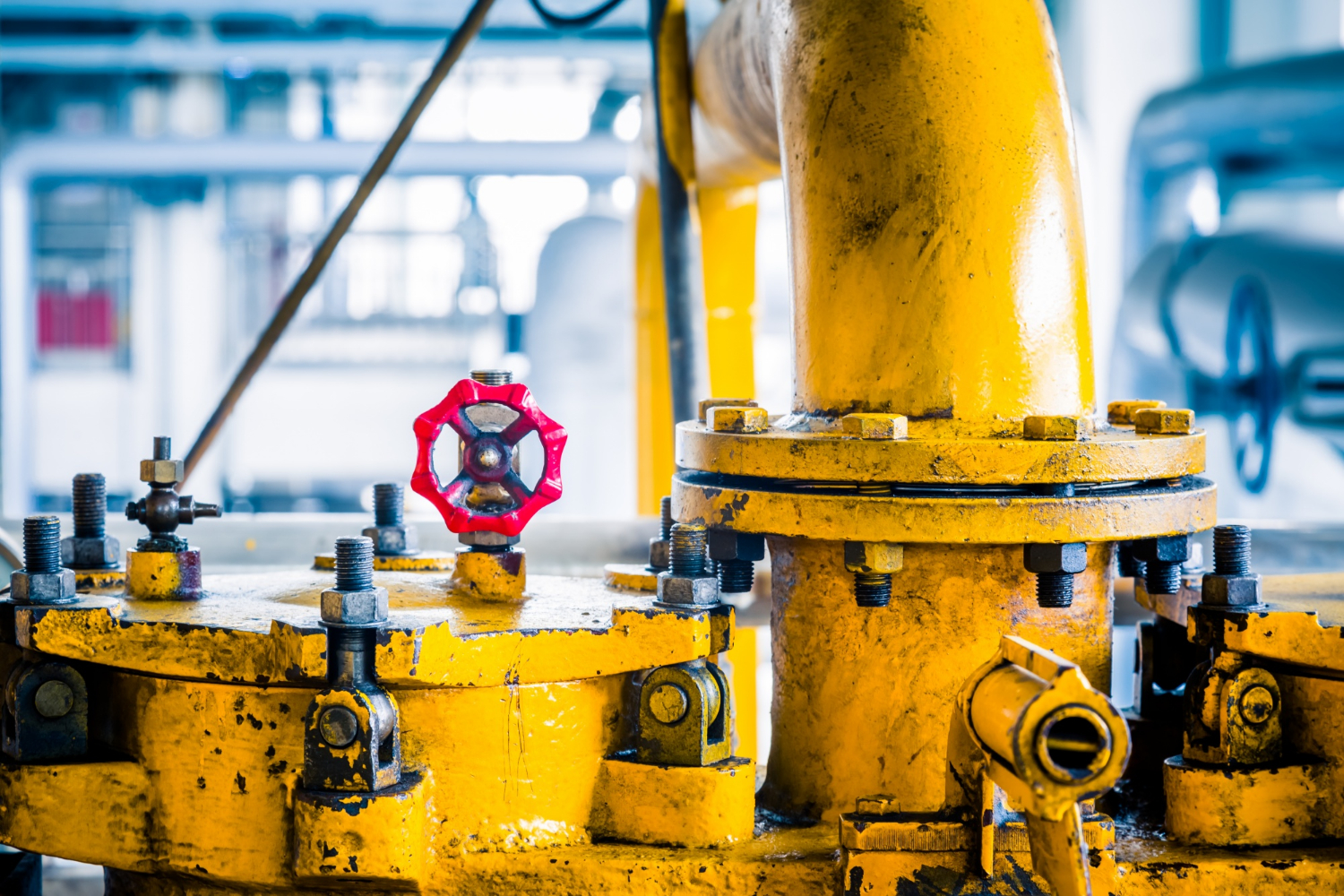



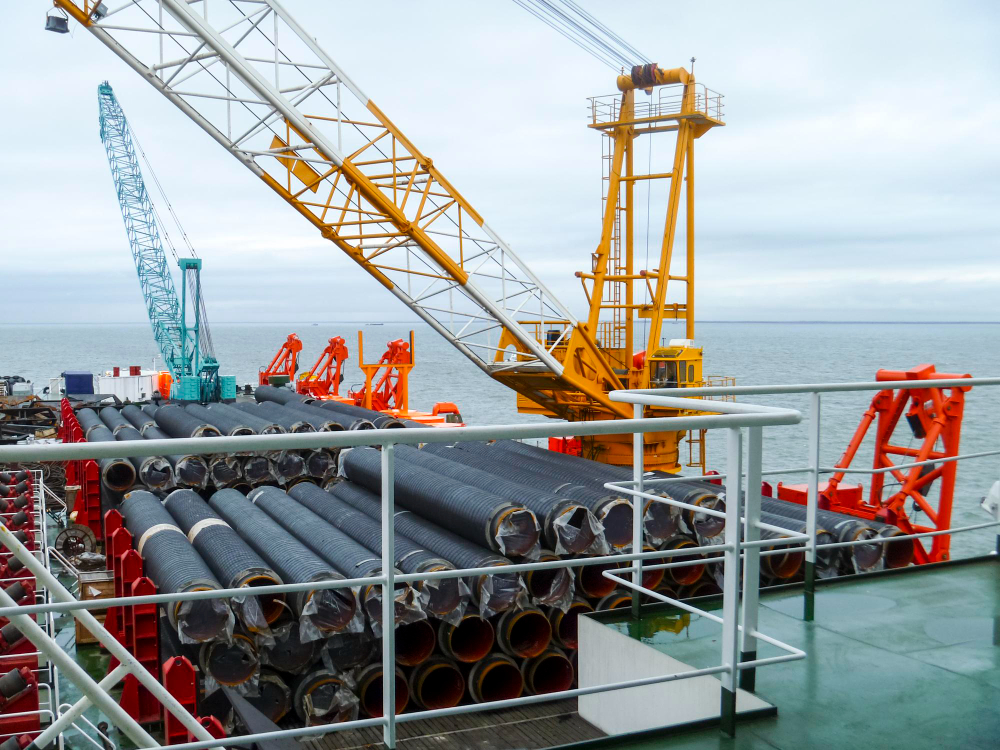
Stainless Steel Buttweld Fittings For Offshore Shipbuilding And Platform Piping
Read More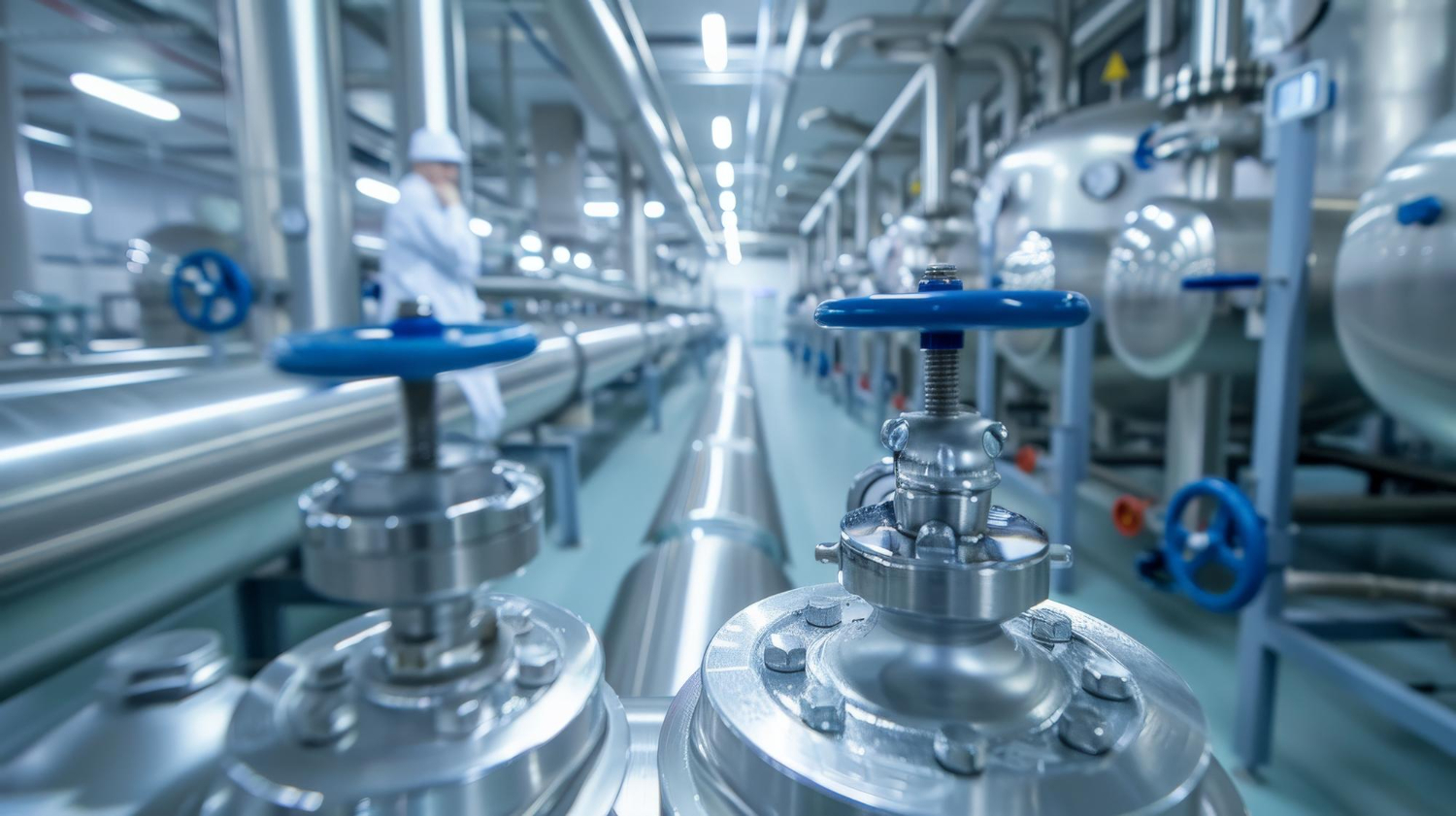
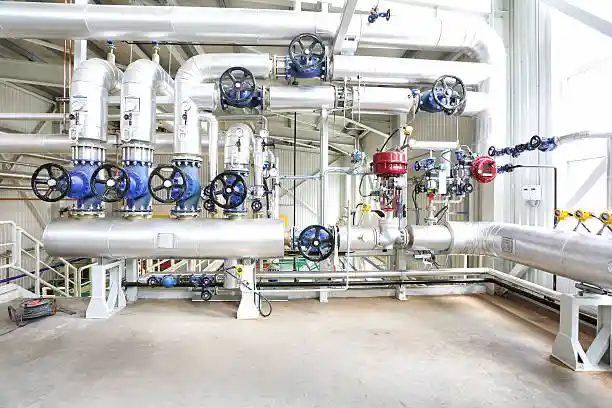
Industrial Valves, Hoses & Gaskets: Alkun Steel’s Solutions for the Tanks & Pumps Industry
Read More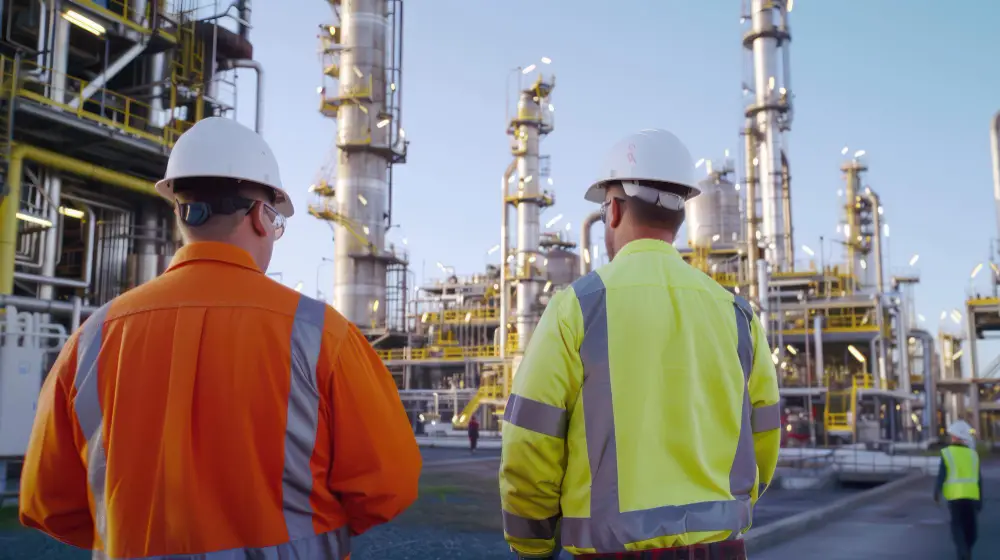
Corrosion-Resistant Valves, Flanges & Joints: Alkun Steel’s Petrochemical Solutions
Read More
Why Alkun Steel Is A Reliable Supplier Of Essential Products In The Oil Drilling & Rig Industry
Read More


Reliable Industrial Components For Fire Fighting Applications: Alkun Steel’s Trusted Solutions
Read More
Why Alkun Steel Is A Reliable Supplier Of Essential Products In The Fabrication Industry
Read More

Industrial Valves, Hoses & Gaskets: Alkun Steel’s Solutions For Aviation Maintenance
Read More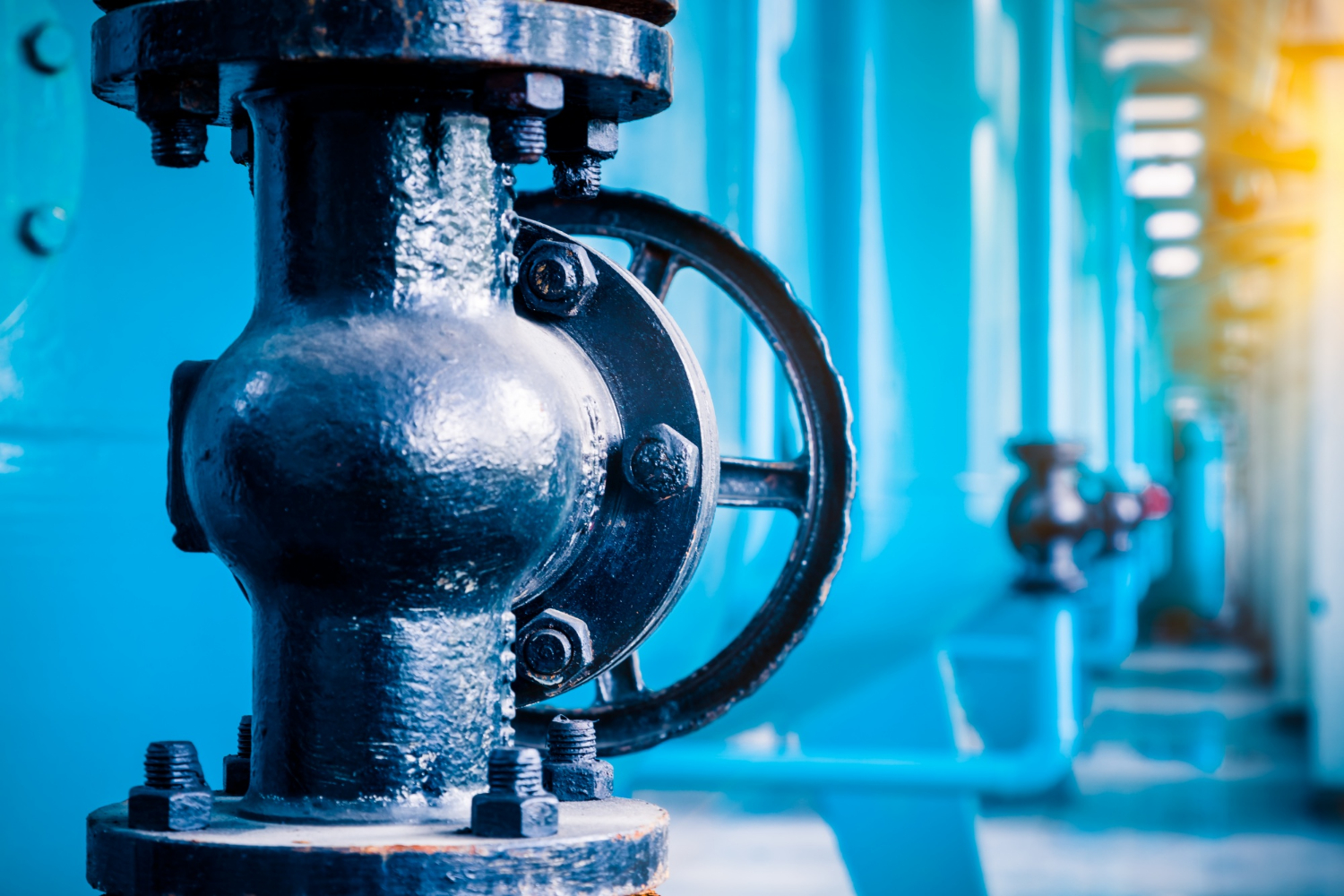

Best Weld Neck, Slip-On, And Blind Flanges For Critical Oil & Gas Connections
Read More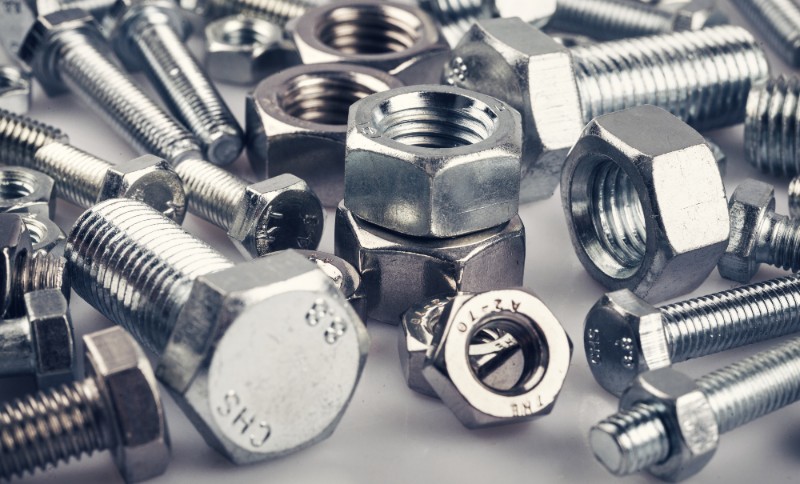
Best Industrial Fasteners for Heavy Equipment Assembly and Structural Steel Projects
Read More