The Role of Gaskets, Seals, and Expansion Joints in Fire Safety Systems
A fire safety system is only as strong as its weakest connection. Most people picture the sprinkler heads, the suppression agents, the pipes carrying water under pressure, the alarms doing their job in the ceiling. What they rarely picture is the gasket sitting between two flanged joints, or the seal wrapped around a pipe penetration, or the expansion joint absorbing thermal stress as temperatures spike in an emergency. These components don't command attention. But when they fail, everything else fails with them.
The gap between a fire system that works and one that doesn't is often not a design failure at the macro level. It's a material choice no one thought carefully about, a seal that wasn't rated for the temperatures it would face, an expansion joint that couldn't handle the movement it was asked to absorb. That's what this blog is about: the components that don't make the headlines but carry the weight of the entire system when it counts most.
Why Every Fire Safety System Depends On More Than Pipes & Valves?
Fire protection systems are complex networks of pipes, valves, pumps, sprinkler heads, and suppression agents, all designed to work together the moment an emergency triggers them. Every link in that chain matters. A system that leaks pressure, allows backflow, or ruptures at a joint under thermal stress is not a fire safety system; it's a liability.
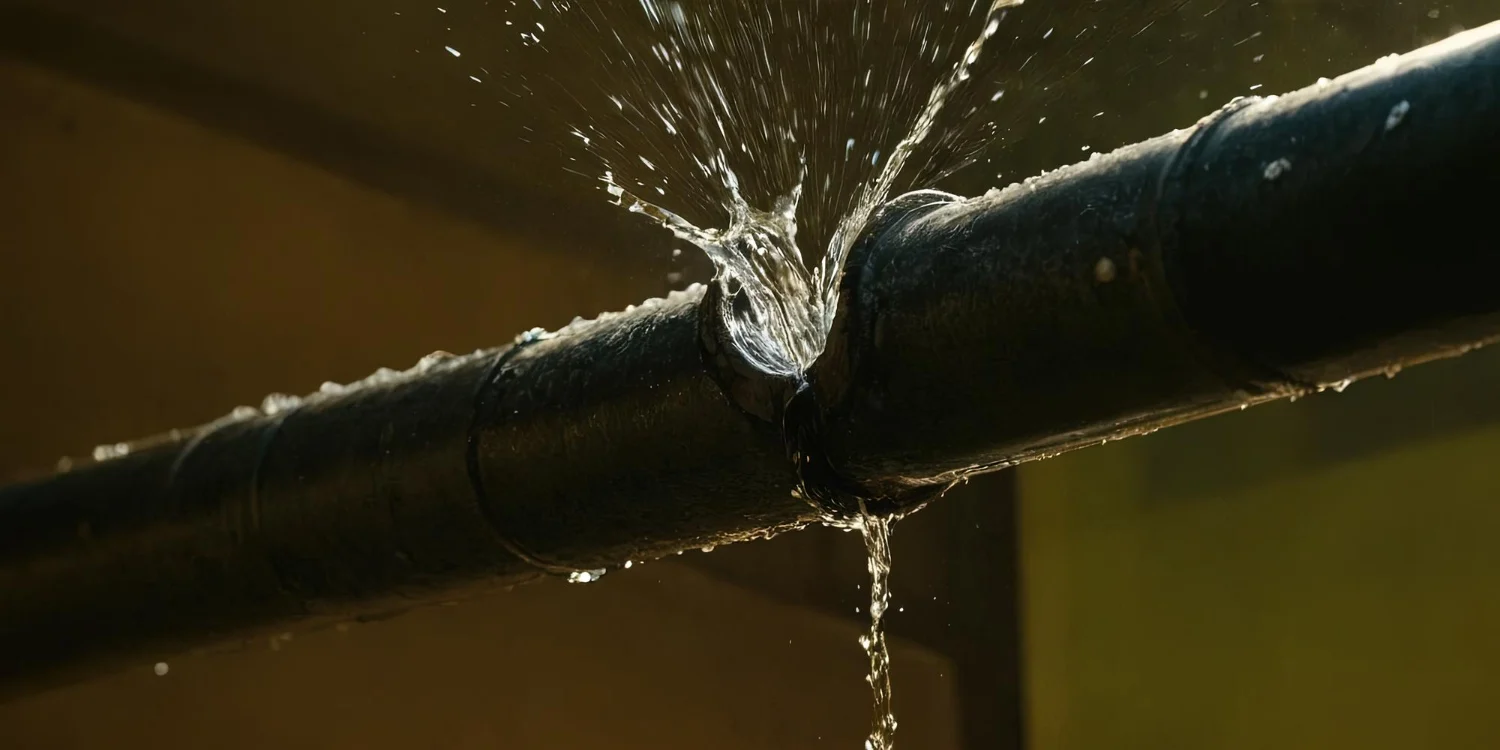
Leak prevention and pressure containment are not secondary concerns in this context. They are the baseline. When fluids under high pressure are moving through a network that has been exposed to extreme heat, even a minor failure at a flanged connection or mechanical joint can escalate from a manageable situation into a catastrophic one. That's where fire resistant gaskets, seals, and expansion joints come in.
Understanding The Challenges Fire Safety Systems Face
Fire suppression systems face a set of conditions that most industrial piping systems simply never encounter. Temperature swings during an active fire event can be severe and sudden, with temperatures in the surrounding environment climbing rapidly enough to cause metals to expand, elastomers to degrade, and joints to shift.
On top of thermal stress, these systems operate under pressure. Pressure that needs to stay contained so that suppression agents reach their target. A gasket or seal that burns, melts, or loses its resilience under heat doesn't just cause a leak, it can actually feed the fire by releasing additional flammable media into the environment. The challenge is not just making components that perform under normal conditions but sourcing ones that continue performing when conditions become genuinely dangerous.
The Role Of Gaskets In Fire Safety Systems
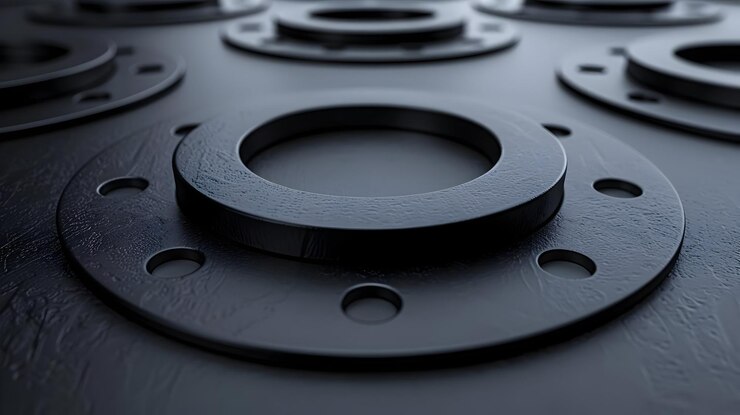
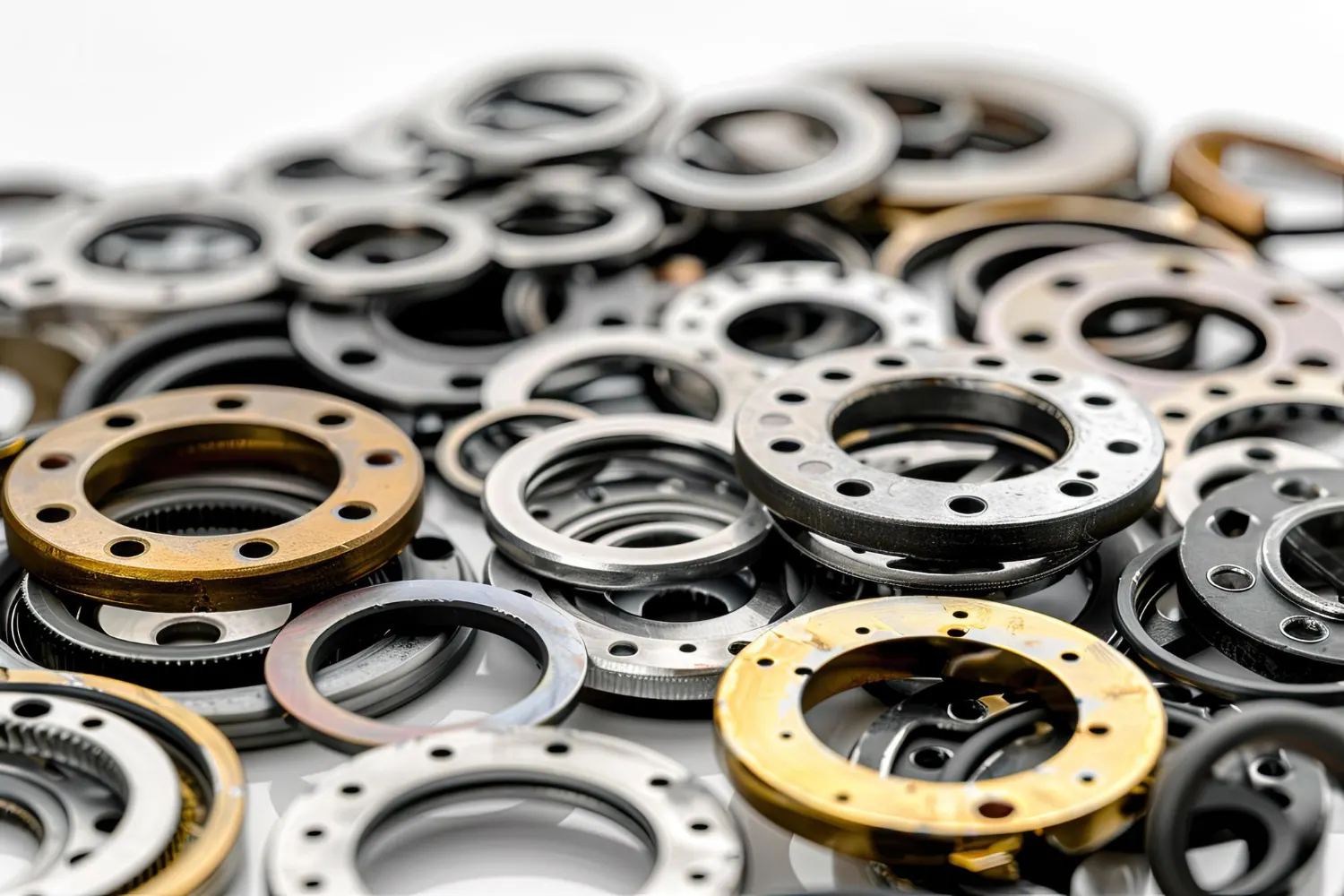
A fire safe gasket is not simply a gasket made of heat-resistant material. It's a component engineered to maintain its sealing performance even when the surrounding system is under the thermal and mechanical stress of an active fire event. Here's what it does in fire safety systems:
Preventing Leakage at Flanged Connections
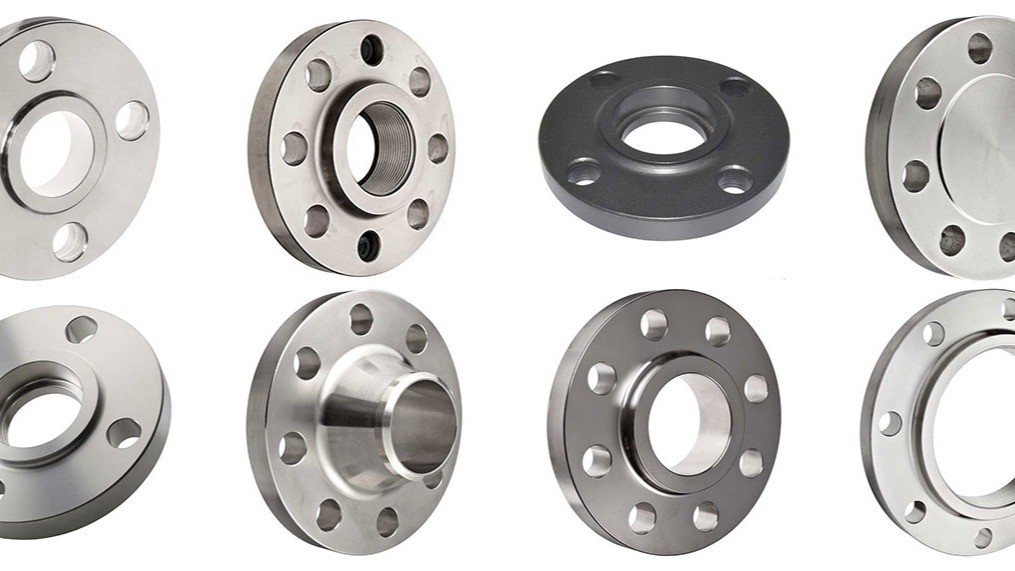
Every flanged connection in a fire suppression network is a potential failure point if the wrong gasket is in place. A fire resistant gasket is designed to maintain its structural integrity and compression resilience even as temperatures climb, keeping the connection sealed so that the suppression agent stays where it belongs: in the pipe, moving toward the fire.
Maintaining Pressure Integrity During Emergencies
One of the more subtle failure modes in high-temperature flange connections is the thermal stretching of the tie rods holding the flanges together. As the bolts expand, the gap between flange faces widens, and a conventional gasket cannot adapt to this change. Fire safe gaskets are engineered with the resilience to fill that expanded gap, maintaining a tight seal even as the mechanical geometry of the joint shifts under heat.
The Role Of Seals In Fire Safety Systems
Fire resistant seals serve a different but equally important function from gaskets. Where gaskets sit between flanged faces, seals work across a broader range of connection types and mechanical interfaces. Getting this right is what separates a passive fire protection system that holds its rating from one that fails inspection.
Here's where seals do their most important work:
Creating Reliable Leak-Tight Closures
At pipe penetrations through fire-rated walls and floors, a seal keeps fire, smoke, and toxic gases from passing through to the next compartment. Intumescent seals are particularly effective here because they expand when exposed to heat, actively closing any gap created by the softening or melting of a combustible pipe.
Protecting Pumps, Valves, and Mechanical Equipment
Mechanical seals on pumps and valves in fire suppression systems face a double threat during a fire event: the heat from the environment and the stress of the system suddenly surging to full operational pressure. Fire-rated mechanical seals incorporate materials, such as graphite or high-temperature elastomers with an integrated fire ring, that bridge this gap and maintain sealing performance even under direct flame exposure.
The Role Of Expansion Joints In Fire Safety Systems
When a fire breaks out in a building, temperatures around the suppression piping can rise sharply in a very short window of time. Pipes, fittings, and the structures they run through all respond to that heat differently, creating movement and mechanical stress throughout the system. A fire fighting expansion joint exists specifically to absorb that movement without transferring it as damaging stress to the pipe or the connections around it.
Here's why they matter:
Absorbing Thermal Expansion & Contraction
As fire suppression piping heats up during an event, even steel pipe, which has a comparatively low coefficient of thermal expansion, will shift and move within its installation. An expansion joint for fire fighting pipes is placed wherever this movement is anticipated, allowing the pipe to expand and contract freely without placing stress on fixed connections, sprinkler heads, or structural penetrations.
Reducing Stress on Pipes & Equipments
Beyond thermal movement, expansion joints protect the broader system from the stress caused by building settlement, seismic activity, and operational pressure surges. When a fire suppression system activates under emergency conditions, the sudden pressurization of the line creates hydraulic forces that travel through every connection.
How To Select The Right Components for Fire Safety Systems
Selecting fire resistant gaskets, seals, and expansion joints for a fire safety system comes down to three things: understanding the operating environment, verifying the relevant testing standards, and matching the material to the specific application. You need to know the maximum temperatures the component will face and whether the fluid being carried introduces any additional chemical compatibility concerns.
For components going into applications that involve flammable or toxic media, always verify that the gasket or seal carries a recognized fire-safe certification.
Conclusion
The pipes carry the water. The valves control the flow. But gaskets, seals, and expansion joints are what keep the system from becoming a source of additional danger when a real fire emergency strikes. The components covered in this blog are the difference between a fire safety system that functions at its most critical moment and one that fails precisely when it's needed.
Alkun Steel supplies a range of fire resistant gaskets, seals, and expansion joints suited for industrial and commercial fire protection systems across the UAE and beyond. Our approach has always been to understand the application before recommending the component, because in fire safety, the wrong specification is a huge risk. If you're building or upgrading a fire protection system and want to make sure every joint, seal, and expansion point is correctly specified, reach out to us, and we'll work through it with you.
FAQs
1. Why are gaskets important in fire safety systems?
Gaskets create a secure seal between flanged connections, preventing leaks and helping maintain pressure during fire emergencies when system performance is critical.
2. What is the difference between a gasket and a seal?
Gaskets are typically used between stationary surfaces such as flanges, while seals are used in a wider range of applications, including pumps, valves, and pipe penetrations.
3. How do expansion joints contribute to fire protection systems?
Expansion joints absorb thermal expansion, contraction, vibration, and movement, reducing stress on pipes and helping prevent damage during fire events.
4. What materials are commonly used in fire-resistant gaskets and seals?
Fire-resistant gaskets and seals are often manufactured from materials such as graphite, PTFE, high-temperature elastomers, and other fire-rated compounds designed to withstand extreme conditions.
5. How do I choose the right gasket, seal, or expansion joint for a fire safety system?
Selection depends on factors such as operating temperature, pressure, fluid compatibility, fire safety certifications, and the specific requirements of the application.
Related Articles
Valves Used in District Cooling Systems: Types, Functions, and Selection Criteria
Read More
Threaded vs Socket Weld vs Butt Weld Fittings: Which Is Right for Your Project?
Read More
Carbon Steel vs Stainless Steel Pipes: Cost, Performance, and Application Comparison
Read More

How Fire Fighting Valves Ensure Safe and Efficient High-Pressure Water Systems
Read More



Stainless Steel Buttweld Fittings For Offshore Shipbuilding And Platform Piping
Read More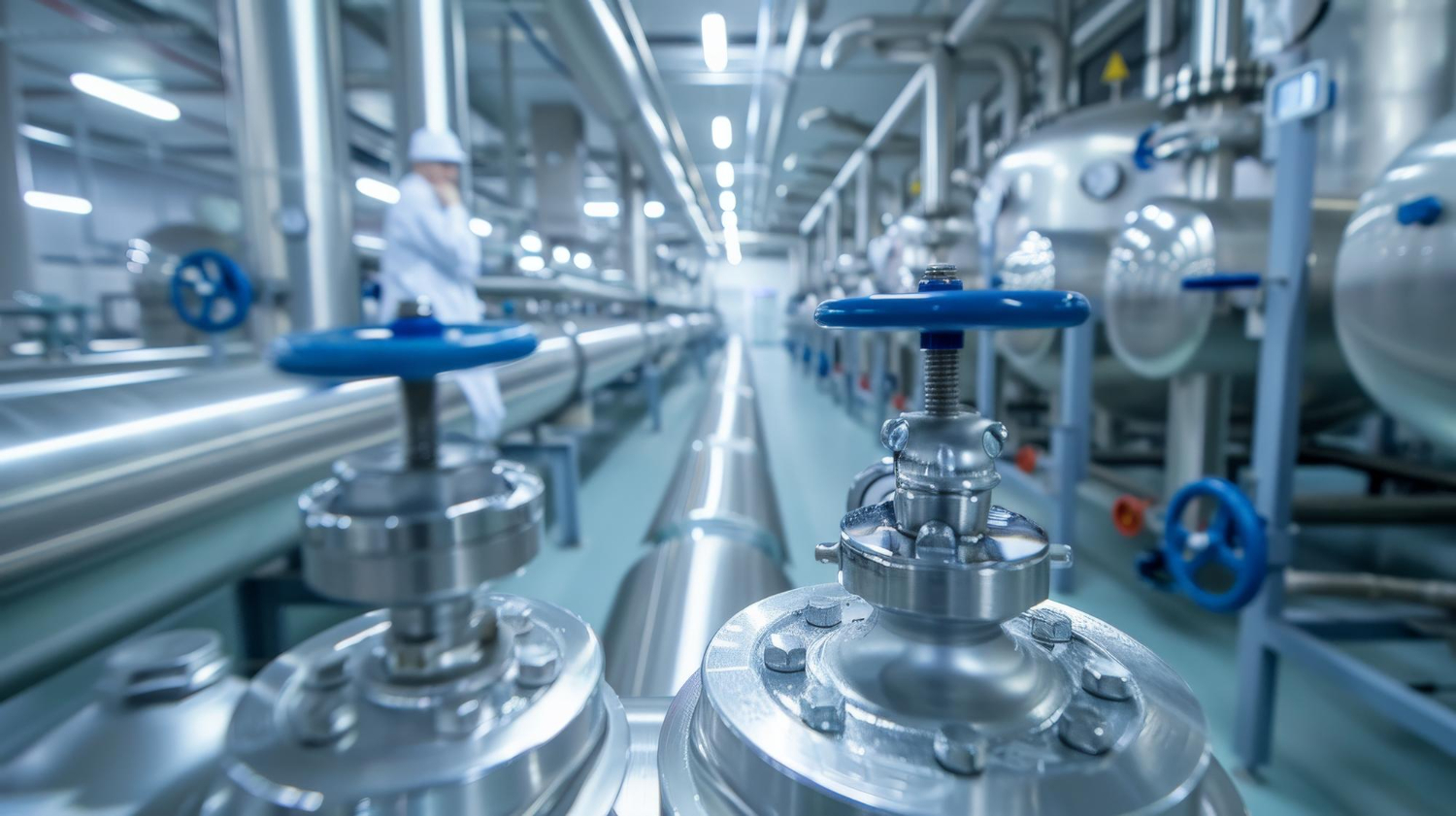
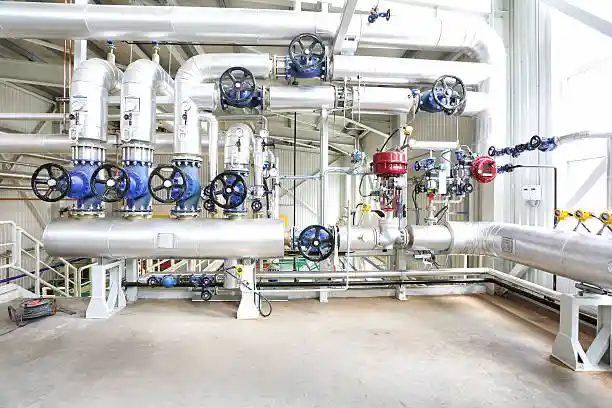
Industrial Valves, Hoses & Gaskets: Alkun Steel’s Solutions for the Tanks & Pumps Industry
Read More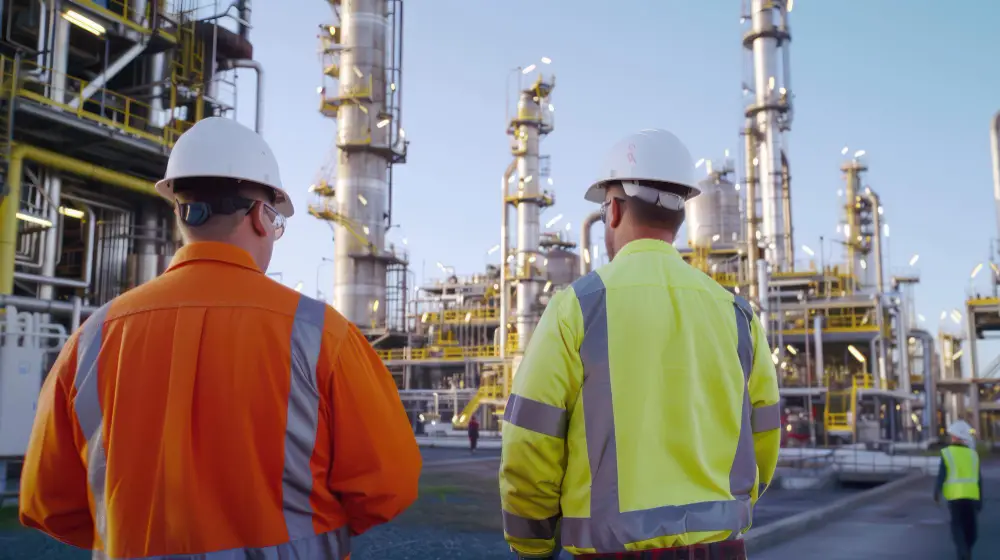
Corrosion-Resistant Valves, Flanges & Joints: Alkun Steel’s Petrochemical Solutions
Read More
Why Alkun Steel Is A Reliable Supplier Of Essential Products In The Oil Drilling & Rig Industry
Read More

Reliable Industrial Components For Fire Fighting Applications: Alkun Steel’s Trusted Solutions
Read More
Why Alkun Steel Is A Reliable Supplier Of Essential Products In The Fabrication Industry
Read More
Industrial Valves, Hoses & Gaskets: Alkun Steel’s Solutions For Aviation Maintenance
Read More

Best Weld Neck, Slip-On, And Blind Flanges For Critical Oil & Gas Connections
Read More
Best Industrial Fasteners for Heavy Equipment Assembly and Structural Steel Projects
Read More