Types of Expansion Joints & Where to Use Them
Industrial pipelines operate under constant stress. The heat from transported fluids causes the pipes to expand, while cooling cycles can lead to contraction. Without flexible components built into the design, these stresses will accumulate, and they will eventually lead to cracks, leaks, or even equipment damage. Expansion joints help overcome this obstacle. They allow pipelines to move safely without much compromise.
Alkun Steel plays an important role in supplying these components to industries that depend on reliable piping systems. We’re known as one of the best expansion joint suppliers in UAE. Our engineered joints help pipelines absorb movement and maintain stability. From chemical plants to power stations, the right expansion joint makes sure that piping systems can function safely even under demanding operating conditions.
Benefits of Using Expansion Joints
Before getting into the different types, it helps to understand what expansion joints actually do inside a piping system, because they are doing more than most people realize.
Absorbing Thermal Expansion
Heat makes metal grow. In a short pipe run that might not be noticeable, but in an industrial pipeline stretching across a facility, even a modest temperature increase causes measurable movement. If the system is rigid with no room to flex, that movement pushes stress into welds, flanges, and connection points.
Reducing Vibration in Piping Systems
Pumps, turbines, and compressors do their job well, but they also send vibration through every pipe they are connected to. That vibration does not disappear. It travels, and over time it weakens joints and wears down components in ways that are not always visible until something fails.
Compensating for Misalignment
Getting every section of a long pipeline to sit in perfect alignment is genuinely difficult. Ground settlement shifts things over time. Installation tolerances introduce small deviations. Structural movement does the rest. Left unaddressed, these misalignments concentrate stress at specific points in the pipeline until those points give way.
Types of Expansion Joints
Not every expansion joint is built the same way. The type used in a given pipeline depends on where the movement is coming from, how much of it there is, and what the operating conditions look like.
Flanged Joints
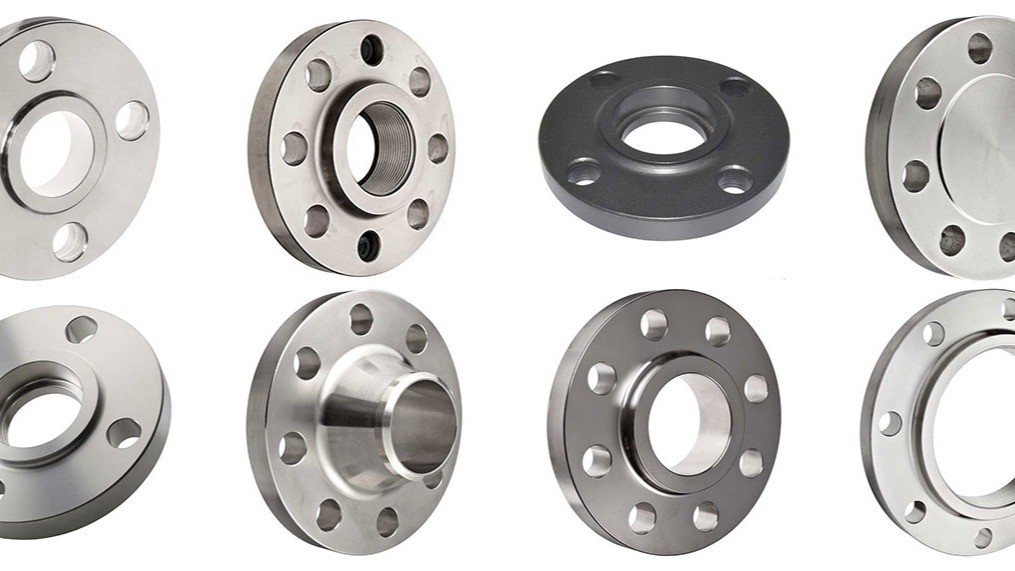
Flanged joints come with flanges on both ends that bolt directly into the pipeline. This makes installation and removal straightforward, which matters in systems that need periodic maintenance or inspection. The flanged connection holds a reliable seal while still letting the joint do its job of absorbing movement.
Single Bellows Expansion Joints
This is probably the most common configuration in industrial piping. A single bellows section sits within the joint and flexes along the axis of the pipe as movement occurs. A stainless steel expansion joint using this design handles high temperatures and pressures well, which is why it shows up so often in demanding industrial environments.
Universal Expansion Joints
Universal joints use two bellows connected by a central pipe section. That arrangement gives them the ability to handle both axial and lateral movement, which makes them useful in complex piping layouts where the direction of movement is not always predictable. Long pipelines dealing with both thermal expansion and structural shifts tend to benefit from this type.
Hinged Expansion Joints
Hinged joints use hinge mechanisms to allow movement in a single plane while keeping the rest of the joint stable. The hinges control how the joint bends and stop excessive stress from reaching the bellows. Pipelines that experience angular rotation are where this design tends to be specified.
Lateral Expansion Joints
Where other joints handle movement along the pipe's length, lateral expansion joints are built specifically for sideways movement. When thermal shifts or structural changes push a pipeline perpendicular to its axis, a lateral joint absorbs that force and keeps the surrounding equipment and pipe supports from taking the load.
Where Are Expansion Joints Used
Expansion joints are used across many industrial sectors where pipelines must handle heat, pressure, and mechanical movement.
Power Generation Plants
Power plants operate with high-temperature steam and pressurized fluids. These conditions create significant expansion within pipelines. Expansion joints help absorb this movement and protect boilers, turbines, and steam lines from stress.
Oil and Gas Facilities
The piping networks in oil and gas processing plants are extensive and carry everything from crude oil to refined fuels to chemicals. Expansion joints allow those pipelines to expand and contract through operational cycles without developing structural problems.
Chemical Processing Industries
Corrosive fluids and high-temperature reactions make material selection critical in chemical plants. A stainless steel expansion joint holds up in these environments because the material resists both corrosion and heat without losing structural strength.
Water Treatment Plants
Water treatment facilities use large pipeline systems to transport water through filtration, treatment, and distribution processes. Expansion joints help maintain the stability of these pipelines while allowing movement caused by pressure changes and temperature variation.
Why Alkun Steel Is the Best Expansion Joint Supplier in UAE
Picking a supplier is not just about the price. An expansion joint that is not designed for the actual conditions of your pipeline, whether that means the pressure rating, the temperature range, or the type of movement involved, is going to cause problems down the line.
Alkun Steel has developed a strong standing among expansion joint suppliers in Dubai through a combination of engineering accuracy and being consistent in manufacturing. Our products are built to handle industrial environments where the margin for error is small, and their use of stainless steel construction means the joints hold up under high temperatures and corrosive exposure.
Conclusion
Every industrial pipeline deals with heat, pressure, and mechanical movement on a daily basis. Without components designed to absorb those forces, the stress has nowhere to go except into the pipe walls, the welds, and the equipment connected to the system.
Expansion joints solve that problem. Different types handle different kinds of movement, and choosing the right one for a given application matters as much as the quality of the joint itself. From power plants to water treatment facilities, these components are what allow pipelines to keep running without constant maintenance and unplanned failures.
Working with experienced expansion joint suppliers in UAE, such as Alkun Steel, means getting reliable components capable of supporting long-term operations.
FAQs
- What are the different pipe expansion joint types used in industrial systems?
Common pipe expansion joint types include flanged joints, single bellows expansion joints, universal expansion joints, hinged expansion joints, and lateral expansion joints. Each type is designed to handle specific types of movement such as axial, lateral, or angular displacement. - Why are expansion joints important in industrial pipelines?
An expansion joint helps pipelines absorb thermal expansion, vibration, and pressure changes. This prevents stress from building up in the pipes and protects connected equipment from damage. - Where are pipe expansion joints commonly used?
Pipe expansion joints are widely used in power plants, oil and gas facilities, chemical processing plants, HVAC systems, and water treatment plants where pipelines experience temperature changes and mechanical movement. - Why are stainless steel expansion joints preferred in many industries?
A stainless steel expansion joint offers high strength, corrosion resistance, and durability. These properties make it suitable for high-pressure and high-temperature industrial environments. - How do I choose reliable expansion joint suppliers in UAE?
When selecting expansion joint suppliers in UAE, look for companies with strong engineering expertise, high-quality materials, proper testing standards, and experience supplying to industrial sectors.
Related Articles

The Complete Buyer's Guide to Industrial Gratings: GI vs Stainless Steel vs Aluminium vs Ductile Iron
Read More

Chequered Plate Buying Guide: MS vs GI vs Stainless Steel Checker Plates Compared
Read More
C-Channel vs U-Channel: Sizes, Uses & How to Choose the Right Structural Steel Channel
Read More


Valves Used in District Cooling Systems: Types, Functions, and Selection Criteria
Read More
Threaded vs Socket Weld vs Butt Weld Fittings: Which Is Right for Your Project?
Read More
Carbon Steel vs Stainless Steel Pipes: Cost, Performance, and Application Comparison
Read More


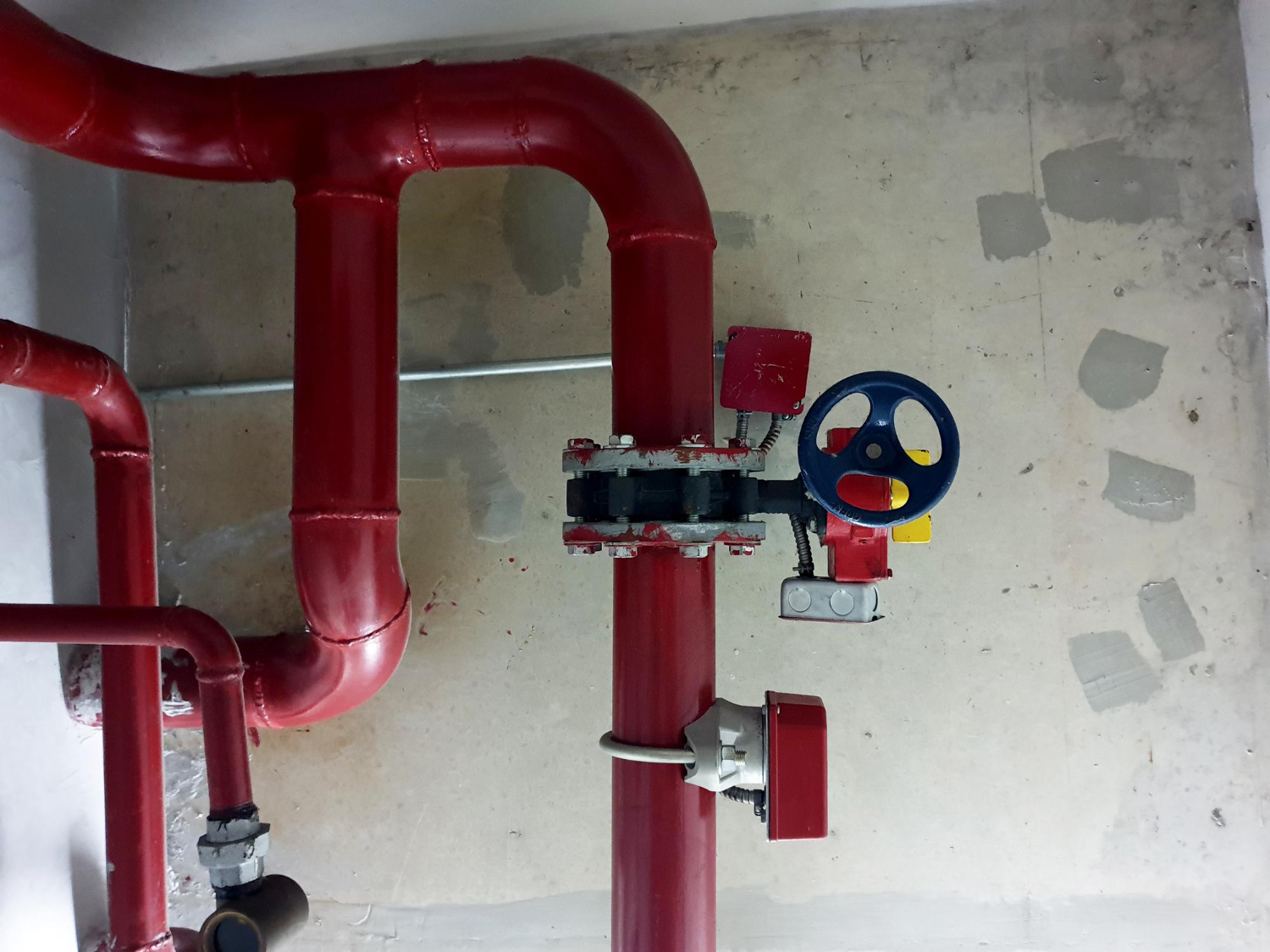
How Fire Fighting Valves Ensure Safe and Efficient High-Pressure Water Systems
Read More


Stainless Steel Buttweld Fittings For Offshore Shipbuilding And Platform Piping
Read More
Industrial Valves, Hoses & Gaskets: Alkun Steel’s Solutions for the Tanks & Pumps Industry
Read More
Corrosion-Resistant Valves, Flanges & Joints: Alkun Steel’s Petrochemical Solutions
Read More
Why Alkun Steel Is A Reliable Supplier Of Essential Products In The Oil Drilling & Rig Industry
Read More


Reliable Industrial Components For Fire Fighting Applications: Alkun Steel’s Trusted Solutions
Read More
Why Alkun Steel Is A Reliable Supplier Of Essential Products In The Fabrication Industry
Read More
Industrial Valves, Hoses & Gaskets: Alkun Steel’s Solutions For Aviation Maintenance
Read More

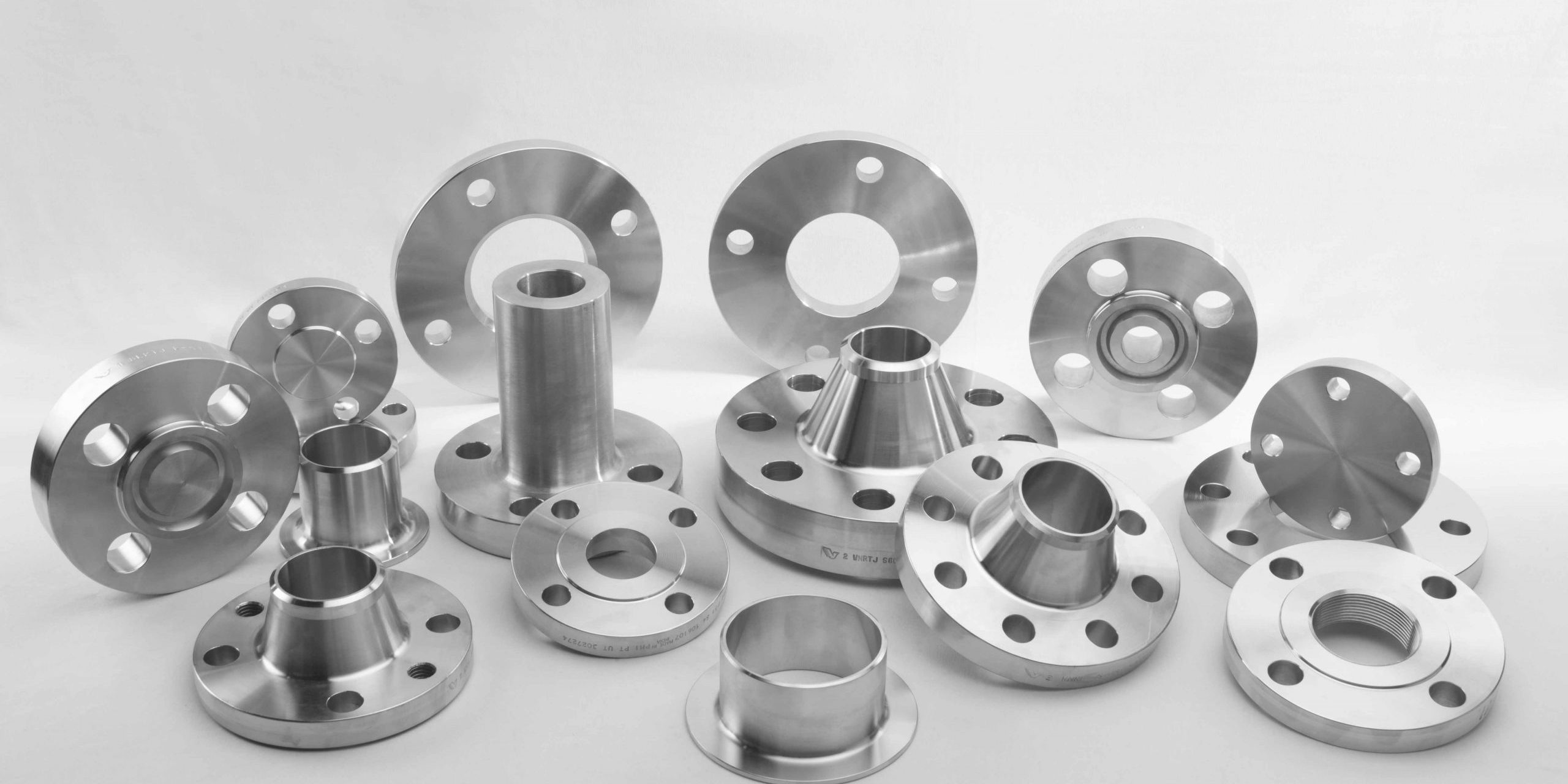
Best Weld Neck, Slip-On, And Blind Flanges For Critical Oil & Gas Connections
Read More
Best Industrial Fasteners for Heavy Equipment Assembly and Structural Steel Projects
Read More