Ball Valve vs Butterfly Valve: Which Is Better for Industrial Applications?
A valve looks like a small part of a big system, but it shapes how well the whole line performs. The right choice keeps flow steady, cuts downtime, and holds down what you spend over the life of the plant. The wrong one leaks, wastes pumping energy, or fails early. That is why industrial valve selection deserves more attention than it usually gets, especially when you are dealing with industrial valves that run for years under pressure.
The ball valve vs butterfly valve question comes up all the time because both are quarter-turn valves, and both can handle isolation duty on many of the same lines. Neither one is better in every situation. The right pick depends on pressure, temperature, pipe size, the fluid, available space, how often the valve cycles, and whether you need simple on/off or some degree of control.
What Is a Ball Valve?
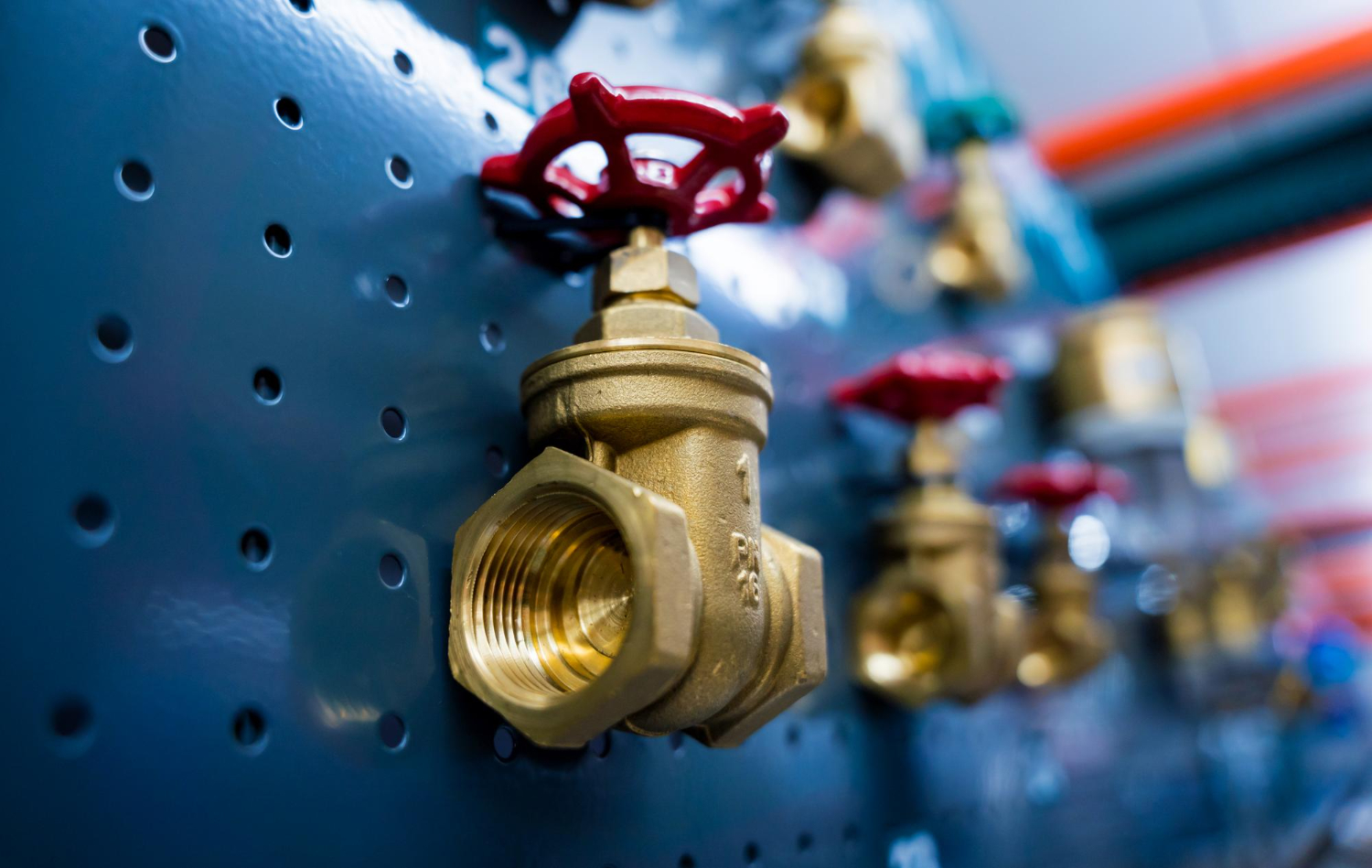
A ball valve is a quarter-turn valve that uses a round ball with a hole through its center to start or stop flow. When the hole lines up with the pipe, fluid passes through. When you turn the ball 90 degrees, the solid side blocks the line. It is one of the most common industrial valves for clean, positive shutoff.
How Does a Ball Valve Work?
The ball sits between two seats inside the valve body and is connected to a stem that runs up to a handle or actuator. Turn the stem a quarter turn, and the ball rotates with it. In the open position, the bore matches the pipe and fluid moves straight through. In the closed position, the ball presses against the seats and seals the line. In larger or higher-pressure designs, the ball is held in place by trunnions so the seats carry less load.
Main Components of a Ball Valve
A ball valve has only a handful of parts, but each one affects how it seals and how long it lasts.
Here are the parts you will find in most designs:
- Body: The outer shell that holds everything together and connects the valve to the pipe.
- Ball: The rotating element with a bore that opens or blocks the flow.
- Stem: The shaft that carries the turning force from the handle or actuator to the ball.
- Seats: The sealing rings that press against the ball to stop leakage.
- Seals/packing: The elements that keep fluid from escaping around the stem.
- Actuator or handle: The part you use to turn the valve, by hand or by powered drive.
Advantages of Ball Valves
Ball valves earn their place on critical lines for a few clear reasons.
- Tight shutoff: The seats grip the ball closely all the way around. Leakage stays very low when the valve is closed.
- Low pressure loss with full-port designs: The bore matches the pipe, so fluid passes with very little resistance. That saves pumping energy over time.
- Fast quarter-turn operation: A 90-degree turn is all it takes to open or close the valve. That makes it quick to operate and easy to automate.
- Strong suitability for many pressure-intensive services: Forged and trunnion-mounted designs carry heavy loads well. They are built for lines where pressure is a daily concern.
- Full-bore options: The opening is the same size as the pipe itself. Flow stays smooth, and debris has fewer places to collect.
- Potential for pigging applications: A full-bore ball valve lets cleaning and inspection tools pass straight through the line. That makes maintenance on long pipelines much easier.
Limitations of Ball Valves
Ball valves are strong performers, but they are not right for every job. Cost and weight are the first things you will notice as the size goes up.
Keep these points in mind:
- Weight and cost can increase at larger sizes
- Standard ball valves are generally not intended for precision throttling
- Seat compatibility can limit temperature/media suitability
- Actuator torque and sizing must be considered
Where Are Ball Valves Commonly Used?
You will find ball valves wherever tight shutoff and strong pressure handling matter most.
- Oil and gas: Ball valves handle wellhead, gathering, and transmission duties. Their sealing and pressure ability suit these lines well.
- Chemical/process systems: The right seat and body materials can cope with many aggressive fluids. That makes them a regular choice in process plants.
- Gas service: Their tight sealing helps keep leakage under control. That matters a lot when the fluid is flammable.
- High-pressure systems: The body and ball design carry heavy loads with ease. Many other valve types struggle at these levels.
- Pipeline isolation: A quick quarter turn can cut off a section when needed. Full-bore versions keep the line clear when open.
- Cryogenic service where specifically designed: Extended bonnets and suitable materials make low-temperature duty possible. Always confirm the design is rated for the service.
What Is a Butterfly Valve?
A butterfly valve is a quarter-turn valve that uses a flat disc mounted on a central stem to control flow. When the disc sits parallel to the flow, fluid passes around it. When it turns across the pipe, the line is closed. It is light, compact, and a common choice among valve types for industrial applications that involve large pipe diameters.
How Does a Butterfly Valve Work?
The disc is attached to a stem that passes through the valve body, and a handle, gear, or actuator turns it. In the open position, the disc lines up with the flow but still stays in the middle of the pipe. In the closed position, the disc turns across the bore and presses against a seat that lines the inside of the body. Because the disc only needs a quarter turn, the valve opens and closes quickly and takes up very little space.
Main Types of Butterfly Valves
Butterfly valves come in a few designs, and each one is built for a different level of duty.
Here is how the common types break down:
- Concentric/resilient-seated: The stem sits in the center of the disc, and the seat is soft. This is the simplest design and the one you will see most in water and HVAC lines.
- Double-offset: The stem is moved off the disc center and off the pipe centerline. This reduces seat wear and handles higher pressures than concentric designs.
- Triple-offset/metal-seated: A third offset creates a cam-like closing action with very little rubbing. These valves suit higher temperatures and tougher services.
- Wafer, lug and flanged configurations: These describe how the valve connects to the pipe. Wafer is the lightest, lug allows end-of-line service, and flanged is the strongest for heavy-duty lines.
Advantages of Butterfly Valves
Butterfly valves win on size, weight, and cost, and that makes them popular on big lines.
- Compact construction: The body is slim and easy to fit into tight pipe racks and plant rooms. That gives designers more freedom with layout.
- Lower weight: Even at larger sizes, the valve stays light. Handling and pipe support become much simpler.
- Short face-to-face dimensions: The valve takes up very little pipe length. That saves space and cuts the amount of pipework you need.
- Attractive economics at larger diameters: A large butterfly valve usually costs far less than a ball valve of the same size. The savings grow as the pipe gets bigger.
- Suitable for many water, HVAC, and utility services: In these lines, the pressure loss is easy to accept. The valve does the job at a lower cost.
- Automation compatibility: The quarter-turn motion pairs well with electric and pneumatic actuators. That makes remote operation simple.
Limitations of Butterfly Valves
Butterfly valves are efficient and economical, but their design brings a few trade-offs. The disc never leaves the flow path, so some resistance is always there.
Watch for these points:
- Disc remains in the flow path
- Pressure drop can be higher than a full-port ball valve
- Seat/material limitations depend on design
- Some configurations have limitations at higher pressures/temperatures
- Precise control depends on the valve design and application
Where Are Butterfly Valves Commonly Used?
Butterfly valves show up most on large lines where space, weight, and cost matter more than the last bit of flow efficiency.
- Water distribution: Large mains need valves that are light and economical. Butterfly valves fit that need well.
- Water treatment: They handle intake, filtration, and discharge lines with ease. Their simple design also keeps upkeep straightforward.
- HVAC: Chilled and hot water loops use them for isolation and balancing. Their small footprint helps in crowded plant rooms.
- District cooling: These networks run very large pipes over long distances. The savings in cost and space add up quickly.
- Utility networks: Compressed air, cooling water, and similar lines often use them for general isolation. They are easy to install and easy to automate.
- Fire-protection systems where appropriately listed/approved: Butterfly valves are common on sprinkler and hydrant lines. Always check the required approvals before you install one.
Ball Valve vs Butterfly Valve: Which Performs Better?
The honest answer is that it depends on which kind of performance you care about. A ball valve may win on sealing and pressure, while a butterfly valve wins on size and weight. Understanding the difference between ball valve and butterfly valve across each factor makes the right pick much clearer.
Here is how they compare, one factor at a time:
Shutoff and Leakage Performance
Ball valves generally have the edge here. The ball presses firmly against the seats all the way around, which gives a very tight seal. Butterfly valves can also seal well, especially double and triple-offset designs, but a standard concentric valve will not match a good ball valve on tight shutoff.
Pressure and Temperature Capability
For high pressure, ball valves are usually the stronger option. Their body and ball design carry heavy loads, and forged versions go well beyond what most butterfly valves handle. Butterfly valves cover moderate pressures easily, and triple-offset designs push into higher temperatures, but you need to check the rating for each specific model.
Flow and Pressure Drop
A full-port ball valve leaves the pipe almost completely open, so flow passes with very little loss. A butterfly valve keeps its disc in the middle of the flow, which always adds some resistance. On short or low-pressure lines, you will barely notice it, but on long lines with big pumps it can add up.
Isolation vs Throttling
Both valves are mainly built for isolation. A standard ball valve should not be left partly open for long, because the seats can wear quickly. A butterfly valve handles partial opening better, which is why it is often used for rough flow adjustment, while fine control calls for a V-port ball valve or a dedicated control valve.
Pipe Size, Weight and Installation Space
This is where butterfly valves shine. They are slim and light, so they fit tight spaces and need less support. A ball valve in a large size can be heavy and bulky, which raises handling and installation effort.
Operating Torque and Automation
Both valves work well with actuators, but sizing differs. Ball valves need enough torque to overcome seat friction, and that grows quickly with size and pressure. Butterfly valves can need high torque near the closed position under flow, so the actuator must be sized for real operating conditions.
Service Life and Maintenance
Both valves last a long time when matched to the service. Ball valve seats are the main wear point, and replacing them can mean taking the valve out of the line in some designs. Butterfly valve seats and discs wear too, but the simpler build often makes servicing quicker, especially in wafer and lug designs.
Ball Valve vs Butterfly Valve Cost: What Should You Actually Compare?
The price on the quote is only part of the story. A cheaper valve can cost more once you add actuators, installation, maintenance, and energy use. A smart cost comparison looks at the full picture.
Here is what to compare:
Initial Valve Cost
Butterfly valves usually cost less, especially in larger sizes. Ball valves tend to cost more as the diameter and pressure rating go up.
Actuator and Accessories
The valve is only one part of the bill. A heavy ball valve may need a larger actuator, while a butterfly valve often pairs with a smaller one.
Installation and Handling Cost
Weight changes how much equipment and labor you need on site. Lighter butterfly valves are easier to lift, position, and support.
Maintenance and Spare Parts
Think about how often you will need to service the valve. Easy access to seats and seals can save a lot of downtime.
Pressure-Loss and Operating Cost
A valve that restricts flow forces your pumps to work harder. Over many years, that extra energy can outweigh a lower purchase price.
Which Valve Is Better for Different Industrial Applications?
No single valve wins everywhere, so it helps to look at the service itself. Each industry has its own mix of pressure, fluid, and space limits. Think of this as a quick valve selection guide by sector.
Here is how the choice usually plays out:
Oil and Gas
Ball valves are the usual pick for high-pressure and hydrocarbon service. Butterfly valves, especially triple-offset types, are used on larger utility and cooling lines.
Water Treatment and Distribution
Butterfly valves are the common choice for large water lines. They are light, economical, and easy to automate.
HVAC and District Cooling
Butterfly valves dominate here because pipes are large and space is limited. Ball valves still make sense for smaller branches and tight isolation points.
Fire Protection
Butterfly valves are widely used on sprinkler and hydrant lines, as long as they are listed and approved for the purpose. Always confirm the approval before you install anything.
Industrial Manufacturing and Utilities
Both valves show up in plants. Ball valves suit tight shutoff on process lines, while butterfly valves handle big utility and cooling water runs.
Marine Applications
Butterfly valves suit ballast and seawater lines where weight and space are limited. Ball valves are common on fuel and smaller high-pressure lines, as long as the materials resist corrosion.
How to Choose Between a Ball Valve and Butterfly Valve
The best choice comes from asking a few simple questions about your system. If you work through them in order, the right option usually becomes clear. This is the core of any good ball valve vs butterfly valve decision.
Here is a simple checklist to follow:
Evaluate Pressure Requirements
Start with the maximum pressure and temperature of the line. If you are working at high pressure, ball valves usually give you more headroom.
Consider Pipe Size
Small and medium pipes suit ball valves well. As the diameter grows, butterfly valves become more attractive for cost and weight.
Understand Fluid Characteristics
Look at whether the fluid is clean, abrasive, corrosive or carries solids. The seat and body materials need to match the fluid, or wear will come fast.
Assess Space Availability
Check how much room you have around the pipe. Butterfly valves fit into tight spots far more easily.
Review Maintenance Needs
Think about how often the valve will cycle and how easily your team can reach it. A valve that is easy to service saves time and money.
Consider Automation Requirements
If the valve will be automated, size the actuator for the real operating torque. Both valve types work well with actuators when matched properly.
Compare Lifecycle Costs
Add up purchase, installation, maintenance, and energy costs over the full service life. The lowest price on day one is not always the lowest cost in year ten.
Common Valve Selection Mistakes to Avoid
Most valve problems start at the selection stage, not on site. A few simple oversights can lead to leaks, early wear, and costly shutdowns. Here are the mistakes we see most often.
Watch out for these:
Choosing Based Only on Purchase Price
A low price can hide higher costs later. Always weigh maintenance, energy and expected life alongside the quote.
Treating All Ball or Butterfly Valves as the Same
Designs vary widely within each type. A concentric butterfly valve and a triple-offset one behave very differently.
Ignoring Pressure-Temperature Ratings
A valve that is fine at room temperature may not hold at operating temperature. Check the rating at the real working conditions.
Using an Isolation Valve for Precision Control
Standard isolation valves are not made for fine adjustment. Using them that way wears the seats and gives poor control.
Ignoring Pressure Drop
A small loss per valve can add up across a system. Check the flow data before you finalize the choice.
Selecting the Wrong Size
An oversized or undersized valve hurts performance and cost. Match the valve to the line and the flow, not just the pipe size.
Conclusion
When you look at a ball valve vs butterfly valve decision, the real answer lies in your system. Ball valves bring tight shutoff, high pressure capability, and low flow loss. Butterfly valves bring compact size, low weight, and strong value on large lines. Match the valve to the pressure, the fluid, the space, and the budget, and you will get the best results.
If you are still weighing options, it helps to talk to people who handle these valves every day. At Alkun Steel, we supply a wide range of valves and oilfield materials, and as an industrial valve supplier, we are always glad to help you work through the right fit for your line.
FAQs
1. Which is better, a ball valve or a butterfly valve?
Neither is better in every case, because the right choice depends on pressure, size, fluid and budget.
2. Is a ball valve better for high-pressure applications?
Yes, ball valves generally handle higher pressures than most butterfly valves.
3. Are butterfly valves cheaper than ball valves?
Usually yes, especially in larger sizes where the cost gap grows.
4. When should a butterfly valve be used?
Use one on large water, HVAC and utility lines where space, weight and cost matter most.
5. Do butterfly valves cause more pressure drop?
Yes, because the disc stays in the flow path even when the valve is fully open.
6. Can a butterfly valve be used for throttling?
It can handle rough flow adjustment, but the result depends on the valve design and application.
7. Can a ball valve be used for flow control?
Standard ball valves are made for on/off duty, so use a V-port design if you need control.
Related Articles

The Complete Buyer's Guide to Industrial Gratings: GI vs Stainless Steel vs Aluminium vs Ductile Iron
Read More

Chequered Plate Buying Guide: MS vs GI vs Stainless Steel Checker Plates Compared
Read More
C-Channel vs U-Channel: Sizes, Uses & How to Choose the Right Structural Steel Channel
Read More

Valves Used in District Cooling Systems: Types, Functions, and Selection Criteria
Read More
Threaded vs Socket Weld vs Butt Weld Fittings: Which Is Right for Your Project?
Read More
Carbon Steel vs Stainless Steel Pipes: Cost, Performance, and Application Comparison
Read More

How Fire Fighting Valves Ensure Safe and Efficient High-Pressure Water Systems
Read More



Stainless Steel Buttweld Fittings For Offshore Shipbuilding And Platform Piping
Read More
Industrial Valves, Hoses & Gaskets: Alkun Steel’s Solutions for the Tanks & Pumps Industry
Read More
Corrosion-Resistant Valves, Flanges & Joints: Alkun Steel’s Petrochemical Solutions
Read More
Why Alkun Steel Is A Reliable Supplier Of Essential Products In The Oil Drilling & Rig Industry
Read More


Reliable Industrial Components For Fire Fighting Applications: Alkun Steel’s Trusted Solutions
Read More
Why Alkun Steel Is A Reliable Supplier Of Essential Products In The Fabrication Industry
Read More

Industrial Valves, Hoses & Gaskets: Alkun Steel’s Solutions For Aviation Maintenance
Read More

Best Weld Neck, Slip-On, And Blind Flanges For Critical Oil & Gas Connections
Read More
Best Industrial Fasteners for Heavy Equipment Assembly and Structural Steel Projects
Read More