Selecting the Right Valves for High-Pressure Petrochemical Operations
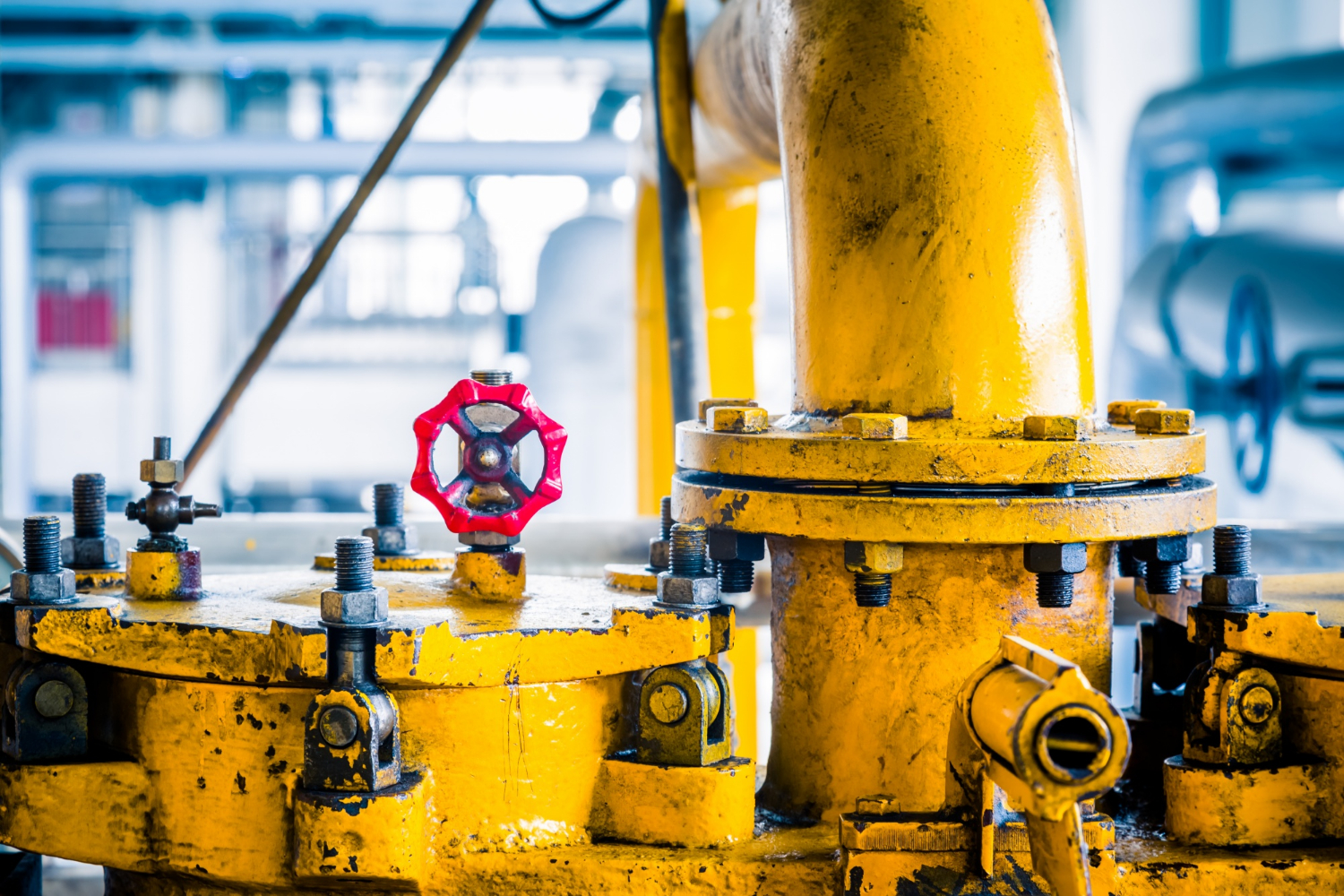
Walk into any petrochemical facility and you'll notice thousands of moving parts working in concert. But ask any veteran engineer where the most consequential decisions happen, and they'll point you straight to the valves. A high pressure valve is not just a component you bolt into a pipeline and forget. It's the gatekeeper of your entire operation, controlling flow, and in many cases, standing between a smooth production run and a catastrophic failure.
The challenge isn't finding valves. That's the easy part. The real difficulty lies in knowing which valve is right for which application, because in high-pressure petrochemical environments, a wrong selection doesn't just hurt performance. It compounds into costly downtime, safety incidents, and premature equipment wear. So before you sign off on another procurement order, here's what you actually need to know.
Understanding The Types Of Valves Used In Oil And Gas Industry
When we talk about types of valves used in oil and gas industry, we're talking about a surprisingly nuanced family of components, each engineered to solve a specific problem. Pressure ratings, flow characteristics, temperature tolerance, and media compatibility all vary dramatically from one valve design to the next. Getting familiar with these differences isn't just technical knowledge, it's the foundation of every smart procurement and engineering decision you'll make.
Here are the main categories relevant to petrochemical and oilfield applications:
Flanged Ball Valves
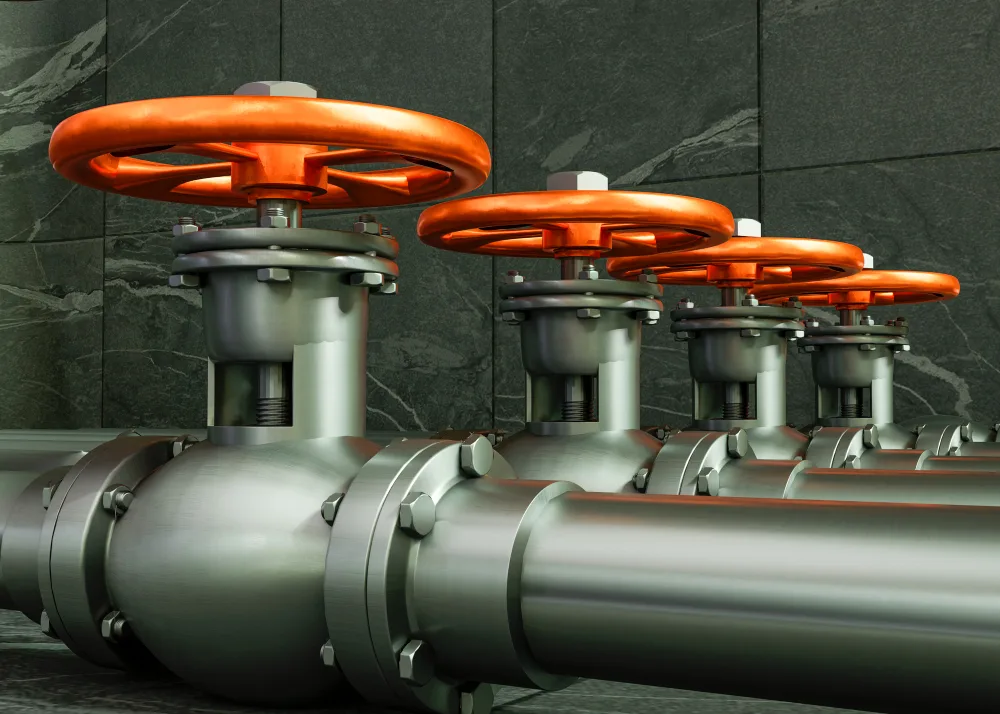
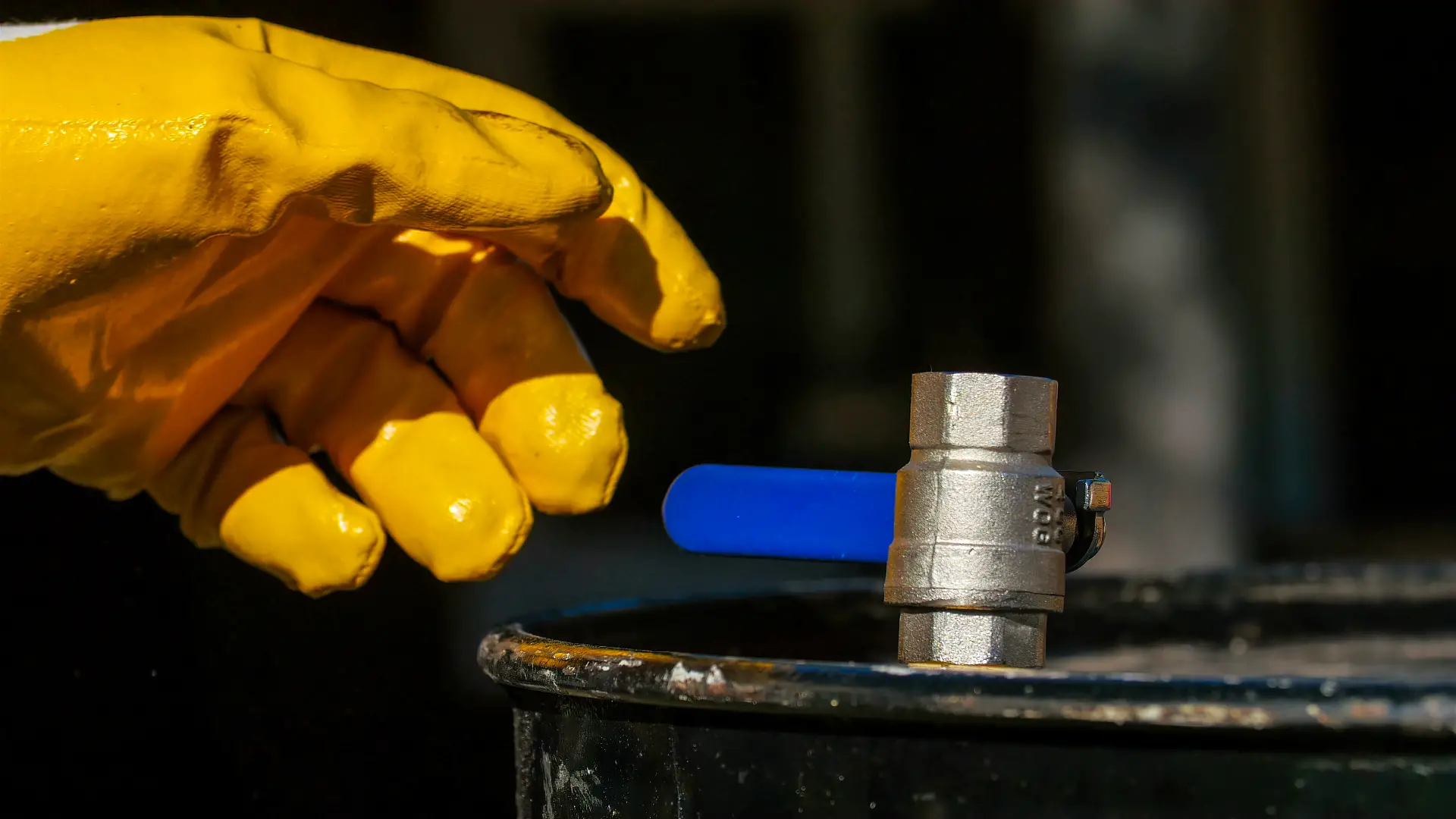
A flanged ball valve is built for one thing: decisive shut-off with minimal flow resistance. The ball mechanism rotates a quarter turn to fully open or close the flow path, making it ideal for on/off control in high-pressure lines. Flanged end connections ensure a secure, leak-resistant joint that can withstand the aggressive pressure in operations.
Flanged Globe Valves
Where ball valves handle isolation, globe valves handle control. Their internal disc-and-seat design allows for precise throttling of flow, which makes them the go-to choice for processes that require fine flow regulation rather than simple open/close operation.
Flanged Check Valves
A check valve has one job: stop backflow. In high-pressure petrochemical systems, reverse flow isn't just inefficient, it can destroy pumps, damage downstream equipment, and create dangerous pressure surges. Flanged check valves allow media to flow freely in one direction while automatically shutting off the moment flow reverses, all without needing a manual trigger or actuator.
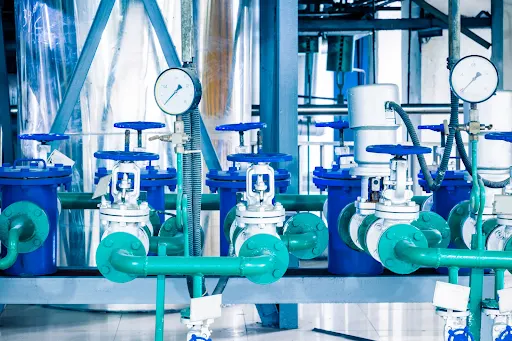
Water Butterfly Valves
Often underestimated, butterfly valves bring an elegant simplicity to flow control in large-diameter pipelines. Their compact, lightweight disc design allows for fast actuation and relatively low-pressure drop, making them well-suited for utility systems, cooling water circuits, and general-service applications within petrochemical facilities.
Factors To Consider When Choosing The Right Valve
Selecting the best valves for high pressure environments isn’t as simple as picking from a catalogue. Every application comes with its own set of demands, and understanding those demands before specifying a valve is what separates a sound engineering decision from an expensive lesson.
Here are three factors that should always be at the top of your checklist:
Pressure and Temperature Ratings
A valve that isn't rated for your system's operating conditions is a liability from day one. Always check both the maximum allowable working pressure (MAWP) and the temperature range the valve will encounter in service. In industrial valves for oil and gas industry applications, this matters even more because conditions fluctuate, and a valve operating near its limits under normal circumstances may fail under a pressure surge or temperature spike.
Material and Media Compatibility
The fluid running through your system will interact with every surface it touches inside the valve. If there's a mismatch between the valve's internal materials and the media being transported, whether that's crude oil, produced water, corrosive chemicals, or gas, you'll see accelerated wear, seal degradation, and eventual failure.
End Connection and Installation Standards
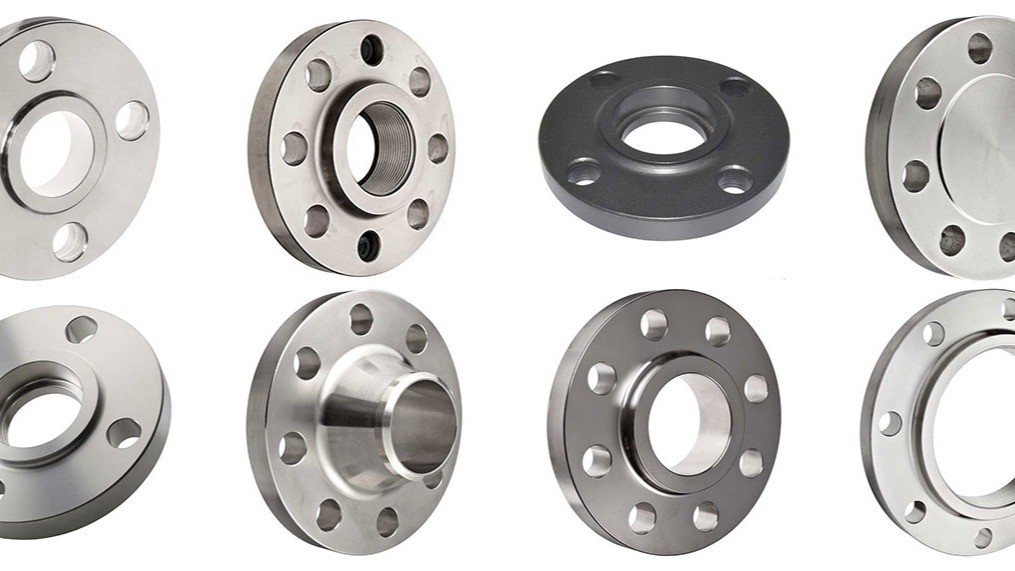
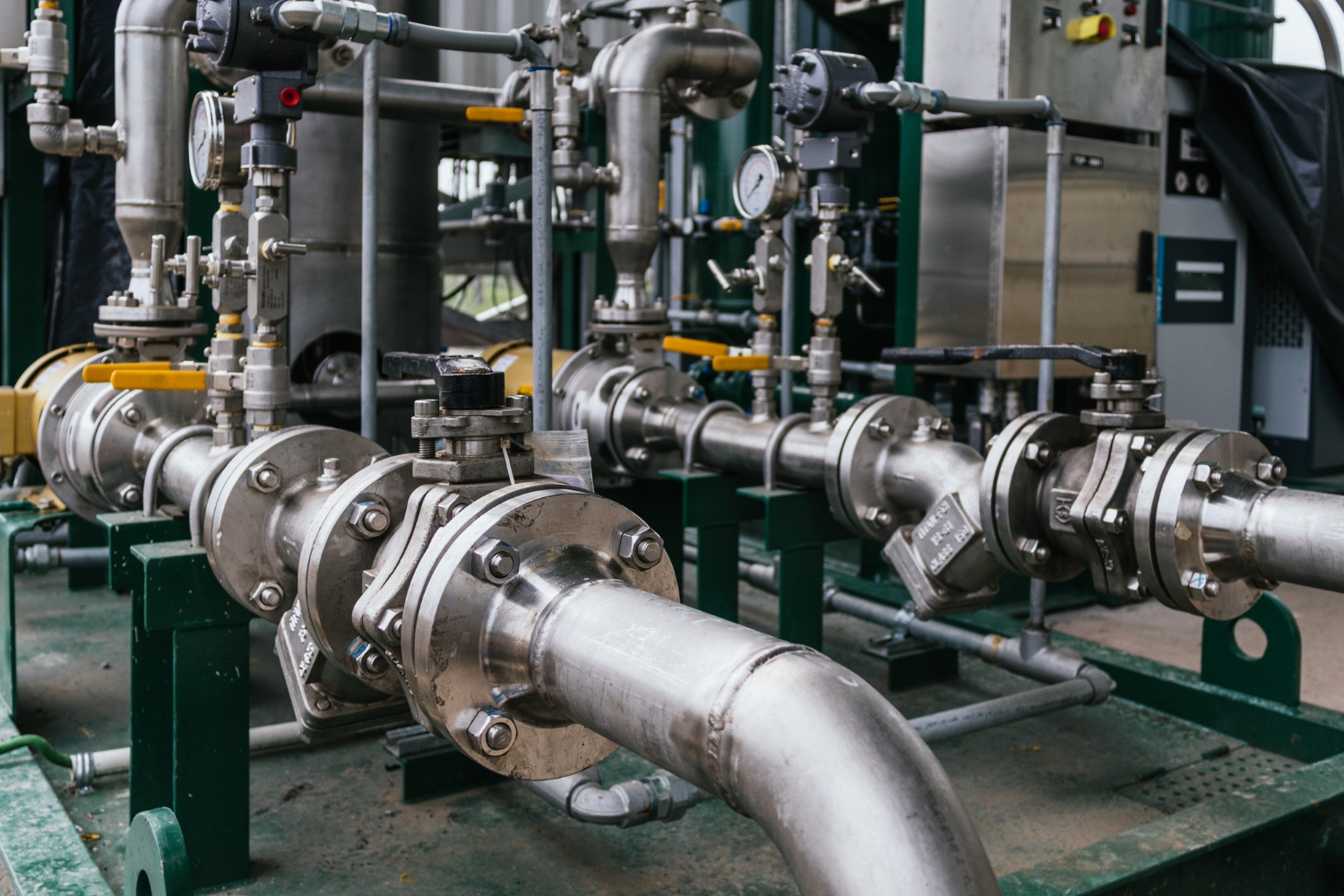
Even a perfectly rated valve becomes a problem if it doesn't integrate cleanly with your existing piping system. Flanged connections offer the advantage of easy installation, inspection access, and straightforward replacement.
Why Choose Alkun Steel As Your Petrochemical Valves Supplier In UAE
Alkun Steel has been operating at the intersection of quality and deep industry knowledge for years, and that experience shapes everything from the products we stock to the advice we give. As a leading exporter and supplier of pipe fittings and oilfield materials across the UAE and beyond, we understand that procurement in the oil and gas sector carries real operational weight.
Every valve we supply goes through rigorous quality checks, meets international standards, and is backed by a team that speaks the language of petrochemical engineering. Whether you're sourcing high pressure valve components for a greenfield project or replacing aging infrastructure on an active facility, Alkun gives you the product range and the technical grounding to get the selection right the first time.
Conclusion
Valve selection in high-pressure petrochemical operations will never be a decision to rush through. The variables are real, the consequences of a wrong call are significant, and the range of available options is wide enough to confuse even experienced procurement teams. But with a clear understanding of the types of valves used in oil and gas industry and the key factors that drive the right choice, you put yourself in a much stronger position from the start.
If you're currently evaluating high pressure valves suppliers in UAE for an upcoming project or ongoing supply requirements, Alkun Steel is ready to help you navigate that process with clarity. Reach out to our team, share your application details, and let's talk about what the right valve actually looks like for your operation.
FAQs
1.What valves are commonly used in high-pressure petrochemical operations?
High-pressure petrochemical systems typically use ball valves, globe valves, check valves, and butterfly valves. Each serves a different role such as isolation, flow control, backflow prevention, or handling large-diameter utility pipelines.
2. Why is valve selection critical in petrochemical facilities?
Incorrect valve selection can lead to pressure failures, leaks, equipment damage, and costly downtime. Choosing the right valve ensures safe flow control and long-term system reliability.
3. How do pressure and temperature ratings affect valve performance?
Valves must be rated to handle the maximum operating pressure and temperature of the system. If these limits are exceeded, the valve can fail or wear out prematurely.
4. What materials are best for valves used in oil and gas applications?
Common materials include carbon steel, stainless steel, and duplex alloys. The right choice depends on the fluid type, corrosion potential, and operating conditions of the pipeline.
5. Why are flanged connections preferred for high-pressure valves?
Flanged connections offer strong sealing, easier installation, and simpler maintenance access. They also make inspection and valve replacement more manageable in industrial piping systems.
Related Articles
Valves Used in District Cooling Systems: Types, Functions, and Selection Criteria
Read More
Threaded vs Socket Weld vs Butt Weld Fittings: Which Is Right for Your Project?
Read More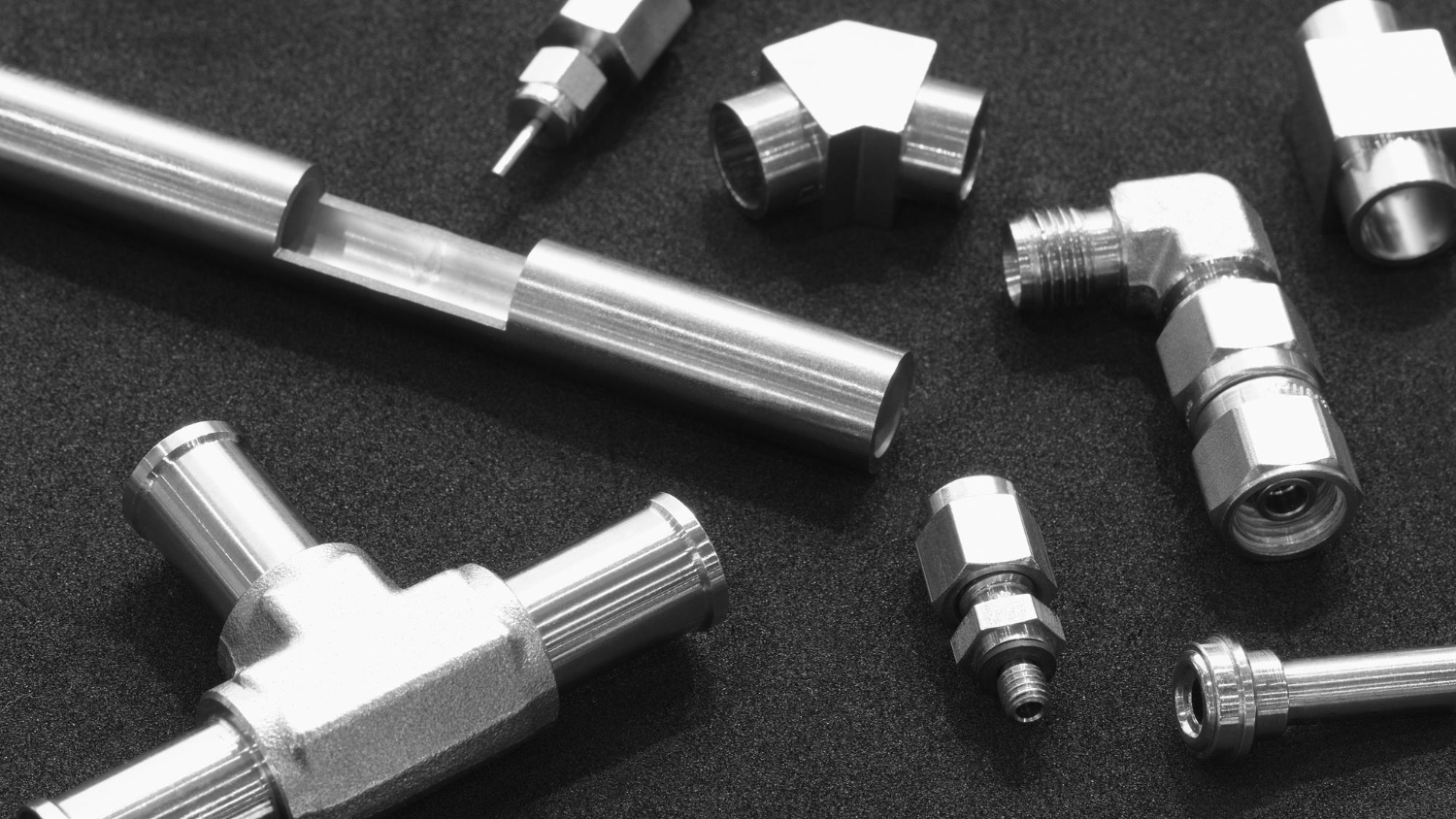
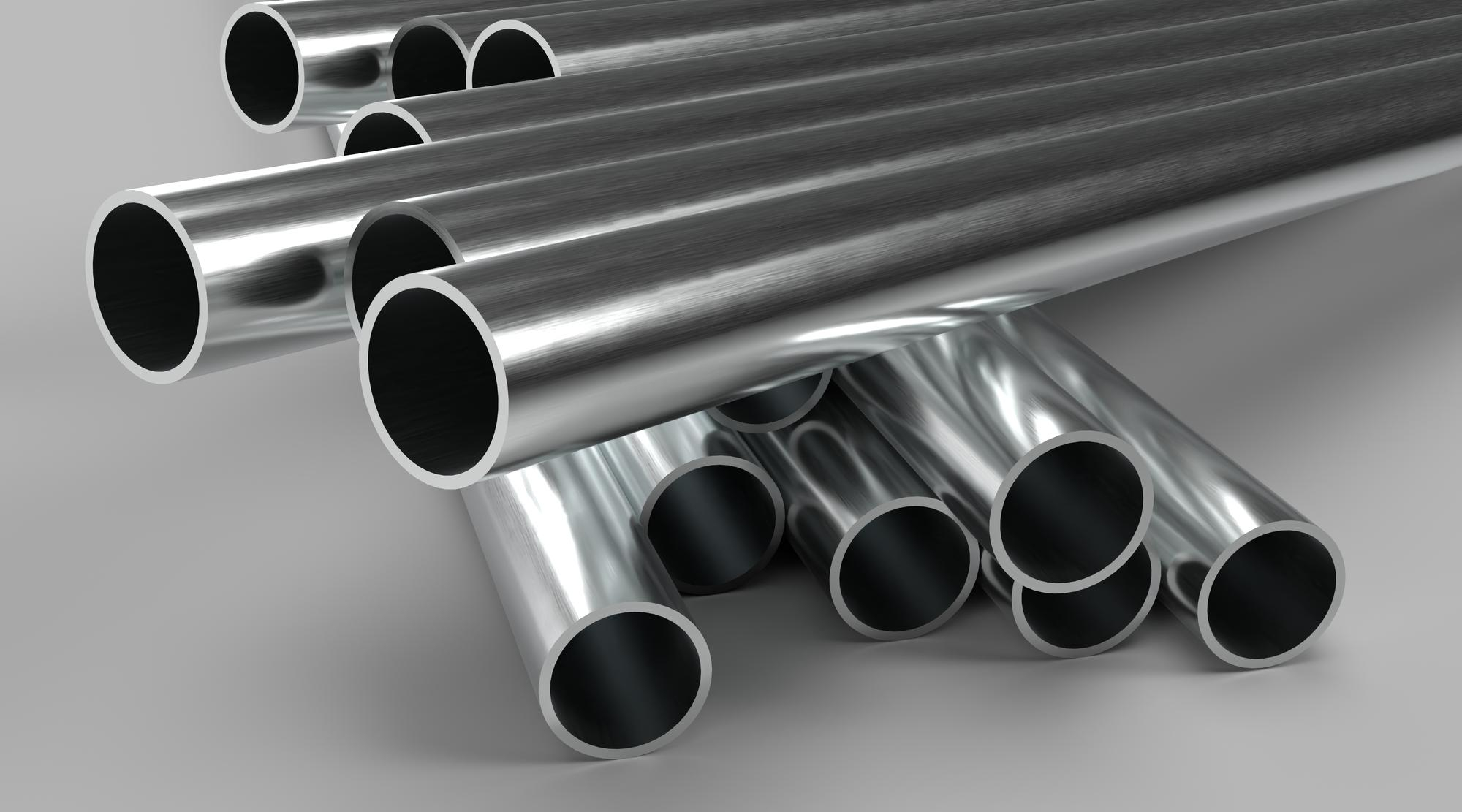
Carbon Steel vs Stainless Steel Pipes: Cost, Performance, and Application Comparison
Read More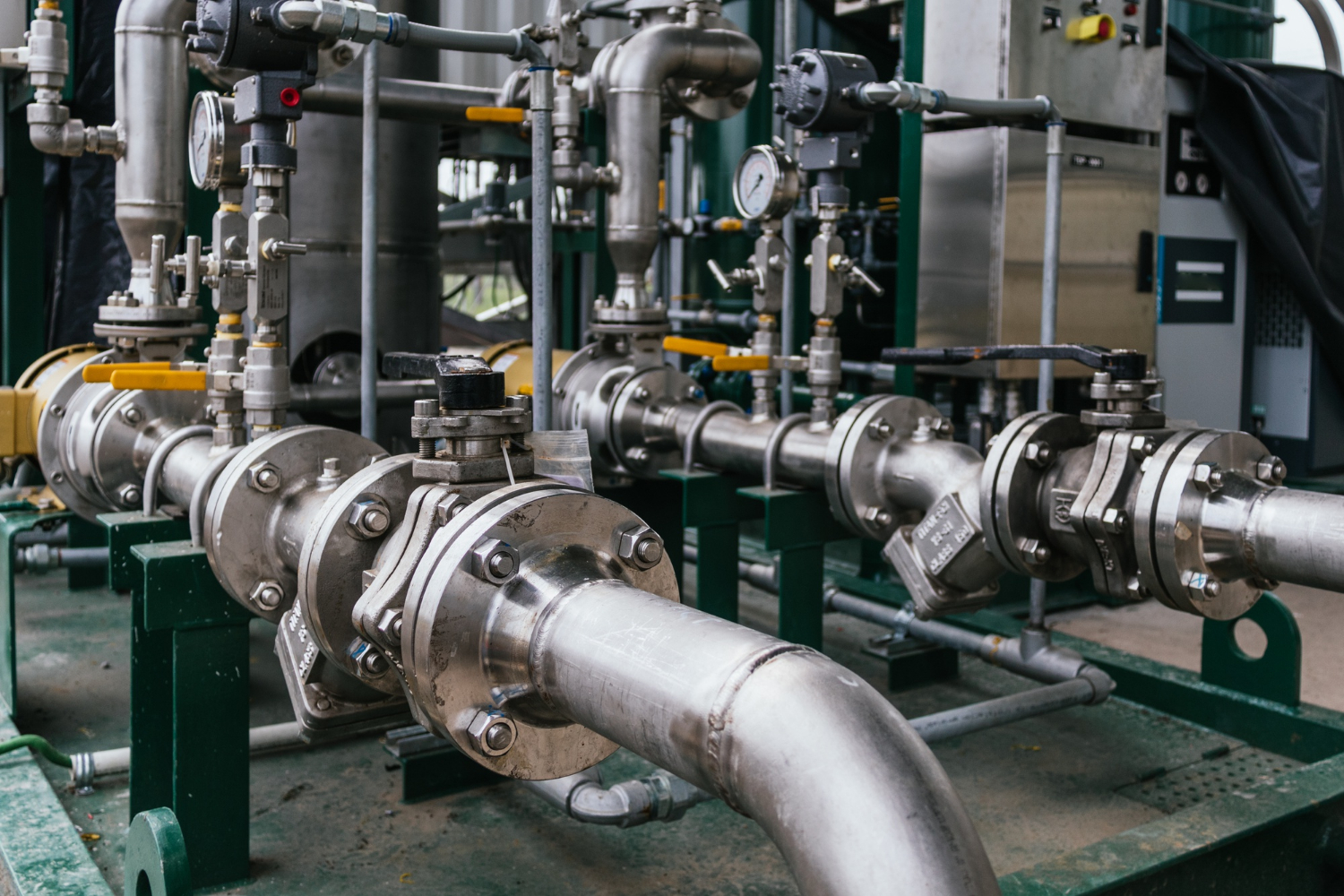


How Fire Fighting Valves Ensure Safe and Efficient High-Pressure Water Systems
Read More



Stainless Steel Buttweld Fittings For Offshore Shipbuilding And Platform Piping
Read More
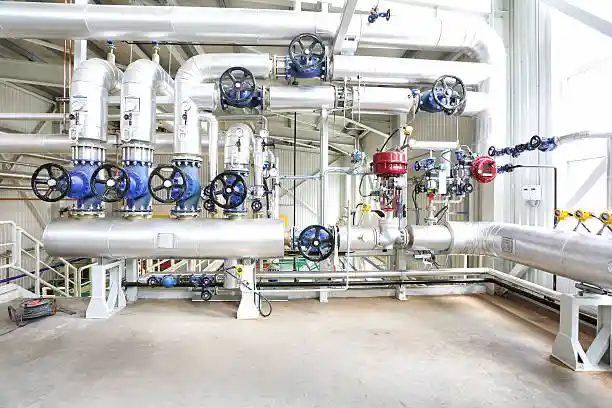
Industrial Valves, Hoses & Gaskets: Alkun Steel’s Solutions for the Tanks & Pumps Industry
Read More
Corrosion-Resistant Valves, Flanges & Joints: Alkun Steel’s Petrochemical Solutions
Read More
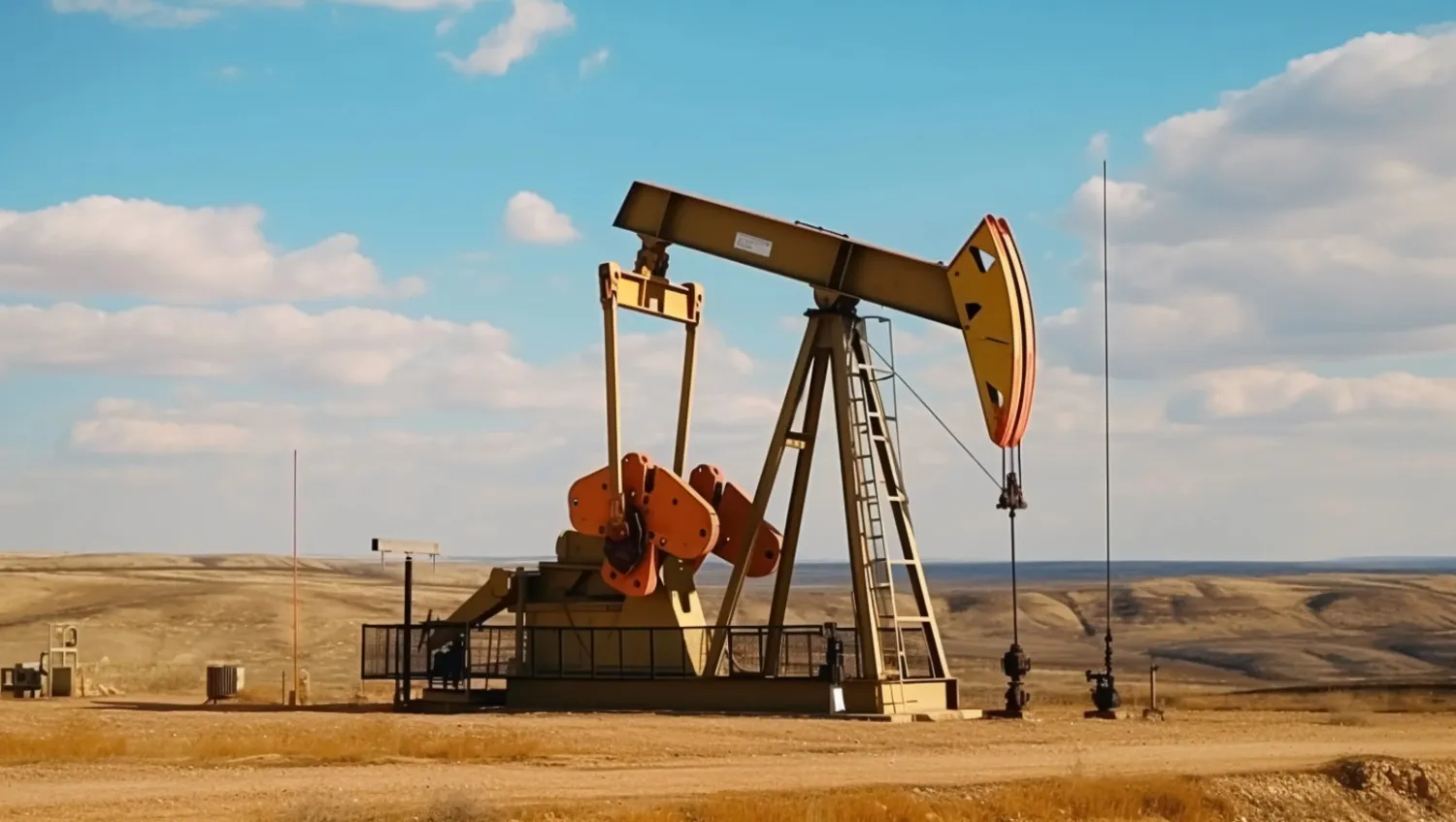
Why Alkun Steel Is A Reliable Supplier Of Essential Products In The Oil Drilling & Rig Industry
Read More


Reliable Industrial Components For Fire Fighting Applications: Alkun Steel’s Trusted Solutions
Read More
Why Alkun Steel Is A Reliable Supplier Of Essential Products In The Fabrication Industry
Read More

Industrial Valves, Hoses & Gaskets: Alkun Steel’s Solutions For Aviation Maintenance
Read More

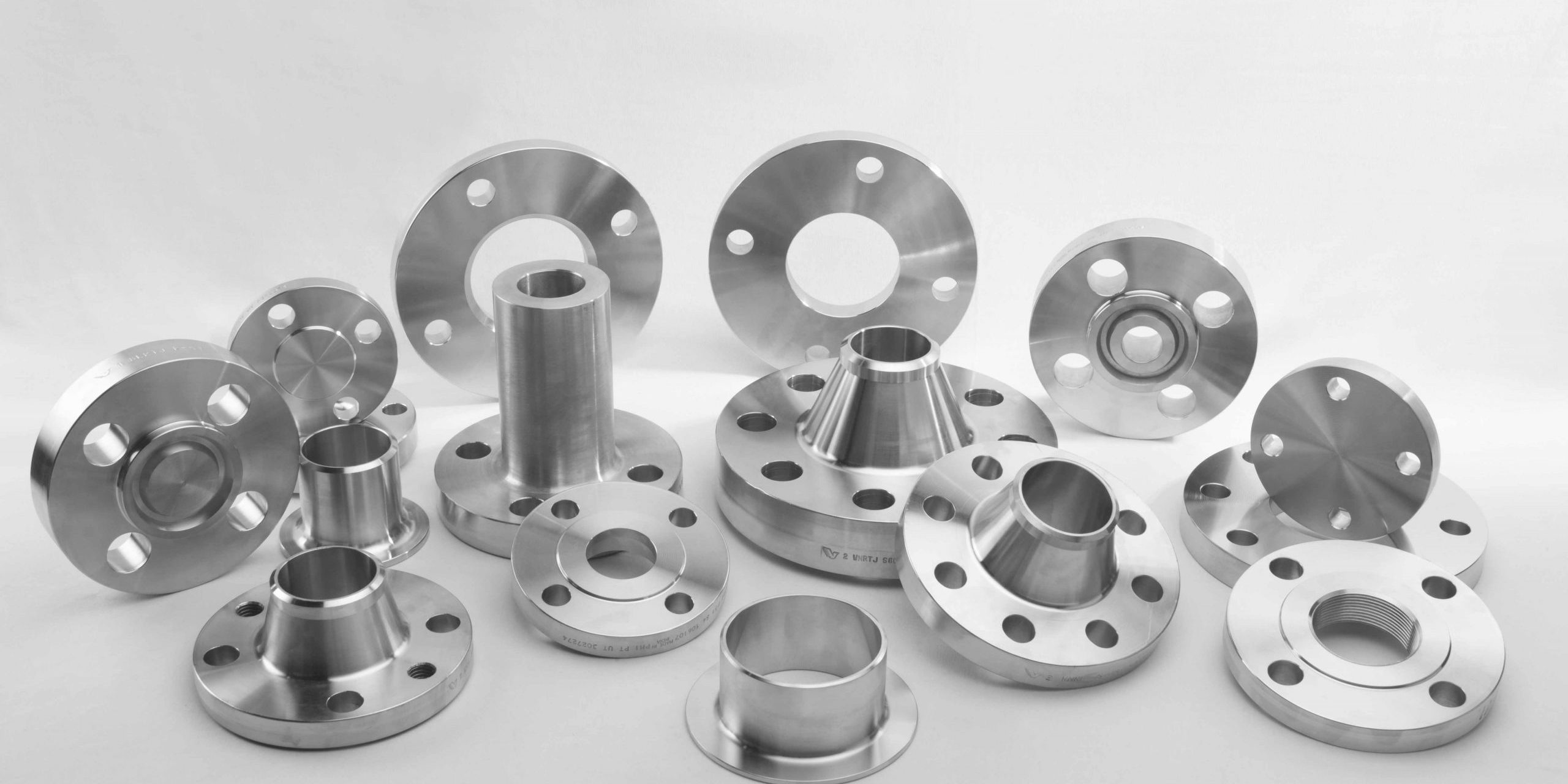
Best Weld Neck, Slip-On, And Blind Flanges For Critical Oil & Gas Connections
Read More
Best Industrial Fasteners for Heavy Equipment Assembly and Structural Steel Projects
Read More