Complete Piping Material Checklist for Oil & Gas Projects
Ask anyone who has worked on a pipeline or a plant build and they will tell you the same thing. A missing flange or the wrong bolt grade can hold up a whole section of work. Piping runs through every part of an oil and gas facility, and every pipe, fitting and valve has to match the service it will see. A solid oil and gas piping material checklist keeps all of that in one place before anything gets ordered.
This guide walks you through what to include, what to verify and where projects tend to slip. Whether you are building the list for a new project or checking an existing one, you will find a clear path from first draft to final order. We have kept it simple so you can use it as a working reference, not just a read.
What Should an Oil & Gas Piping Material Checklist Include?
Core Piping Components
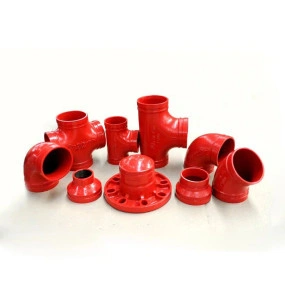
Every list starts with the parts that make up the line itself. That means pipe in its different forms, fittings such as elbows, tees, reducers and caps, branch connections, flanges, valves, gaskets and bolting. These are the oil and gas pipeline components that carry, join, direct and seal the flow, so if one is missing from the list, the system cannot be built as designed. Think of this group as the backbone of the checklist.
Supporting and Specialty Components
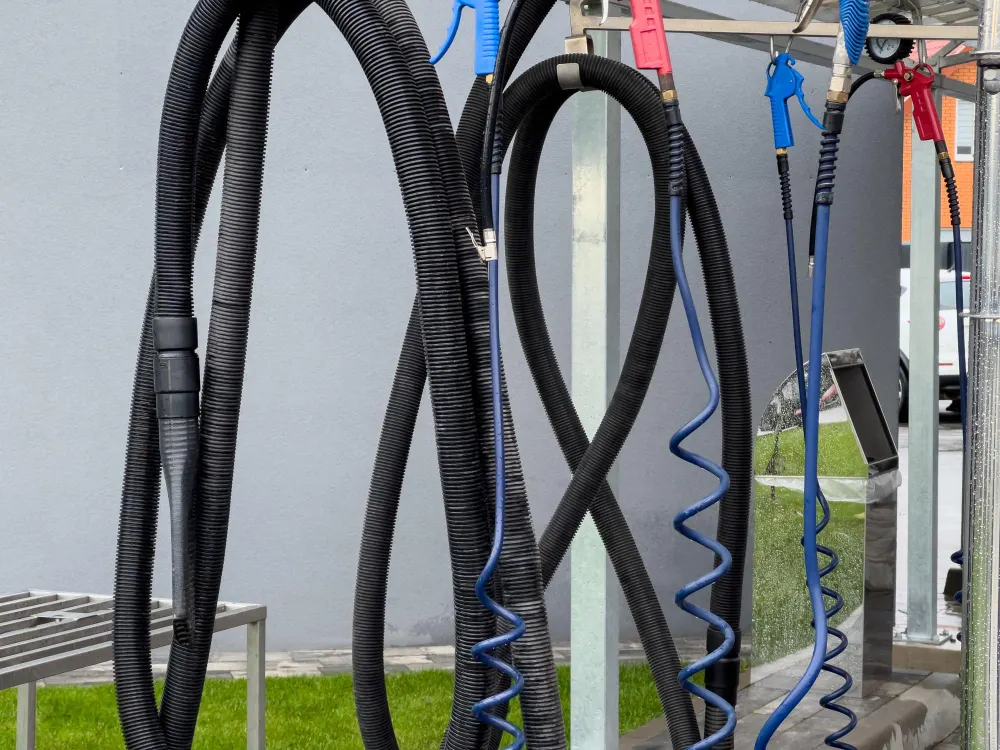
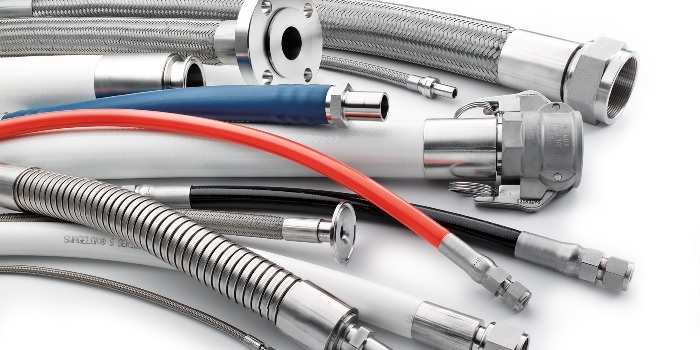
The core parts are only half the picture. Supports, guides, anchors and clamps hold the pipe in place and manage movement, while expansion joints, hoses and other specialty items handle conditions that rigid pipe cannot. These items are easy to overlook early on because they do not show up on the main flow diagram. Add them from the start and you avoid last-minute changes during construction.
What Information Should Be Recorded for Each Item?
A name on a list is not enough. Each item needs its size, material grade, applicable standard, pressure rating, wall thickness or class, end connection and any special requirements from the service, such as sour service or low-temperature use. It also helps to note the quantity, the piping class it belongs to and the document it comes from. The more complete each line is, the fewer questions you will get from buyers, suppliers and inspectors later.
Master Oil & Gas Piping Material Checklist
| Category | Typical Components | Key Information to Verify |
| Pipe | Seamless/welded/line pipe | Grade, specification, size, wall thickness, length |
| Fittings | Elbows, tees, reducers, caps | Material, dimensions, rating, standard |
| Branch connections | Weldolets, sockolets, threadolets | Size, material, connection, rating |
| Flanges | Weld neck, slip-on, blind, etc. | Class, facing, material, standard |
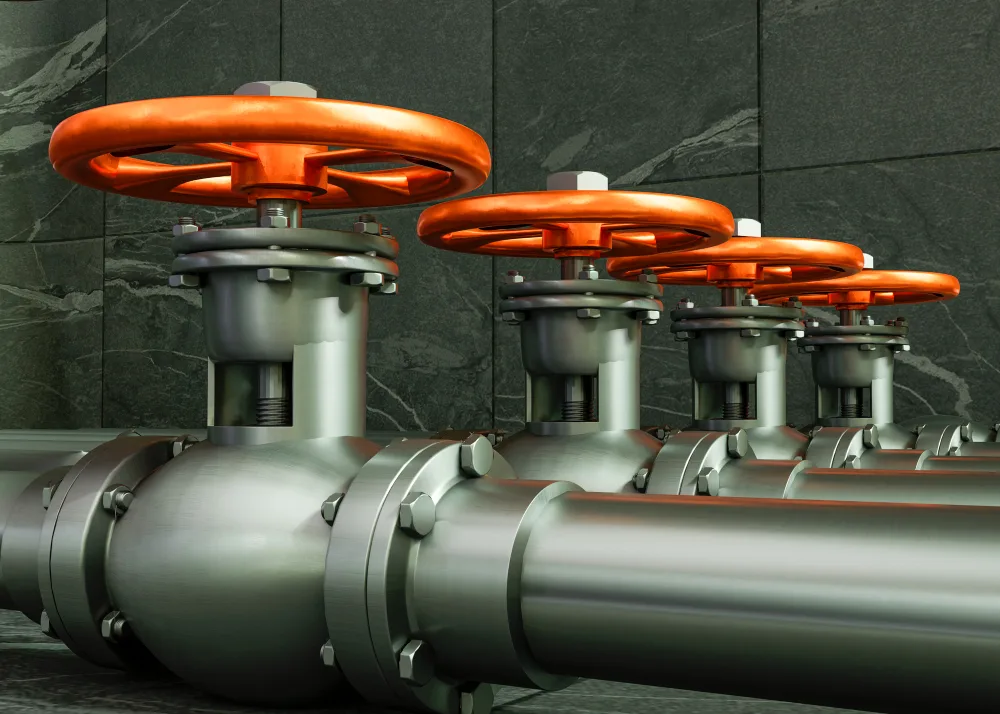
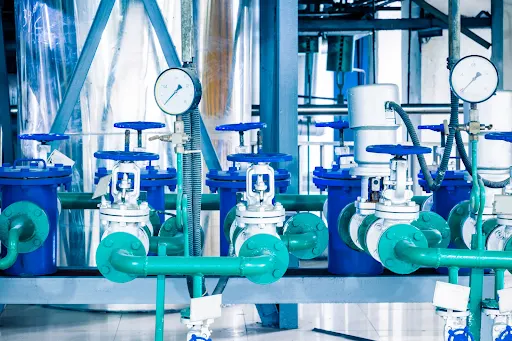
| Valves | Ball, gate, globe, check, control | Type, rating, material, end connection |
| Gaskets | Spiral wound, RTJ, sheet | Material, construction, rating/service |
| Bolting | Studs, bolts, nuts | Grade, coating, size, standard |
| Supports | Guides, anchors, clamps | Type, load, material, coating |
| Specialty items | Expansion joints, hoses, etc. | Design/service requirements |
Pipe Materials Required for Oil & Gas Projects
The material you pick for the pipe sets the tone for everything else on the line. Choosing among piping materials for oil and gas projects means matching the metal to temperature, pressure and the fluid inside.
Here are the main families you will come across:
Carbon Steel
Carbon steel is the workhorse of oil and gas, used for most process piping and pipelines. It offers strength and good value, but it needs protection or allowances where corrosion is a concern.
Low-Temperature Carbon Steel
This grade is made to stay tough in cold conditions where ordinary carbon steel can turn brittle. Look at it for cold climates, LNG-related duties and any line that may drop to low temperatures during depressurization.
Stainless Steel
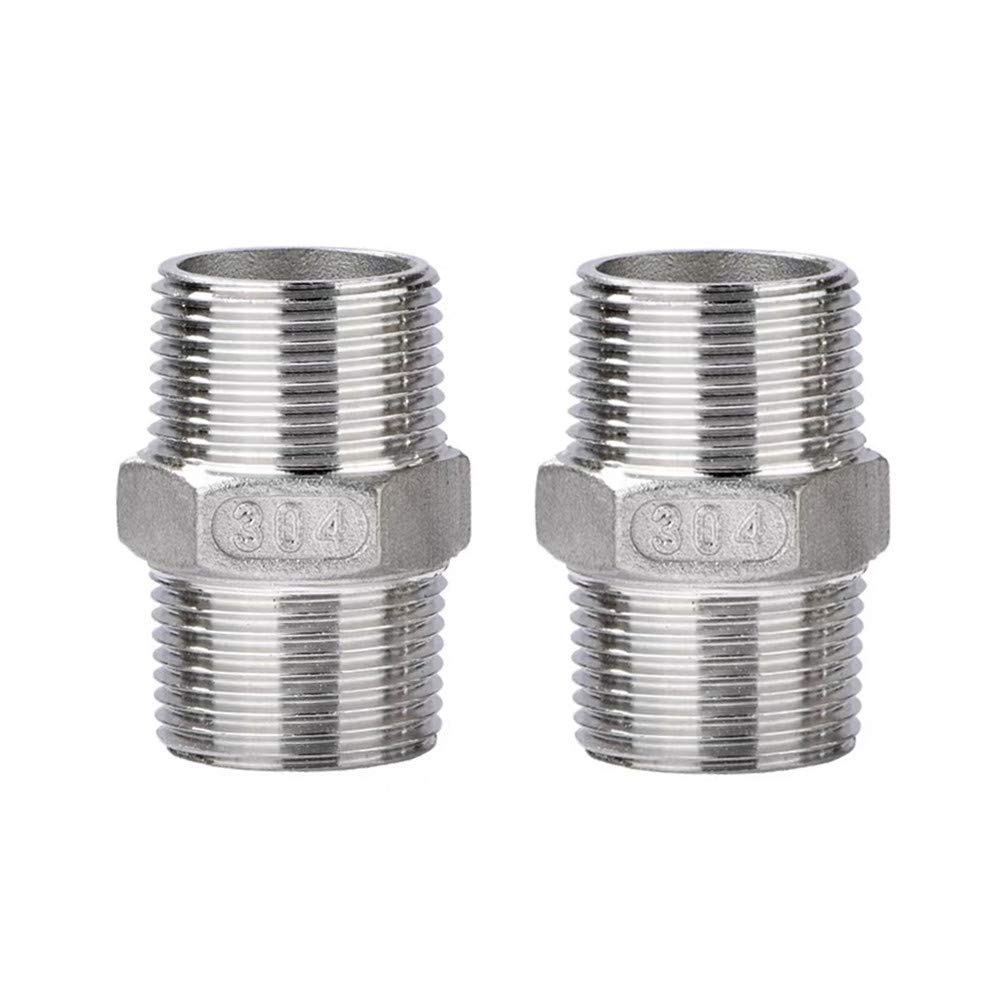
Stainless steel resists corrosion well and is a common choice for cleaner services and moderate chemical exposure. The grade matters, because 304, 316 and others behave differently with chlorides and heat.
Low-Alloy and Alloy Steel
Chromium-molybdenum steels are used when temperatures climb and plain carbon steel loses strength. They are common in heaters, refining units and high-temperature process lines.
Duplex and Super Duplex Stainless Steel
Duplex grades combine high strength with strong resistance to chloride attack. That makes them a frequent pick for offshore, seawater and sour service where standard stainless may struggle.
Corrosion-Resistant Alloys and Specialized Materials
Nickel alloys and other corrosion-resistant materials are used where the fluid is very aggressive or the temperature is extreme. They cost more, so they are usually reserved for lines where nothing else will last.
Pipe and Fitting Checklist
Pipe and fittings need to be checked as a set, not as separate items. Treat them as one group in the industrial piping materials list so sizes, grades and ratings line up.
Use these points to check each group:
Pipe
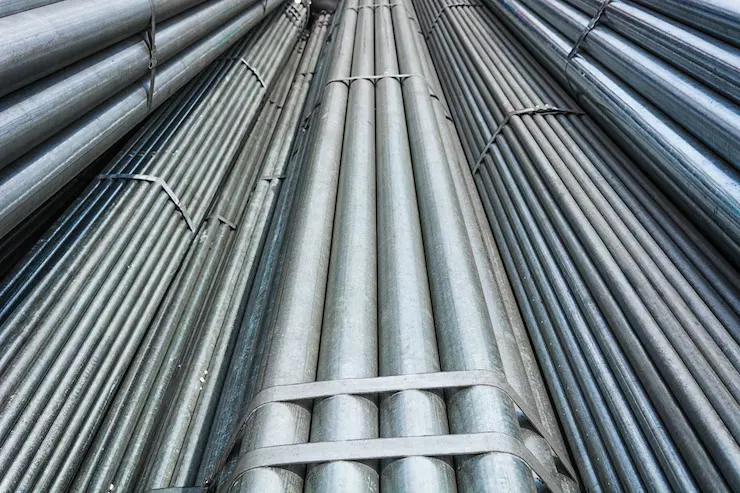
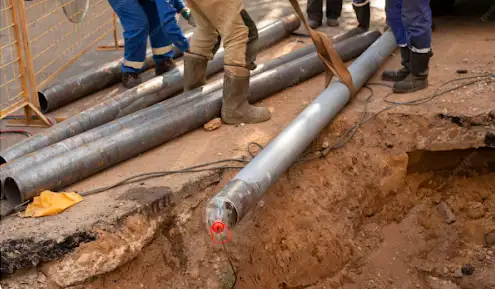
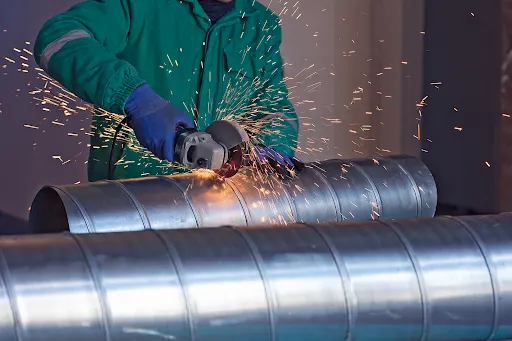
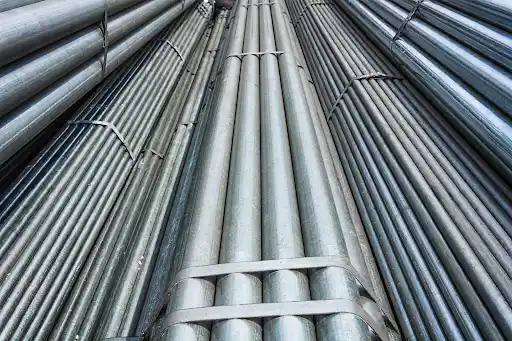
Confirm the specification, grade, size, wall thickness, length and whether the pipe is seamless or welded. Check that the material matches the piping class and that the test and inspection requirements are written down.
Butt-Weld Fittings
Verify the type, size, schedule or wall thickness and the material grade against the pipe it joins. Also check the standard and any special testing, because a mismatch here can cause trouble at the weld.
Forged and Socket-Weld Fittings
These are used mostly on smaller lines and need the right pressure class, such as 3000 or 6000, along with the correct material. Confirm the end connection too, since socket-weld and threaded fittings are not interchangeable.
Branch Connections
Check the connection type, size, material and rating against the run pipe and the branch. Make sure the choice suits the stress at the joint, especially on high-pressure lines.
Valve Checklist for Oil & Gas Piping Systems
| Valve Type | Typical Function | Key Procurement Checks |
| Ball | Isolation | Material, pressure class, bore, ends |
| Gate | Isolation | Size, class, material, trim |
| Globe | Throttling | Pressure drop, trim, material |
| Check | Prevent reverse flow | Type, pressure, material |
| Butterfly | Isolation/control | Size, pressure, seat/material |
| Control | Flow regulation | Service, trim, actuator |
| Relief/Safety | Overpressure protection | Set pressure, certification, service |
Flanges, Gaskets and Bolting Checklist
Flanges
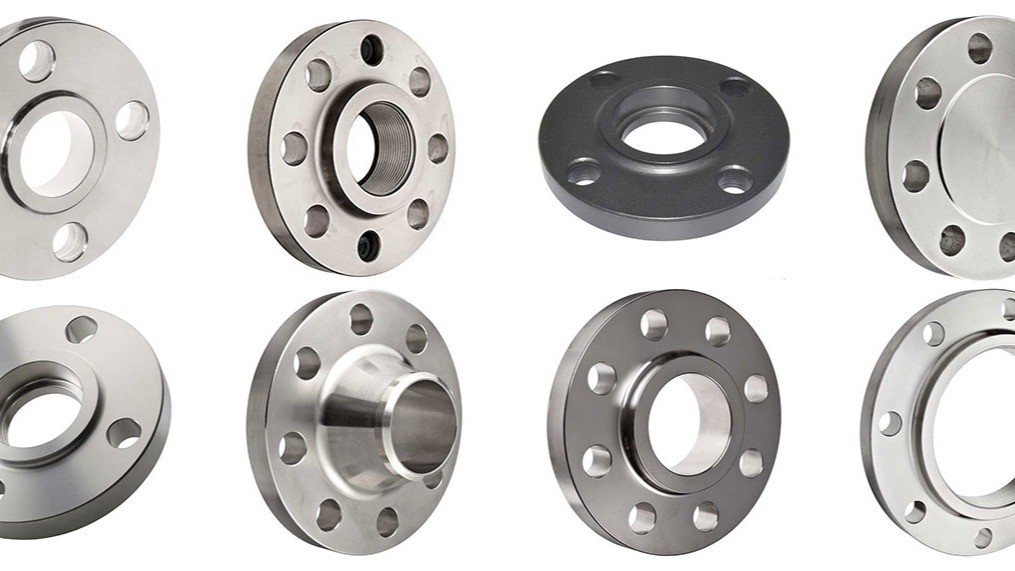
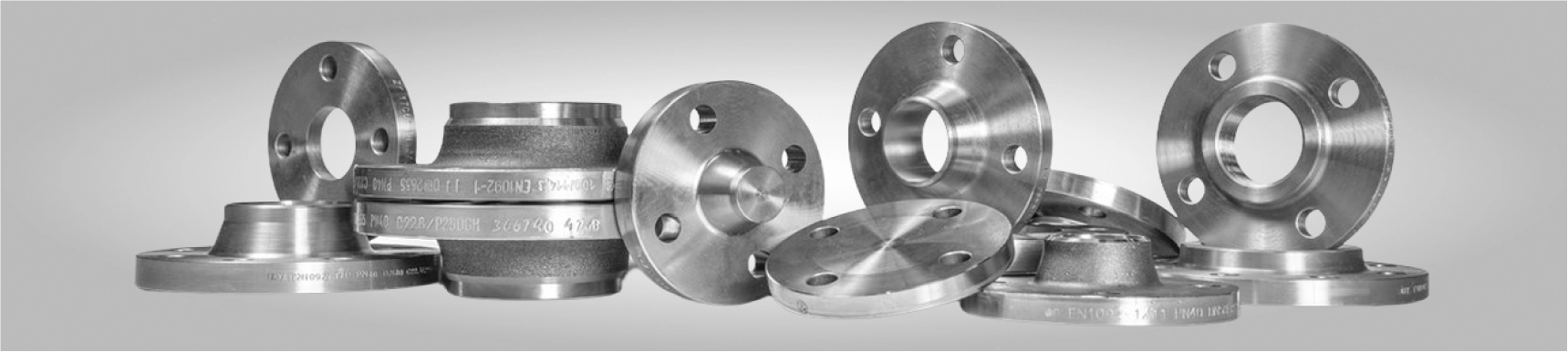
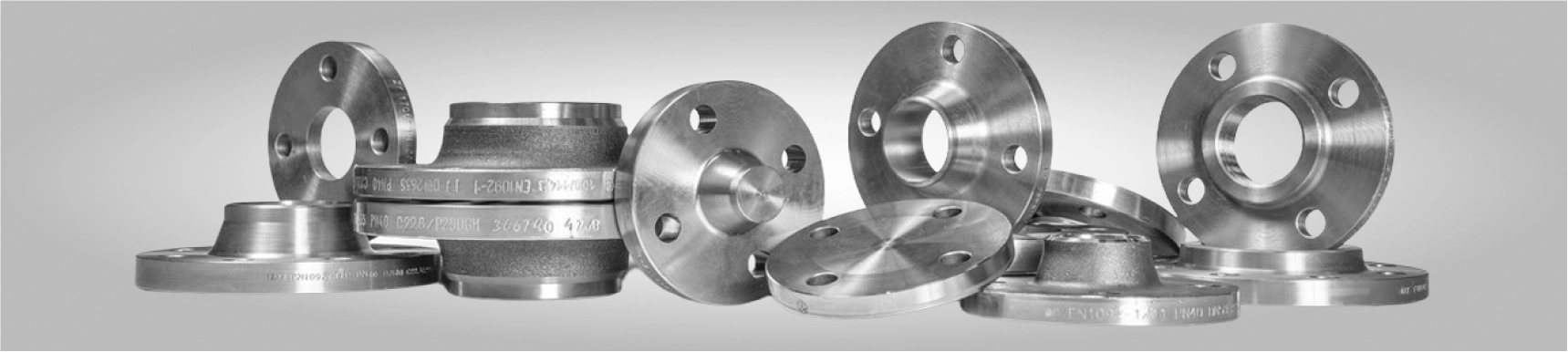
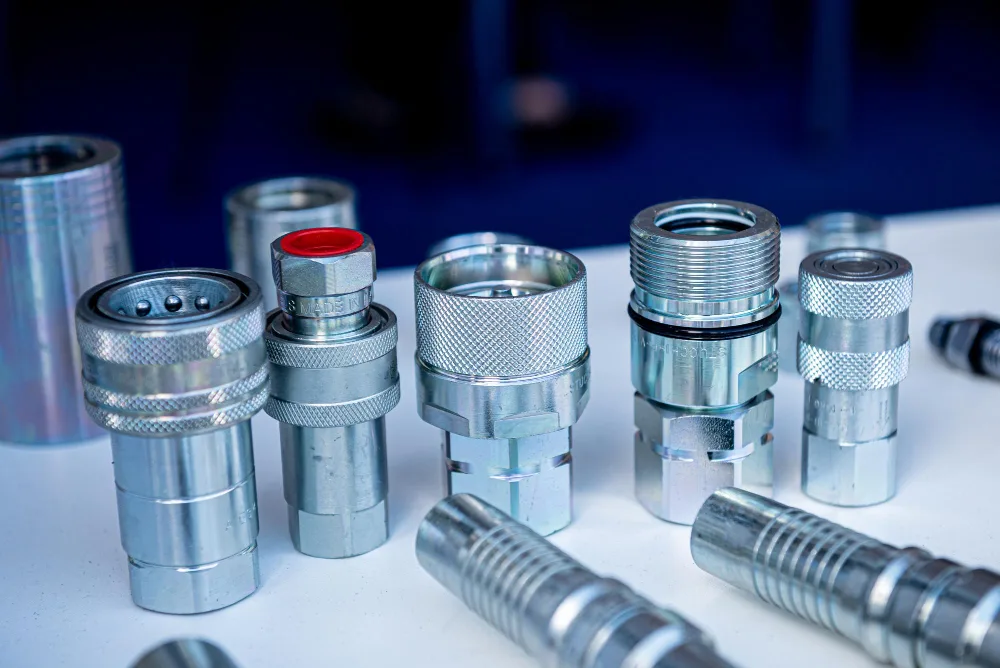
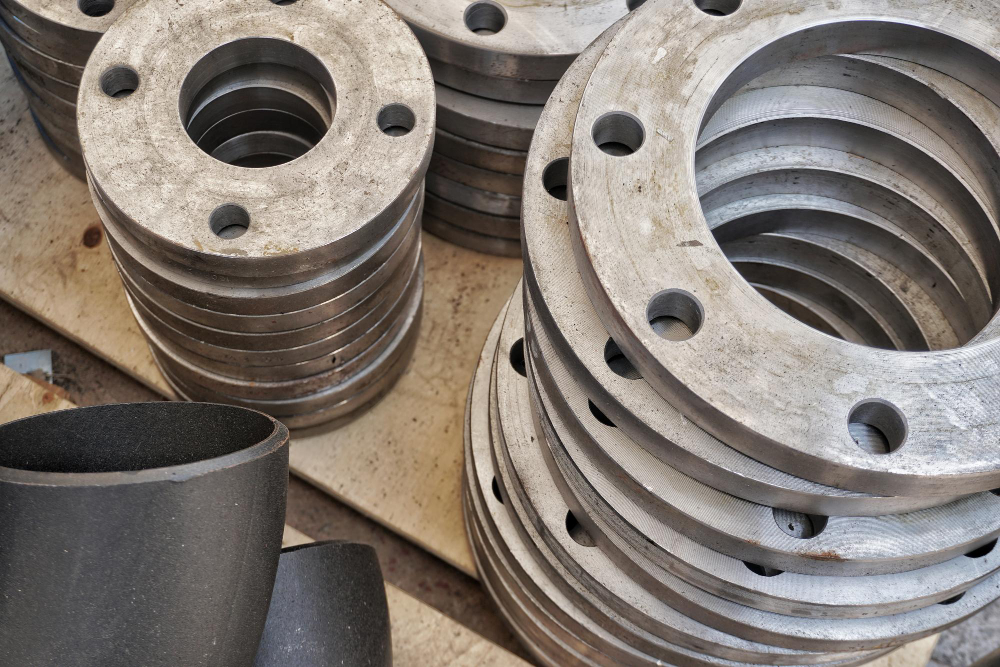
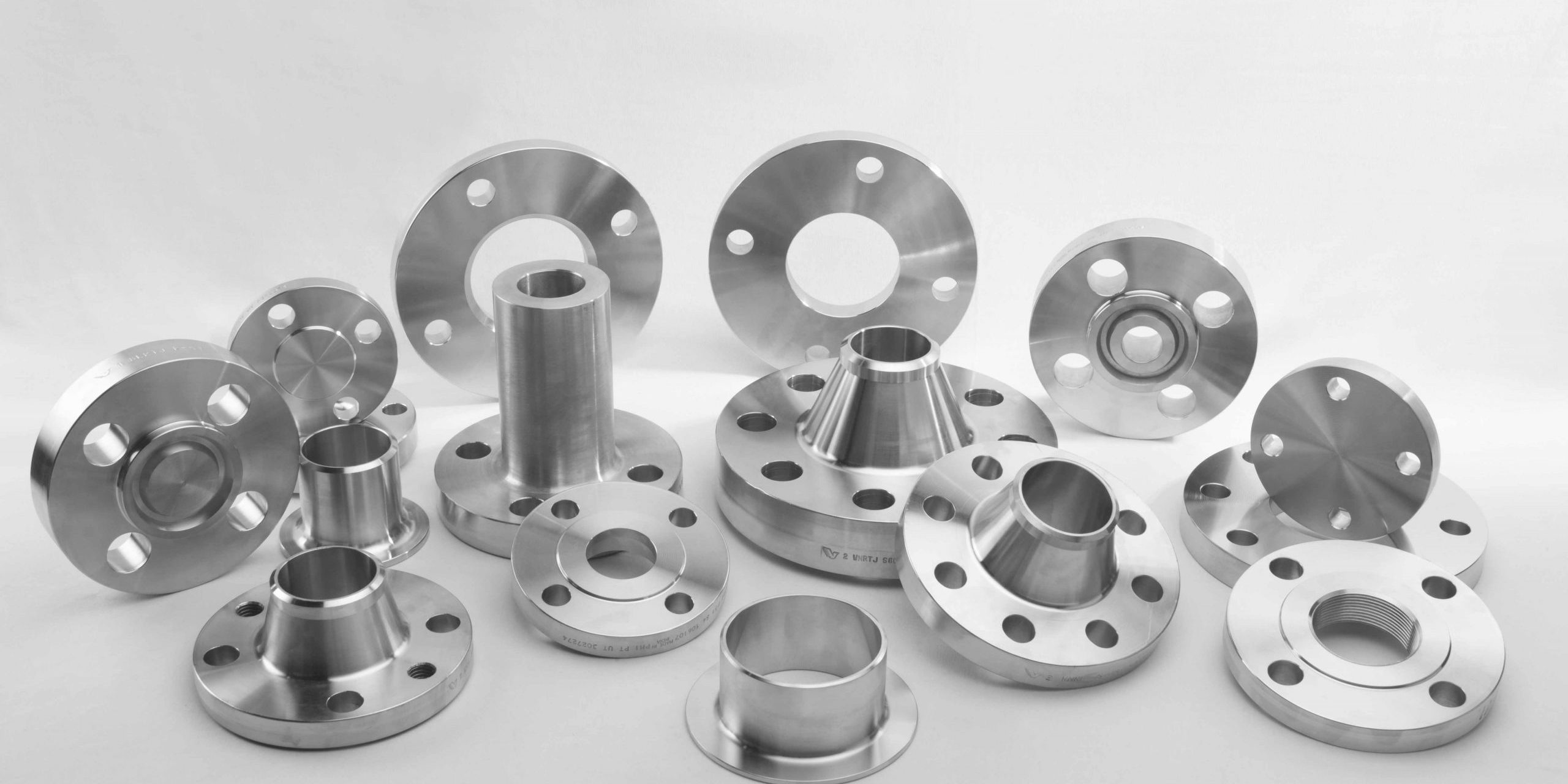
Flanges join pipe to pipe and pipe to equipment, so their type and rating need to be right from the start. Weld neck, slip-on, socket weld, blind and lap joint flanges all serve different roles, and each must match the pressure class and the connecting parts.
What to Verify
Check the pressure class, facing type, material grade, standard and bore on every flange. Compare the facing with the gasket you plan to use, and make sure the flange rating suits both the temperature and the pressure of the service.
Gaskets
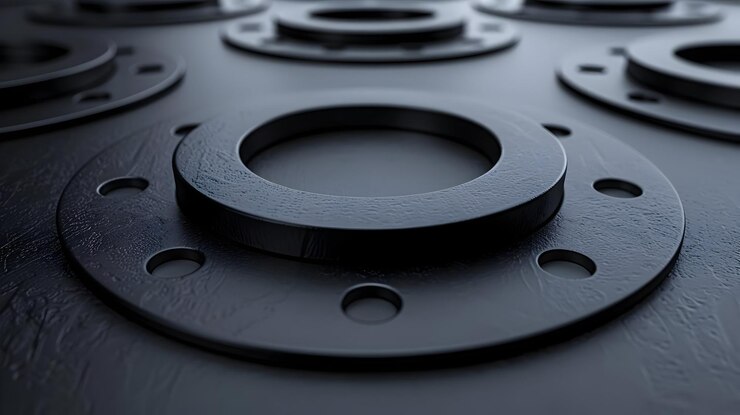
The gasket has to suit the fluid, the temperature, the pressure and the flange face. Spiral wound, ring joint and sheet gaskets each have a place, and choosing the wrong one can cause leaks even when everything else is correct.
Bolting
Bolts and nuts hold the joint together and apply the load that seats the gasket. Verify the grade, size, length, coating and standard, and match the bolting to the service, since sour, low-temperature and high-temperature lines often need specific grades.
Common Piping Material Planning Mistakes
Most planning errors are simple, and nearly all of them can be caught early. Good pipeline material requirements planning means watching for these.
Here are the ones we see most often:
Building the List Without Reviewing the Piping Class
The piping class sets out the pipe, fittings, flanges, gaskets, bolts and valves allowed for each service. If you build the list without it, items can end up in the wrong place or be left out entirely.
Treating "Oil & Gas" as One Service
Sweet gas, sour crude, produced water and utility lines all behave differently. Each one has its own demands for material and testing.
Confusing Material Grade With Pipe Type
A grade tells you the chemistry and strength, while the pipe type tells you how it was made. You need both to be clear on the order, or you may receive something that does not match what the design called for.
Selecting Pipe Without Matching Fittings and Flanges
If the pipe, fittings and flanges are chosen in isolation, wall thickness, material and rating may not line up. Always check them as a matched set.
Ignoring Corrosion Mechanisms
CO2, H2S, chlorides and erosion each attack steel in a different way. Knowing which one applies helps you choose the right alloy and corrosion allowance.
Buying Based Only on NPS
Nominal pipe size says nothing about wall thickness, material or pressure rating. Two pipes with the same NPS can be very different products.
How to Choose an Oil & Gas Piping Material Supplier
Good oil and gas project procurement depends on more than price. Look at whether the supplier can provide full material test certificates, trace each item back to its heat number and meet the specifications in your piping class. Ask about inspection options, delivery timelines and how they handle documentation, because missing paperwork can hold up a delivery as much as missing material.
It also helps to work with a team that can cover the full range, from pipe and fittings to flanges and valves, so your industrial piping procurement stays simple and consistent. At Alkun Steel, we supply pipe fittings and oilfield materials to projects across the industry, and we are always happy to review your checklist with you before an order goes out.
Conclusion
A complete checklist saves time at every stage of a project. It makes quotes easier to compare, orders easier to check and deliveries easier to inspect. More than anything, it makes sure each piece of pipe, fitting and hardware belongs in the system it is going into.
Start with your piping class, fill in the details for every item and review the list with your engineers and your supplier before ordering. That small step often decides whether a project runs smoothly or spends weeks sorting out avoidable issues. Use the oil and gas piping material checklist above as your starting point and adjust it to suit your service.
FAQs
1. What materials are required for oil and gas piping projects?
Most projects need carbon steel, low-temperature carbon steel, stainless steel, alloy steel and duplex grades, depending on the service.
2. What components are included in an oil and gas piping system?
A system includes pipe, fittings, branch connections, flanges, valves, gaskets, bolting, supports and specialty items such as expansion joints.
3. Which pipe materials are commonly used in oil and gas?
Carbon steel is the most common, with stainless, alloy and duplex steels used for more demanding conditions.
4. What is the difference between process piping and pipeline materials?
Process piping runs inside plants and facilities, while pipeline materials are used for long-distance transport and usually follow line pipe specifications.
5. What information should an oil and gas piping material checklist contain?
It should list each item with its size, grade, standard, rating, end connection, quantity and service requirements.
6. What is a piping class and why does it matter?
A piping class defines the approved pipe, fittings, flanges, gaskets, bolting and valves for a given service, so everything on the line matches.
7. What should be checked before ordering piping materials?
Check the piping class, material grades, ratings, standards, dimensions and certification requirements against the checklist.
Related Articles

The Complete Buyer's Guide to Industrial Gratings: GI vs Stainless Steel vs Aluminium vs Ductile Iron
Read More

Chequered Plate Buying Guide: MS vs GI vs Stainless Steel Checker Plates Compared
Read More
C-Channel vs U-Channel: Sizes, Uses & How to Choose the Right Structural Steel Channel
Read More

Valves Used in District Cooling Systems: Types, Functions, and Selection Criteria
Read More
Threaded vs Socket Weld vs Butt Weld Fittings: Which Is Right for Your Project?
Read More
Carbon Steel vs Stainless Steel Pipes: Cost, Performance, and Application Comparison
Read More


How Fire Fighting Valves Ensure Safe and Efficient High-Pressure Water Systems
Read More



Stainless Steel Buttweld Fittings For Offshore Shipbuilding And Platform Piping
Read More
Industrial Valves, Hoses & Gaskets: Alkun Steel’s Solutions for the Tanks & Pumps Industry
Read More
Corrosion-Resistant Valves, Flanges & Joints: Alkun Steel’s Petrochemical Solutions
Read More
Why Alkun Steel Is A Reliable Supplier Of Essential Products In The Oil Drilling & Rig Industry
Read More


Reliable Industrial Components For Fire Fighting Applications: Alkun Steel’s Trusted Solutions
Read More
Why Alkun Steel Is A Reliable Supplier Of Essential Products In The Fabrication Industry
Read More

Industrial Valves, Hoses & Gaskets: Alkun Steel’s Solutions For Aviation Maintenance
Read More

Best Weld Neck, Slip-On, And Blind Flanges For Critical Oil & Gas Connections
Read More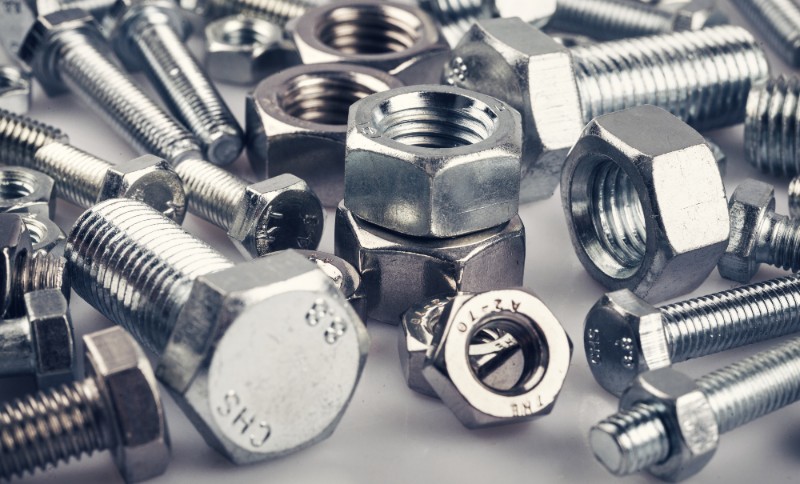
Best Industrial Fasteners for Heavy Equipment Assembly and Structural Steel Projects
Read More