What Is a Pressure Gauge? Types and How They Work
Industrial equipment runs on balance. In pipelines, tanks, compressors, and hydraulic systems, the pressure has to stay within a safe range. Too much pressure can damage components, while too little can interrupt the process. This is why the pressure gauge remains one of the most widely used instruments in engineering and manufacturing. It gives operators a quick way to see what is happening inside a system.
Accurate instruments become especially important in industries where pressure changes can affect operations. Alkun Steel supplies measurement equipment used in these environments. We’re known as one of the best pressure gauge suppliers in UAE, providing gauges designed for demanding industrial environments.
What is a Pressure Gauge?
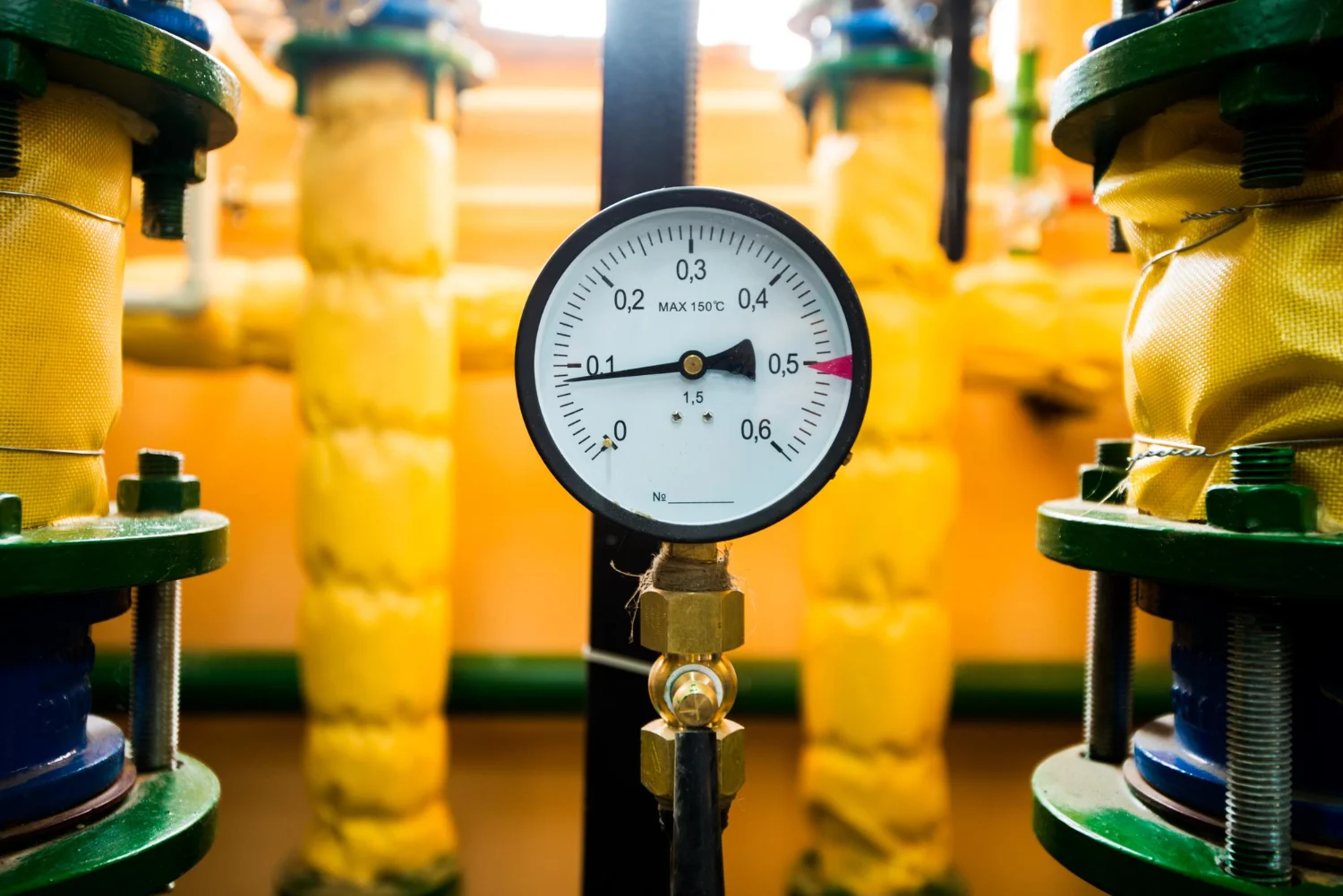
To understand what is pressure gauge, it will help to look at the role it plays inside a system. A pressure gauge is an instrument that is used to measure the pressure of liquids or gases within pipes, tanks, or mechanical equipment. By pressure, we mean the force exerted by a fluid against the walls of a container.
The gauge converts this force into a value displayed on a dial or digital screen, which is easy to read. This allows engineers and operators to monitor pressure levels and ensure the system is functioning within safe limits.
Modern gauges are designed to operate in different environments such as high temperatures, corrosive conditions, and high-pressure pipelines. As industries continue to rely on precise monitoring, the pressure gauge remains a fundamental component of industrial instrumentation.
Types of Pressure Gauges
Different applications require different measurement technologies. As a result, several pressure gauge types have been developed to suit various industrial conditions and accuracy requirements.
Bourdon Tube Pressure Gauge
The Bourdon tube gauge is the most common mechanical pressure gauge used in industrial systems. It consists of a curved metal tube that changes shape when pressure enters the gauge.
When fluid pressure increases, the tube tends to straighten slightly. This movement is transferred through a mechanical linkage that moves a pointer across the dial. The position of the pointer indicates the pressure reading.
Diaphragm Pressure Gauge
A diaphragm gauge uses a flexible metal membrane called a diaphragm. When pressure is applied, the diaphragm deflects or moves slightly. This movement is then converted into a reading on the dial.
These gauges are commonly used when measuring low pressure or when the process fluid may be corrosive. The diaphragm helps isolate the sensing element from the fluid, improving reliability in sensitive environments.
Capsule Pressure Gauge
Capsule gauges are designed for measuring very low pressure levels. The sensing element consists of two thin diaphragms sealed together to form a capsule.
When pressure enters the gauge, the capsule expands or contracts slightly.
This movement is transmitted to the needle on the dial. Capsule gauges are often used in HVAC systems, laboratory equipment, and ventilation monitoring where pressure changes are small but important.
Digital Pressure Gauge
A digital pressure gauge uses electronic sensors instead of mechanical components. The sensor detects pressure changes and converts them into an electrical signal. This signal is processed and displayed on a digital screen.
Digital gauges are commonly used when highly accurate measurements are required. They are also easier to read in environments where operators must monitor pressure from a distance or in low-light conditions.
These modern pressure gauge types are frequently used in testing equipment, laboratory systems, and automated industrial processes.
How Do Pressure Gauges Work?
Understanding how pressure gauge works requires looking at how pressure is detected and converted into a readable measurement.
Pressure gauges measure the force exerted by a liquid or gas on the walls of a container. This force is transferred to a sensing element inside the gauge. The sensing element then moves or deforms in response to the pressure. That movement is converted into a readable pressure value.
Mechanical Pressure Gauges
Mechanical gauges, particularly Bourdon tube designs, operate using simple mechanical motion. Inside the gauge is a curved metal tube connected to the pressure source. When pressure enters the tube, it tries to straighten due to the internal force of the fluid. Even a small change in the tube’s shape can be detected by the internal linkage system. This motion moves a needle across a calibrated dial.
Digital Pressure Gauges
Digital gauges operate using electronic sensors that detect pressure changes. When pressure is applied, the sensor converts the physical force into an electrical signal. This signal is processed by an electronic circuit inside the gauge. The result is displayed as a numerical reading on a digital screen. Digital gauges are often used when precise measurements are required or when the readings must be integrated with automated monitoring systems.
Why Alkun Steel is the Best Pressure Gauge Supplier in UAE
Choosing the right pressure gauge supplier is very important for industries that depend on accurate pressure monitoring. The quality of the gauge directly affects the reliability of the measurement and the safety of the entire system.
Alkun Steel has developed a strong reputation among pressure gauge suppliers in UAE by supplying durable and well-engineered instruments. OUr gauges are designed to perform consistently under demanding industrial conditions such as high pressure, temperature fluctuations, and exposure to corrosive fluids.
As one of the established pressure gauge suppliers in Dubai, we provide a range of gauges suited for pipelines, hydraulic systems, and industrial equipment.
Conclusion
Pressure measurement plays a critical role in modern industrial systems. Whether in pipelines, compressors, or storage tanks, monitoring internal pressure ensures that equipment operates within safe limits. Understanding what is pressure gauge and how it functions helps industries maintain stable and efficient operations.
Different pressure gauge types are designed to meet specific measurement needs. By understanding how pressure gauge works, engineers and operators can choose the right instrument for their systems. These instruments must also come from a well-known pressure gauge supplier.
At Alkun Steel, we provide gauges built to handle industrial conditions. We help ensure that businesses receive dependable instruments for monitoring and controlling pressure in critical systems.
FAQs
- What is a pressure gauge used for?
A pressure gauge is used to measure the pressure of liquids or gases inside pipelines, tanks, and industrial equipment. It helps operators monitor pressure levels and maintain safe operating conditions. - How pressure gauge works in industrial systems?
Understanding how pressure gauge works involves looking at the sensing element inside the device. It detects pressure from a fluid and converts that force into a readable value on a dial or digital display. - What are the most common pressure gauge types?
Common pressure gauge types include Bourdon tube gauges, diaphragm gauges, capsule gauges, and digital pressure gauges. Each type is designed for specific pressure ranges and industrial applications. - Where are pressure gauges commonly used?
A pressure gauge is widely used in industries such as oil and gas, manufacturing, water treatment, HVAC systems, and chemical processing to monitor pressure inside pipelines and equipment. - How do I choose reliable pressure gauge suppliers in UAE?
When selecting pressure gauge suppliers in UAE, consider factors such as product quality, accuracy, industry experience, and the ability to supply gauges suited for specific industrial applications.
Related Articles

The Complete Buyer's Guide to Industrial Gratings: GI vs Stainless Steel vs Aluminium vs Ductile Iron
Read More

Chequered Plate Buying Guide: MS vs GI vs Stainless Steel Checker Plates Compared
Read More
C-Channel vs U-Channel: Sizes, Uses & How to Choose the Right Structural Steel Channel
Read More


Valves Used in District Cooling Systems: Types, Functions, and Selection Criteria
Read More
Threaded vs Socket Weld vs Butt Weld Fittings: Which Is Right for Your Project?
Read More
Carbon Steel vs Stainless Steel Pipes: Cost, Performance, and Application Comparison
Read More


How Fire Fighting Valves Ensure Safe and Efficient High-Pressure Water Systems
Read More




Stainless Steel Buttweld Fittings For Offshore Shipbuilding And Platform Piping
Read More
Industrial Valves, Hoses & Gaskets: Alkun Steel’s Solutions for the Tanks & Pumps Industry
Read More
Corrosion-Resistant Valves, Flanges & Joints: Alkun Steel’s Petrochemical Solutions
Read More

Why Alkun Steel Is A Reliable Supplier Of Essential Products In The Oil Drilling & Rig Industry
Read More


Reliable Industrial Components For Fire Fighting Applications: Alkun Steel’s Trusted Solutions
Read More
Why Alkun Steel Is A Reliable Supplier Of Essential Products In The Fabrication Industry
Read More

Industrial Valves, Hoses & Gaskets: Alkun Steel’s Solutions For Aviation Maintenance
Read More


Best Weld Neck, Slip-On, And Blind Flanges For Critical Oil & Gas Connections
Read More
Best Industrial Fasteners for Heavy Equipment Assembly and Structural Steel Projects
Read More