Complete Fire Fighting Material Checklist for Fire Protection Projects
Most people only think about fire protection systems the day something goes wrong, when a pipe leaks, a valve doesn't open, or a sprinkler head fails right when it was needed most. By then, it's too late to ask whether the right materials went into the system in the first place. That's usually where the real problem started, not on the day of the fire, but months earlier during procurement.
This guide walks you through exactly what goes into a solid fire fighting material checklist, from the pipes and fittings buried underground to the valves and sprinklers sitting above every ceiling. No guessing, no generic lists copied from another project, just what actually needs to be on your list and why it matters.
What Materials Are Required for a Fire Fighting Project?
A fire protection system is really a collection of smaller systems working together, and each one needs its own set of materials. Let's break down what belongs on the list, piece by piece.
Fire Water Supply and Storage Components
Every fire system needs a source of water it can rely on, usually a storage tank, and the materials here include tank linings, level indicators, and the piping that connects the tank to the rest of the system. Getting the tank size and connection points right matters just as much as the pipes further down the line.
Fire Pump and Pump Room Components
The fire pump is what actually pushes water through the system at the pressure it needs, and the pump room houses the pump itself along with controllers, gauges, and the piping around it. This is one area where every component needs to be properly rated, since the whole system depends on this room working the moment it's called on.
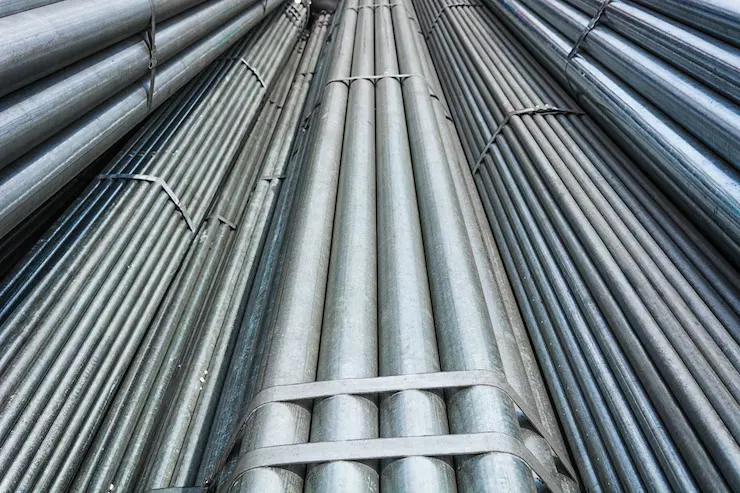
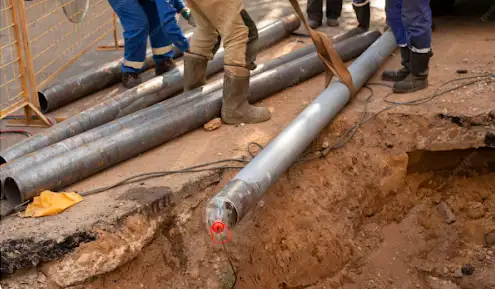
Fire Fighting Piping and Fittings
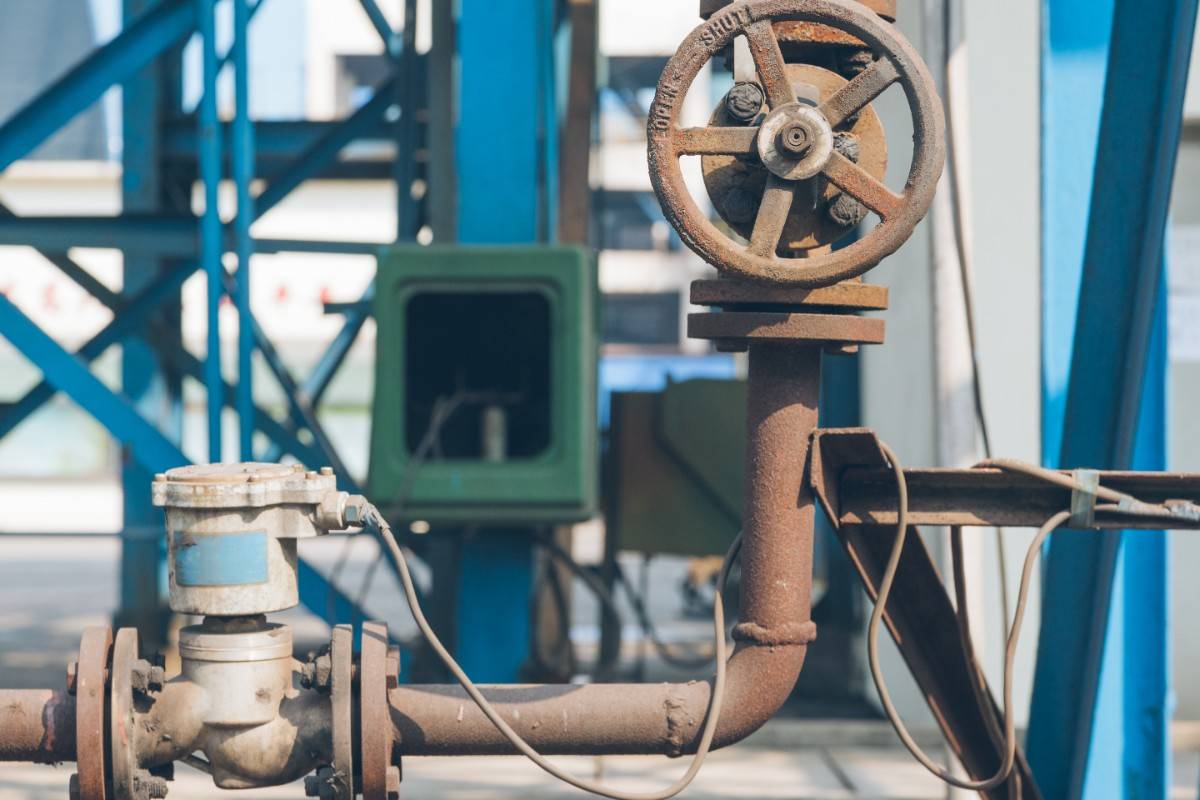
Pipes carry water from the pump all the way to every sprinkler, hydrant, and hose station in the building, and fittings connect those pipes at every turn, branch, and size change. The material and rating of both need to match the pressure the system is designed to handle.
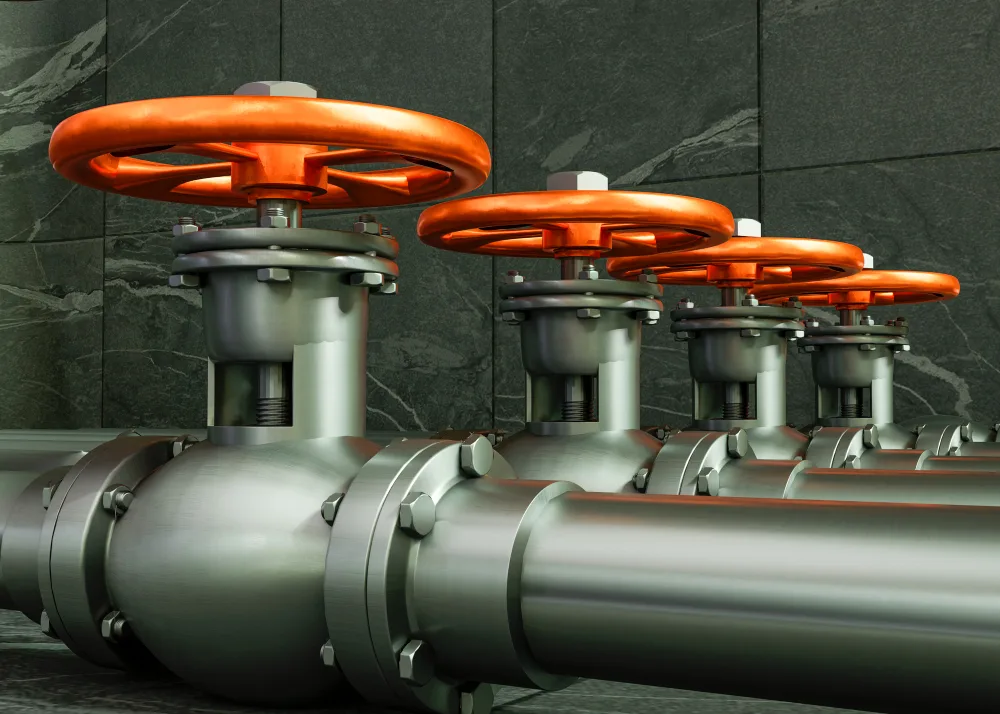
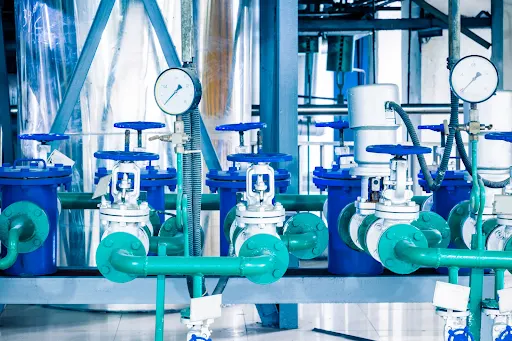
Fire Protection Valves and Control Assemblies
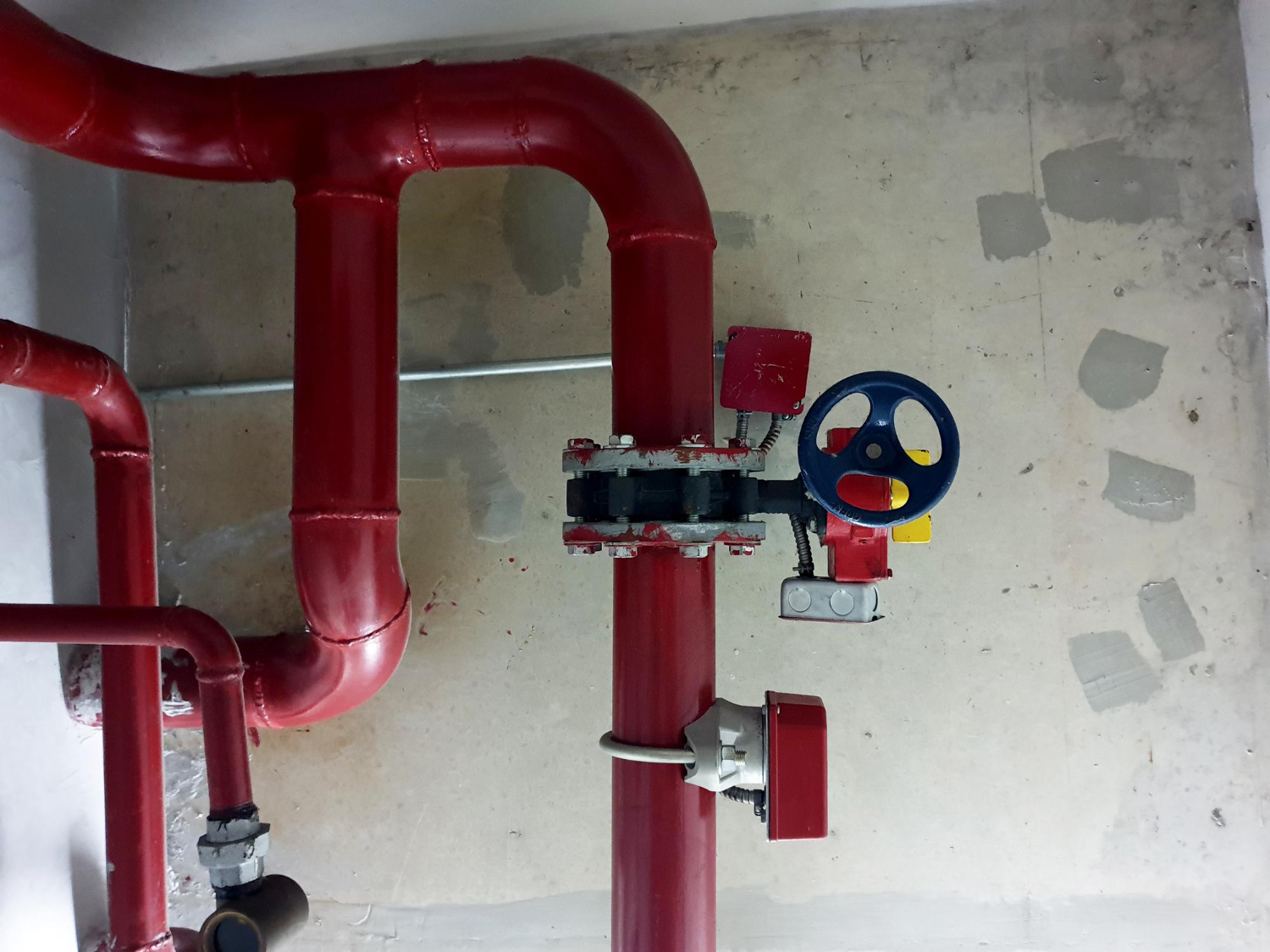
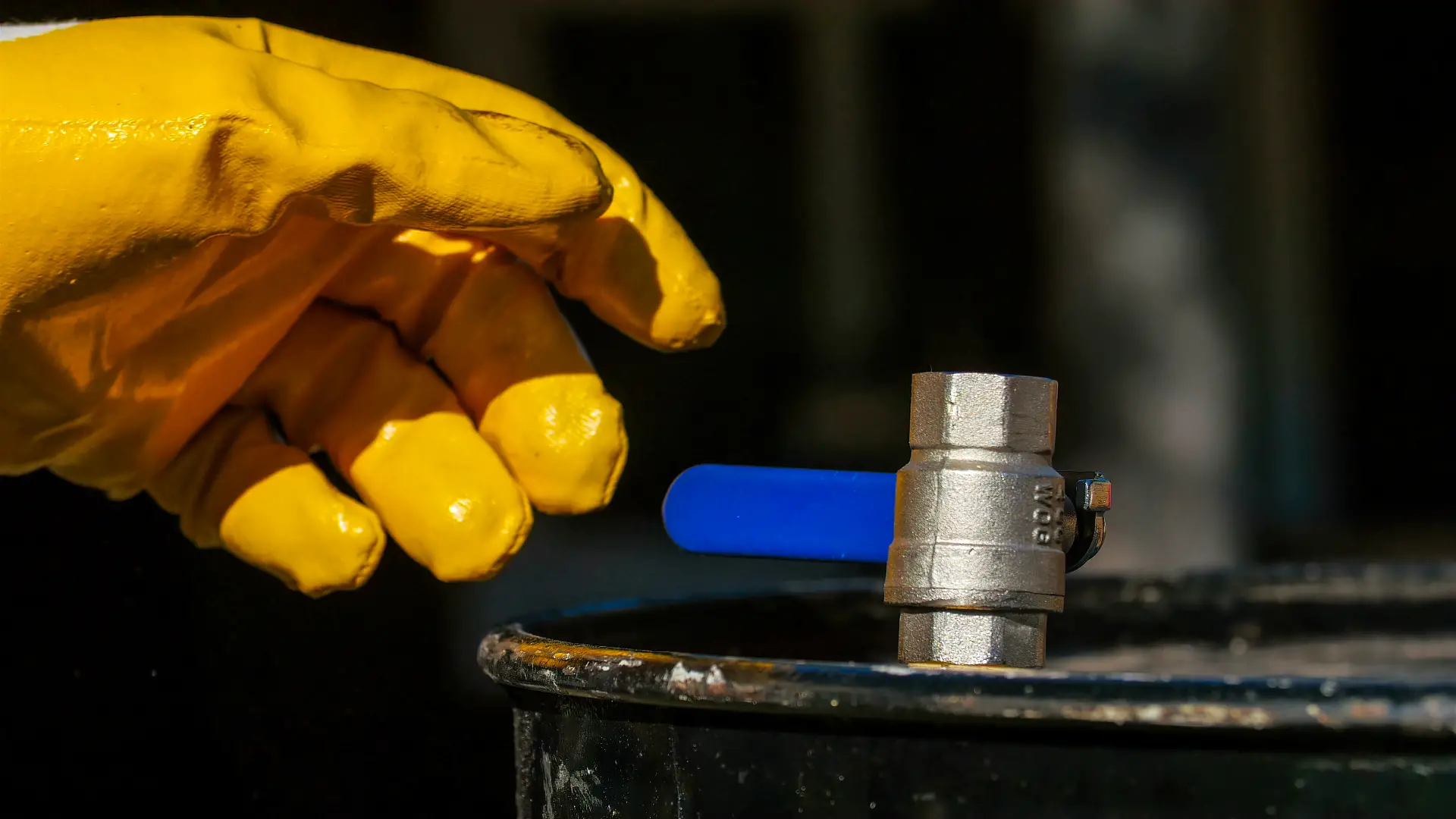
Valves control where water goes and when, whether that's isolating a section for maintenance or releasing water automatically during a fire. Each valve type does a different job, so the checklist needs to cover more than just "valves" as one line item.
Sprinkler System Components
Sprinkler heads, branch pipes, and the fittings that hold them all need to be included separately from the main piping network. These are the components that actually release water where the fire is, so their spacing and rating matter as much as their material.
Hydrant and Hose Reel Components
Hydrants and hose reels give firefighters and building occupants direct access to water, and they need their own valves, couplings, and hose connections on the list. These often get overlooked because they sit outside the main piping conversation, but they're just as essential.
Monitoring, Alarm, and Supervisory Components
Alarm bells, flow switches, and pressure gauges tell you the system is working, or warn you the moment something isn't. These components rarely get much attention during planning, yet they're what actually alert people when the system activates.
Pipe Supports, Hangers, and Installation Accessories
Pipes need to be properly supported so they don't sag, shift, or put stress on joints over time, and that means hangers, brackets, and anchors belong on the checklist too. Skipping this category is a common reason systems develop problems years after installation.
Which Fire Fighting Materials Does Your Project Actually Need?
Not every project needs everything on a full checklist, and that's exactly why copying someone else's list rarely works. A small warehouse with a basic sprinkler system needs a very different set of fire fighting materials than a high-rise building with a fire pump room, standpipes, and a deluge system for a hazardous storage area. The right approach is to start with the building's occupancy type and fire risk, then build the material list around what that specific project actually requires.
Here's a general starting point most projects will need in some form:
- Fire water storage tank and related fittings
- Fire pump, jockey pump, and pump room accessories
- Main distribution piping and fittings
- Isolation and control valves
- Sprinkler heads and branch piping
- Hydrants, hose reels, and hose cabinets
- Alarm and monitoring devices
- Pipe supports and installation hardware
Fire Fighting Piping Materials Checklist
| Pipe Material | Typical Application | Key Selection Factors | Applicable Approval/Standard to Verify |
| Black Steel (Schedule 40) | Wet sprinkler branch lines, threaded connections under 2 inches | Threading compatibility, corrosion protection needed | UL/FM listing, ASTM A53 |
| Black Steel (Schedule 10) | Larger main runs above 2.5 inches, grooved connections | Lower cost, faster installation with grooved couplings | UL/FM listing, ASTM A795 |
| Galvanized Steel | Wet-pipe branch lines, hydrant laterals | Zinc coating for corrosion resistance in constant water contact | UL/FM listing, ASTM A53 |
| Black Steel (welded, larger diameter) | Fire pump headers, cross-mains, 6 to 12 inches | Requires painting or coating for corrosion protection | ASTM A53/A106 |
| Ductile Iron | Underground fire mains | Strength for buried service, joint type for soil conditions | AWWA C151 for pipe, AWWA C110/C153 for fittings |
| HDPE | Underground fire service mains | Corrosion-free, needs UL listing for fire service | AWWA C906, UL listing |
| CPVC (where permitted) | Light hazard or residential occupancies only | Not permitted above ground in most commercial or industrial projects | Manufacturer's UL/FM listing, local authority approval |
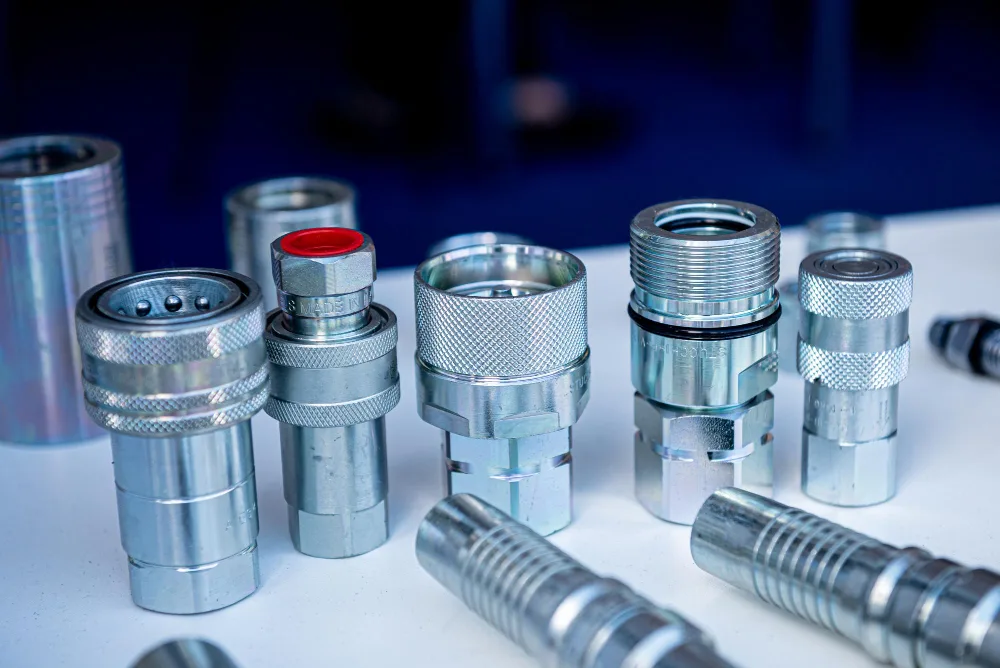
Fire Fighting Pipe Fittings and Connection Materials
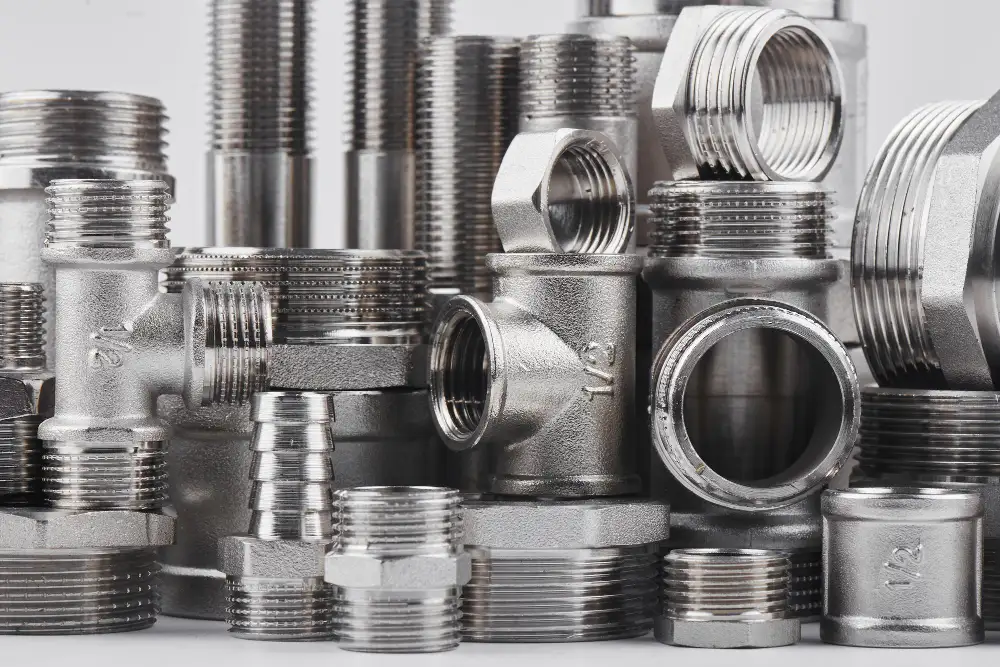
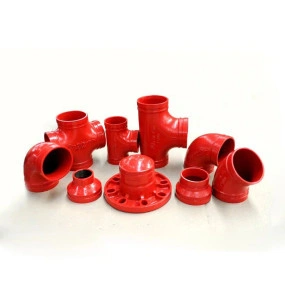
Pipes alone don't make a system work, they need fittings to connect, branch, and change direction at every point in the network. Here's what belongs on your fittings list and where each type is used.
Elbows and Bends
Elbows change the direction of a pipe run, usually at 45 or 90 degree angles, and they need the same pressure rating as the pipe they're connected to. Using the wrong rating here creates a weak point that's easy to miss during installation.
Tees and Crosses
Tees and crosses split a single pipe into two or three directions, feeding branch lines off the main run. These see constant flow changes, so their material and rating need to match the busiest part of the system, not just the average.
Reducers
Reducers step a pipe down from a larger diameter to a smaller one as flow requirements change along the run. Getting the reduction size right keeps pressure loss to a minimum at each transition point.
Couplings
Couplings join two pipe sections together in a straight line, either by threading, grooving, or welding depending on the pipe type. The coupling method needs to match how the rest of the system was assembled, mixing methods on the same run causes problems.
Mechanical Tees and Branch Connections
Mechanical tees let you add a branch line onto an existing pipe without cutting and welding a full fitting in. They're a fast, common solution for adding sprinkler branches or hydrant connections after the main line is already installed.
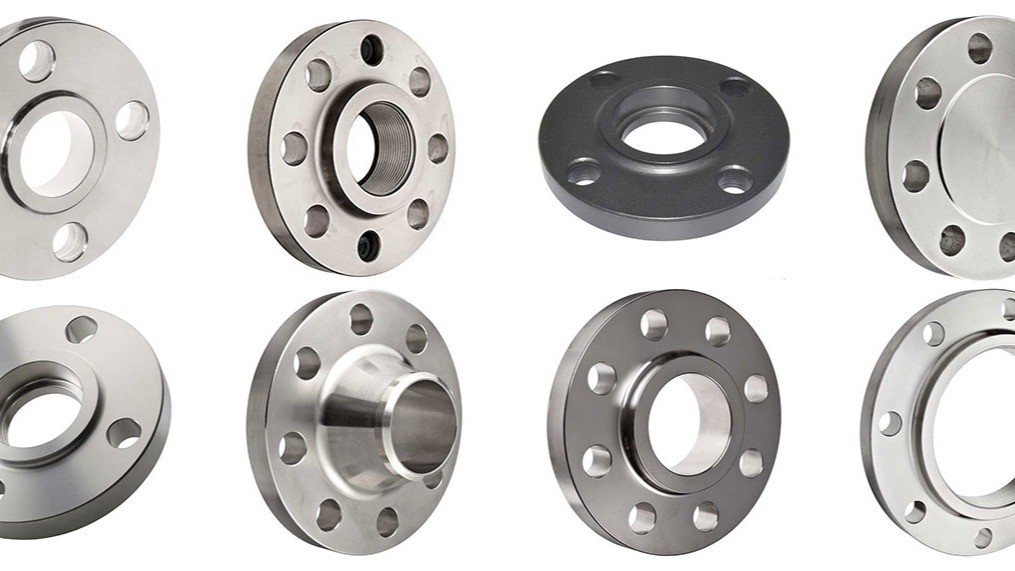
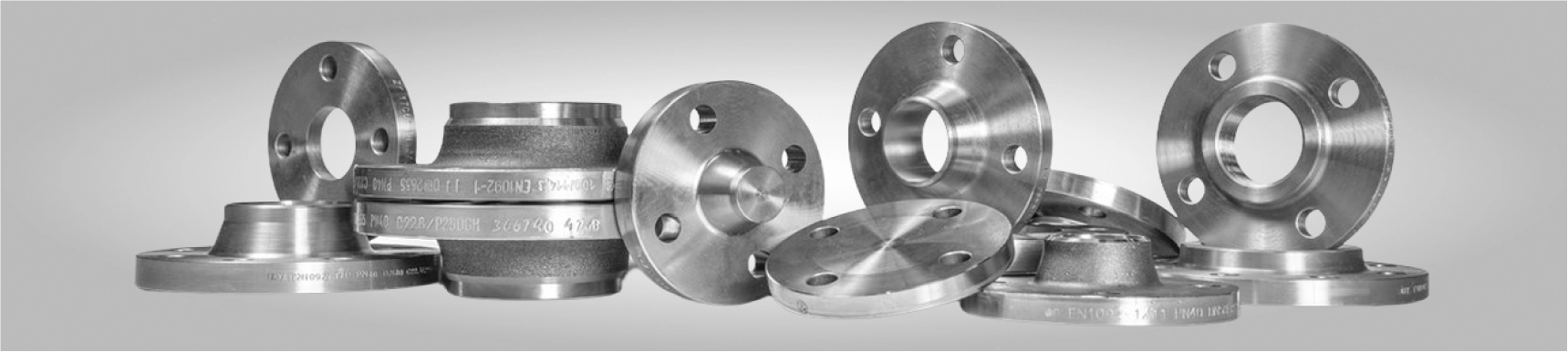
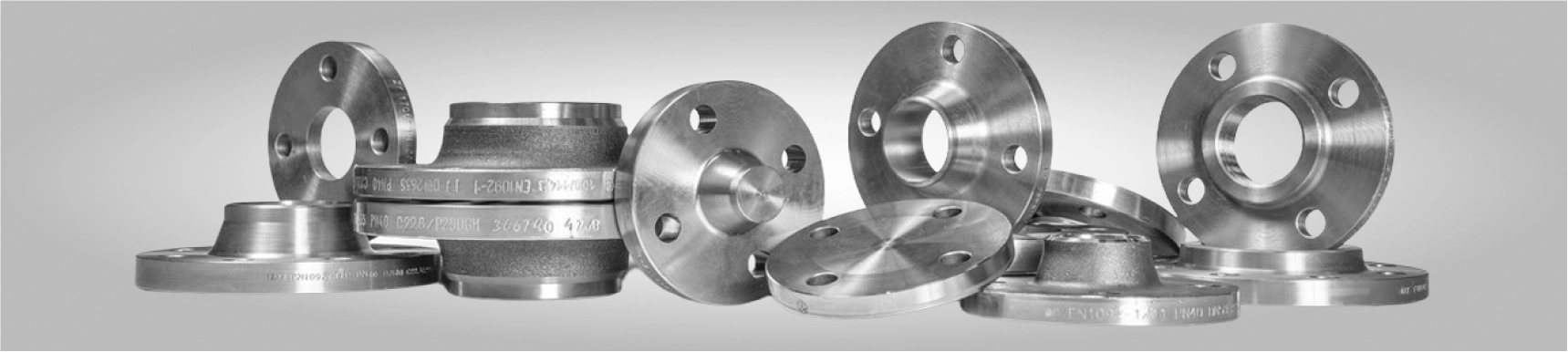
Flanges and Flanged Connections
Flanges connect larger pipe sections, valves, and equipment using a bolted joint rather than threading or welding. They're common wherever a section needs to be disconnected easily for maintenance, like around pumps and major valves.
Grooved Fittings
Grooved fittings use a mechanical coupling system instead of threading or welding, which speeds up installation significantly on larger pipe runs. They've become the standard choice for main distribution lines in many commercial projects.
Flexible Connections
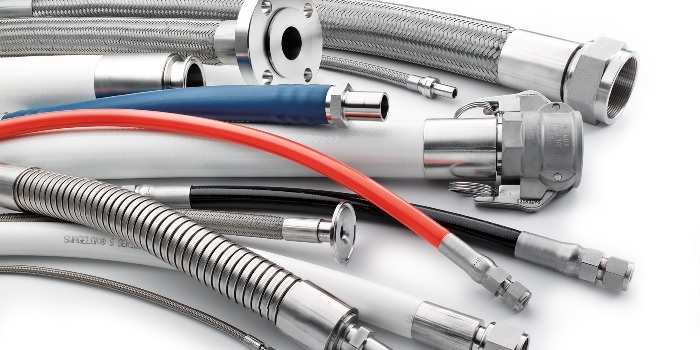
Flexible connections absorb movement and vibration between pipe sections, particularly near pumps or where a building has seismic joints. Skipping these in the wrong location can lead to stress cracks over time.
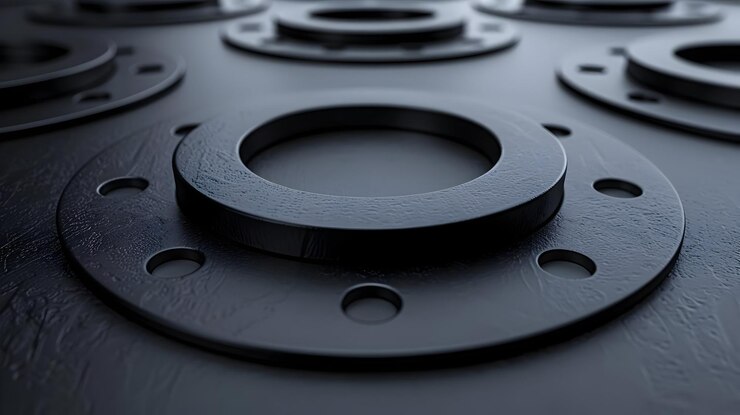
Gaskets, Bolts, and Sealing Components
Every flanged or mechanical joint needs the right gasket, bolts, and sealing material to hold pressure without leaking. These small components rarely get much attention on a material list, but a mismatched gasket can undo an otherwise correct installation.
What Valves Are Needed in Fire Protection Systems?
A fire system needs several different valve types, each doing a specific job rather than one valve handling everything. Here's what each one actually does.
Gate Valves
Gate valves are used for full isolation of a section of pipe, either fully open or fully closed with nothing in between. They're common at the base of risers and at points where a section needs to be shut off for maintenance.
Butterfly Valves
Butterfly valves do a similar isolation job to gate valves but take up less space and operate faster with a quarter turn. They're a common choice on larger pipe diameters where space and speed of operation both matter.
Check Valves
Check valves let water flow in one direction only, stopping it from flowing backward through the system. They're typically installed right after the fire pump to prevent water from draining back once the pump shuts off.
Alarm Check Valves
Alarm check valves sit on wet sprinkler systems and trigger an alarm the moment water starts flowing through them. This is what tells the building, and often the fire department, that a sprinkler has actually activated.
Deluge Valves
Deluge valves stay closed until a detection system signals a fire, then open fully to release water through every sprinkler or nozzle on that section at once. They're used in high-hazard areas where a fire needs to be hit with water immediately and everywhere, not sprinkler by sprinkler.
Pressure-Reducing and Pressure-Control Valves
Tall buildings often have too much water pressure at the lower floors, and pressure-reducing valves bring that pressure down to a safe, usable level. Without them, hose stations on lower floors could deliver more force than a person can safely control.
Pressure Relief Valves
Pressure relief valves protect the system from pressure spikes, particularly right after a pump starts, by releasing excess pressure before it can damage pipes or fittings. They're a small but important safeguard for the whole network.
Test and Drain Valves
Test and drain valves let technicians test the alarm system and drain water from a section of pipe during maintenance, without shutting down the entire system. They make routine inspection and servicing far simpler.
Control and Isolation Valves
Control and isolation valves let you shut off individual sections of the system, a specific floor or zone, without affecting the rest of the building. This keeps maintenance work contained instead of taking the whole system offline.
Fire Pump Room Material Checklist
| Component | Function | Selection/Verification Point |
| Fire Pump (electric or diesel) | Supplies water at the required flow and pressure | Match to hydraulic calculation, UL/FM listing |
| Jockey Pump | Maintains system pressure between fire events | Correctly sized to avoid nuisance pump starts |
| Pump Controller | Starts and monitors the pump automatically | Compatible voltage, listed for fire pump service |
| Suction and Discharge Piping | Connects pump to water source and distribution network | Correct diameter, pressure rating, and support |
| Pressure Gauges | Show suction and discharge pressure at a glance | Calibrated, correct pressure range for the system |
| Relief Valve | Prevents overpressure at pump startup | Set point matched to system design pressure |
| Test Header | Allows periodic flow testing of the pump | Accessible location, correctly sized outlets |
Sprinkler System Material Checklist
| Component | Function | Selection/Verification Point |
| Sprinkler Heads | Release water automatically when heat is detected | Match hazard classification and temperature rating |
| Branch Piping | Carries water from the main line to each sprinkler | Correct diameter for expected flow at that section |
| Cross Mains | Feeds multiple branch lines across a floor or zone | Sized per hydraulic calculation, not guesswork |
| Sprinkler Fittings | Connect branch lines to individual sprinkler heads | Rated for the same pressure as the piping system |
| Flow Switch | Detects water movement and signals the alarm | Positioned correctly on the riser or branch line |
| Pipe Hangers | Support sprinkler piping at required intervals | Spacing per applicable standard, correct material for wet or dry areas |
Hydrant, Hose Reel, and Standpipe Material Checklist
| Component | Function | Selection/Verification Point |
| Fire Hydrant | Provides an external water connection for fire crews | Flow rate and pressure matched to site requirements |
| Hose Reel | Gives building occupants direct access to water | Hose length and reach appropriate for the space it serves |
| Standpipe | Carries water vertically through a multi-story building | Sized for simultaneous hose demand at multiple floors |
| Hose Cabinet | Houses hose, nozzle, and reel at each floor | Correct sizing and accessible placement |
| Landing Valve | Allows fire crews to connect hoses at each floor | Pressure-rated for the standpipe it's connected to |
| Fire Department Connection | Lets external pumper trucks supply extra water into the system | Correctly sized and clearly accessible from outside |
What Materials Are Needed for Deluge and Water Spray Systems?
Deluge and water spray systems are built for high-hazard areas where a fire can spread fast, so their materials differ slightly from a standard sprinkler setup. Here's what goes into one of these systems.
Deluge Valves
Deluge valves stay shut until a separate detection system triggers them, then open completely to flood the entire section at once. This is the central component that makes the whole system work, so its rating and reliability matter more than almost anything else on the list.
Water Spray Nozzles
Water spray nozzles release water in a wide pattern rather than a single stream, designed to cover equipment or storage areas evenly. They're chosen based on the coverage pattern the hazard actually requires, not a generic spacing rule.
Detection and Release Components
Heat or flame detectors sense the fire and send a signal that opens the deluge valve automatically. These components need to be rated for the specific hazard, since a slow or unreliable detector defeats the purpose of a fast-acting system.
Open Sprinkler or Spray Devices
Unlike standard sprinklers, these devices are open at all times and only release water once the deluge valve opens behind them. That means the whole section floods together instantly, rather than activating one sprinkler at a time.
Control and Isolation Valves
Even in a deluge system, isolation valves are needed to shut off a section for testing or maintenance without disabling detection elsewhere. These need to be clearly labeled, since accidentally leaving one closed defeats the entire system.
How Do You Select Fire Fighting Piping and Components?
Selecting the right materials starts with understanding the hazard the system is protecting against, not just picking whatever's cheapest or most familiar. A light hazard office building has very different pressure and flow needs than a warehouse storing flammable materials, and that difference should shape every material choice on the list, from pipe schedule to valve type.
Once the hazard level is clear, the next step is confirming every component carries the right approval for the project, whether that's UL, FM, or the local civil defense authority. Pressure rating, corrosion resistance, and compatibility between connected parts all need to be checked together, since a system is only as strong as its weakest connection. Skipping this step to save time upfront almost always costs more later, either in rework or in a system that doesn't perform when it's actually needed.
What Are the Most Common Fire Fighting Material Procurement Mistakes?
Even experienced contractors run into the same handful of procurement mistakes on fire protection projects. Here's what tends to go wrong most often.
Using a Generic Material List for Every Project
Reusing the same checklist across different projects ignores the fact that hazard levels, building size, and local requirements all change from one job to the next. What worked for one building rarely fits another exactly.
Ordering Materials Before Finalising the System Design
Ordering pipe and fittings before the hydraulic design is complete often means reordering once actual sizes and quantities are confirmed. This mistake wastes both time and money that a short delay at the start would have saved.
Selecting Components by Size Without Checking Rating
A fitting or valve that's the right physical size but the wrong pressure rating can still fail under real operating conditions. Size alone never tells the whole story.
Mixing Incompatible Piping and Connection Components
Combining threaded, grooved, and welded components without checking compatibility creates weak points throughout the system. Every connection type needs to match what it's being joined to.
Ignoring Project-Specific Authority Requirements
Local fire authorities often add requirements beyond the general standards, and missing these can delay approval even after installation is complete. It's worth confirming local rules before finalising any order.
Ordering Equipment Without Required Documentation
Fire protection equipment usually needs certificates, test reports, and listing documentation to pass inspection. Ordering without confirming this paperwork is included often causes delays right before handover, when there's no time left to fix it.
How Do You Choose a Fire Fighting Material Supplier?
The right supplier does more than just ship what's on your order, they help make sure what's on that order is actually correct for your project. A good fire fighting material supplier should be able to confirm approvals, pressure ratings, and material compatibility before anything leaves the warehouse, not after it shows up wrong on site.
At Alkun Steel, this is exactly how we work with our clients on fire protection projects across the region. We supply the pipes, fittings, valves, and accessories fire protection systems depend on, and our team helps confirm the right specification for your project before you place the order. If you're putting together a material list for an upcoming fire protection project, we're happy to walk through it with you.
Conclusion
A complete fire fighting material checklist isn't just a shopping list, it's the foundation the entire system's reliability is built on. From the pipes and fittings buried underground to the alarms that signal when something's wrong, every component on that list plays a role in whether the system performs when it actually matters.
Take the time to match materials to your project's specific hazard level and local requirements, confirm the right approvals are in place, and avoid the shortcuts that turn into bigger problems later. A fire protection system built on the right materials from day one is one you can count on not having to think about again, until the day it's actually needed.
FAQs
1.What materials are required for a fire fighting project?
Water supply components, pumps, piping and fittings, valves, sprinklers, hydrants, alarm devices, and pipe supports all need to be included.
2. What pipes are commonly used in fire protection systems?
Black steel, galvanized steel, ductile iron, and HDPE are the most common, chosen based on whether the run is above or below ground.
3. What fittings are used in fire fighting piping systems?
Elbows, tees, reducers, couplings, flanges, and grooved fittings connect pipes at every turn and branch in the system.
4. What valves are used in fire protection systems?
Gate, butterfly, check, alarm check, deluge, pressure-control, and isolation valves each serve a different function in the network.
5. What is included in a fire fighting material checklist?
A checklist should cover water supply, pump room equipment, piping, fittings, valves, sprinklers, hydrants, alarms, and installation accessories.
6. How do you select fire fighting piping materials?
Match the pipe material and rating to the system's hazard level, pressure requirements, and applicable approval standards.
7.How can fire fighting material procurement delays be avoided?
Finalise the system design before ordering, confirm approvals and documentation upfront, and avoid generic material lists that don't match the project.
Related Articles

The Complete Buyer's Guide to Industrial Gratings: GI vs Stainless Steel vs Aluminium vs Ductile Iron
Read More

Chequered Plate Buying Guide: MS vs GI vs Stainless Steel Checker Plates Compared
Read More
C-Channel vs U-Channel: Sizes, Uses & How to Choose the Right Structural Steel Channel
Read More


Valves Used in District Cooling Systems: Types, Functions, and Selection Criteria
Read More
Threaded vs Socket Weld vs Butt Weld Fittings: Which Is Right for Your Project?
Read More
Carbon Steel vs Stainless Steel Pipes: Cost, Performance, and Application Comparison
Read More


How Fire Fighting Valves Ensure Safe and Efficient High-Pressure Water Systems
Read More




Stainless Steel Buttweld Fittings For Offshore Shipbuilding And Platform Piping
Read More
Industrial Valves, Hoses & Gaskets: Alkun Steel’s Solutions for the Tanks & Pumps Industry
Read More
Corrosion-Resistant Valves, Flanges & Joints: Alkun Steel’s Petrochemical Solutions
Read More
Why Alkun Steel Is A Reliable Supplier Of Essential Products In The Oil Drilling & Rig Industry
Read More

Reliable Industrial Components For Fire Fighting Applications: Alkun Steel’s Trusted Solutions
Read More
Why Alkun Steel Is A Reliable Supplier Of Essential Products In The Fabrication Industry
Read More

Industrial Valves, Hoses & Gaskets: Alkun Steel’s Solutions For Aviation Maintenance
Read More

Best Weld Neck, Slip-On, And Blind Flanges For Critical Oil & Gas Connections
Read More
Best Industrial Fasteners for Heavy Equipment Assembly and Structural Steel Projects
Read More