How to Compare Industrial Steel Suppliers for Large Projects
Picking from a long list of industrial steel suppliers looks simple on paper. Everyone has a catalogue, a price, and a promise to deliver on time. The trouble starts when the material reaches site, and something does not match what you ordered.
This guide shows you how to judge suppliers side by side, from the factors that matter to the mistakes that quietly eat into budgets. At Alkun Steel, we have spent years on the supply side of these decisions, so we know what buyers wish they had asked earlier. Use it as a checklist before you sign anything.
What to Evaluate When Comparing Industrial Steel Suppliers
Before you open a single quote, decide what a good outcome looks like for your project. A pipeline job and a fabrication yard need different things from a supplier, even when the steel grade is the same. Write down your grades, quantities, deadlines, and documentation needs first. That gives you a yardstick, and it stops the loudest sales pitch from setting the terms when you compare steel suppliers.
Then look past the brochure. Good industrial steel procurement is less about who sounds confident and more about who can prove what they claim. Ask for stock records, past supply references, and sample certificates. A supplier who answers these quickly and clearly usually runs the rest of the job the same way.
8 Factors to Compare When Choosing an Industrial Steel Supplier
No single factor decides the winner. Weighing all eight together shows you which supplier can actually carry your project.
Here is what to look at under each one.
1. Product Range and Material Availability
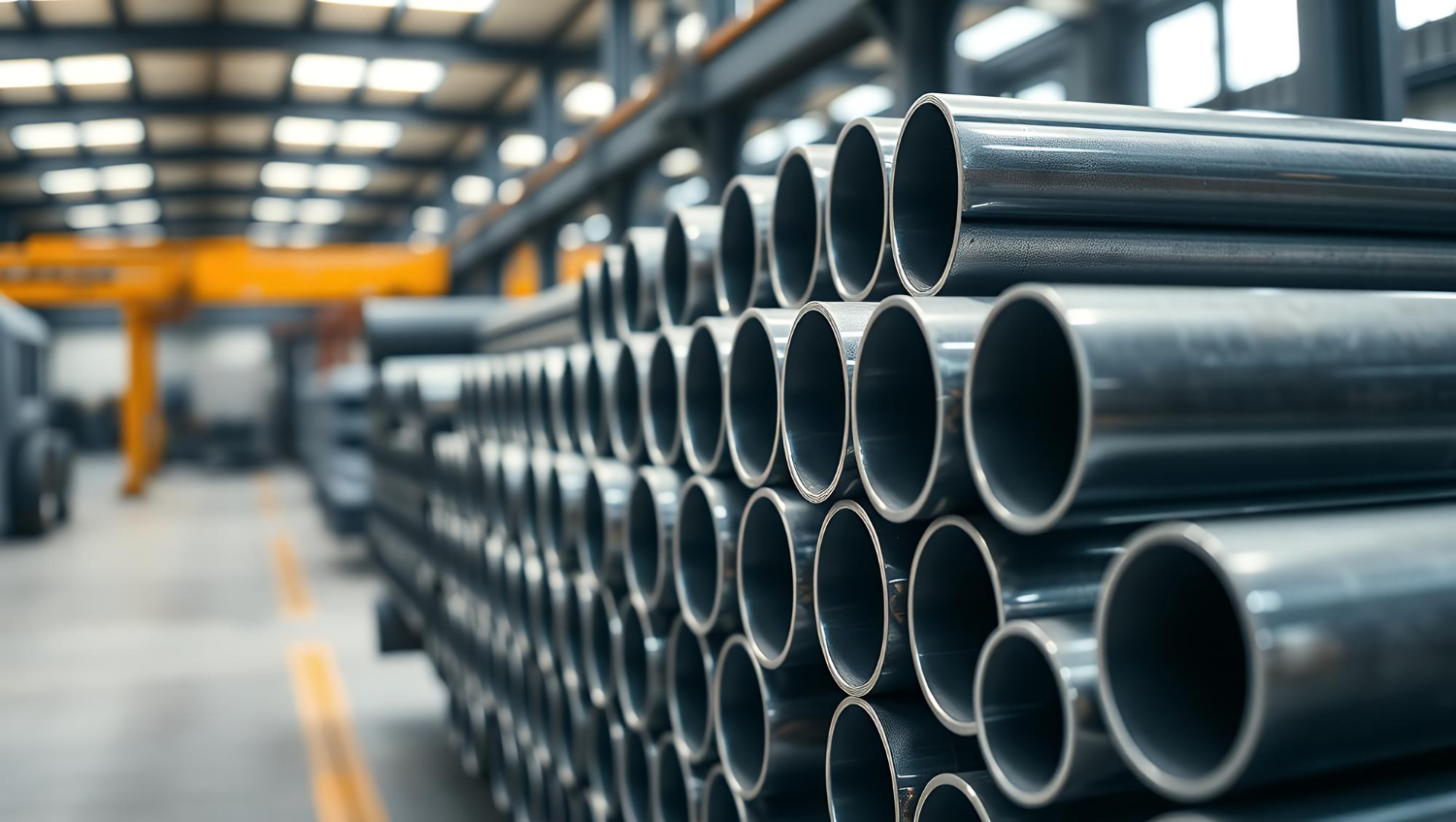
A wider range means fewer suppliers to manage and fewer gaps in your order. Check that they cover the grades, sizes, and forms your project calls for, not just the headline items. If they stock industrial steel materials across pipes, fittings and plates, you can often place one order instead of three.
2. Steel Quality and Technical Compliance
Steel has to meet the grade named in your specification, whether that is ASTM, API or EN. Ask which standard each product is made to and request the chemical and mechanical limits. If a supplier cannot name the standard, treat that as a warning sign.
3. Certifications, Material Test Certificates and Traceability
Every batch should arrive with a Material Test Certificate that links back to a heat number. According to Project Materials, EN 10204 type 3.1 is the standard certificate type for oil and gas, chemical, and power projects because it reports actual test results for the delivered batch. ISO 9001 is useful, but the International Accreditation Forum points out that it covers a company's quality system, not the product, so it should never replace batch documents.
4. Pricing and Total Procurement Cost
The unit price is only one line in the real cost. Freight, duties, testing, wastage and delays all add up after the quote is signed. Ask for a full landed cost so you are comparing like with like.
5. Stock Availability and Bulk Supply Capacity
A listed item is not the same as an item on the shelf. Ask for confirmed quantities and how fast a supplier can replenish if your order grows. Strong bulk steel suppliers can split deliveries without changing the batch or the certificate.
6. Delivery Time and Logistics Capabilities
Late steel stalls crews, rented equipment and entire schedules. Ask for realistic lead times, packing standards and how they handle port clearance and inland transport. Get a delivery plan in writing, not just a date.
7. Industry Experience and Previous Project Supply
A supplier who has served projects like yours already knows where things tend to go wrong. Ask for references from jobs of similar size and similar materials. Past supply to oil, gas or infrastructure work tells you more than the number of years in business.
8. Customer Support and Technical Assistance
Questions come up before, during and after delivery. Notice how fast and how clearly the team answers while you are still at the quoting stage. Clear technical help at that point usually carries through to documentation and after-sales.
How to Compare Industrial Steel Supplier Quotations
Put every quote into one sheet and line them up row by row: grade, size, thickness, tolerance, quantity, certificate type, delivery terms, payment terms, lead time, and validity. Where a quote is silent on any of these, ask. Do not assume it matches the others. Then convert each offer into a landed cost, including freight, duties and testing, so the numbers mean the same thing across suppliers. A quote that looks cheap often turns out to be missing something, and a slightly higher one often turns out to be complete. Once everything is on the same footing, the real differences between suppliers become easy to see.
How to Evaluate and Select a Steel Supplier for a Large Project
Choosing a steel supplier for large projects works best as a process, not a gut call. Follow these four steps in order, and the decision becomes much easier to defend.
Here is how each step works.
1. Define the Complete Project Material Requirements
List every grade, size, quantity, standard, and certificate you need before you contact anyone. A complete list means every supplier quotes against the same thing.
2. Shortlist Suppliers With Relevant Product and Project Experience
Narrow your list to suppliers who stock your materials and have supplied similar projects. Three to five serious candidates is enough to compare.
3. Verify Material Specifications and Documentation
Ask for sample MTCs and datasheets for your exact grades, then check heat numbers and standards against your specification. Do this before ordering, not after the material lands.
4. Compare Total Procurement Costs
Add freight, duty, testing, inspection and the cost of delay to each quote. The cheapest unit price often slips down the ranking once these are included.
Common Mistakes to Avoid When Comparing Industrial Steel Suppliers
Most procurement problems trace back to a handful of repeat mistakes. They are easy to make when deadlines are tight and quotes are piling up.
Keep an eye out for these.
- Choosing a supplier based solely on the lowest unit price.
- Assuming a listed product is available in the required quantity.
- Comparing quotations with different material specifications.
- Overlooking dimensions, thickness and tolerances.
- Treating ISO certification as proof of individual material conformity.
- Failing to verify MTCs and material traceability.
Conclusion
Comparing suppliers is really about removing guesswork. When you define your requirements, check the paperwork and look at total cost, the best option usually stands out on its own. The cheapest quote and the best supplier are rarely the same name.
If you are weighing an industrial steel supplier in the UAE for your next large order, start with the checklist above and ask the hard questions early. We are always happy to talk through specifications, stock, and documentation with you, so send us your requirement, and we will take it from there.
FAQs
1. How do I compare industrial steel suppliers?
Line up quotes against the same specification, then compare stock, documentation, delivery and total landed cost.
2. What is the most important factor when choosing a steel supplier?
Verified quality and traceability, because steel that fails inspection costs far more than any price difference.
3. Should I choose a steel supplier based on price?
No, price matters, but only after specifications, certificates and delivery capability are confirmed.
4. What documents should I request from a steel supplier?
Ask for Material Test Certificates, datasheets, heat number records, and any inspection or third-party reports your project requires.
5.How can I verify steel quality before purchasing?
Review sample MTCs against your specification and, where needed, arrange third-party inspection or testing.
Related Articles
ADIPEC 2026 Sourcing Checklist: Fittings, Valves & Gaskets UAE Oil & Gas Buyers Should Shortlist
Read More
UAE Construction Pipeline 2027: Emerging Sectors Creating New Demand for Steel & Fittings
Read More

The Complete Buyer's Guide to Industrial Gratings: GI vs Stainless Steel vs Aluminium vs Ductile Iron
Read More

Chequered Plate Buying Guide: MS vs GI vs Stainless Steel Checker Plates Compared
Read More
C-Channel vs U-Channel: Sizes, Uses & How to Choose the Right Structural Steel Channel
Read More

Valves Used in District Cooling Systems: Types, Functions, and Selection Criteria
Read More
Threaded vs Socket Weld vs Butt Weld Fittings: Which Is Right for Your Project?
Read More
Carbon Steel vs Stainless Steel Pipes: Cost, Performance, and Application Comparison
Read More


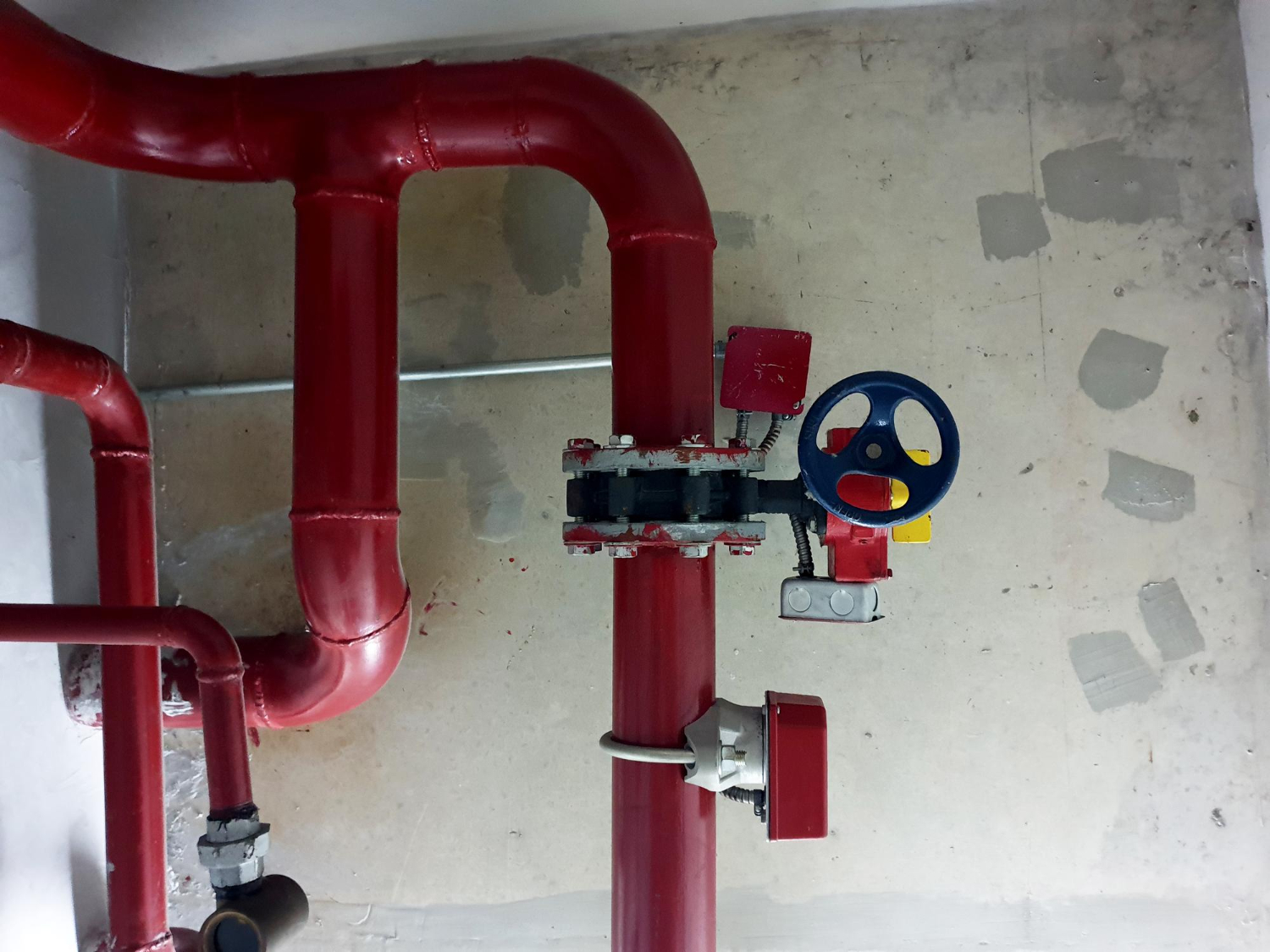
How Fire Fighting Valves Ensure Safe and Efficient High-Pressure Water Systems
Read More
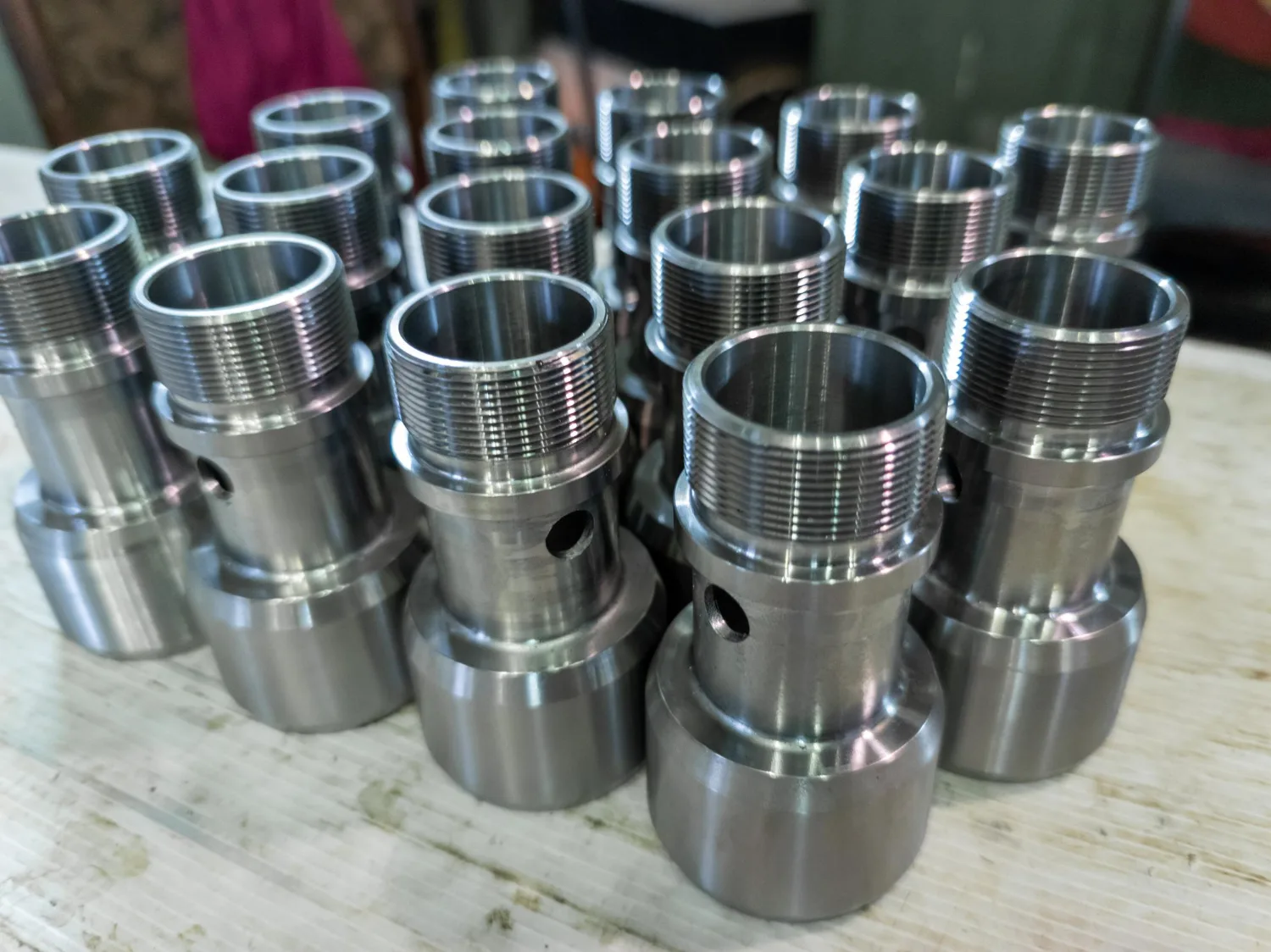



Stainless Steel Buttweld Fittings For Offshore Shipbuilding And Platform Piping
Read More
Industrial Valves, Hoses & Gaskets: Alkun Steel’s Solutions for the Tanks & Pumps Industry
Read More
Corrosion-Resistant Valves, Flanges & Joints: Alkun Steel’s Petrochemical Solutions
Read More
Why Alkun Steel Is A Reliable Supplier Of Essential Products In The Oil Drilling & Rig Industry
Read More


Reliable Industrial Components For Fire Fighting Applications: Alkun Steel’s Trusted Solutions
Read More
Why Alkun Steel Is A Reliable Supplier Of Essential Products In The Fabrication Industry
Read More

Industrial Valves, Hoses & Gaskets: Alkun Steel’s Solutions For Aviation Maintenance
Read More

Best Weld Neck, Slip-On, And Blind Flanges For Critical Oil & Gas Connections
Read More
Best Industrial Fasteners for Heavy Equipment Assembly and Structural Steel Projects
Read More