ADIPEC 2026 Sourcing Checklist: Fittings, Valves & Gaskets UAE Oil & Gas Buyers Should Shortlist
A show with more than 2,250 exhibiting companies is a lot to walk into cold. ADIPEC 2026 runs from 2 to 5 November at ADNEC in Abu Dhabi, and the organisers expect over 239,000 visitors. If you buy fittings, valves or gaskets, finding stands is not the hard part. The hard part is going home with a pile of brochures and no clean way to compare them.
This ADIPEC 2026 sourcing checklist keeps you focused on what counts. At Alkun Steel, we supply these products, so we know the questions buyers wish they had asked sooner. Use it as a guide for what to shortlist, what to check and what to ask before you commit.
What Should Oil and Gas Buyers Look for at ADIPEC 2026?
Start with your own list, not the show floor. Write down the pressure classes, materials, sizes and quantities your upcoming projects need, then rank them by urgency. That makes oil and gas sourcing at a busy event far easier, because every conversation starts from the same page.
Then judge each stand on proof. Good oil and gas procurement depends on paperwork as much as products, so ask for test certificates, standards compliance and stock confirmation up front. If you are weighing oil and gas suppliers in UAE, ask where the material is made, how fast it can ship and who supports you after the order is placed.
Which Industrial Fittings Should Oil and Gas Buyers Shortlist?
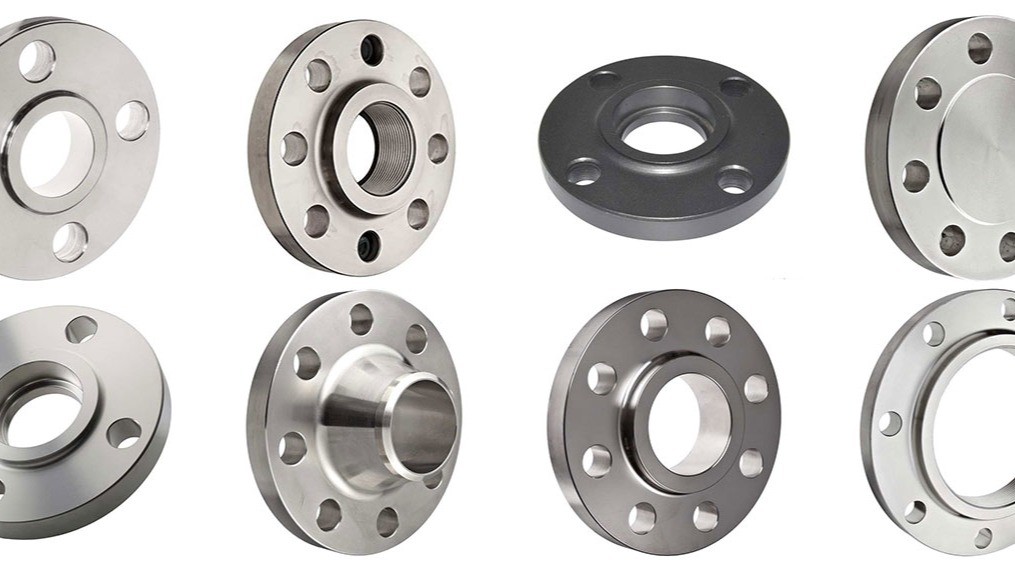
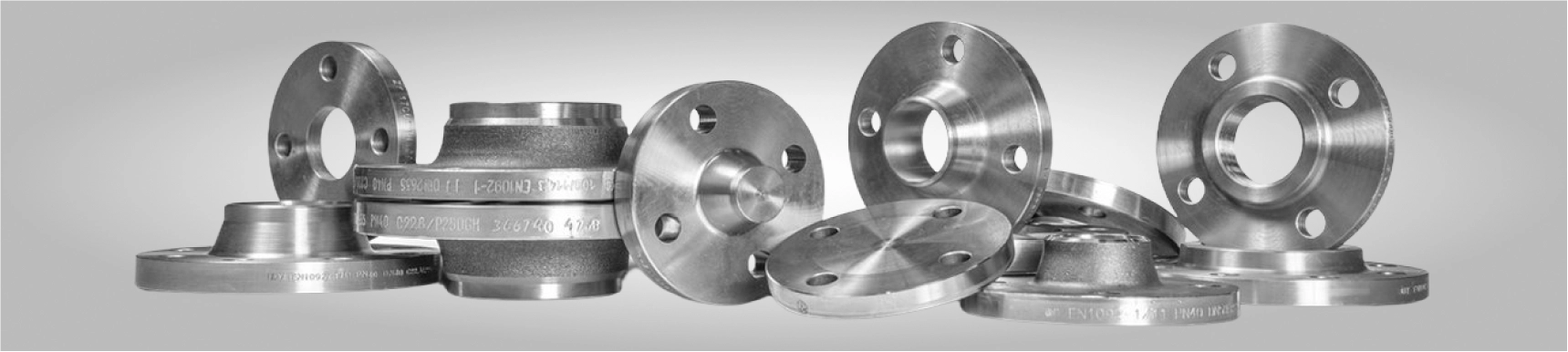
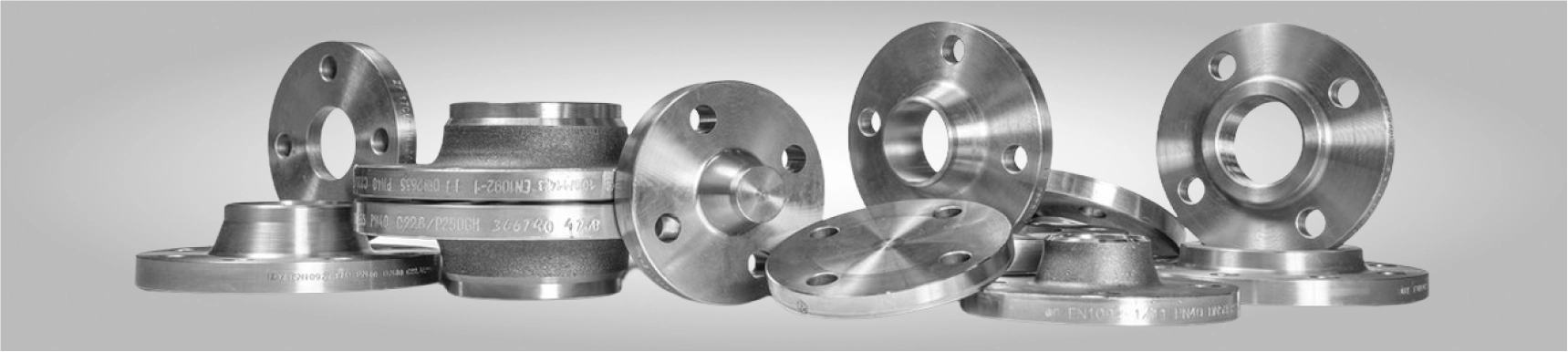
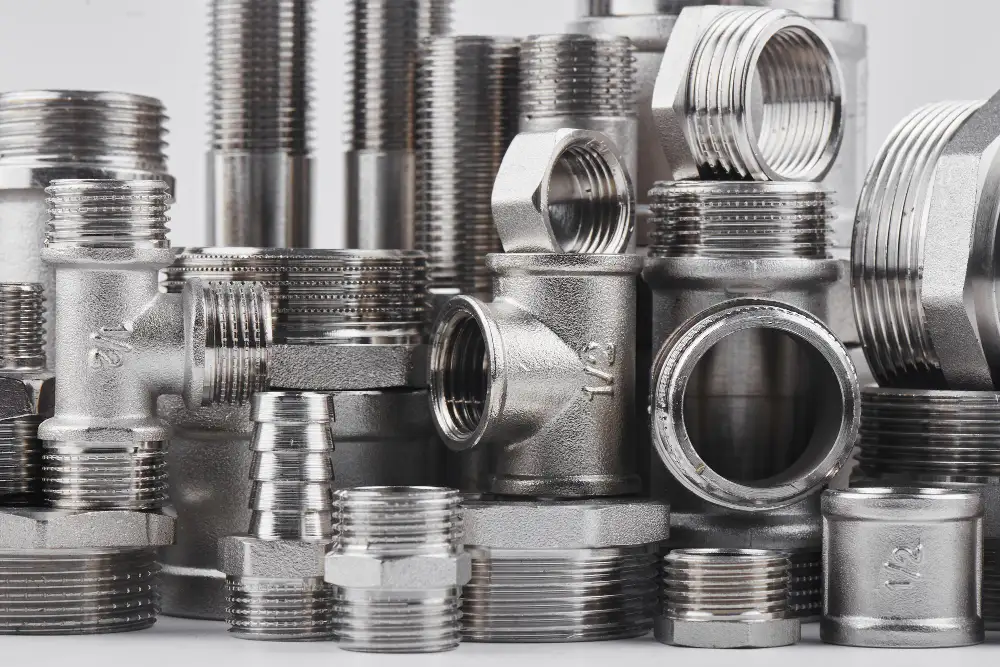
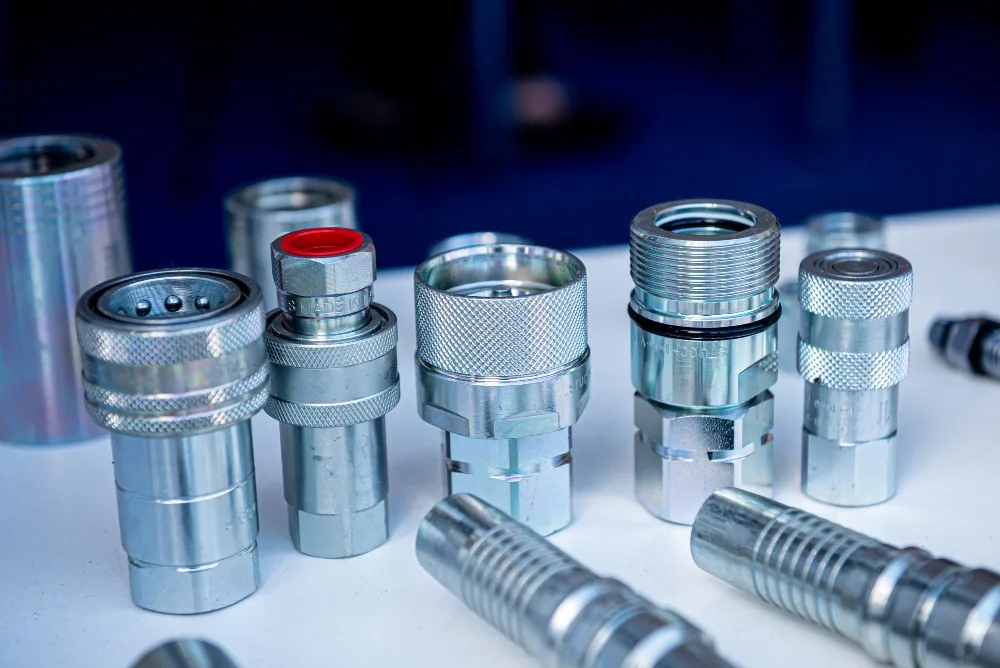
Butt-weld fittings such as elbows, tees, reducers and caps usually come first, followed by forged socket-weld and threaded fittings for small-bore lines, plus flanges to tie it all together. When you shortlist industrial fittings for oil and gas, make sure the range covers the types and sizes in your piping spec. Materials matter just as much, and carbon steel, low-temperature carbon steel, stainless and duplex all turn up in oilfield work.
Check every fitting against your pipe, not against a catalogue. Confirm the dimension standard, which is typically ASME B16.9 for butt-weld fittings, B16.11 for forged fittings and B16.5 for flanges, then match wall thickness, pressure class and material grade. For anything heading into sour service, ask whether the material meets the relevant NACE requirements and request heat-number traceability.
Which Industrial Valves Should Oil and Gas Buyers Consider?
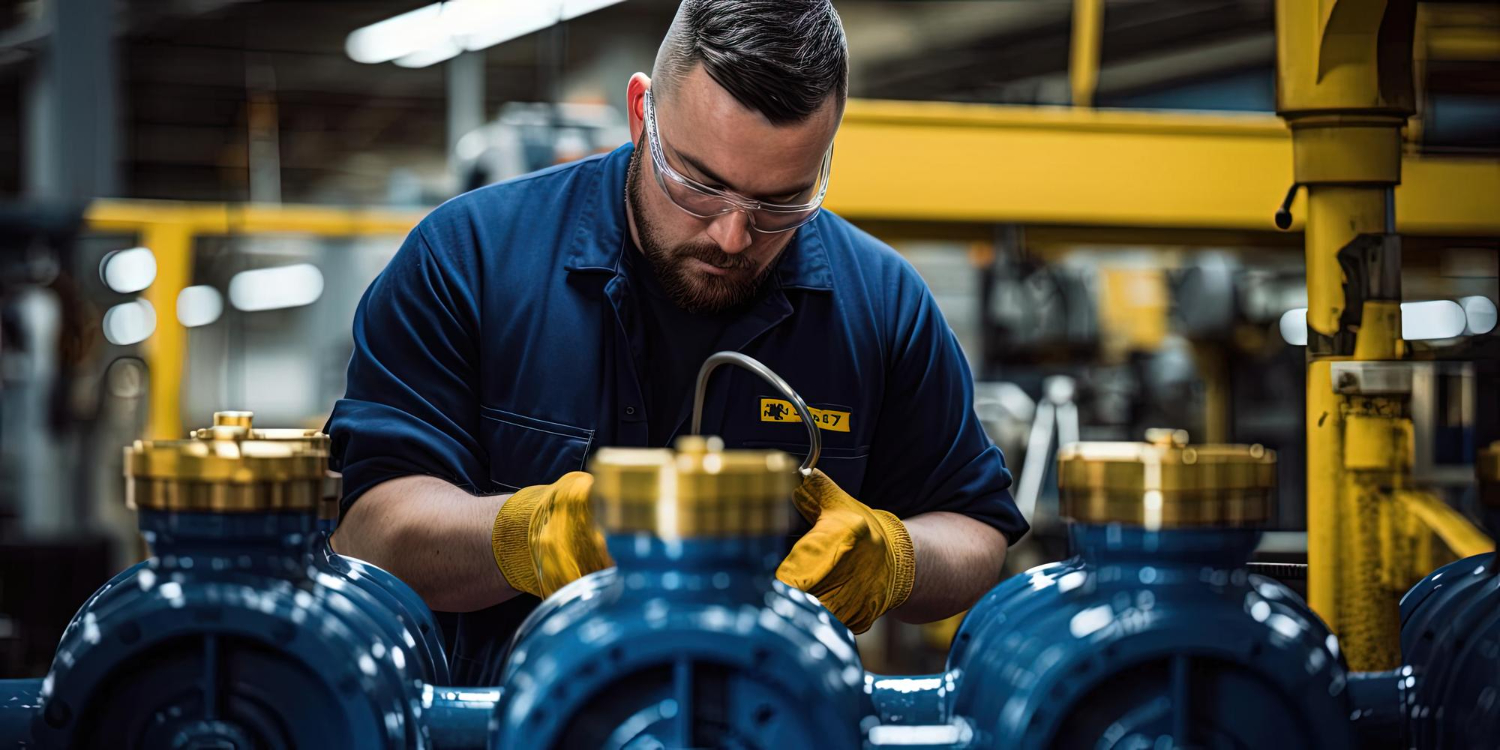
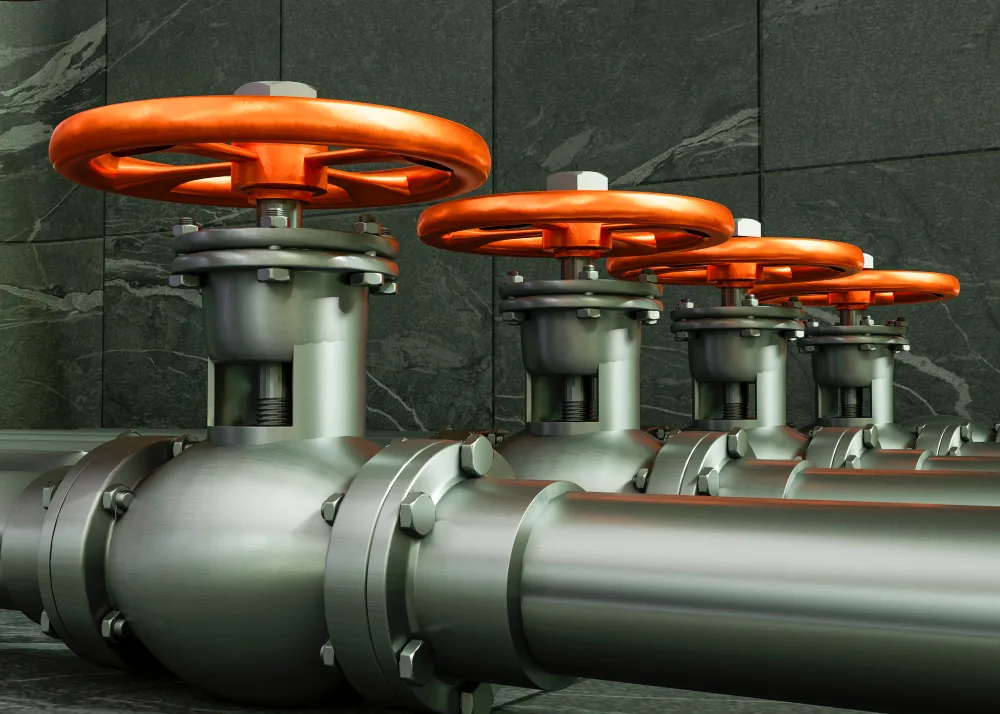
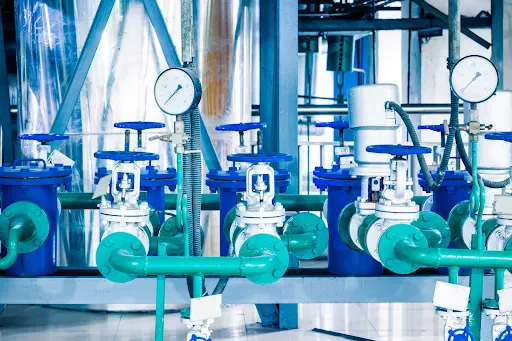
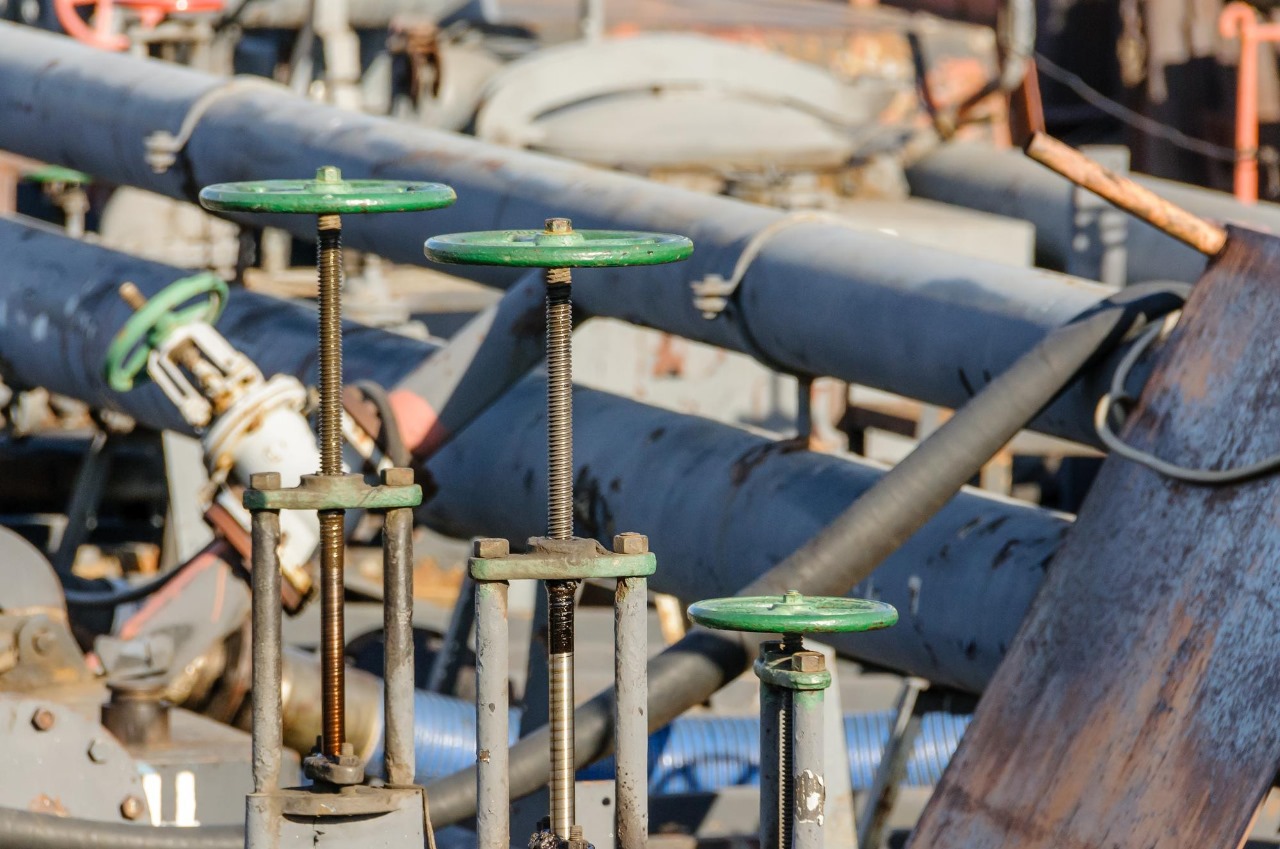
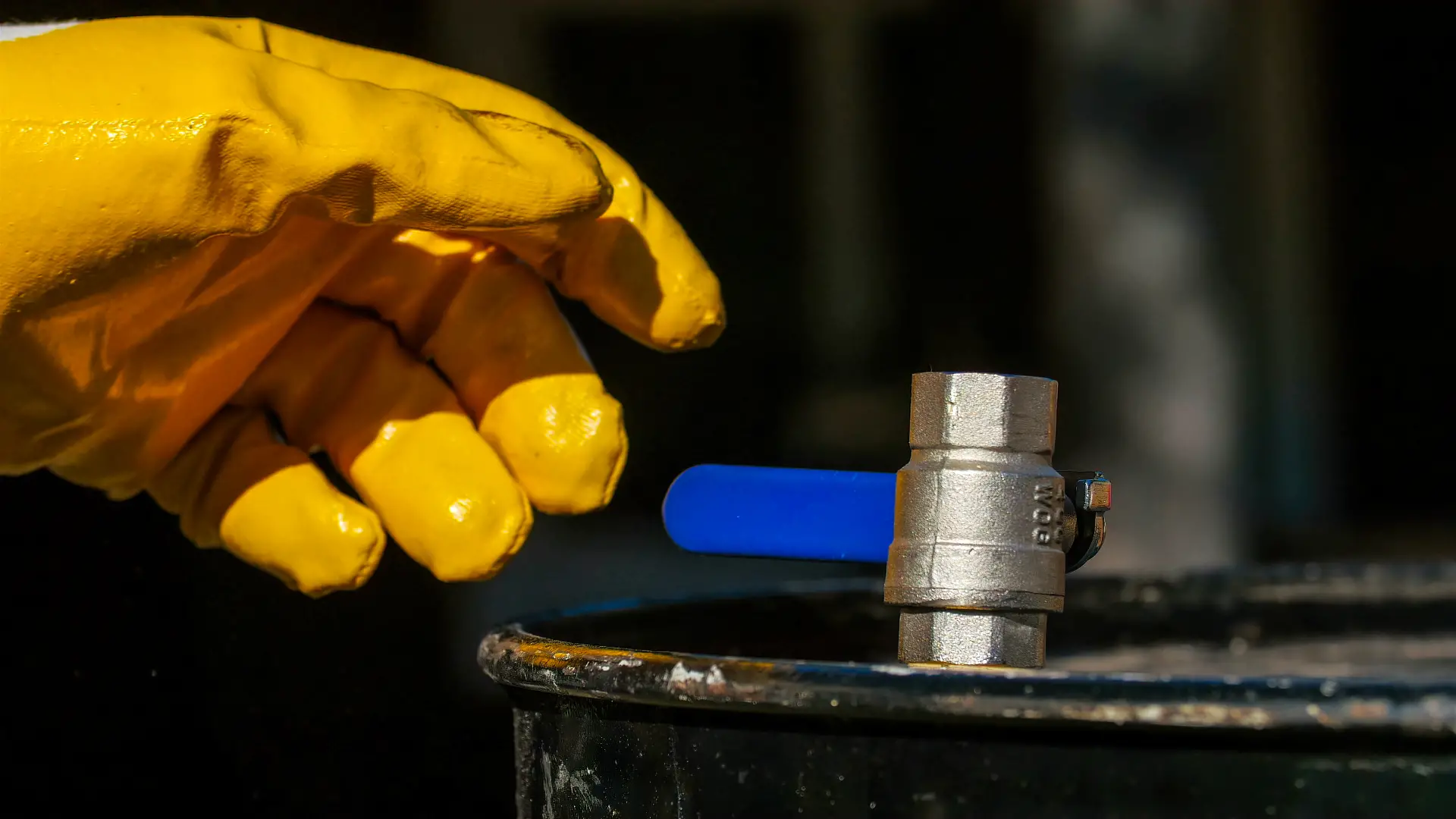
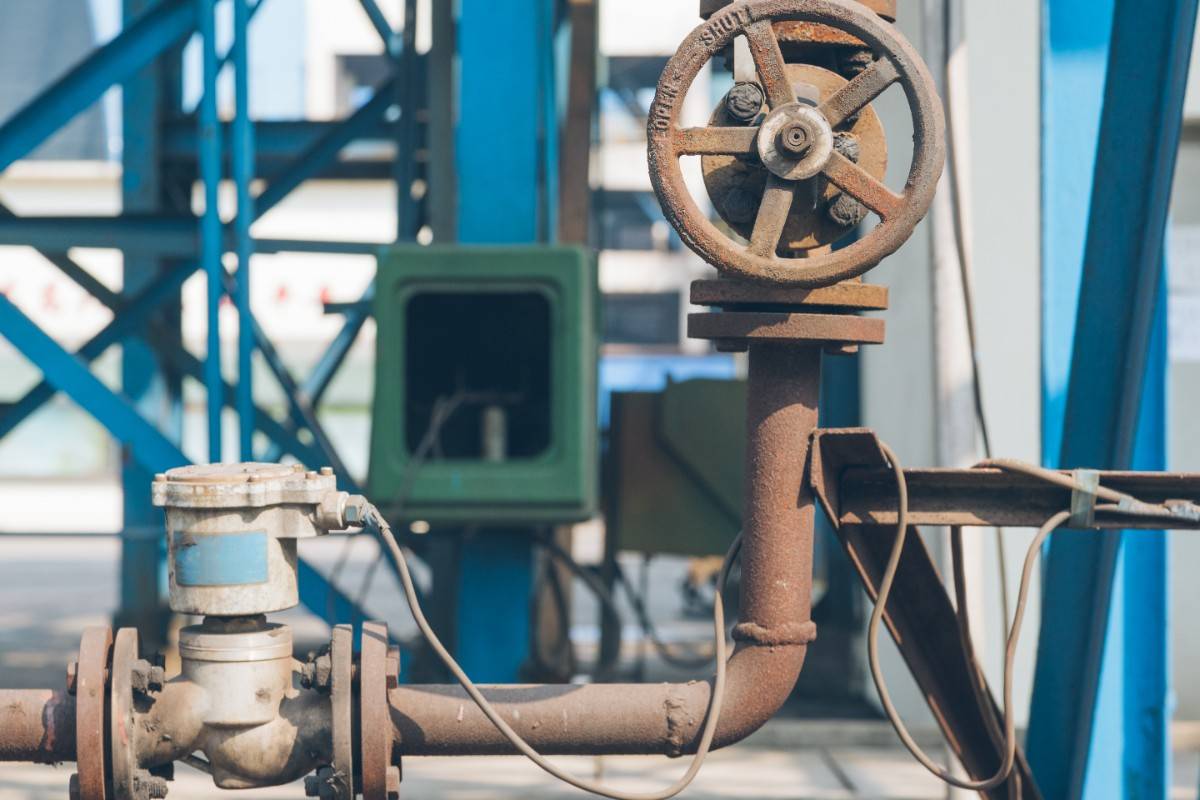
Gate, globe, check and ball valves cover most oil and gas lines, with plug and butterfly valves added where the duty calls for them. For industrial valves for oil and gas, ask which design standard each valve follows. ASME B16.34 sets pressure and temperature ratings for steel valves, while API 6D and API 600 are the usual references for pipeline valves and steel gate valves.
Sour service deserves its own question. According to Valmet, NACE MR0175 / ISO 15156 is aimed at upstream work and MR0103 at refining, and valves cannot be pre-engineered for MR0175 without knowing the service conditions. So give the supplier your H2S level, temperature and pressure, then ask for matching material certificates, seat leakage test results and fire-safe confirmation.
What Types of Gaskets Should Oil and Gas Buyers Shortlist?
Gaskets are small, cheap and easy to overlook, which is exactly why so many leaks start there. The wrong type for your flange, pressure or temperature can undo the work done on everything else.
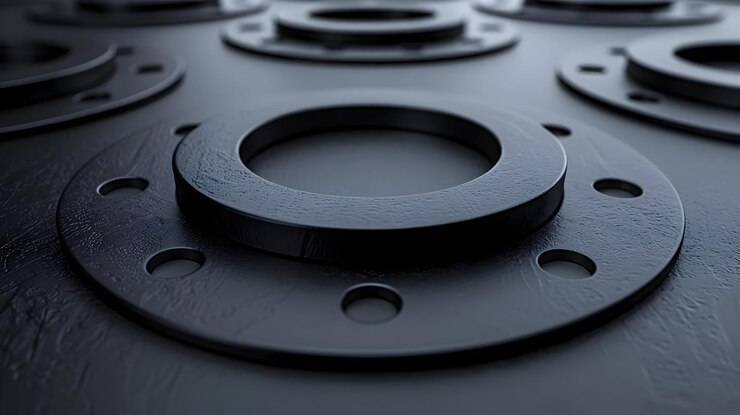
Here are the four types worth shortlisting for industrial gaskets for oil and gas.
- Spiral-wound gaskets:
Layers of metal winding and soft filler give these a springy seal that suits raised-face flanges in process lines. They fall under ASME B16.20, and the winding, filler and rings should all be specified together.
- Ring-type joint (RTJ) gaskets:
A metal ring sits in a machined groove and seals by pressing against its sides, which makes it a strong choice for high-pressure joints. The ring number and style (R, RX or BX) must match the flange, and the ring should be softer than the flange it seals against.
- Sheet gaskets:
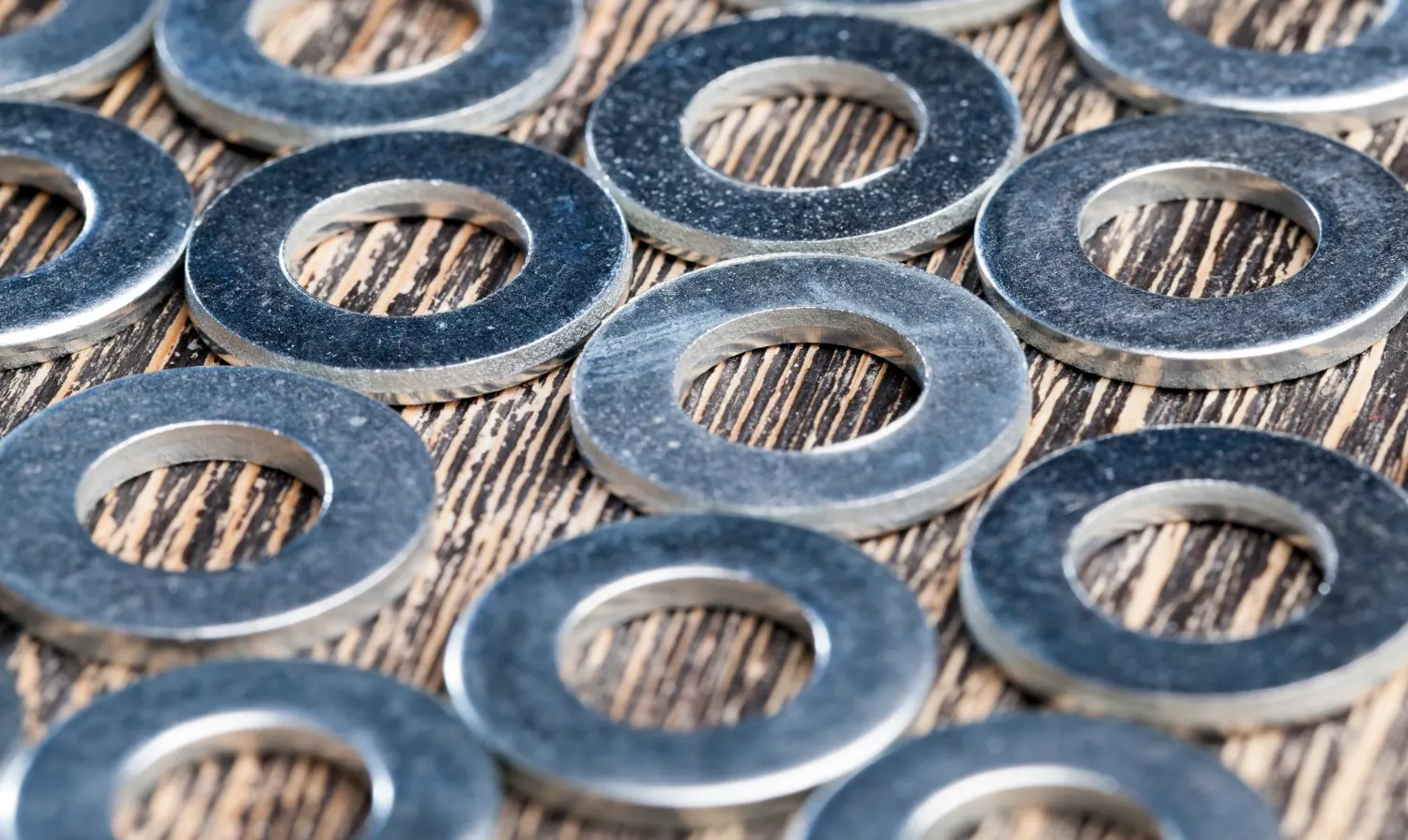
These are cut from non-metallic material such as compressed fibre, PTFE or graphite, and ASME B16.21 covers them. They suit lower-pressure and utility lines, and Project Materials points out that they are fussier about flange surface finish.
- Metallic and semi-metallic gaskets:
This group includes Kammprofile and jacketed gaskets, which pair a metal core with a softer facing, along with solid metal types. They are used in heat exchangers and high-temperature joints, and ASME B16.20 covers them.
How to Evaluate and Compare Oil and Gas Suppliers at ADIPEC 2026
Certificates tell you more than a handshake. For pressure-containing parts, ask for EN 10204 3.1 mill test certificates, which Project Materials describes as the standard type for oil and gas, chemical and power projects. ISO 9001 is worth seeing, but the International Accreditation Forum says it covers a company's quality system rather than the product, so it should never stand in for batch documents.
Compare suppliers on the same terms. Give each one the same spec, quantity and delivery location, then line up price, stock, lead time and documents side by side. Take notes at the stand, ask for sample certificates by email and follow up within a week, while the conversation is still fresh.
Conclusion
A good show visit comes down to preparation. Know your specifications, shortlist the right fittings, valves and gaskets, and ask for proof before you talk price. The suppliers who answer clearly and quickly at the stand are usually the ones who deliver cleanly later.
Take this ADIPEC 2026 sourcing checklist with you, and tick it off as you go. If you want a second opinion on a specification, a stock position or a set of certificates, send it our way and we will help you work through it.
FAQs
1. What should oil and gas buyers source at ADIPEC 2026?
Focus on fittings, valves and gaskets that match your project specs, along with the certificates that prove them.
2. What fittings are commonly used in oil and gas projects?
Butt-weld elbows, tees, reducers and caps, forged socket-weld and threaded fittings, and flanges are the most common.
3. What valves should oil and gas buyers consider?
Gate, globe, check and ball valves cover most lines, chosen by service, pressure class and design standard.
4. What types of gaskets are used in oil and gas piping?
Spiral-wound, ring-type joint, sheet and metallic or semi-metallic gaskets are the main types.
5. What specifications should I check before buying industrial fittings?
Check the dimension standard, material grade, wall thickness or schedule, pressure class and sour service suitability.
6. What certifications should oil and gas suppliers provide?
Ask for EN 10204 3.1 mill test certificates, standards compliance documents and traceability records for each batch.
7. How do I evaluate an oil and gas supplier in the UAE?
Compare certificates, stock, lead times, references and after-sales support using the same specification for every supplier.
8. What should I ask an industrial supplier at ADIPEC?
Ask about standards, certificates, stock, lead time, traceability and how they handle delivery delays.
Related Articles
UAE Construction Pipeline 2027: Emerging Sectors Creating New Demand for Steel & Fittings
Read More

The Complete Buyer's Guide to Industrial Gratings: GI vs Stainless Steel vs Aluminium vs Ductile Iron
Read More

Chequered Plate Buying Guide: MS vs GI vs Stainless Steel Checker Plates Compared
Read More
C-Channel vs U-Channel: Sizes, Uses & How to Choose the Right Structural Steel Channel
Read More

Valves Used in District Cooling Systems: Types, Functions, and Selection Criteria
Read More
Threaded vs Socket Weld vs Butt Weld Fittings: Which Is Right for Your Project?
Read More
Carbon Steel vs Stainless Steel Pipes: Cost, Performance, and Application Comparison
Read More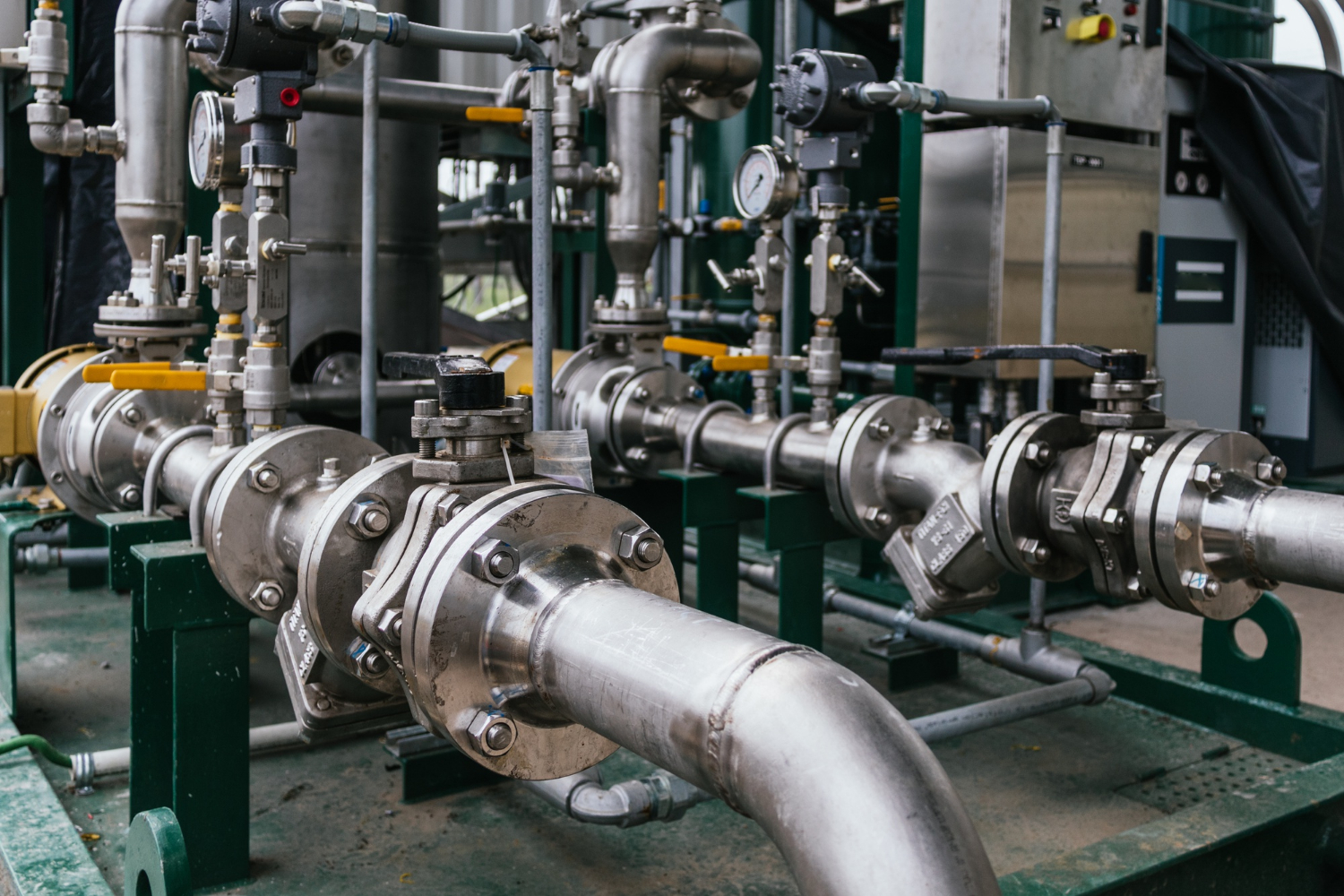

How Fire Fighting Valves Ensure Safe and Efficient High-Pressure Water Systems
Read More


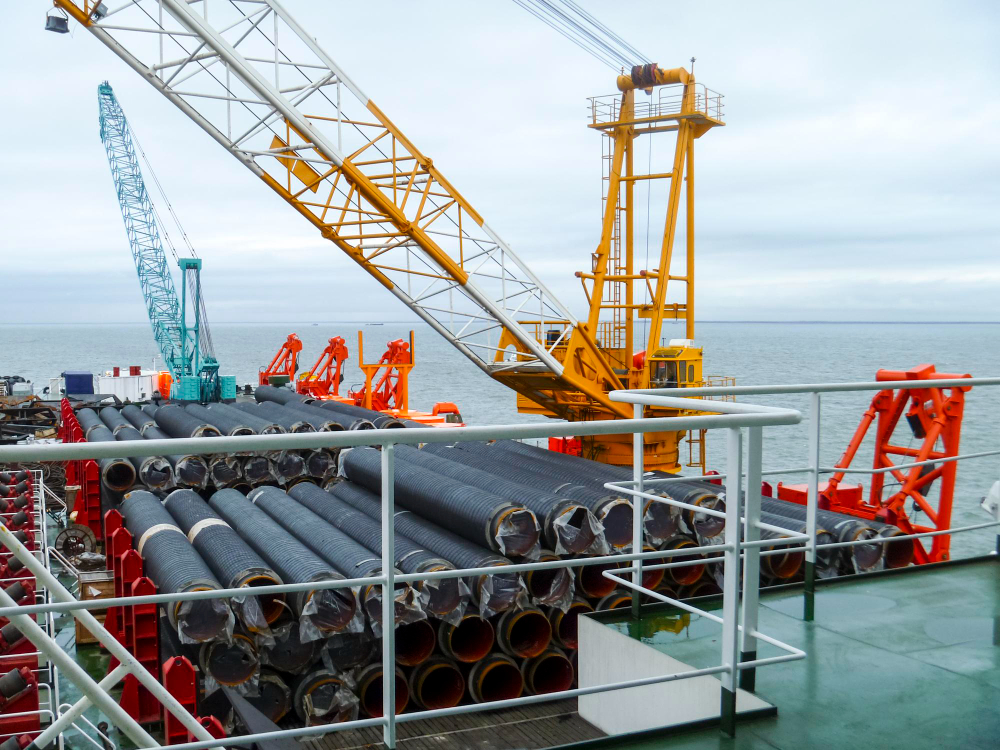
Stainless Steel Buttweld Fittings For Offshore Shipbuilding And Platform Piping
Read More
Industrial Valves, Hoses & Gaskets: Alkun Steel’s Solutions for the Tanks & Pumps Industry
Read More
Corrosion-Resistant Valves, Flanges & Joints: Alkun Steel’s Petrochemical Solutions
Read More
Why Alkun Steel Is A Reliable Supplier Of Essential Products In The Oil Drilling & Rig Industry
Read More

Reliable Industrial Components For Fire Fighting Applications: Alkun Steel’s Trusted Solutions
Read More
Why Alkun Steel Is A Reliable Supplier Of Essential Products In The Fabrication Industry
Read More
Industrial Valves, Hoses & Gaskets: Alkun Steel’s Solutions For Aviation Maintenance
Read More

Best Weld Neck, Slip-On, And Blind Flanges For Critical Oil & Gas Connections
Read More
Best Industrial Fasteners for Heavy Equipment Assembly and Structural Steel Projects
Read More